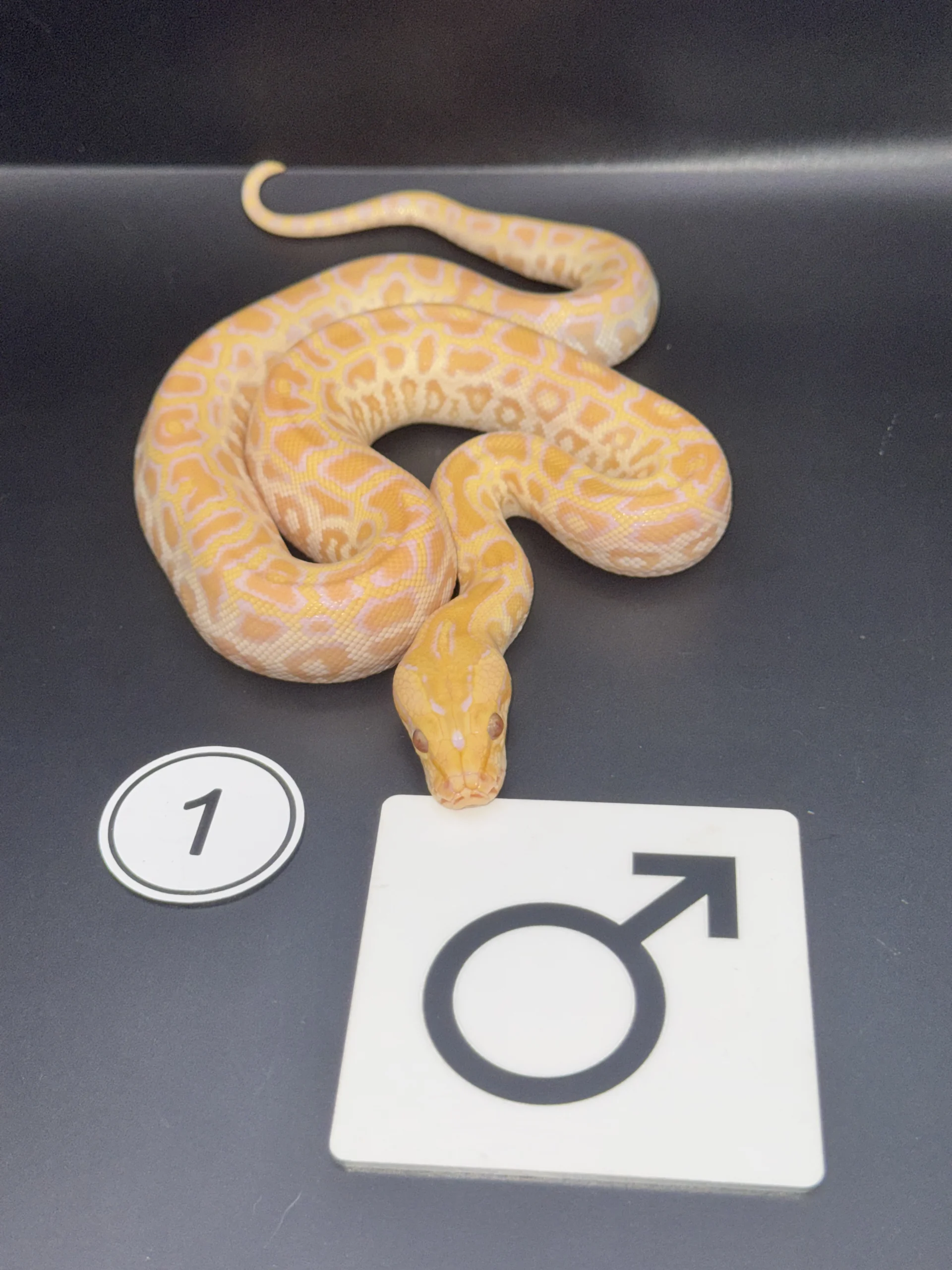
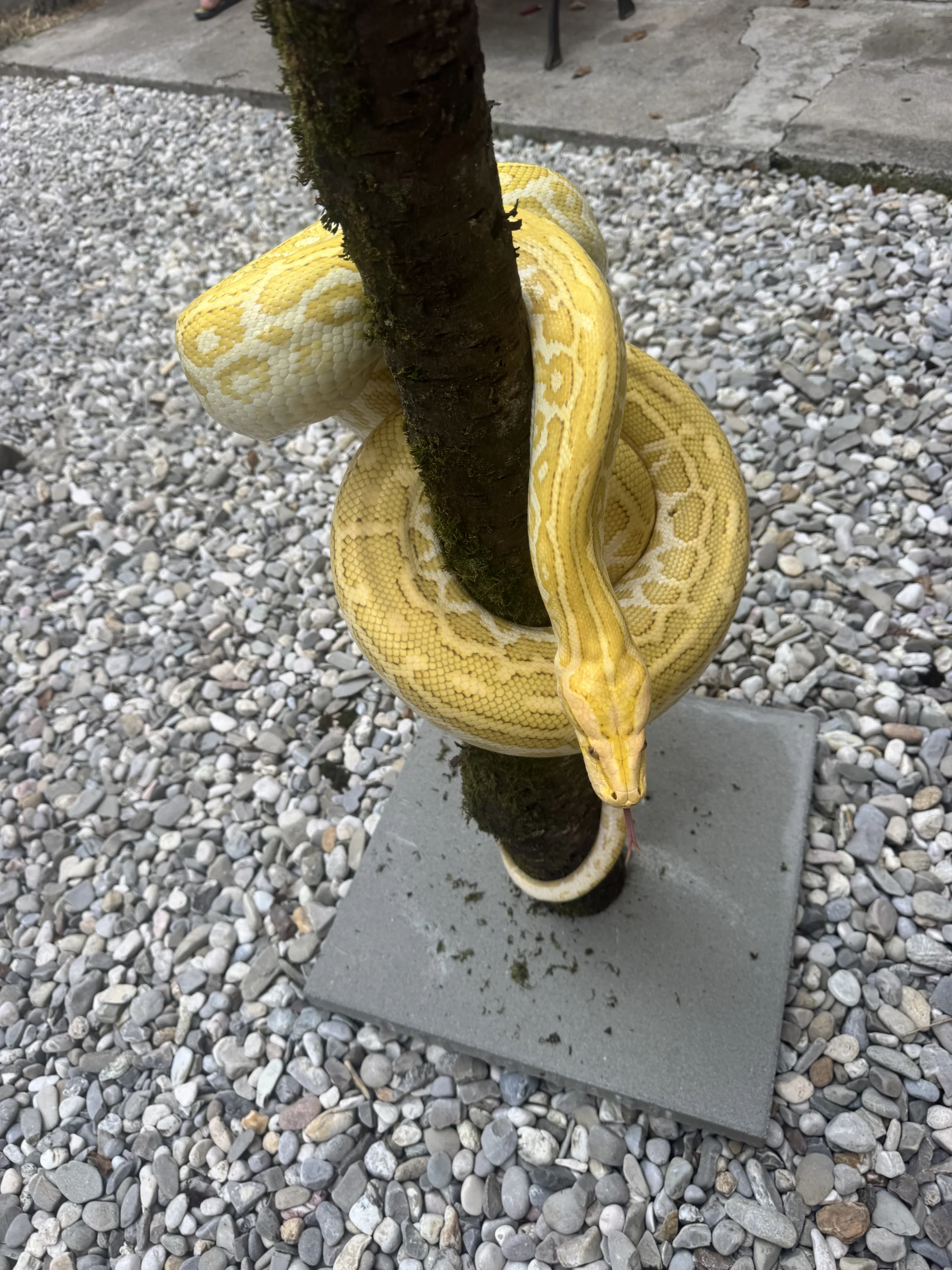
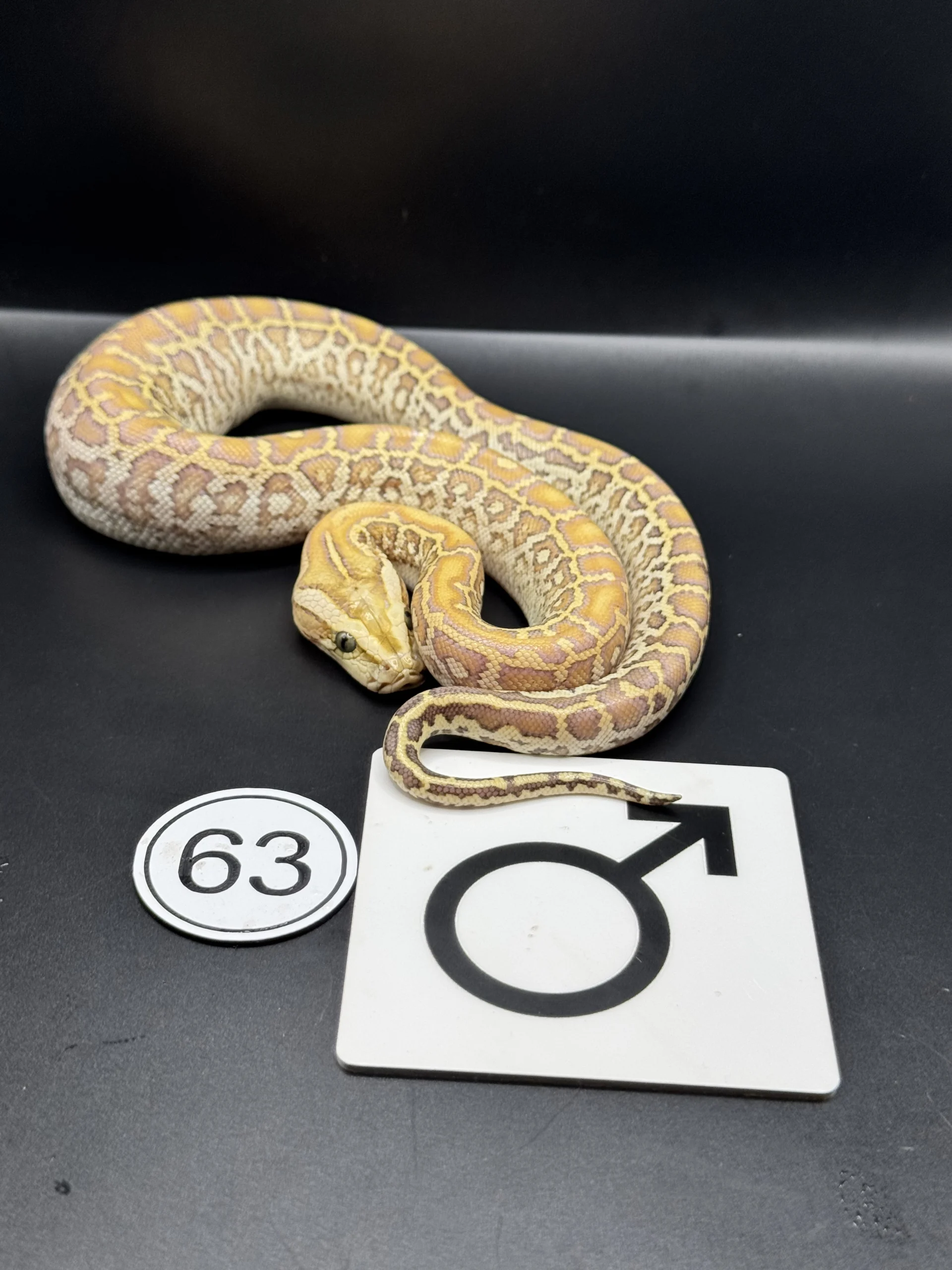
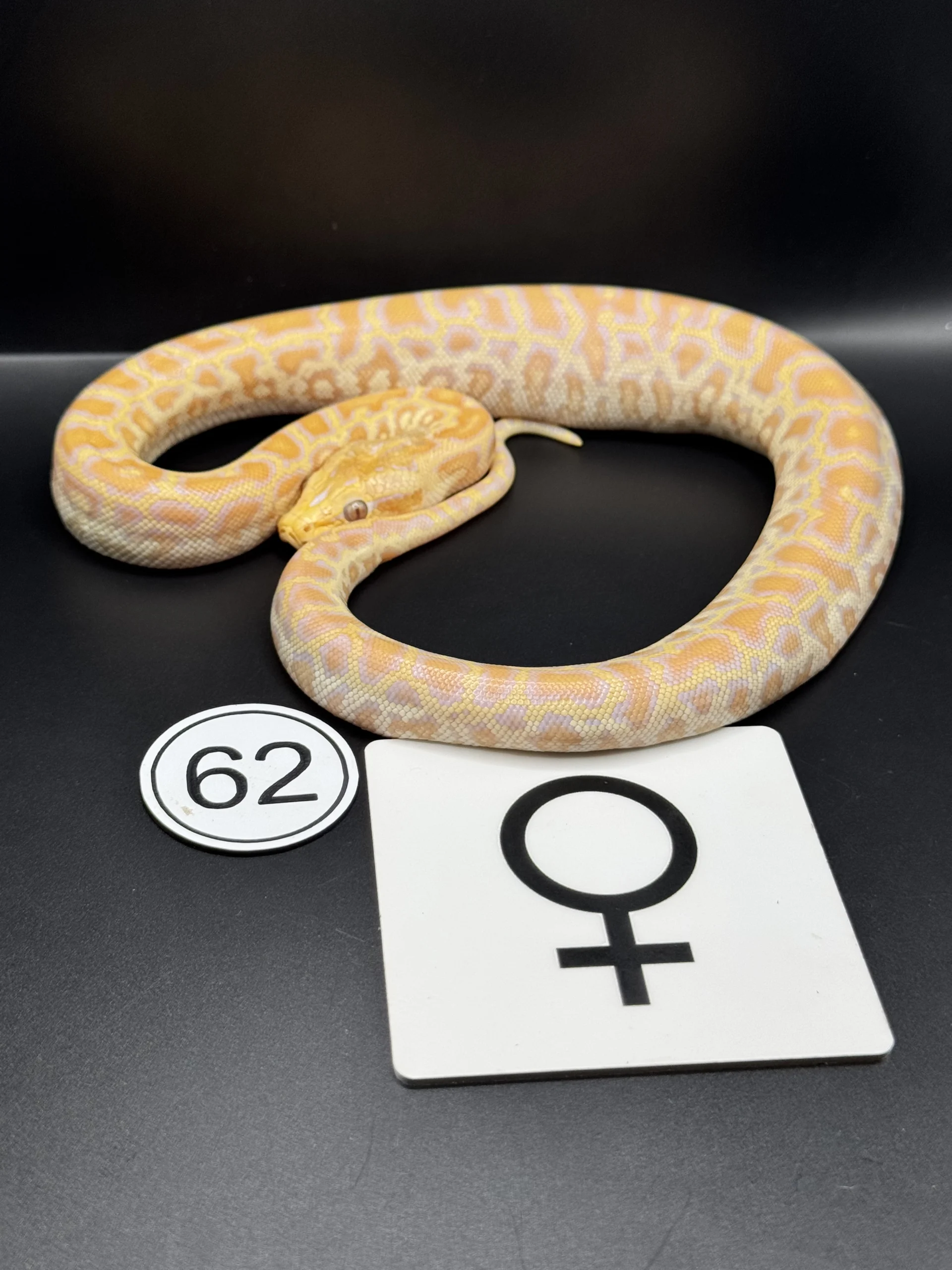
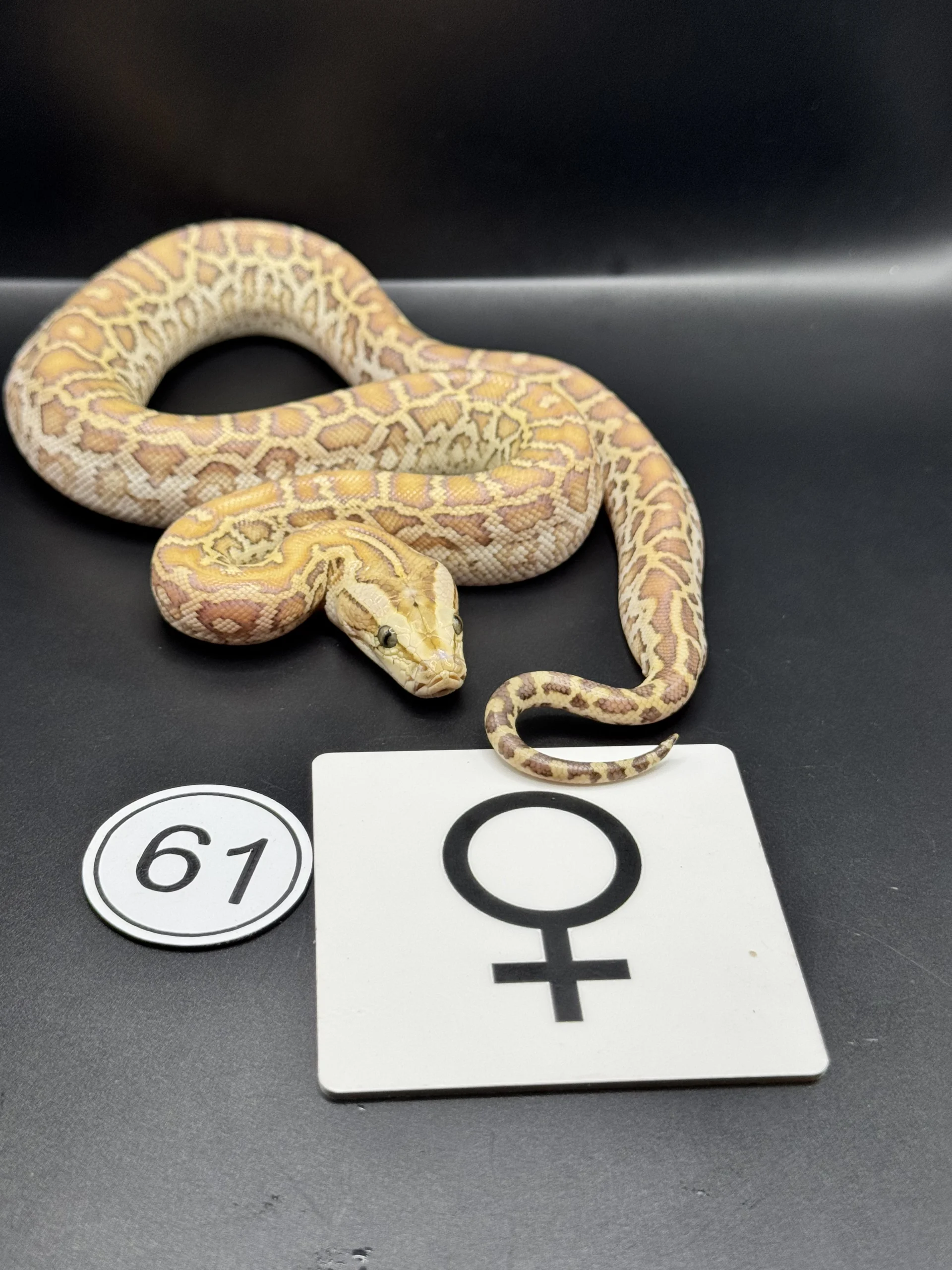
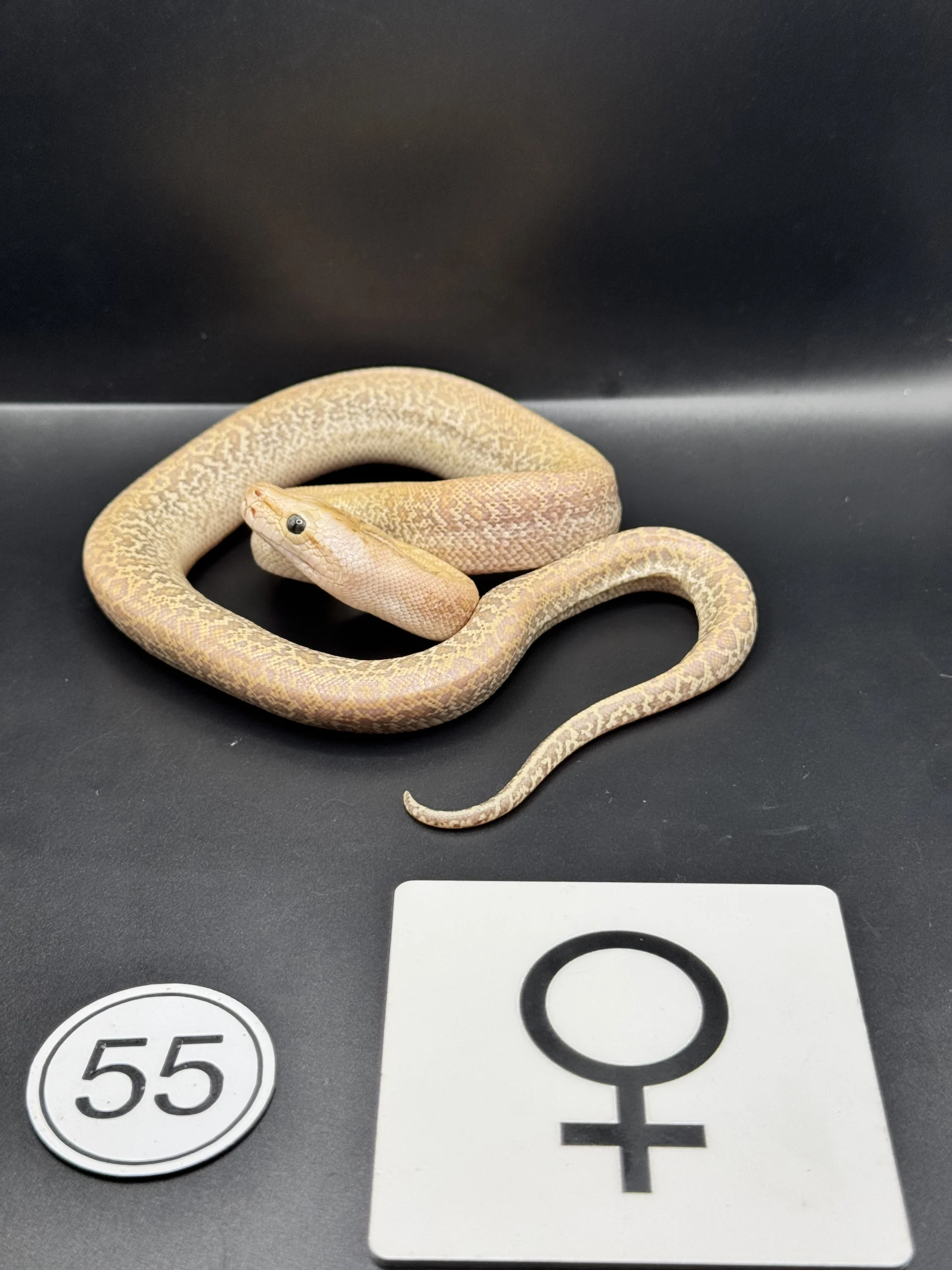
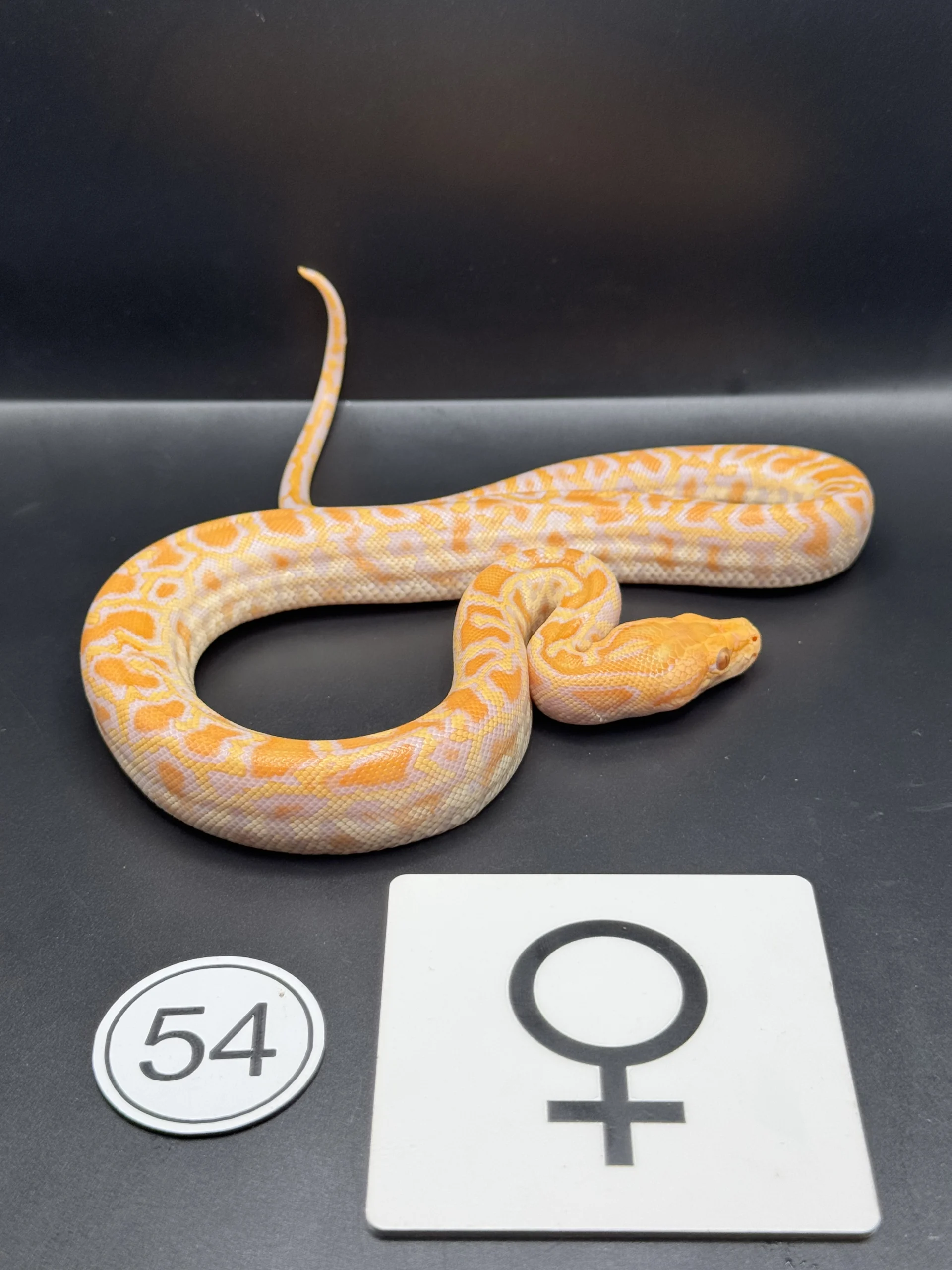
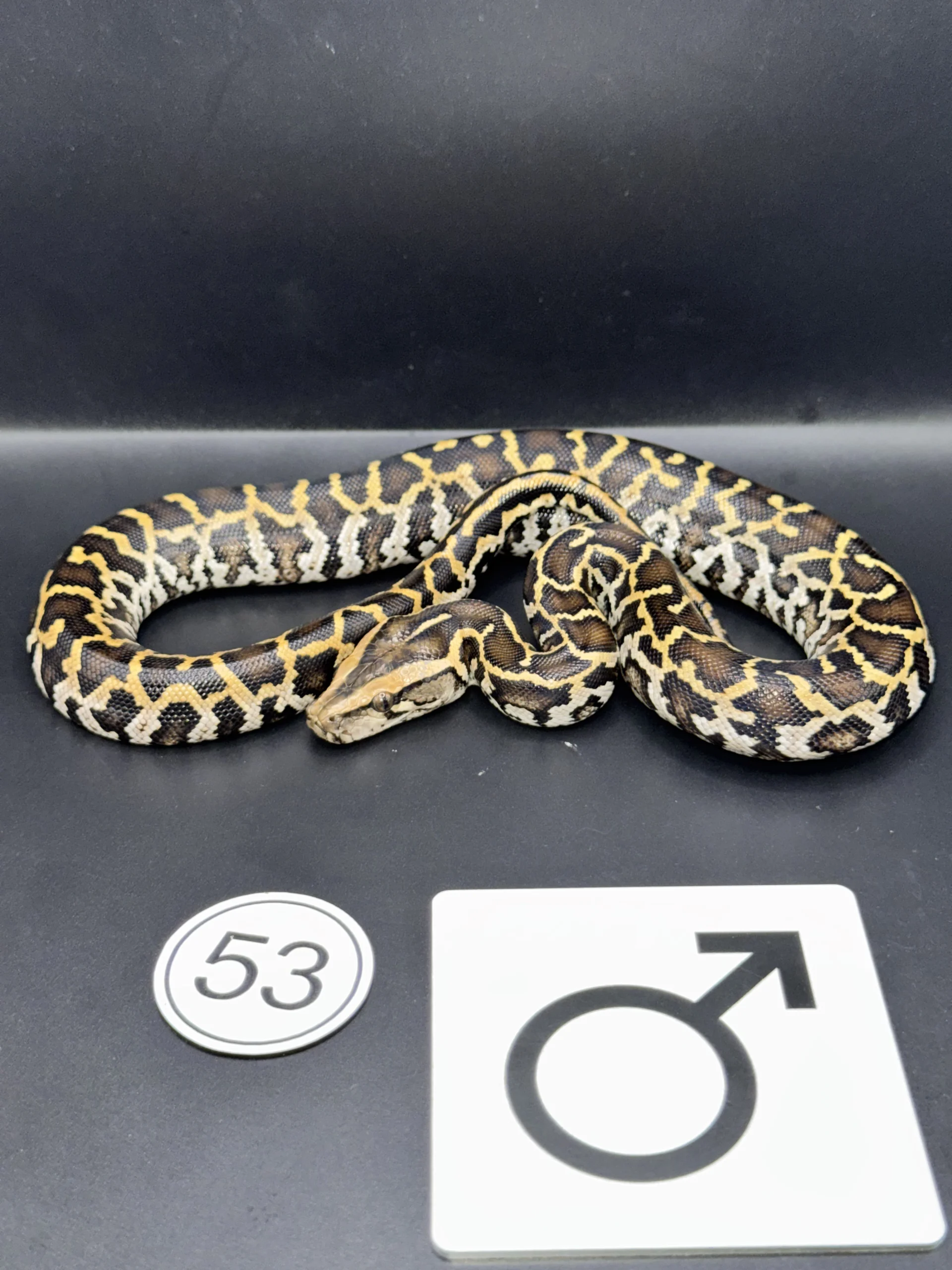
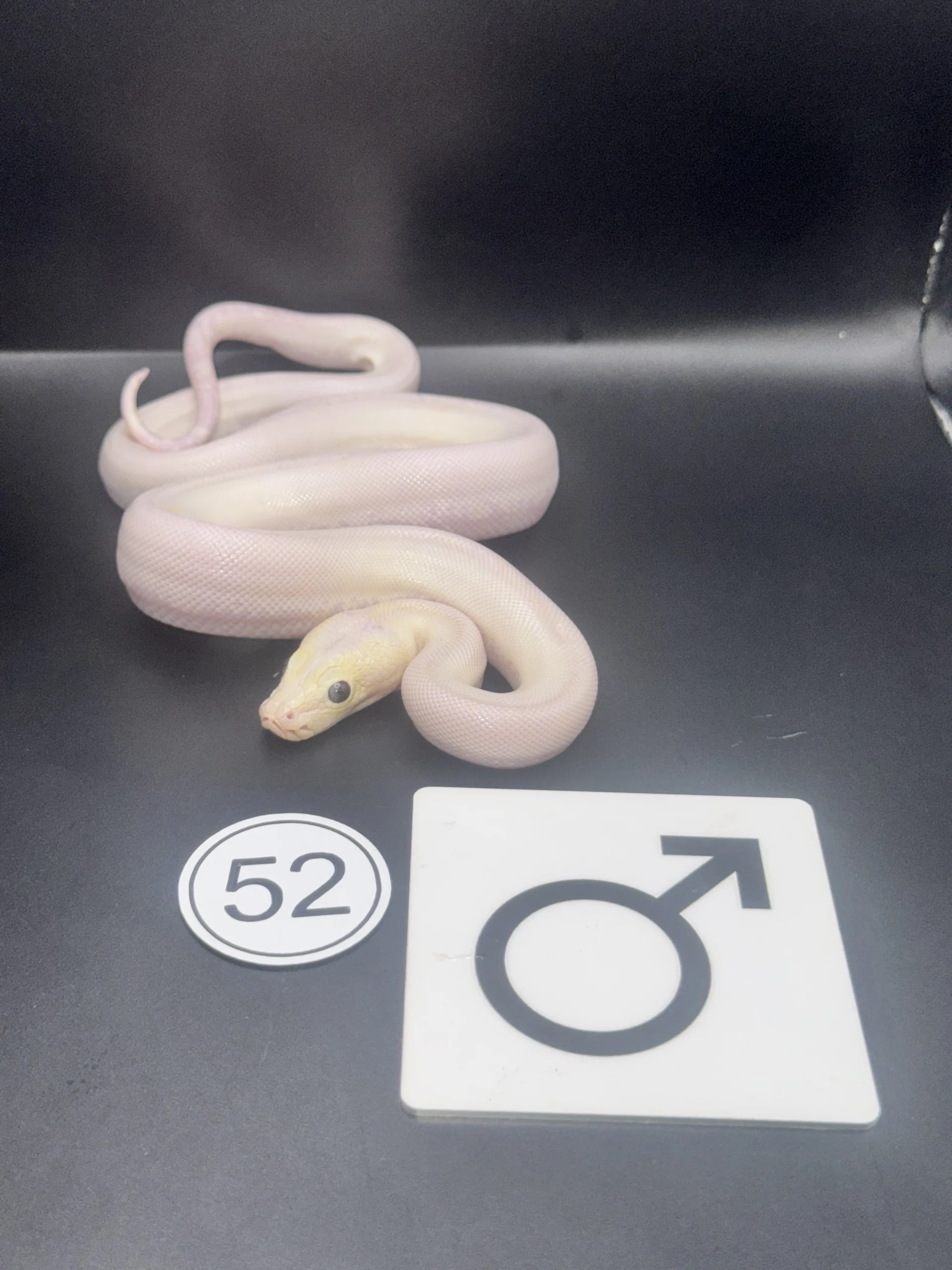
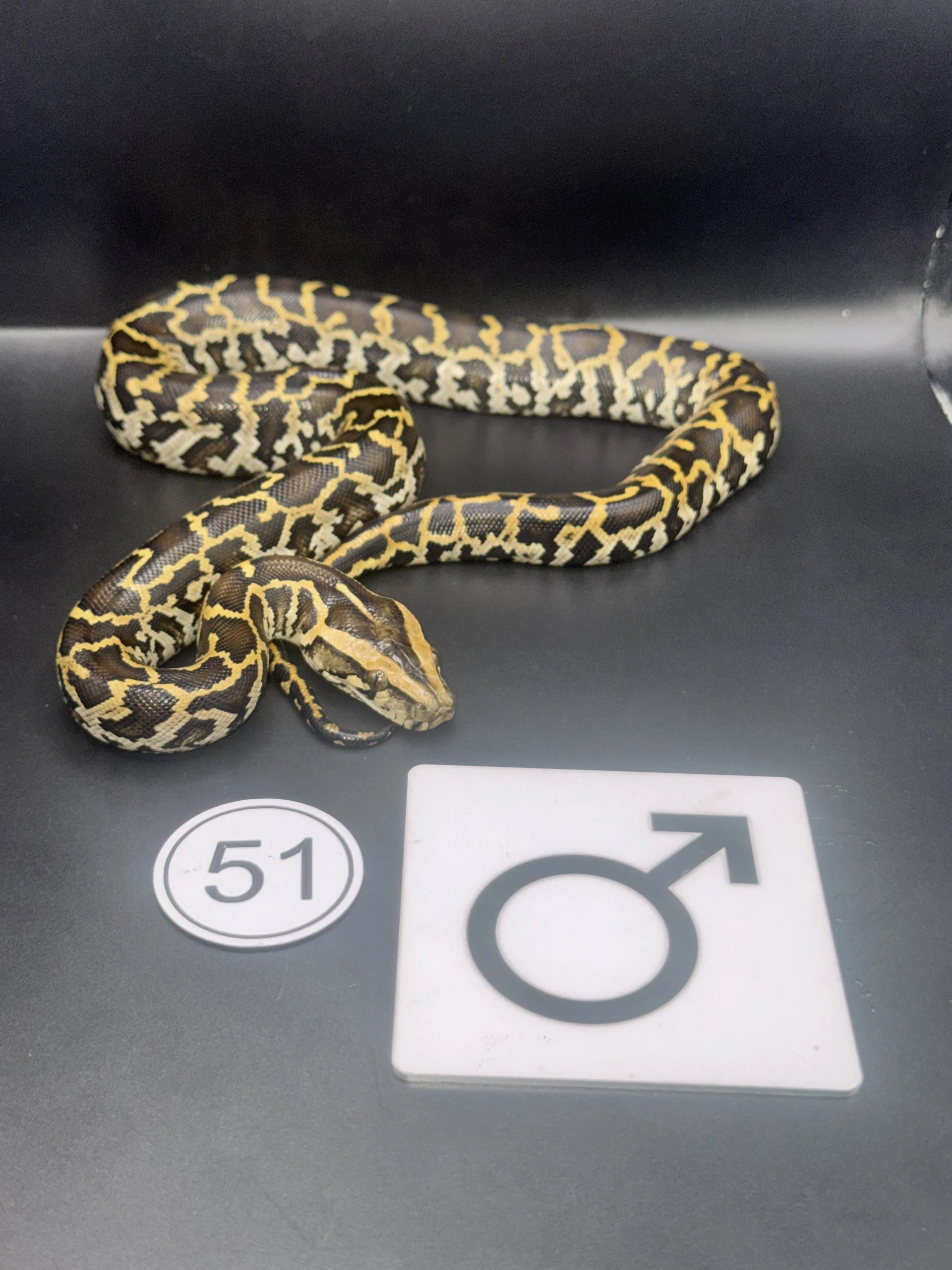
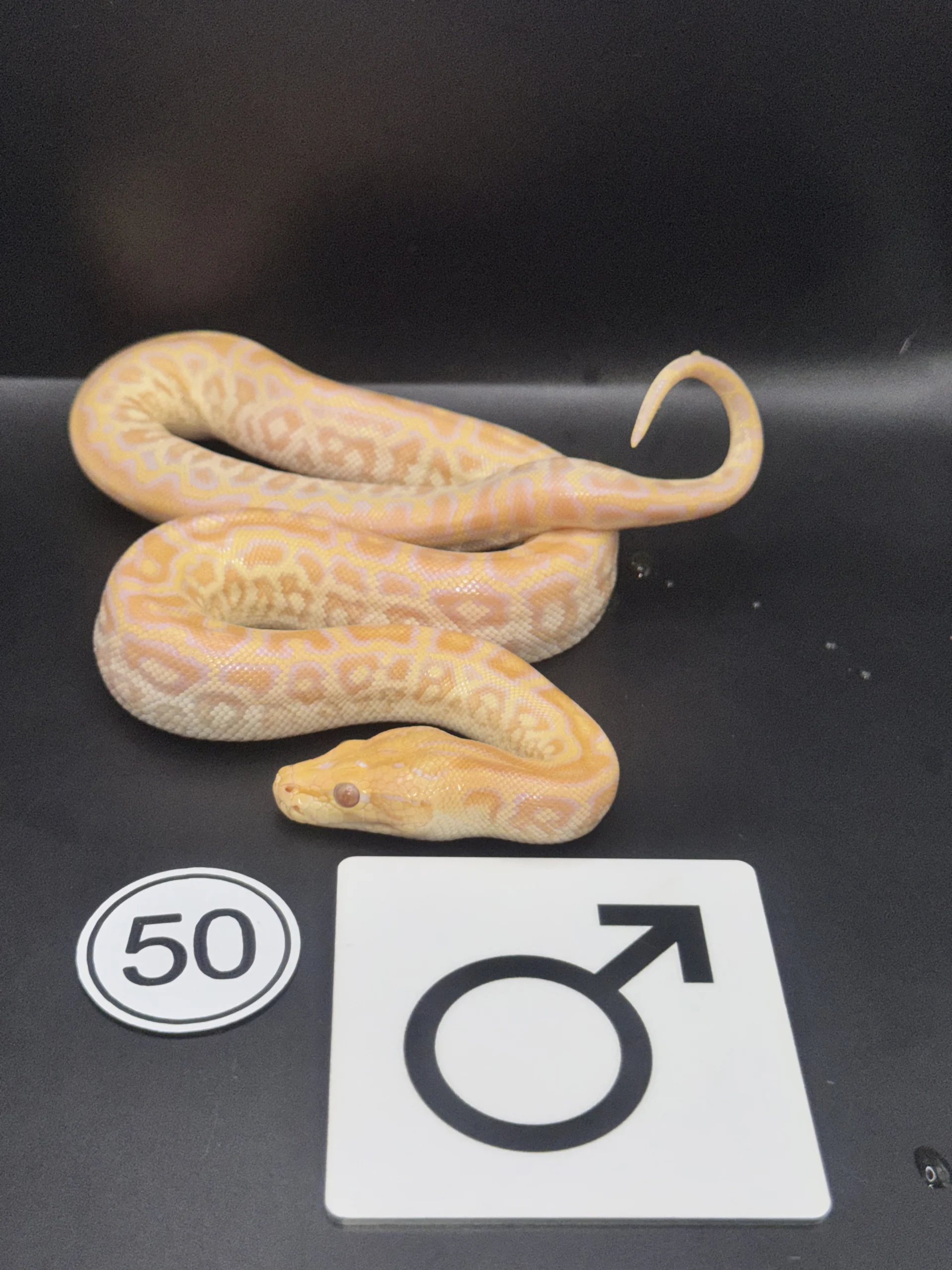
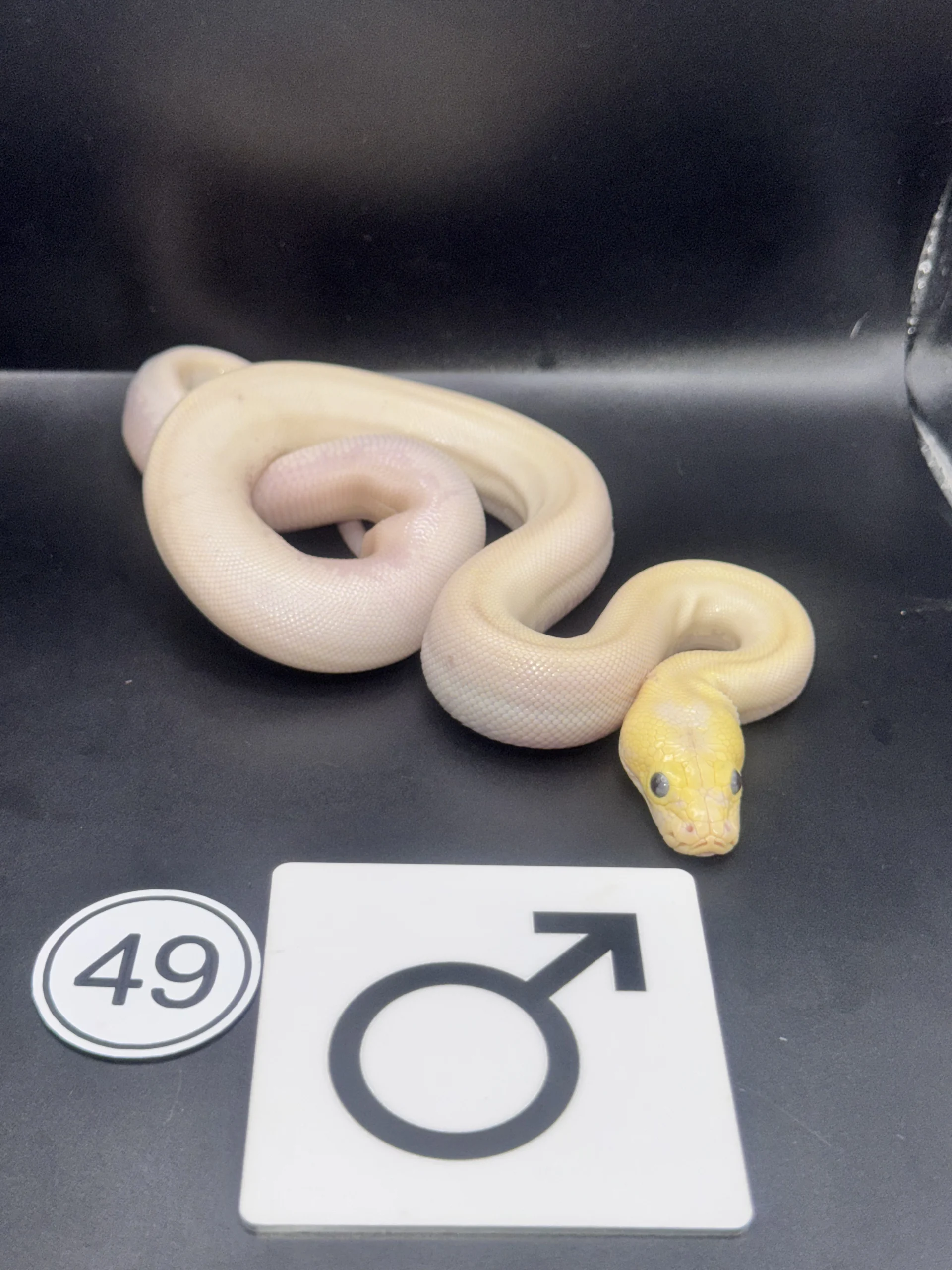
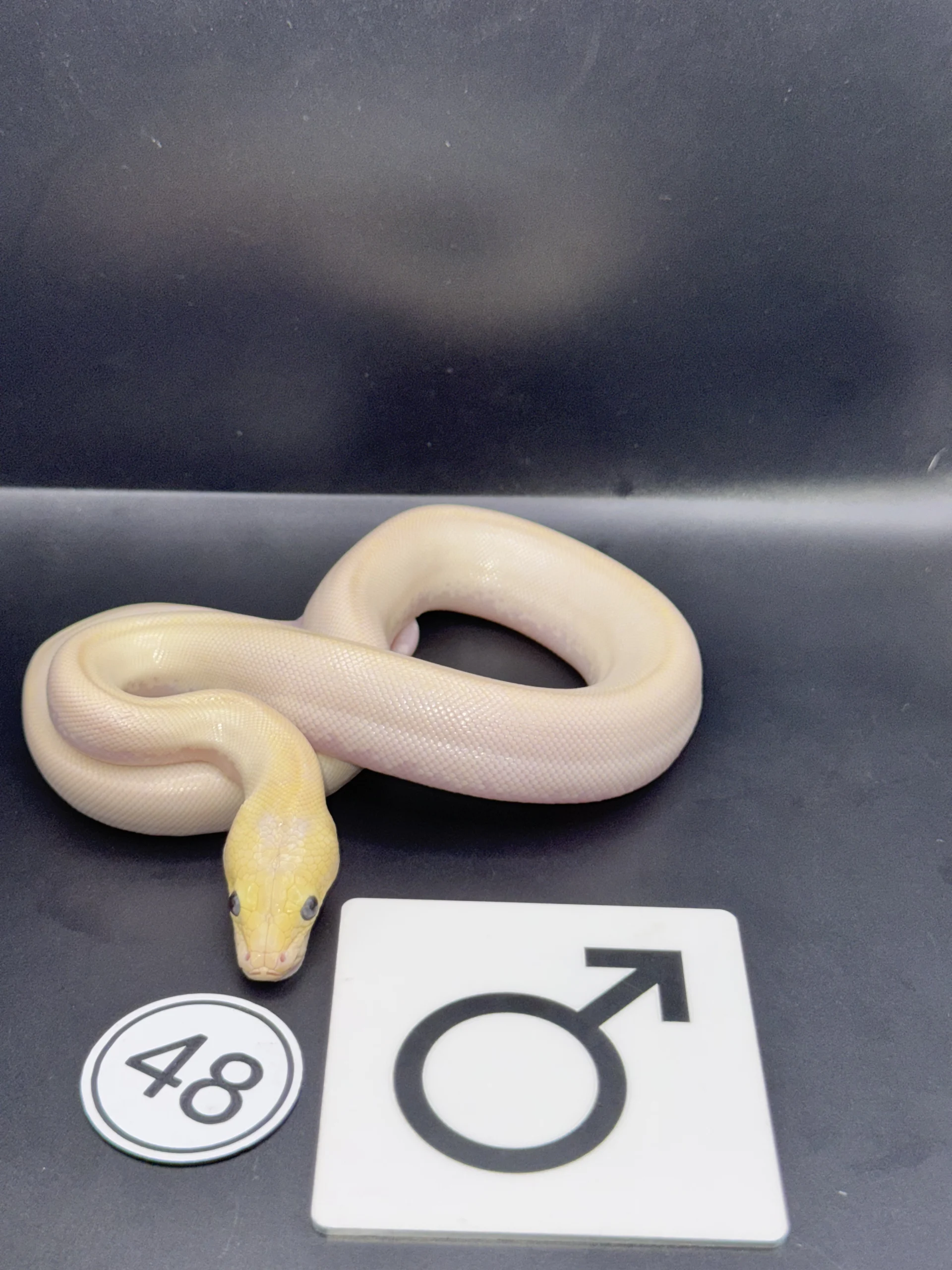
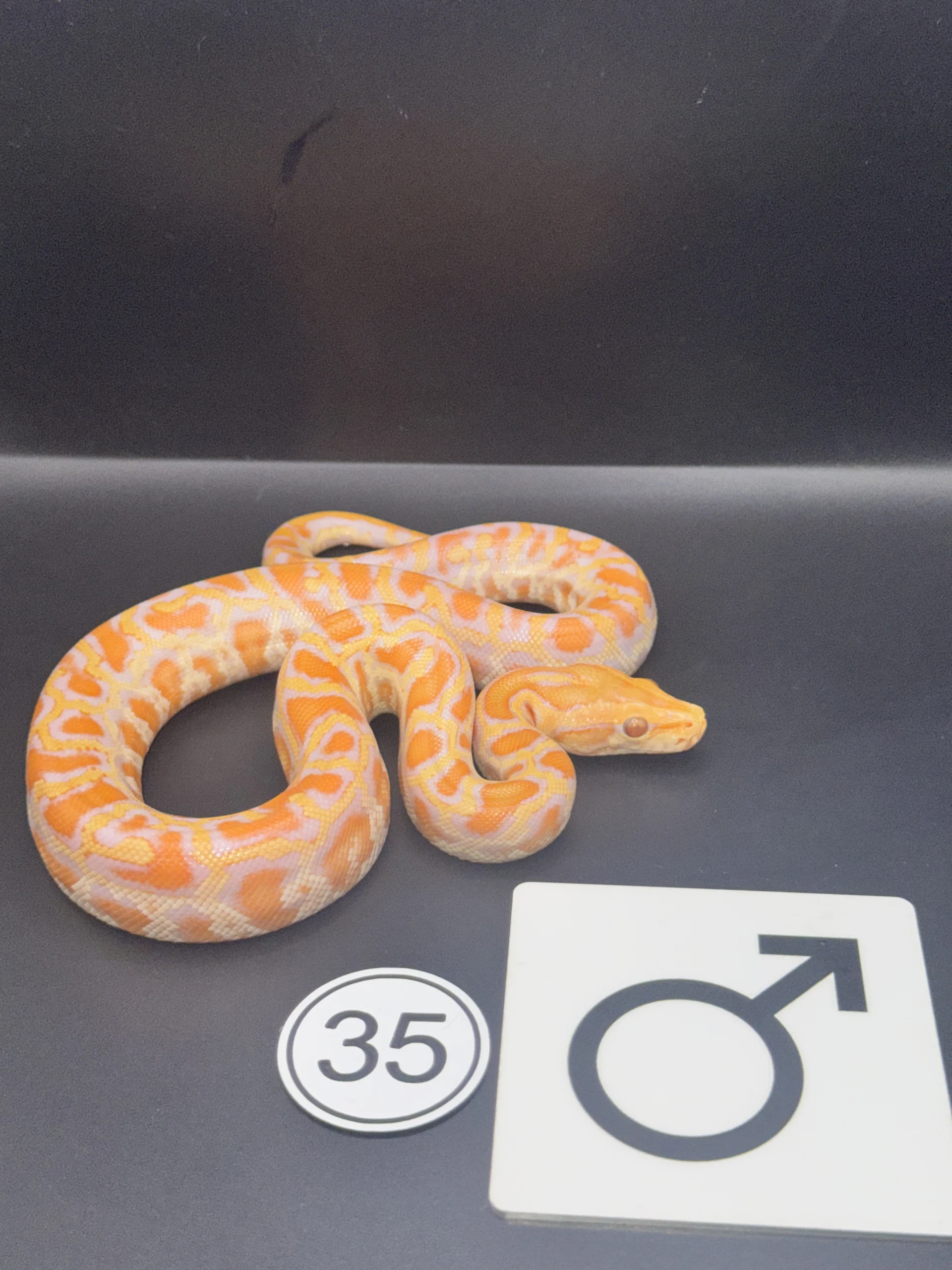
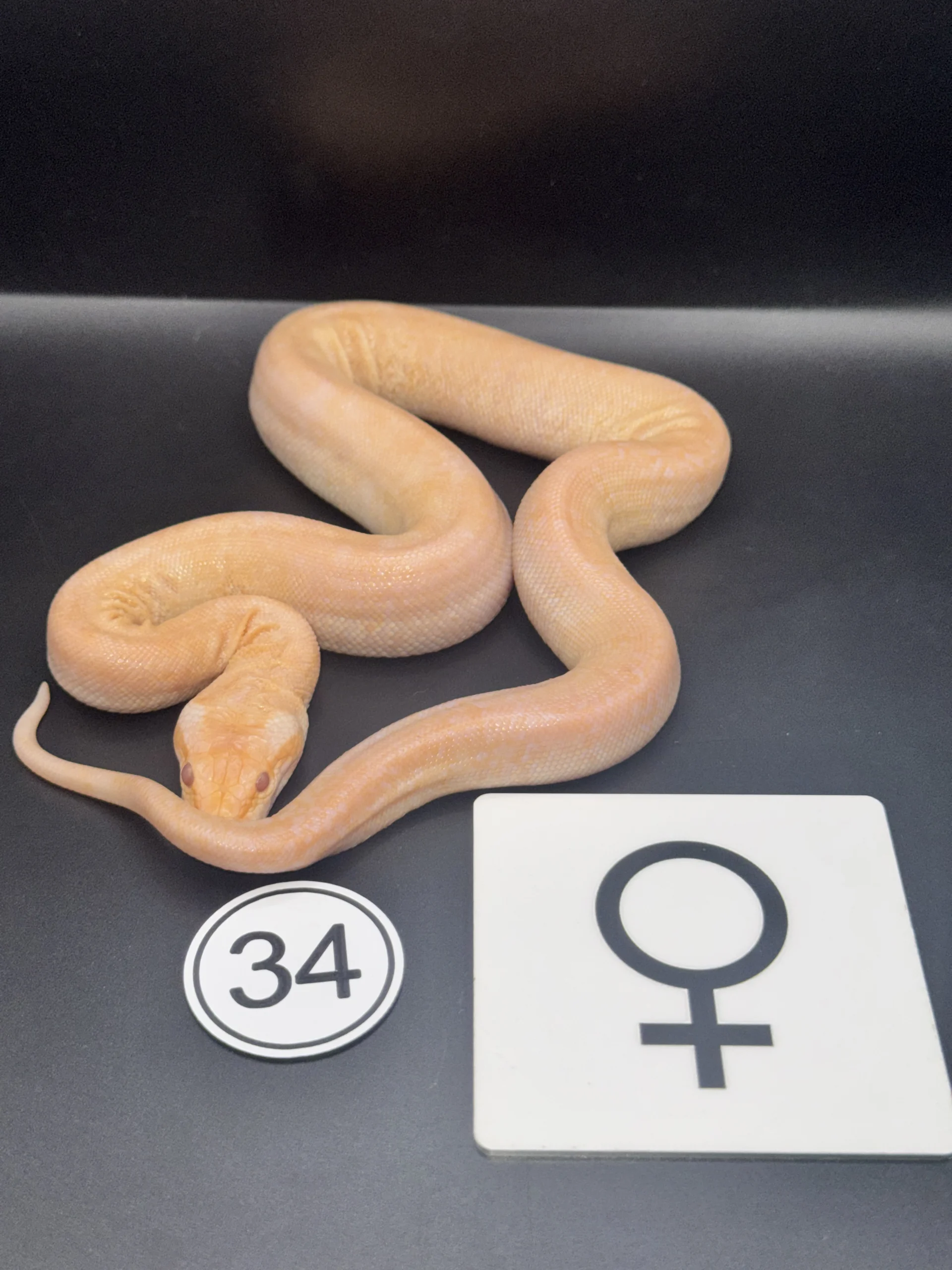
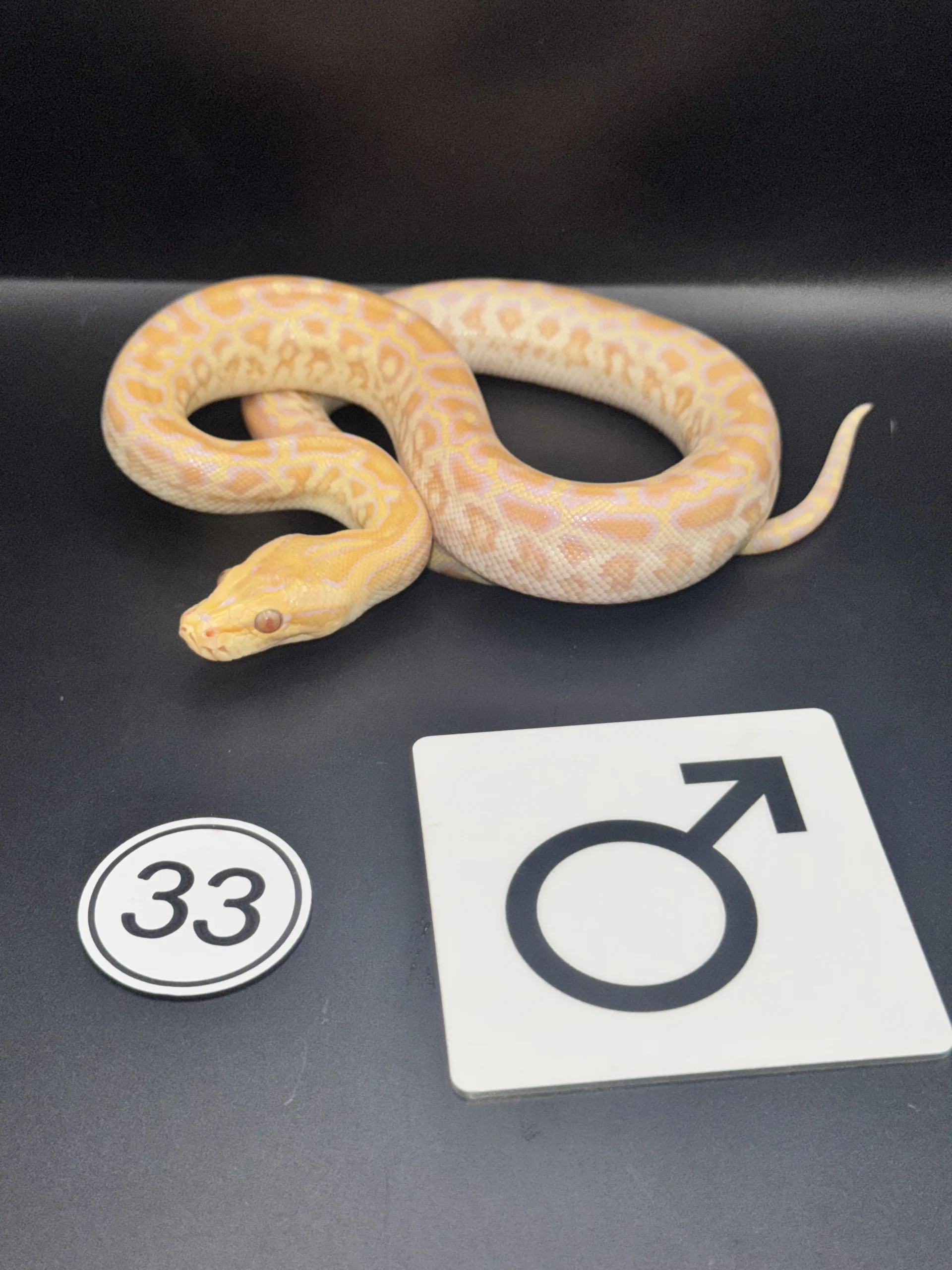
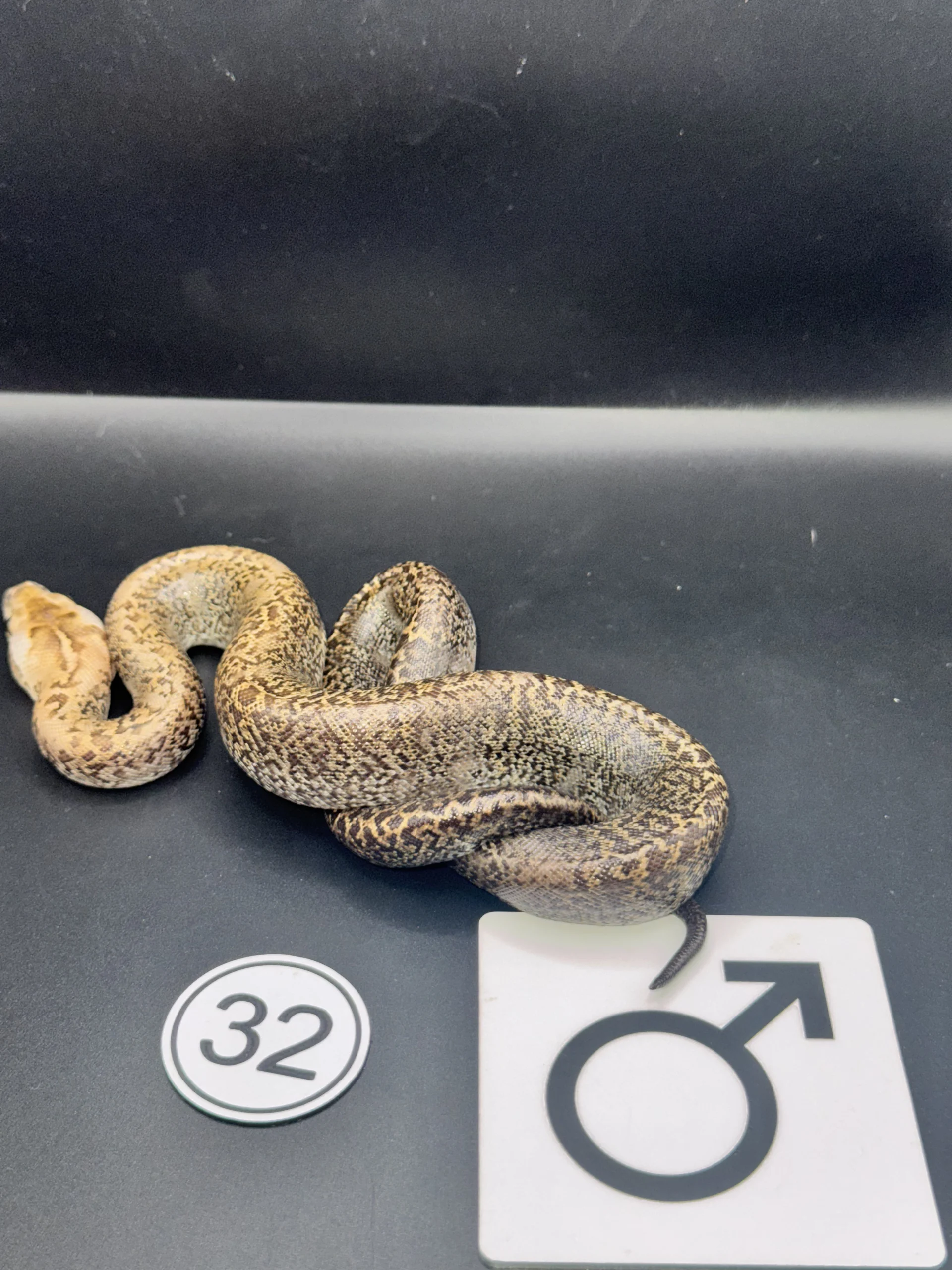
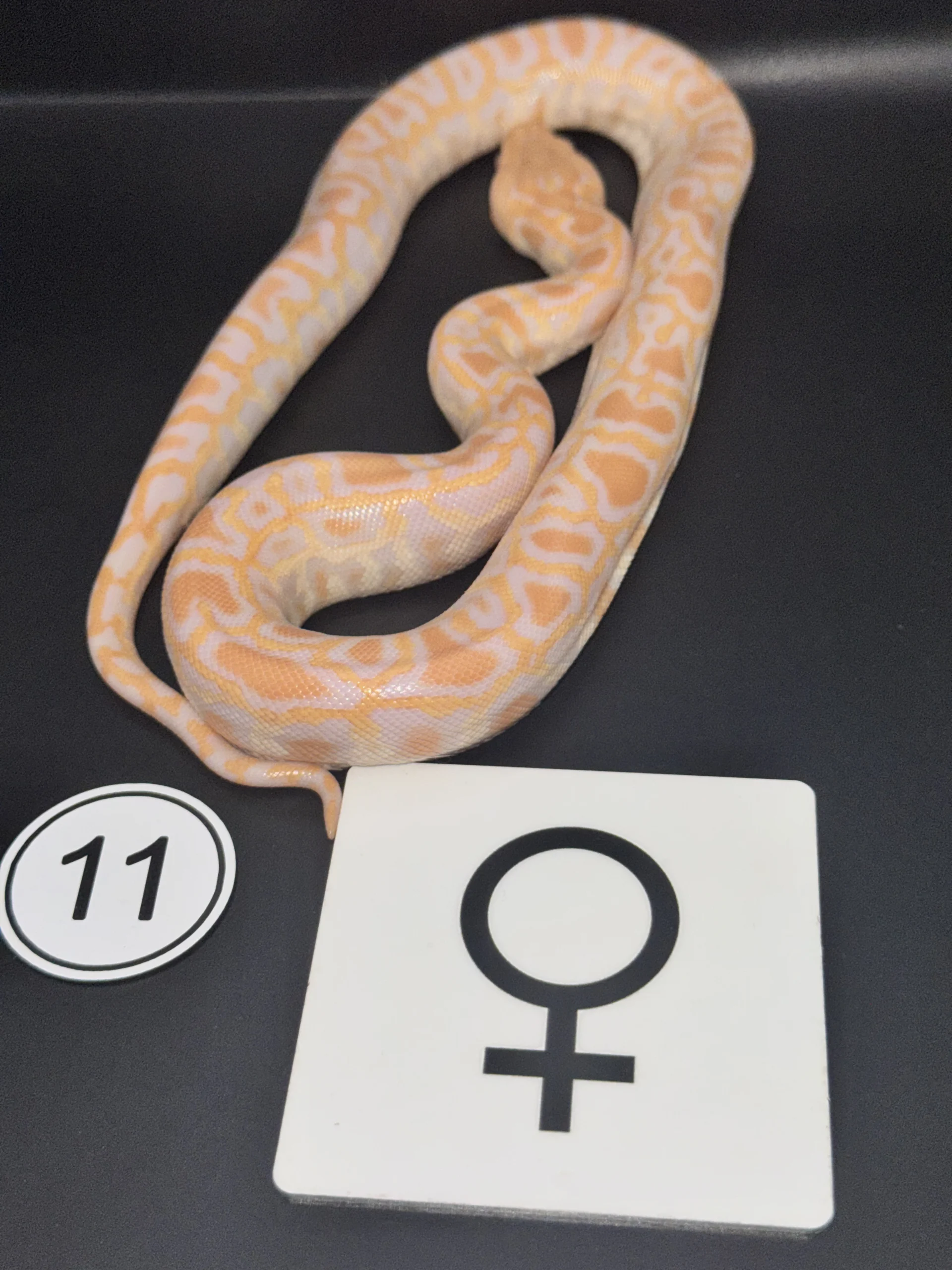
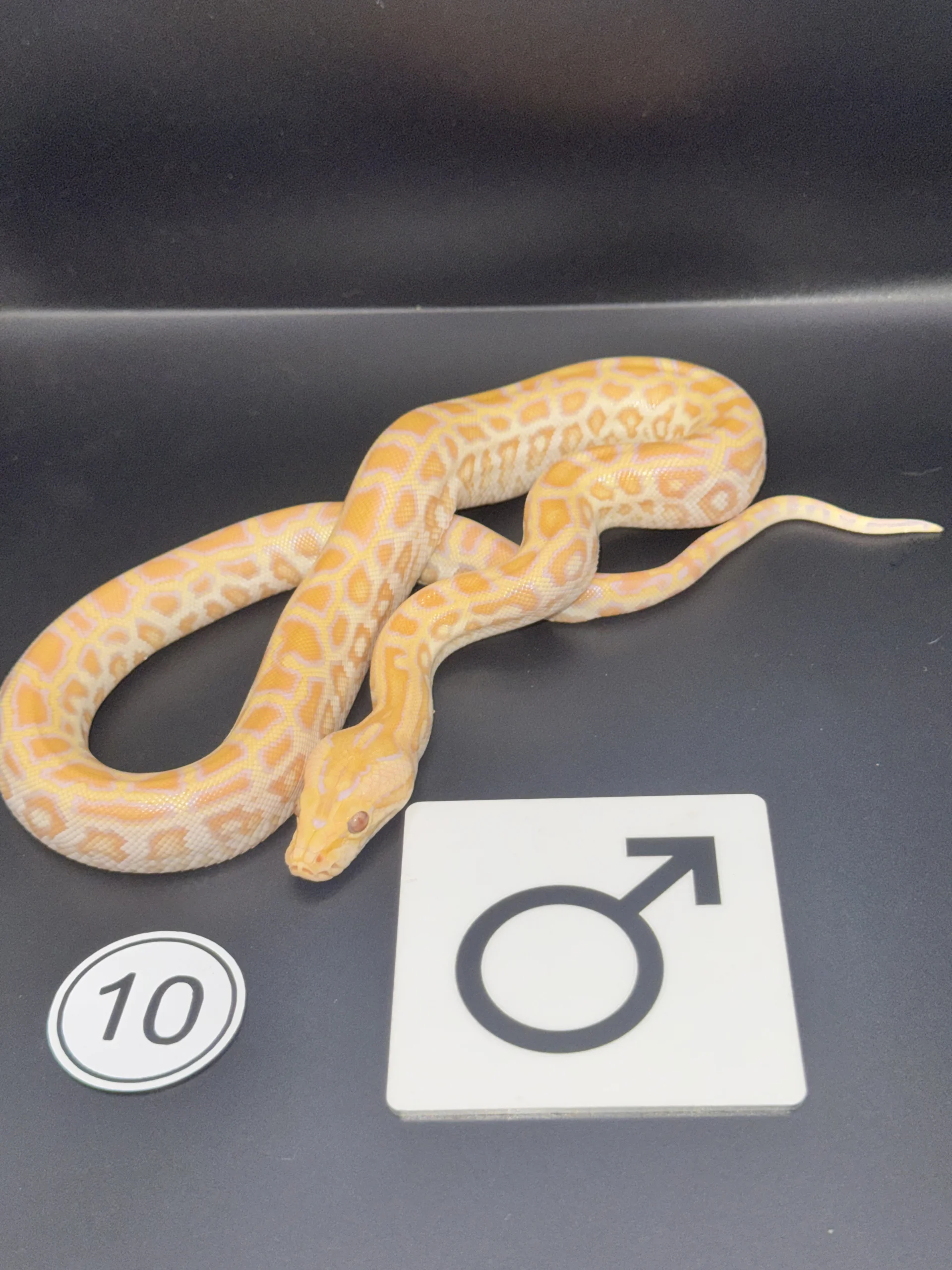
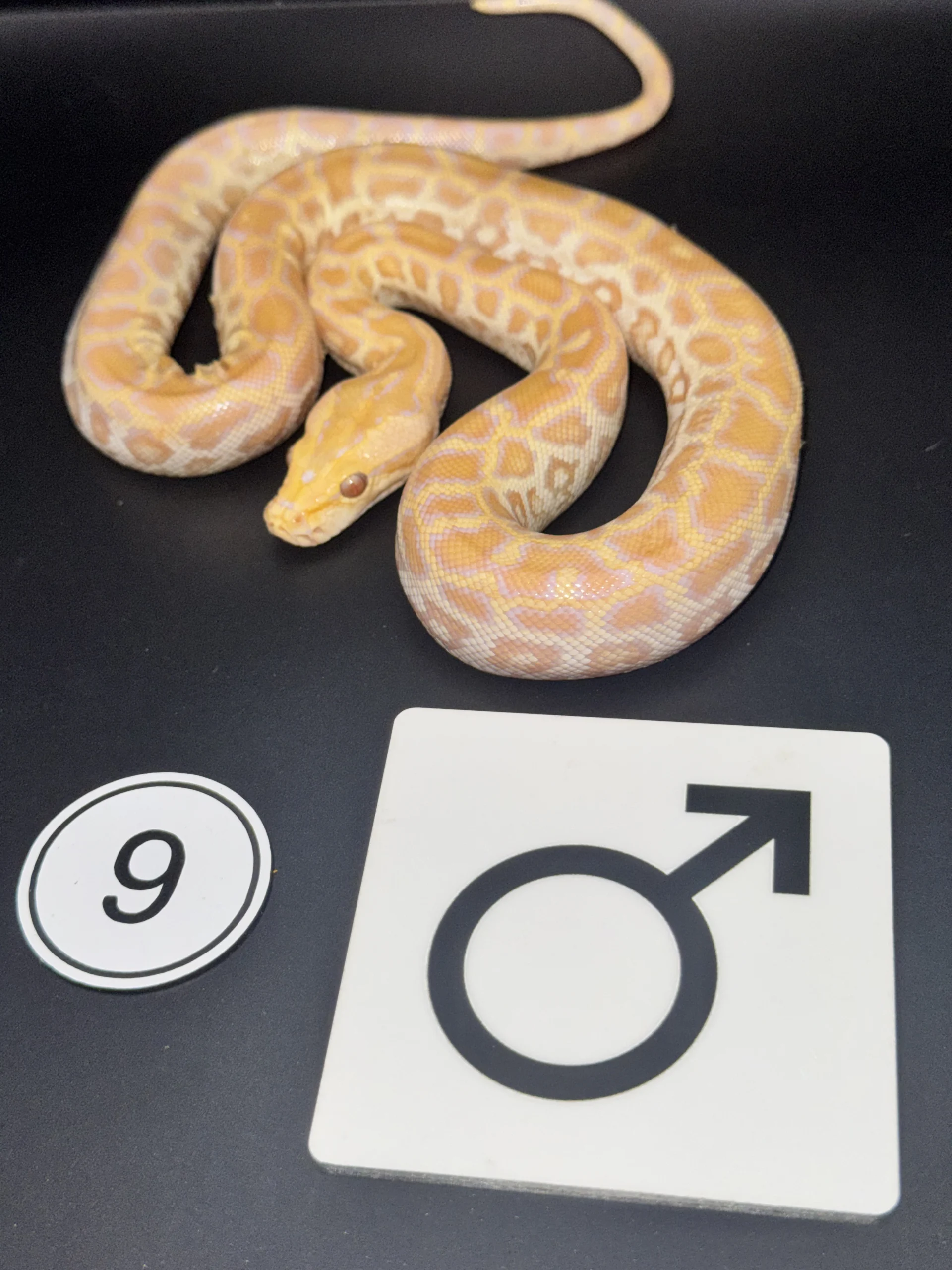
Breeding animal
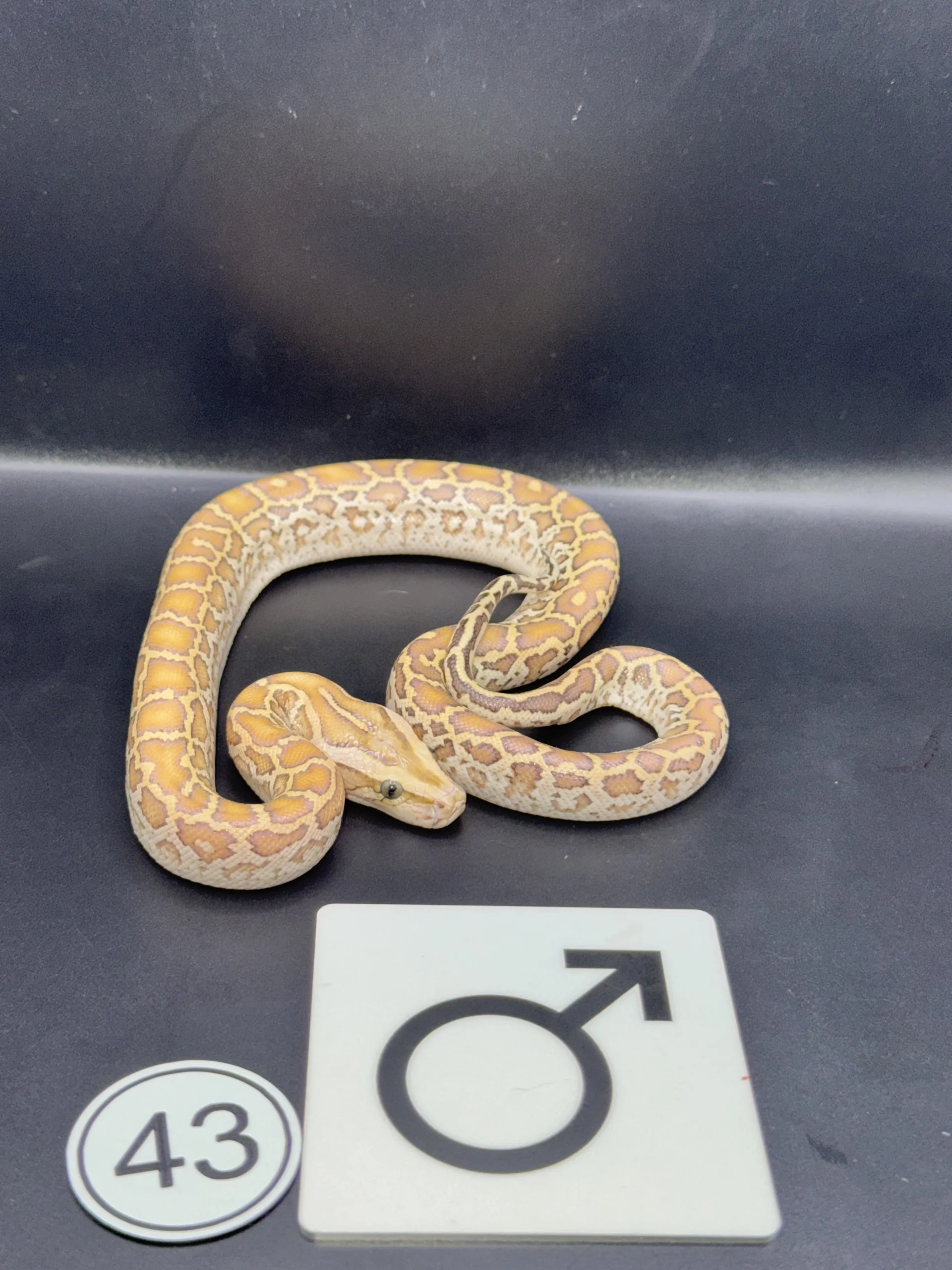
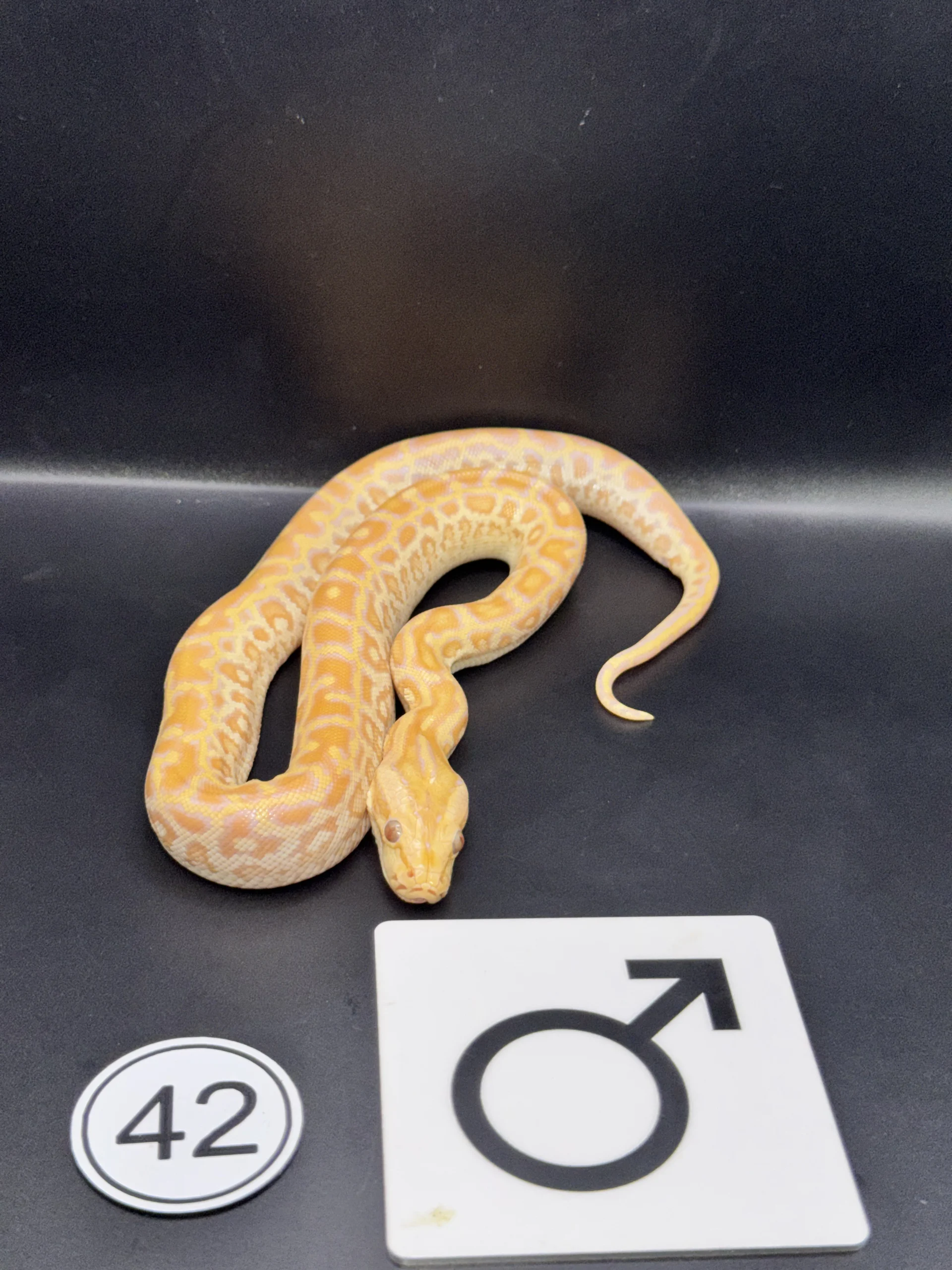
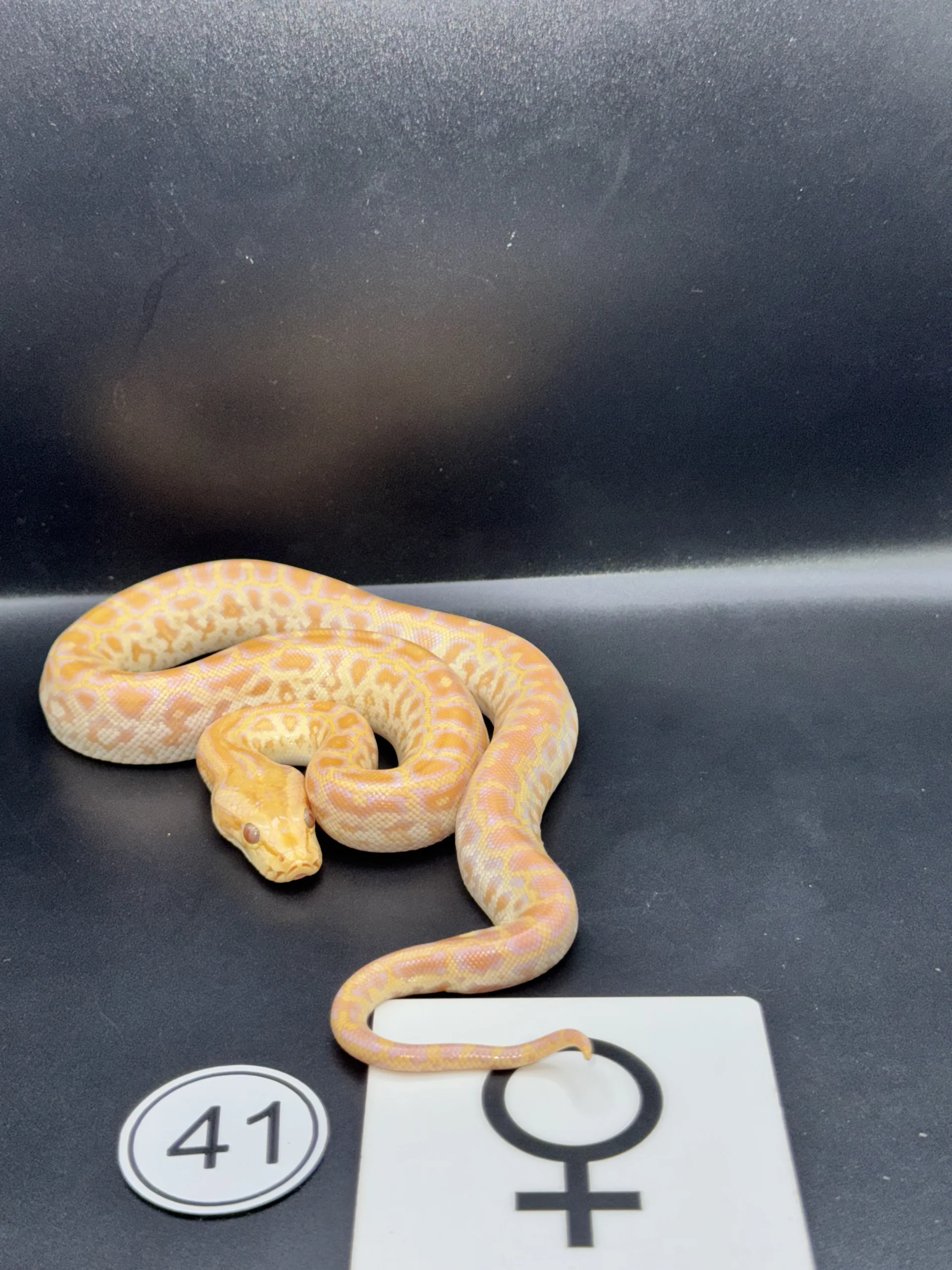
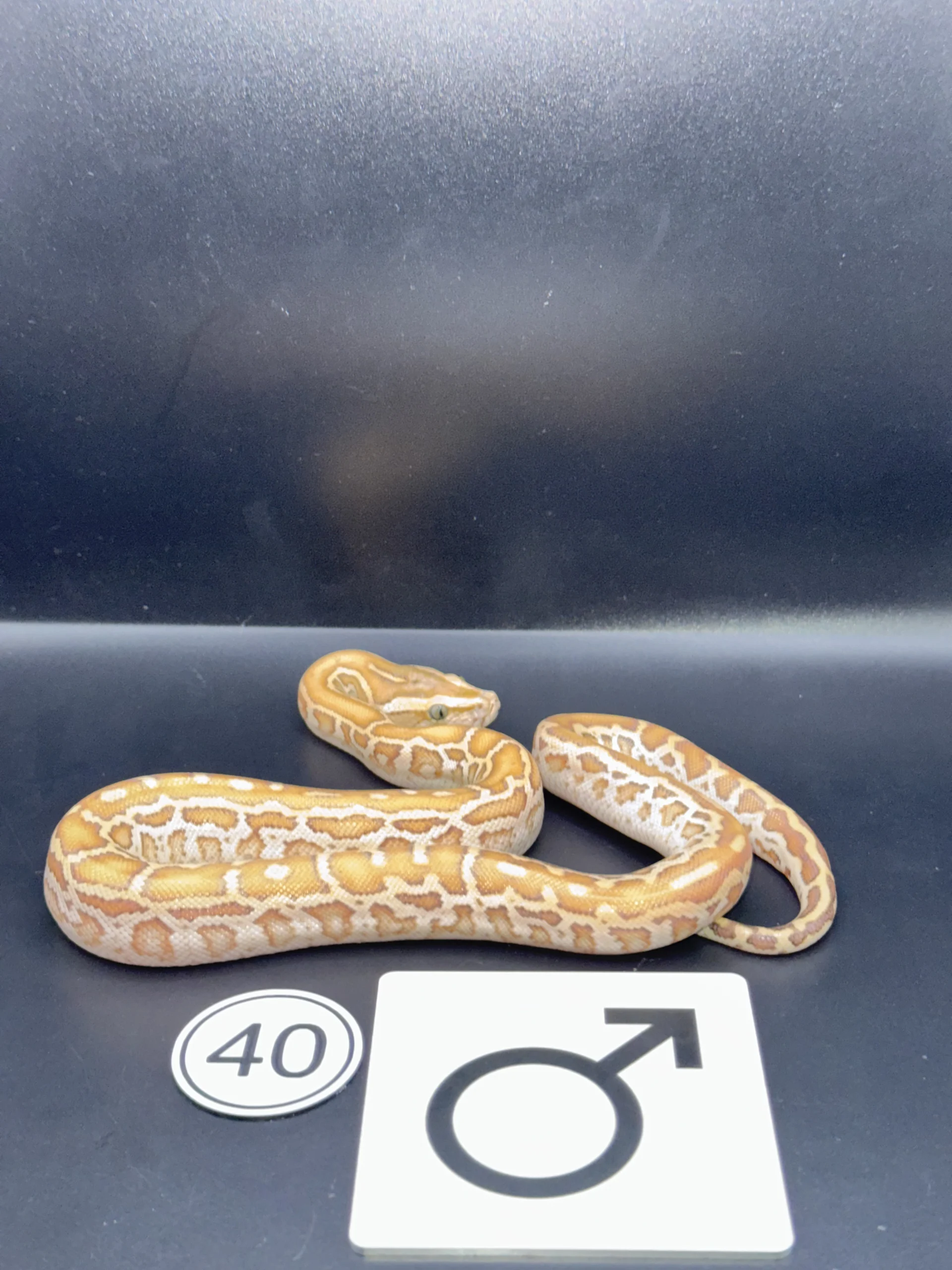
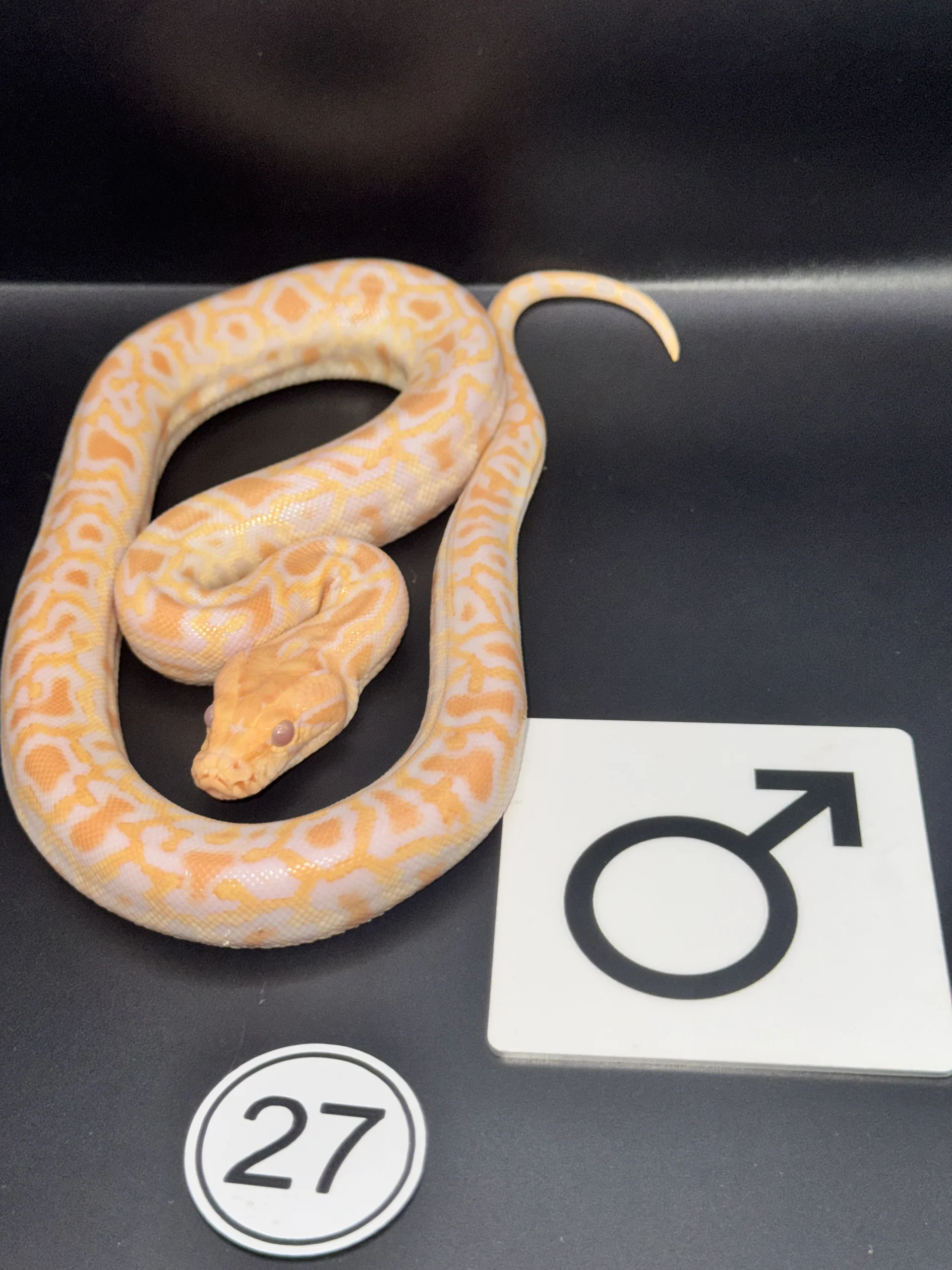
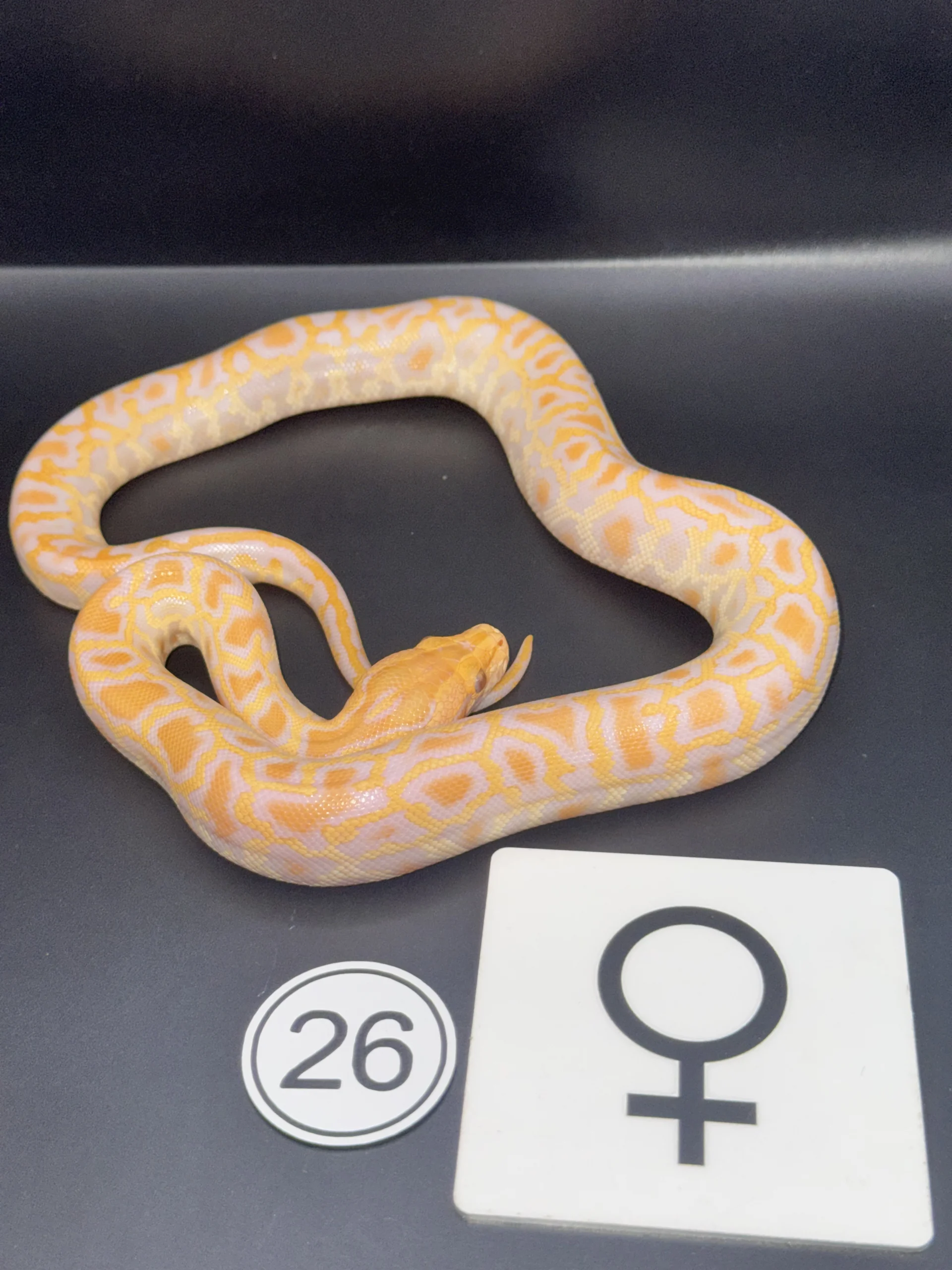
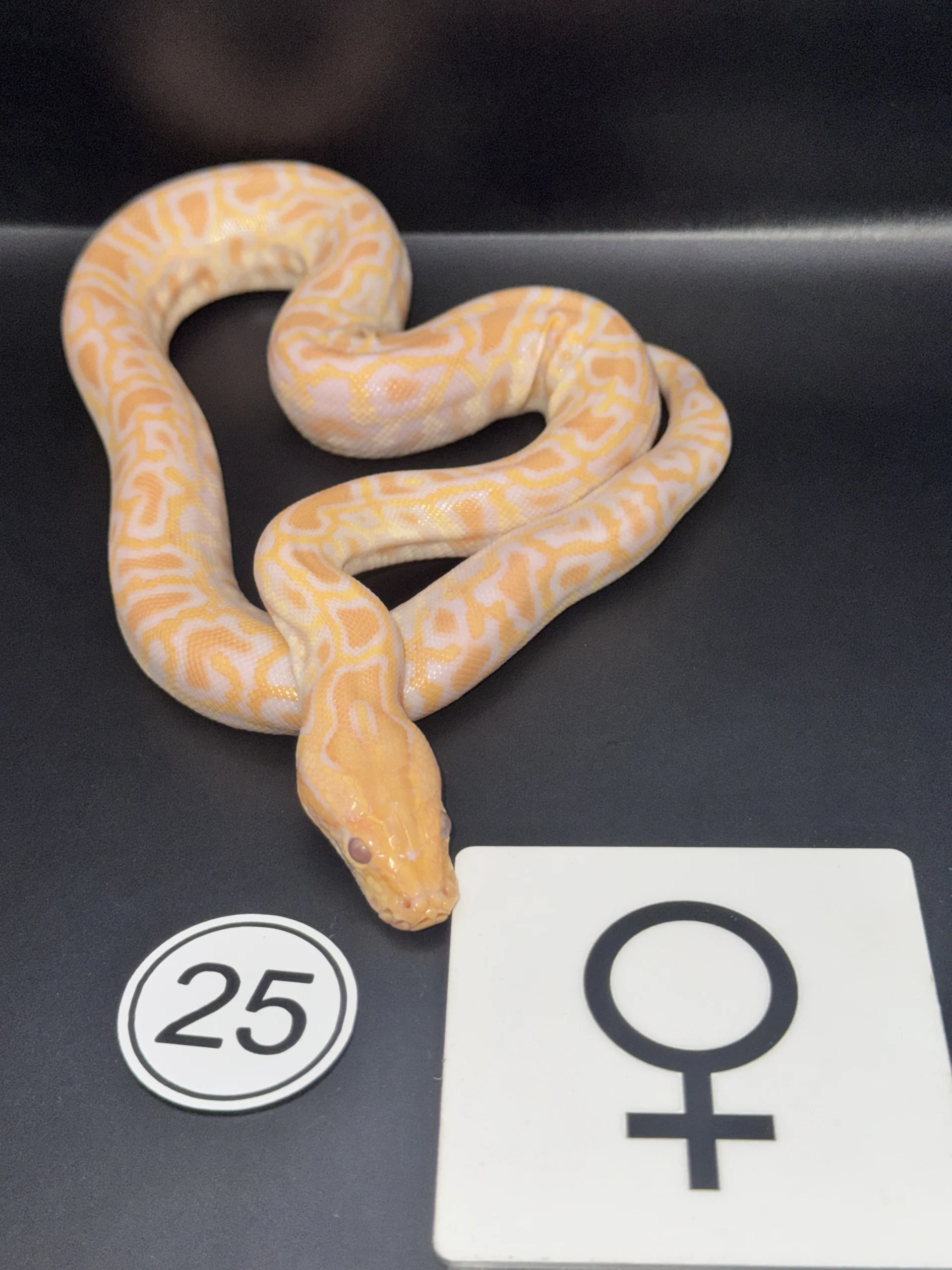
A very large and powerful constrictor native to the tropical and subtropical regions of Southeast Asia.

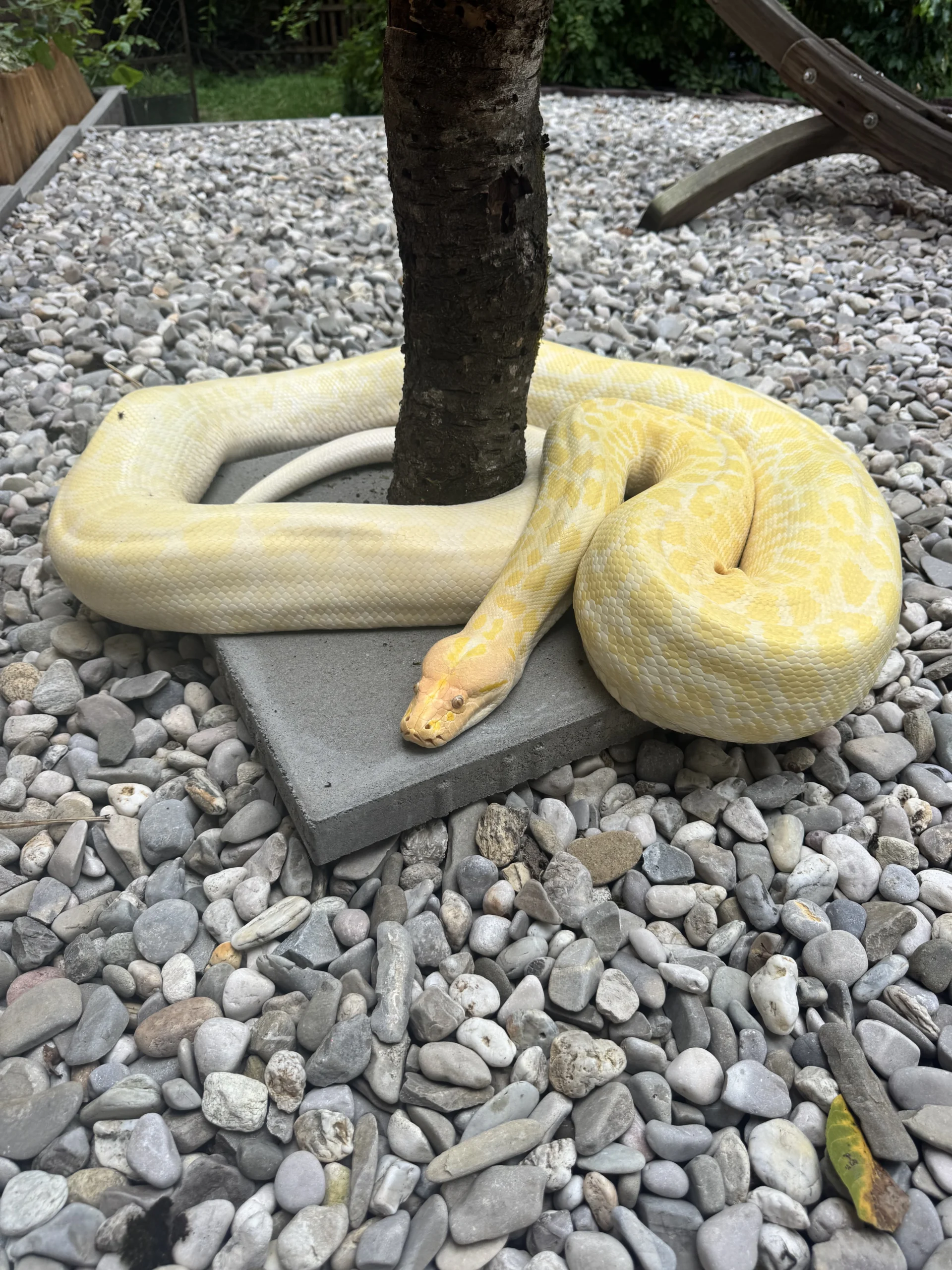
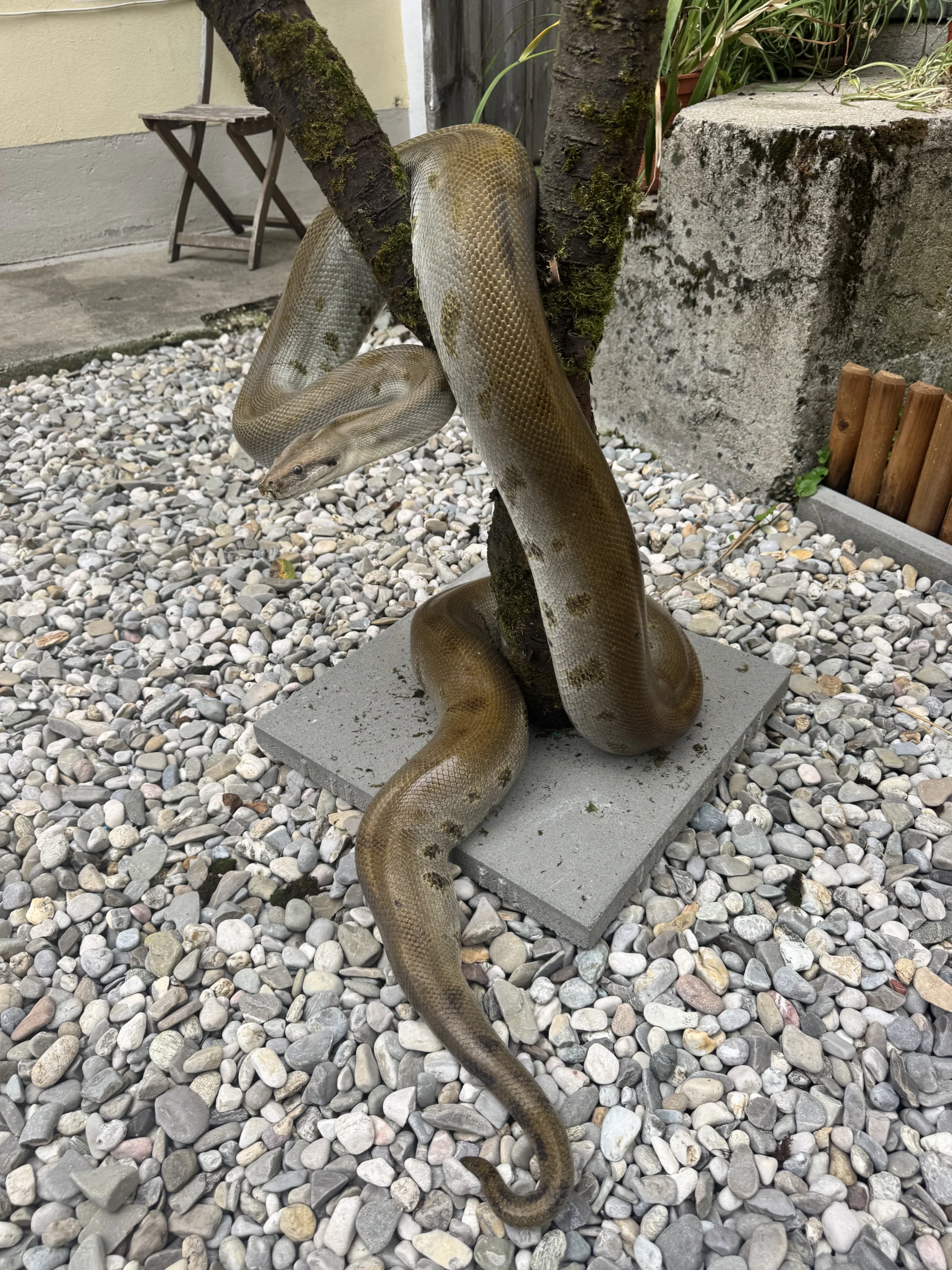
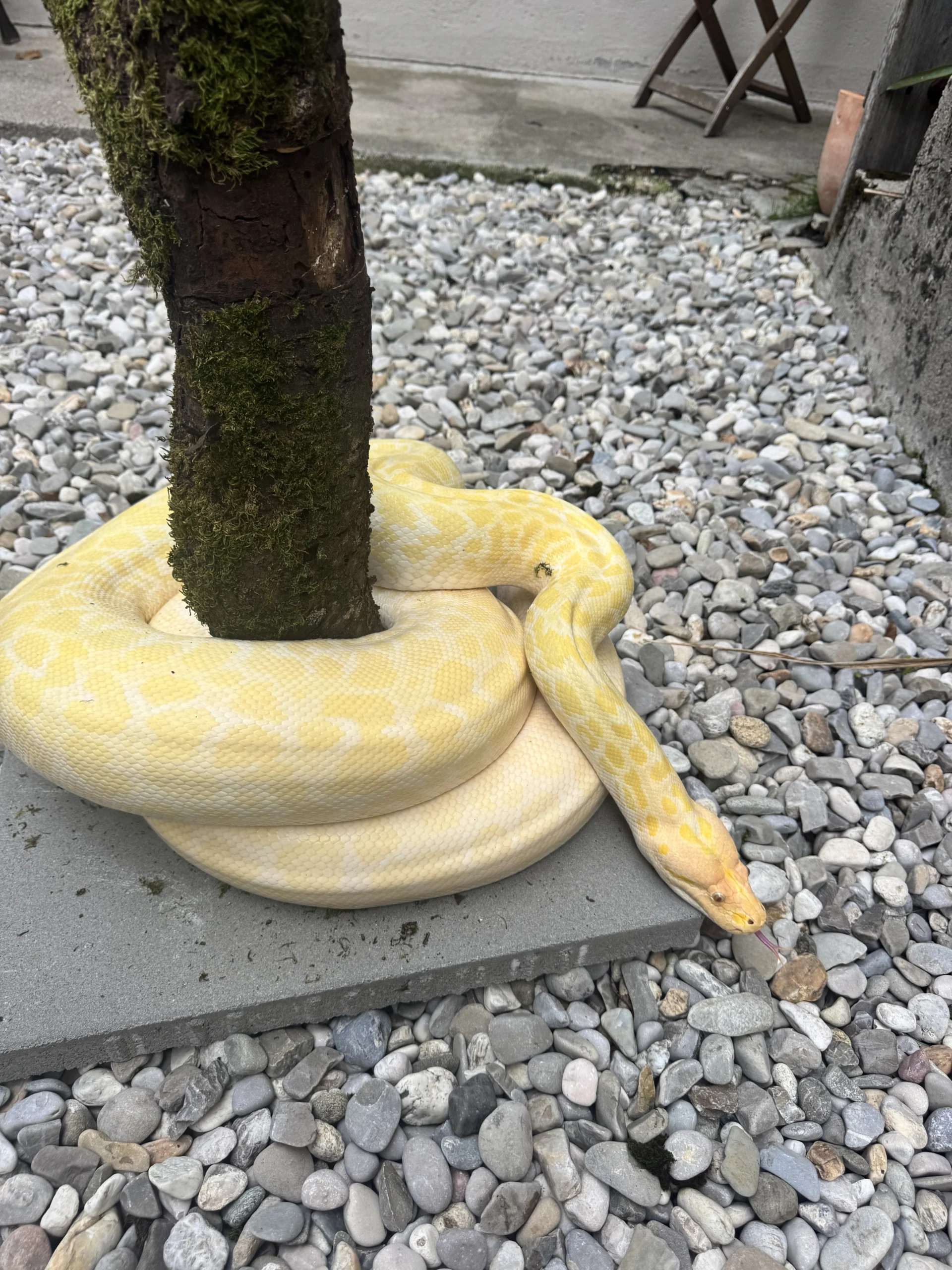
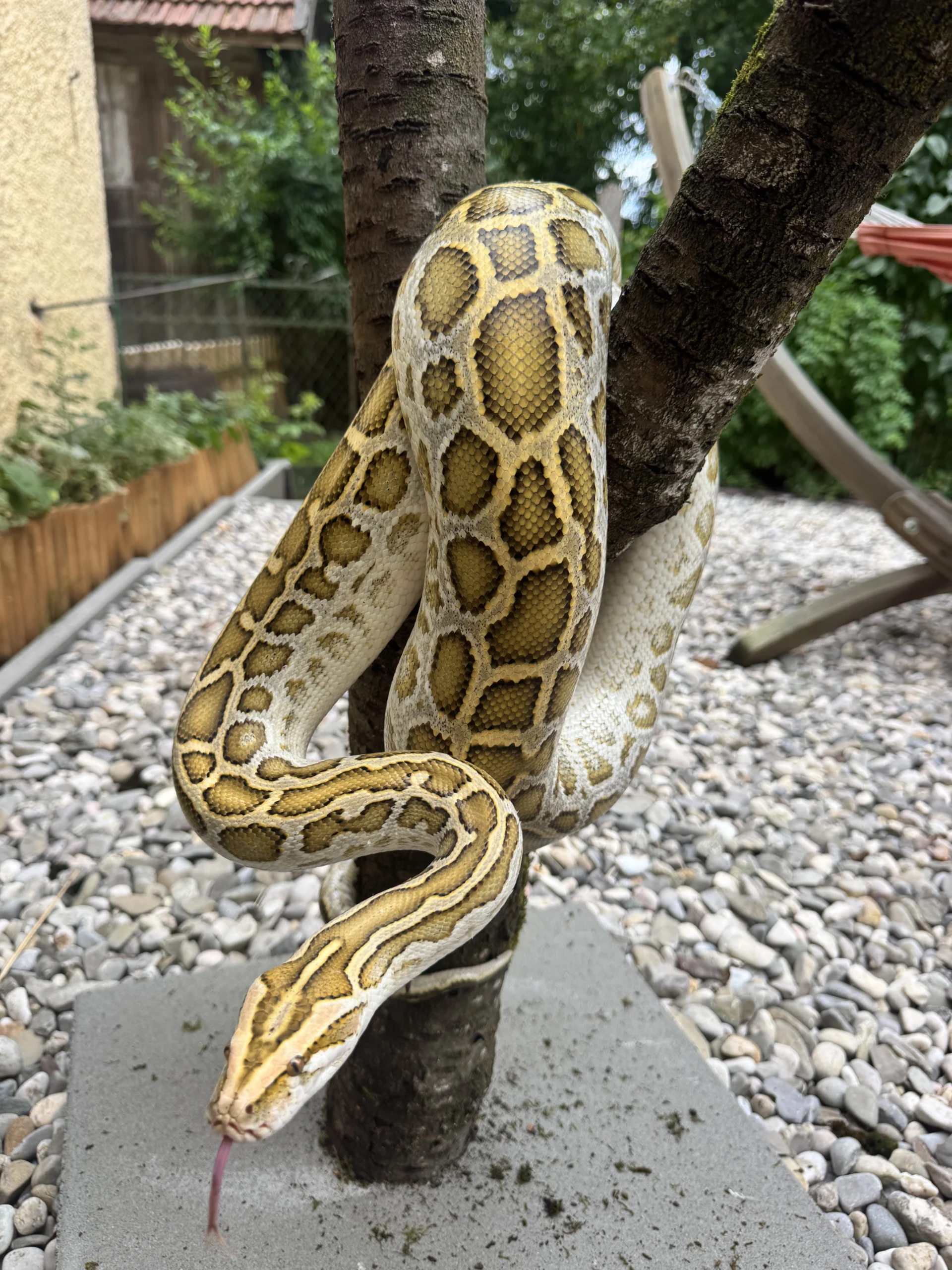
Native to large parts of mainland Southeast Asia, including Myanmar, Thailand, Laos, Cambodia and Vietnam. The species uses woodland, grassland, wetlands and areas close to rivers and lakes.
Burmese pythons need a very spacious, solidly built and secure enclosure with a clear temperature gradient, dry resting areas, a slightly more humid retreat and a large water area. Everything inside the enclosure needs to be strong enough for a large, powerful snake.
General guide: around 27–30 °C through the warm part of the enclosure during the day, with a local hot spot of roughly 31–33 °C and a moderate drop at night. Humidity should be kept at a sensible middle level, with extra humidity available during shedding. A large water area and a proper temperature gradient are essential.
Adults need a very large enclosure matched to the actual size and movement needs of the individual animal. For very large specimens, a room-style setup with strong resting platforms and a generous water area is often the most practical long-term solution.
In the wild: In the wild, mainly mammals and birds; larger animals can take other vertebrate prey.
In human care: In human care, mainly appropriately sized, hygienic whole prey such as rats and, for large animals, rabbits. Prey size and interval should match age, size and body condition.
Conservation status: CITES Appendix II (Python bivittatus). Cross-border sales may require proof of legal origin, permits or other CITES paperwork depending on the country and route.
A very large and powerful constrictor. The enclosure, locking system and handling routine must match the size and strength of the animal. Large specimens should never be handled casually or without a proper safety plan.
The husbandry information and space recommendations on this page are general guidance. Legal minimum requirements vary between countries and regions and must always be checked locally. Before buying any animal, please take the time to learn about the species in depth – you are welcome to ask us, and we also recommend good specialist literature. Husbandry should always be adapted to the species, locality, age, size and individual animal.

 Holdback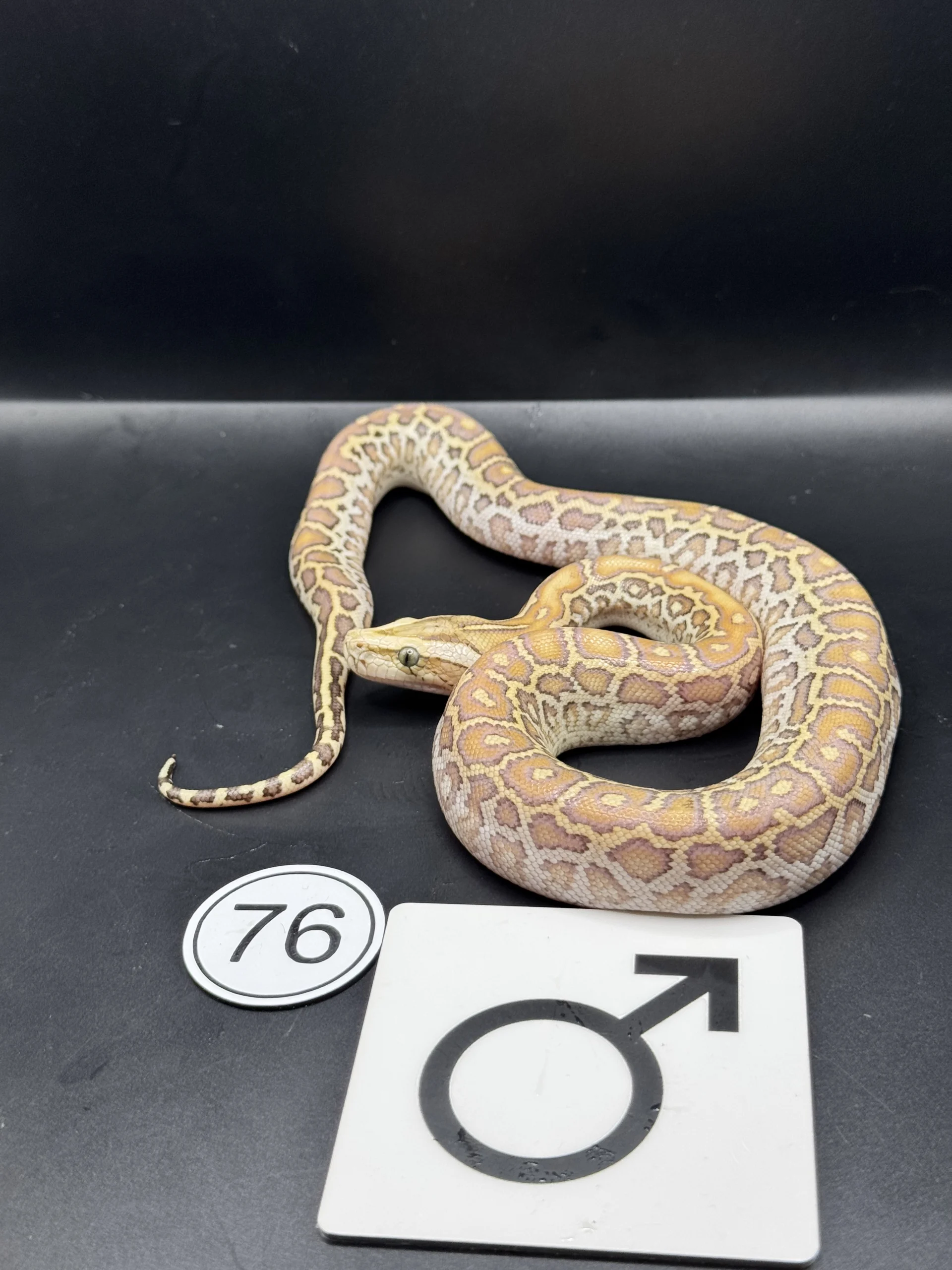
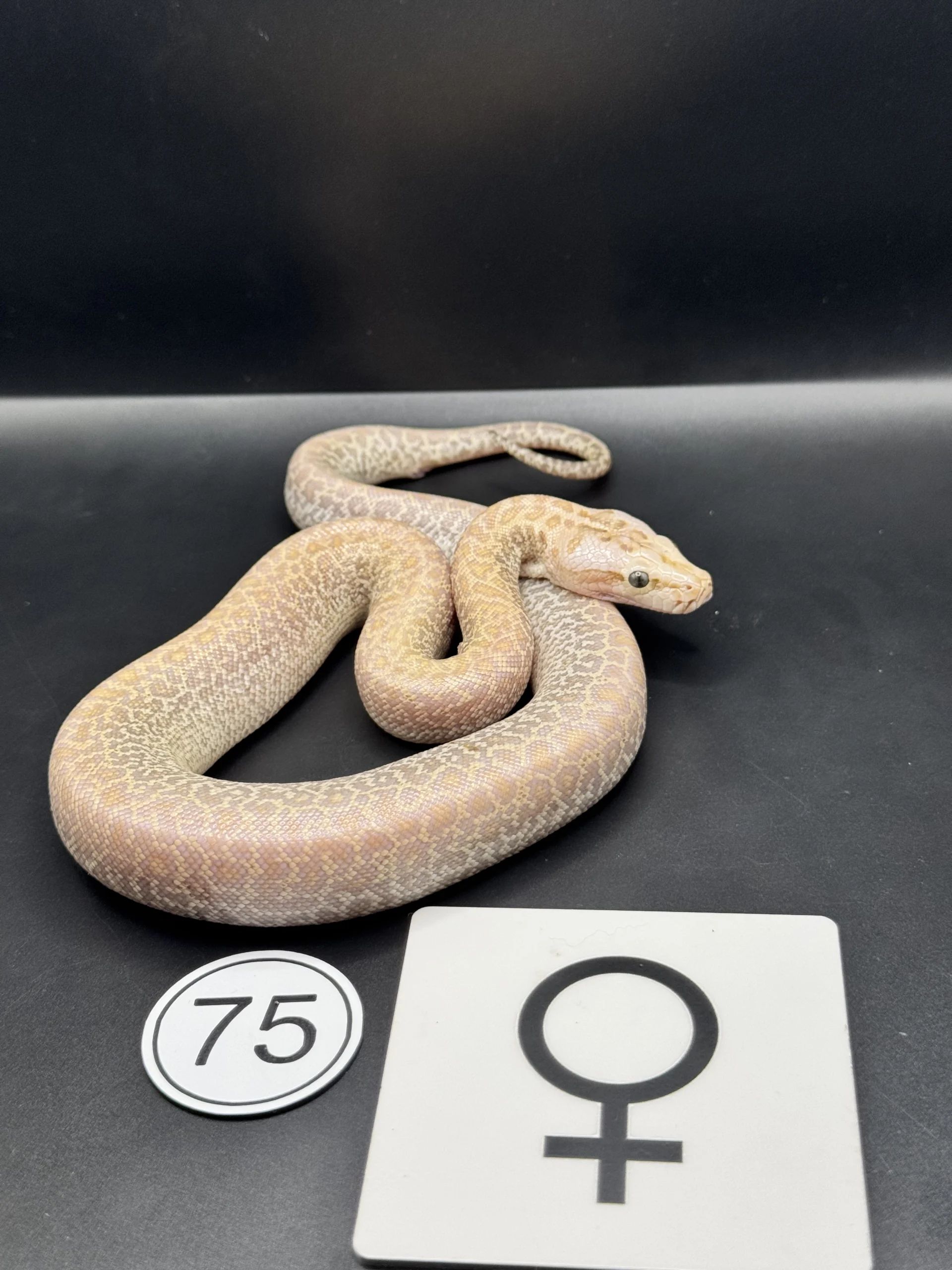
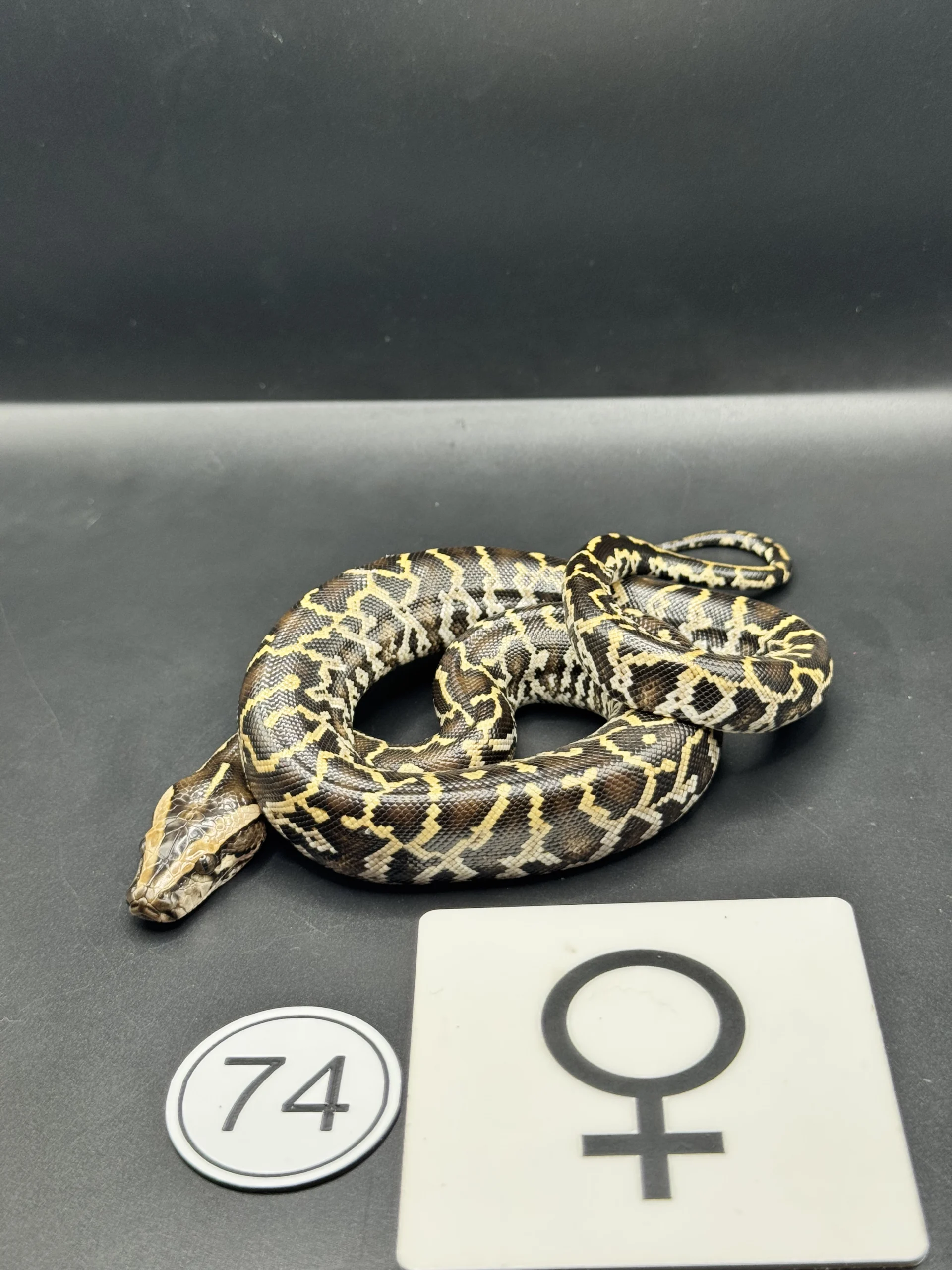
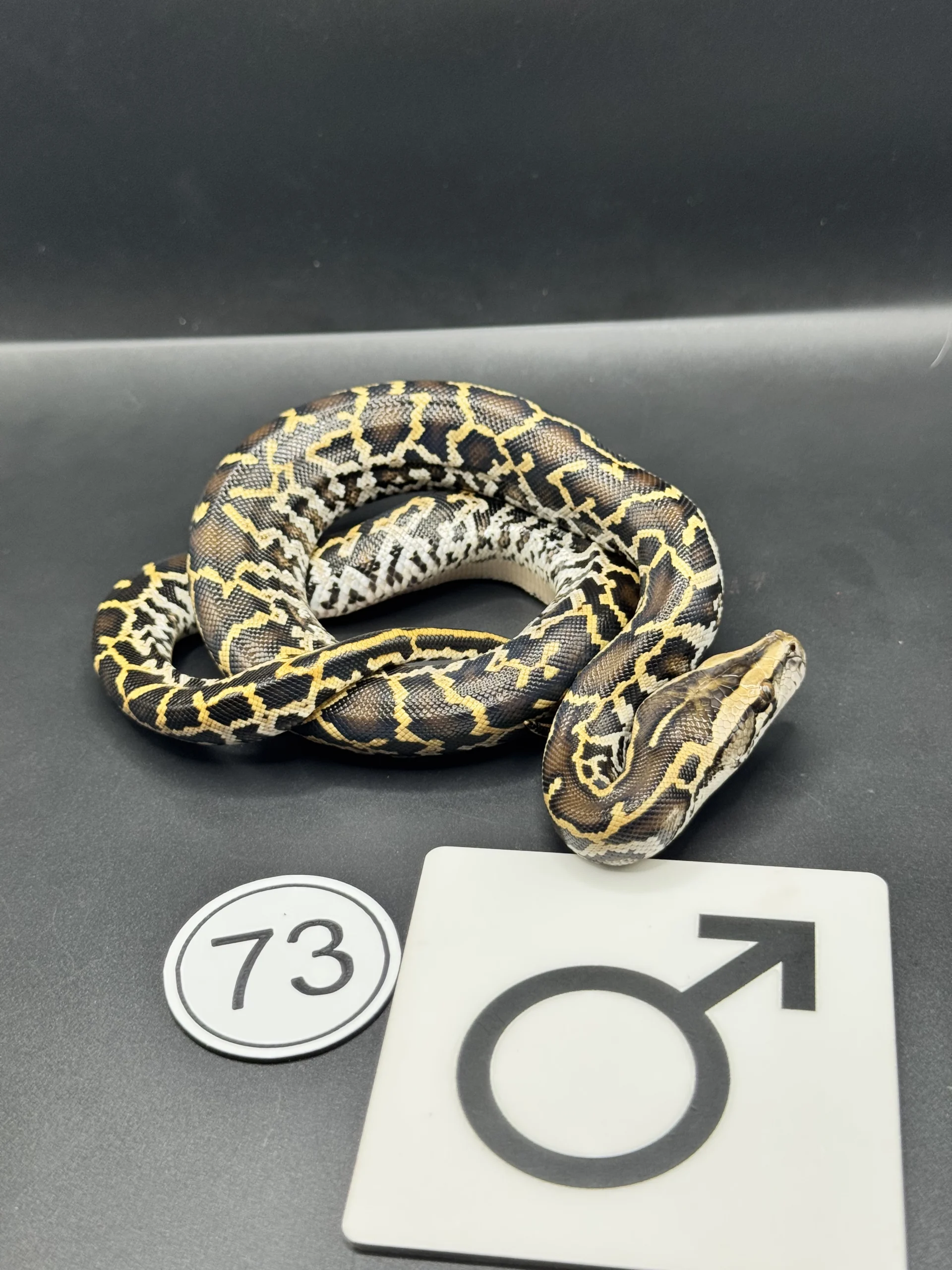
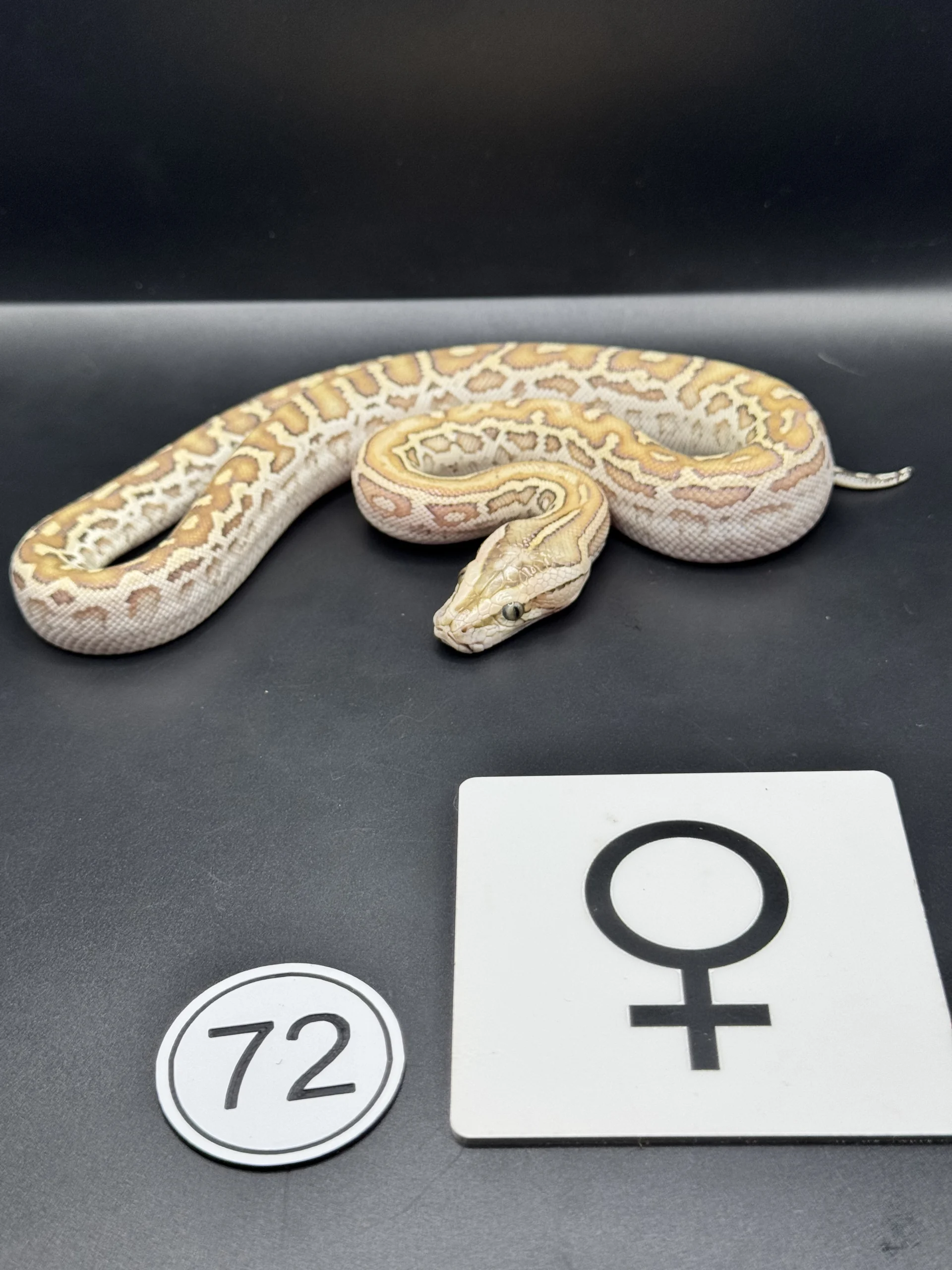
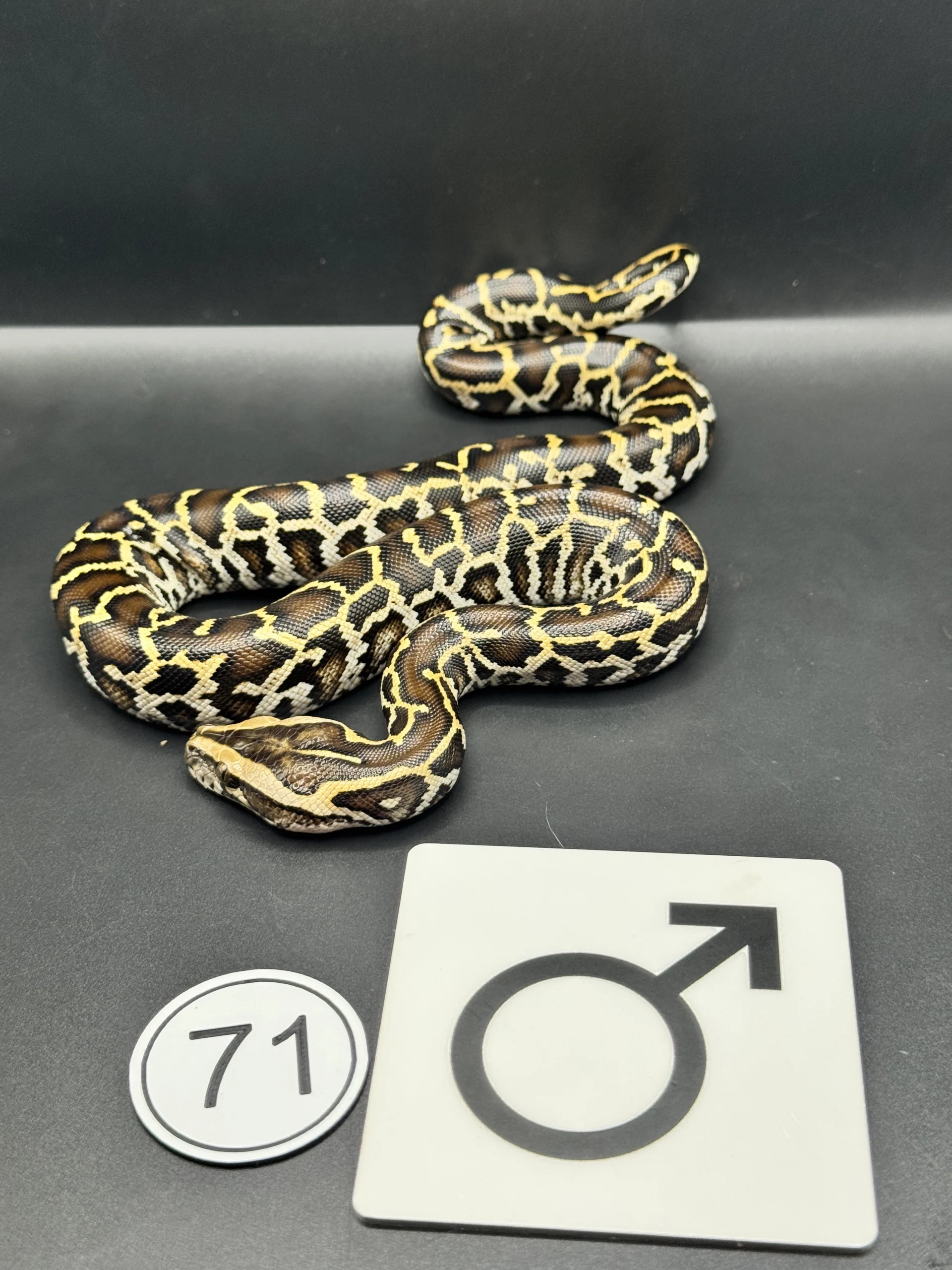
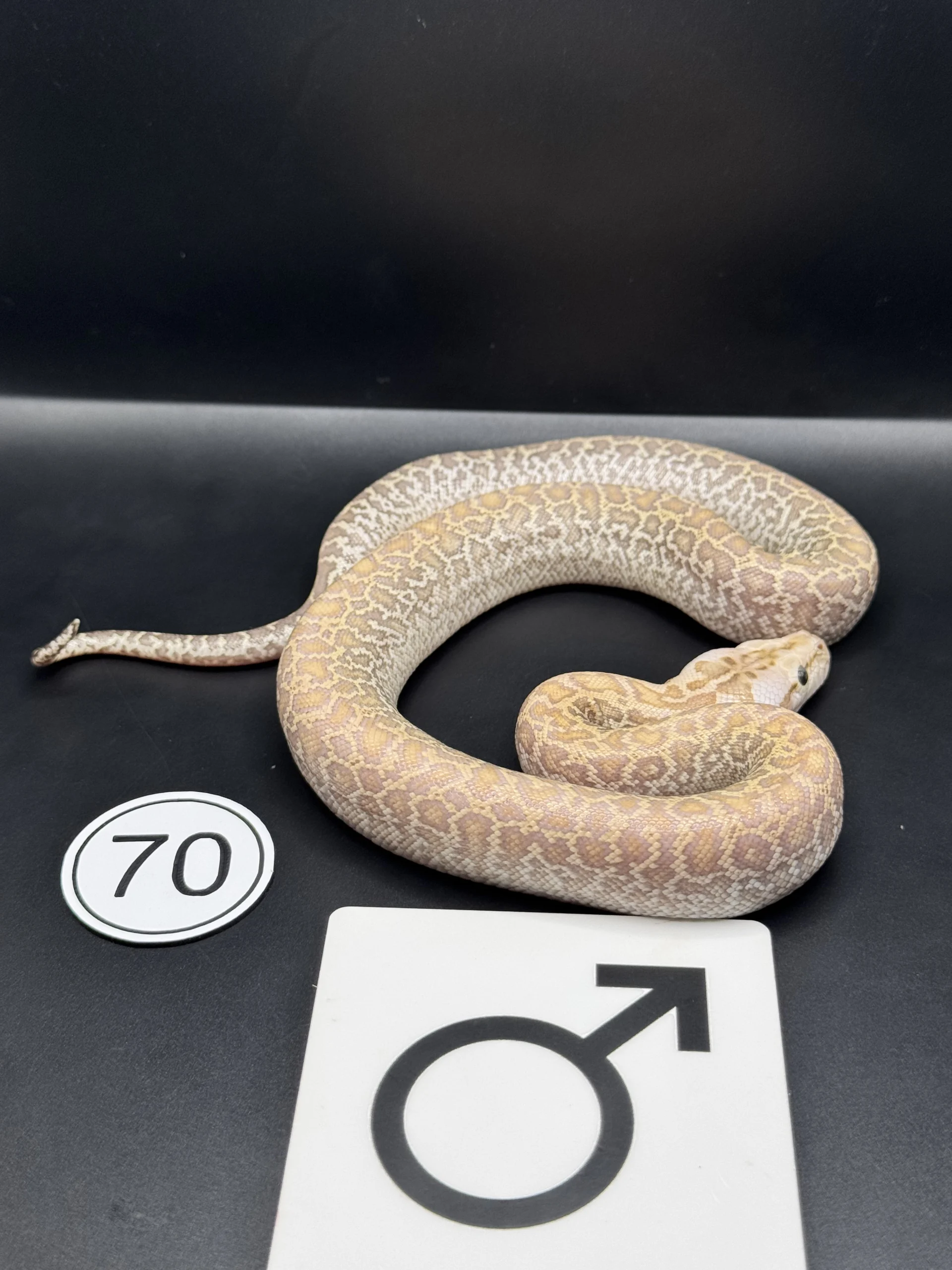
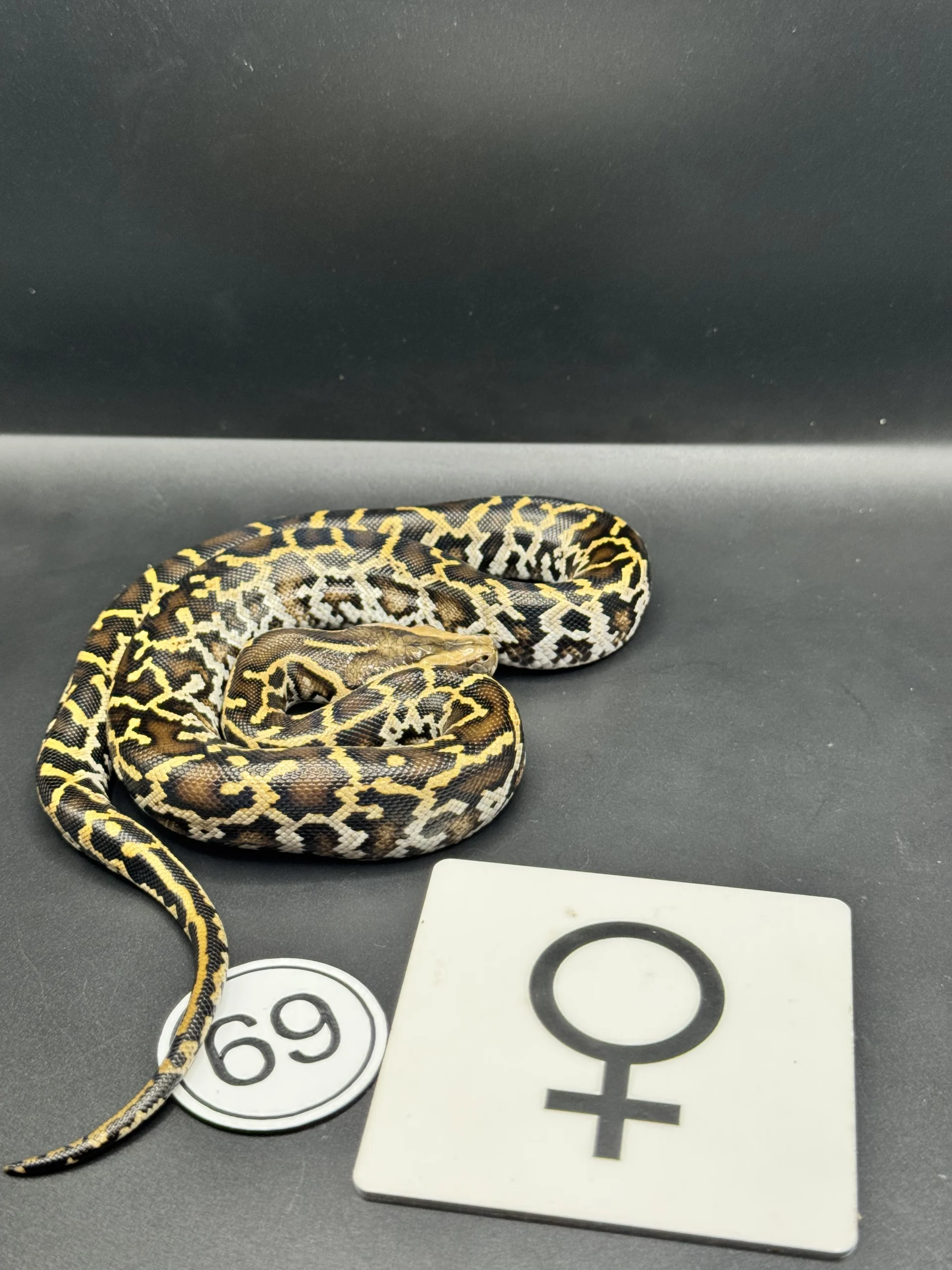
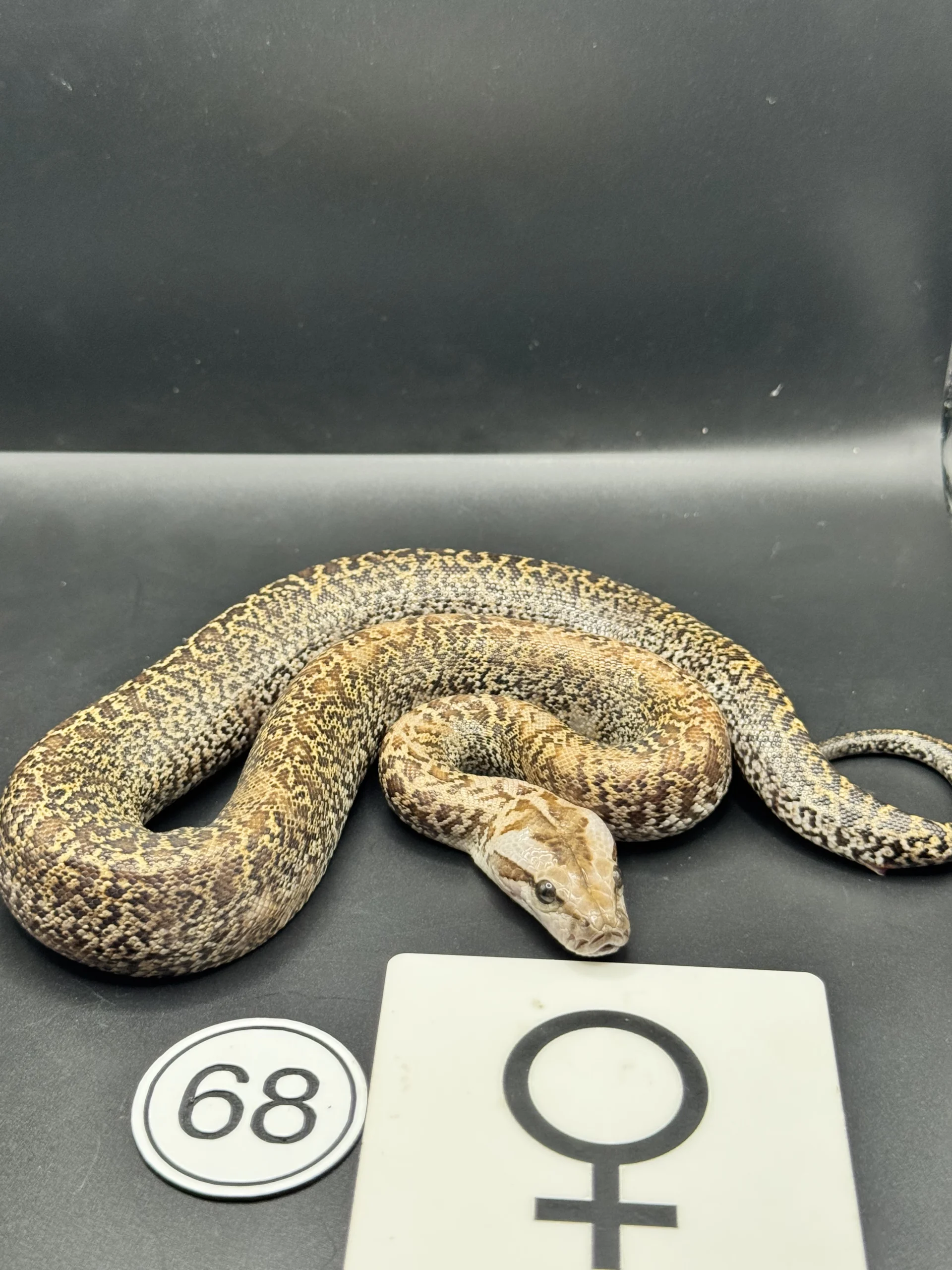 Holdback
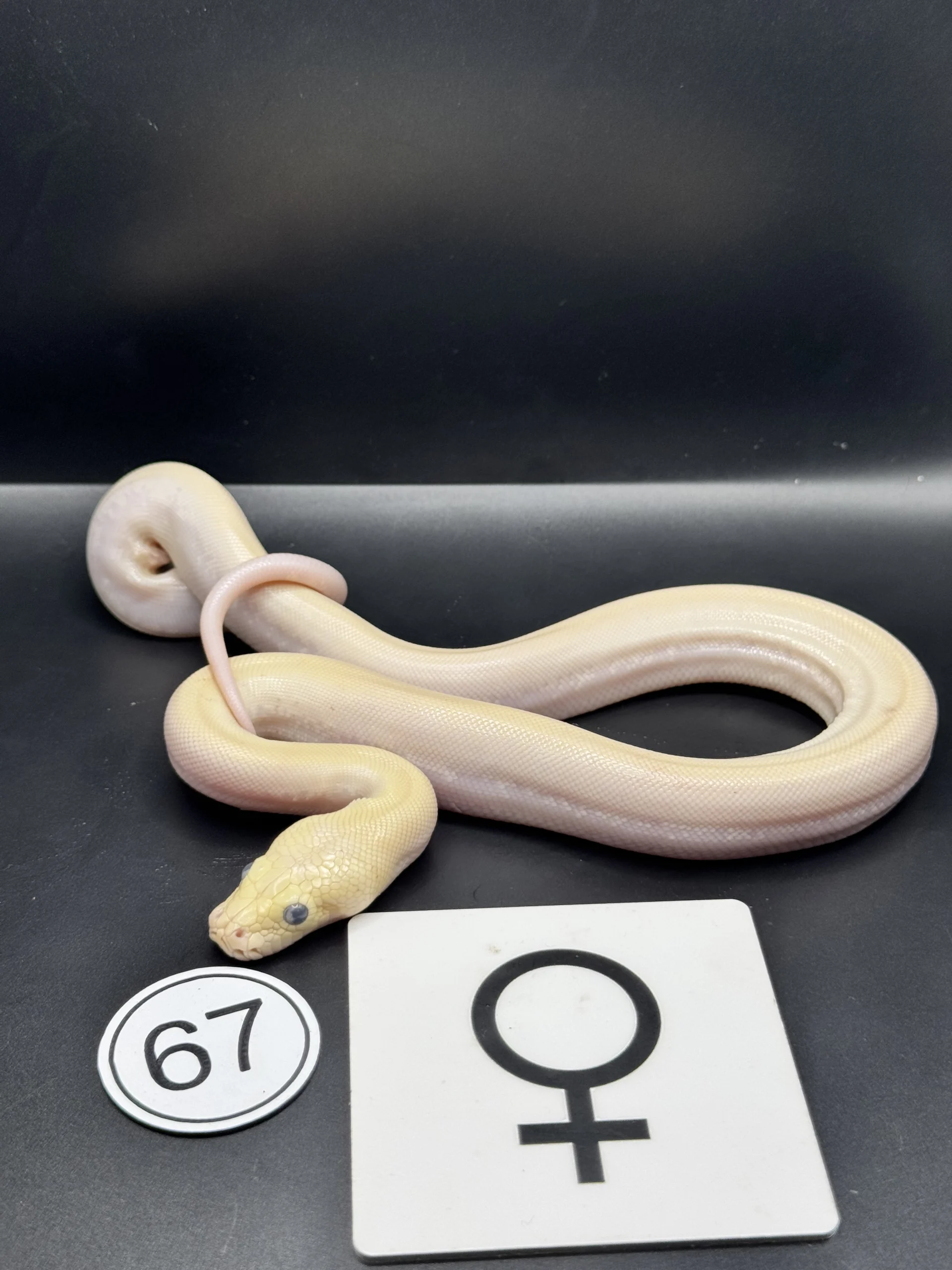 Holdback
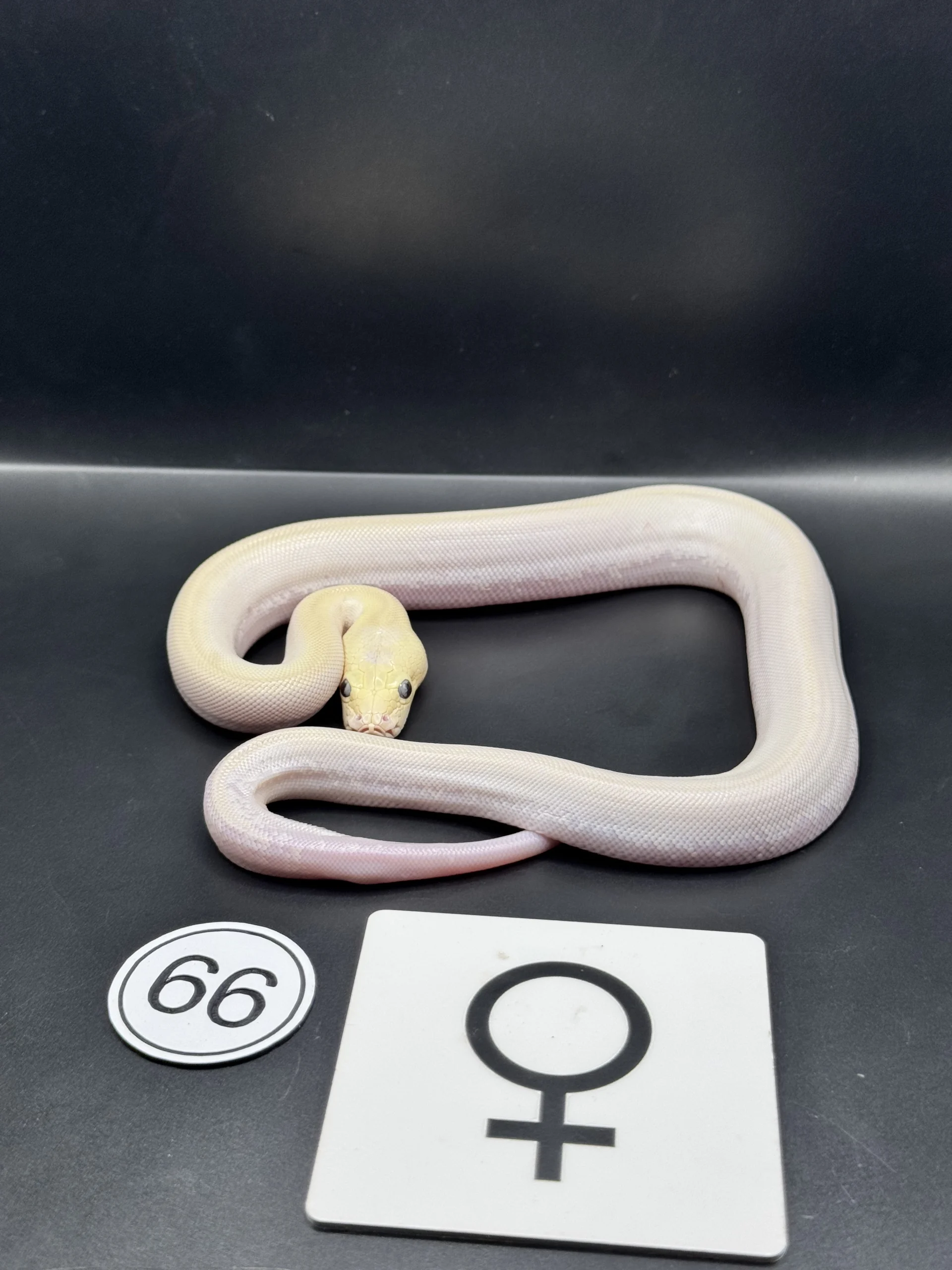 Holdback
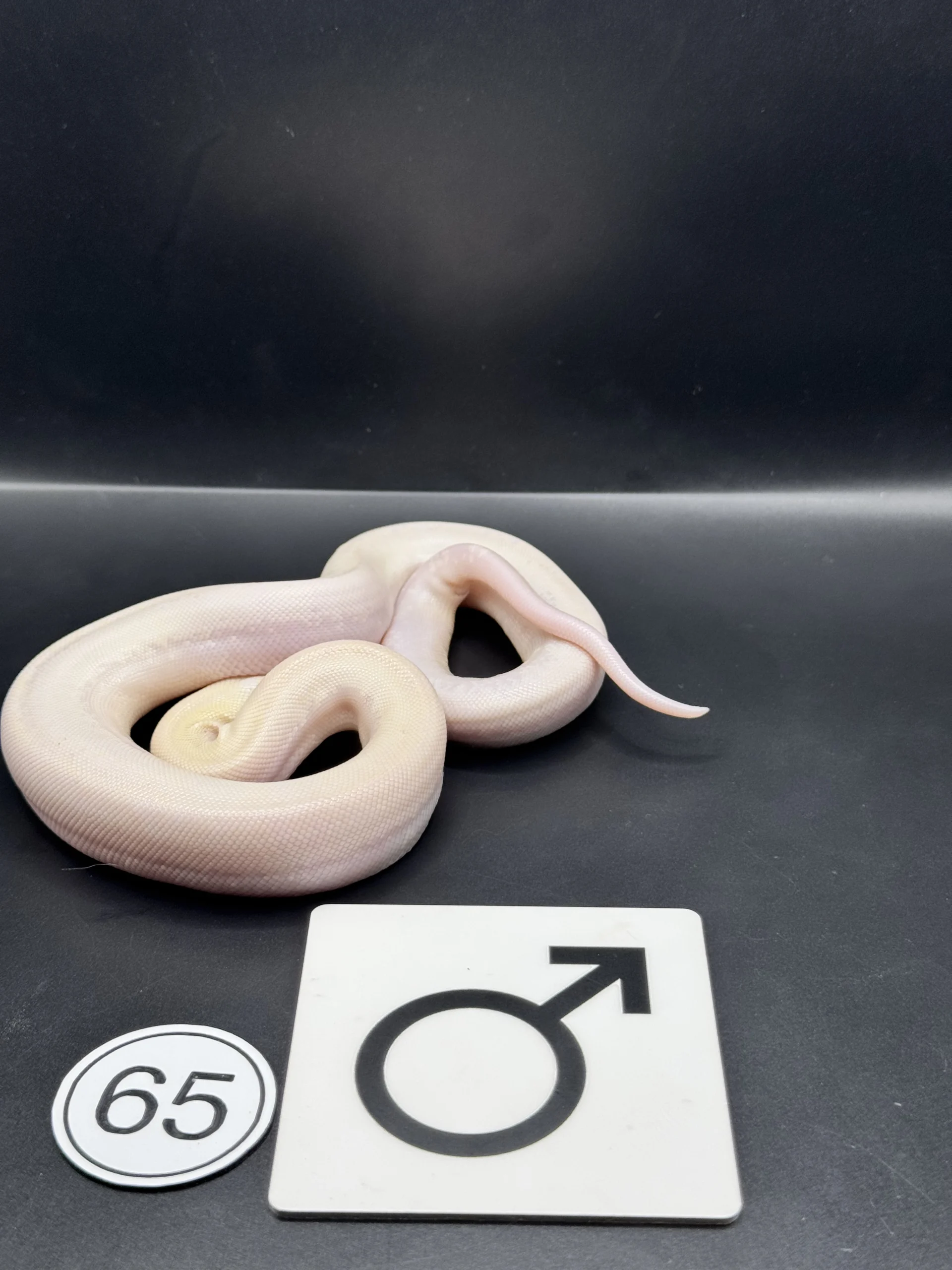 Holdback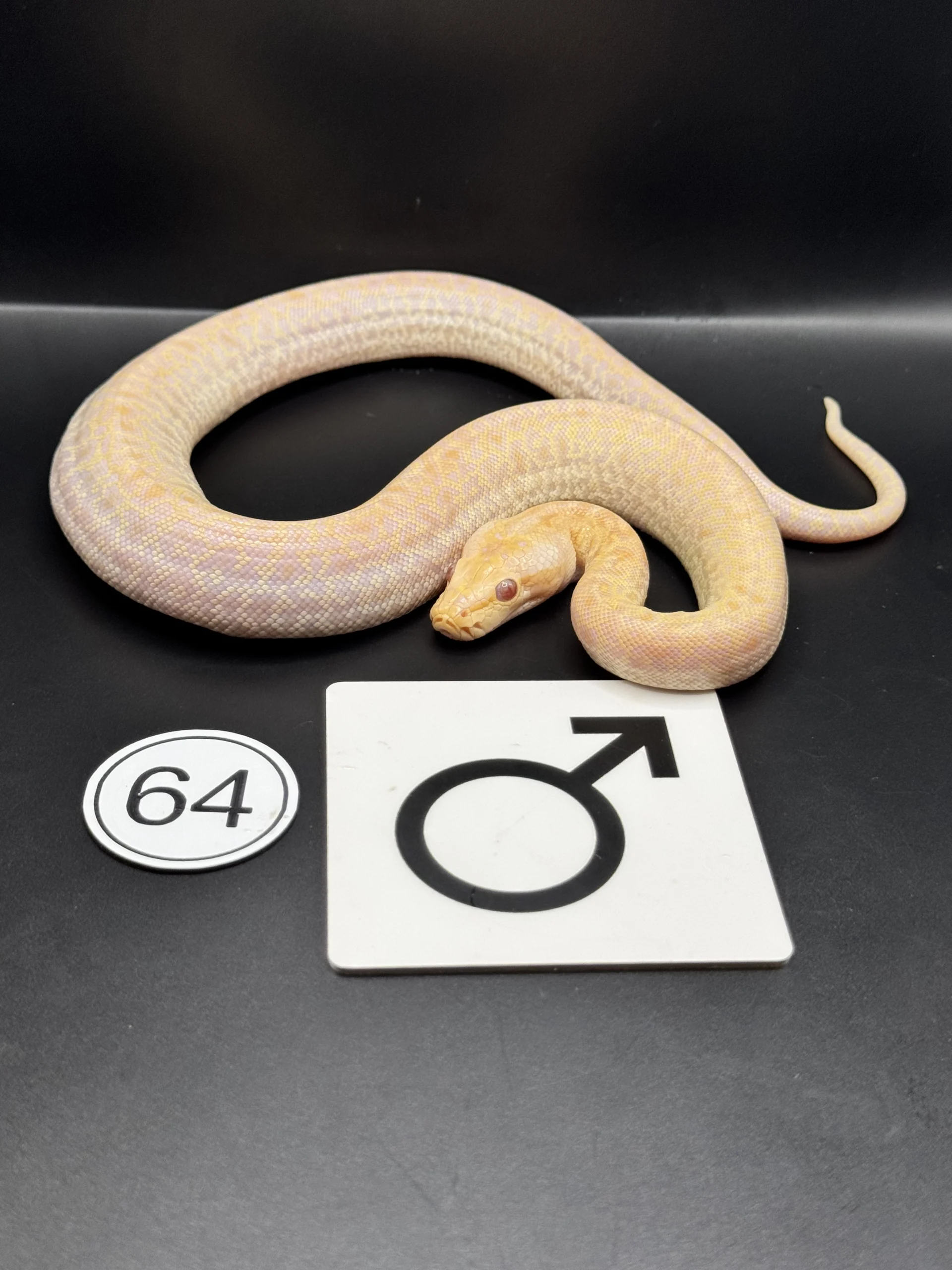
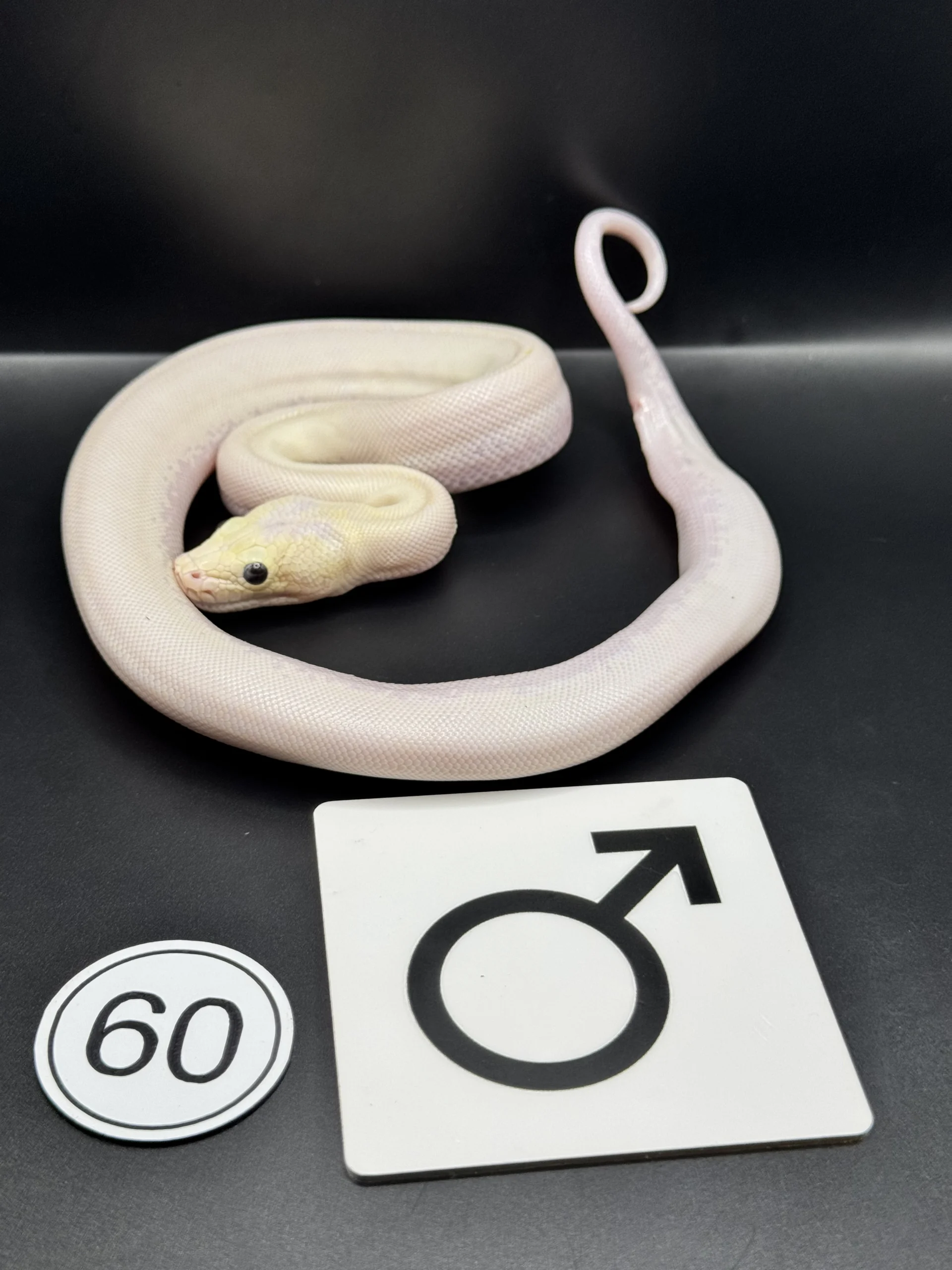
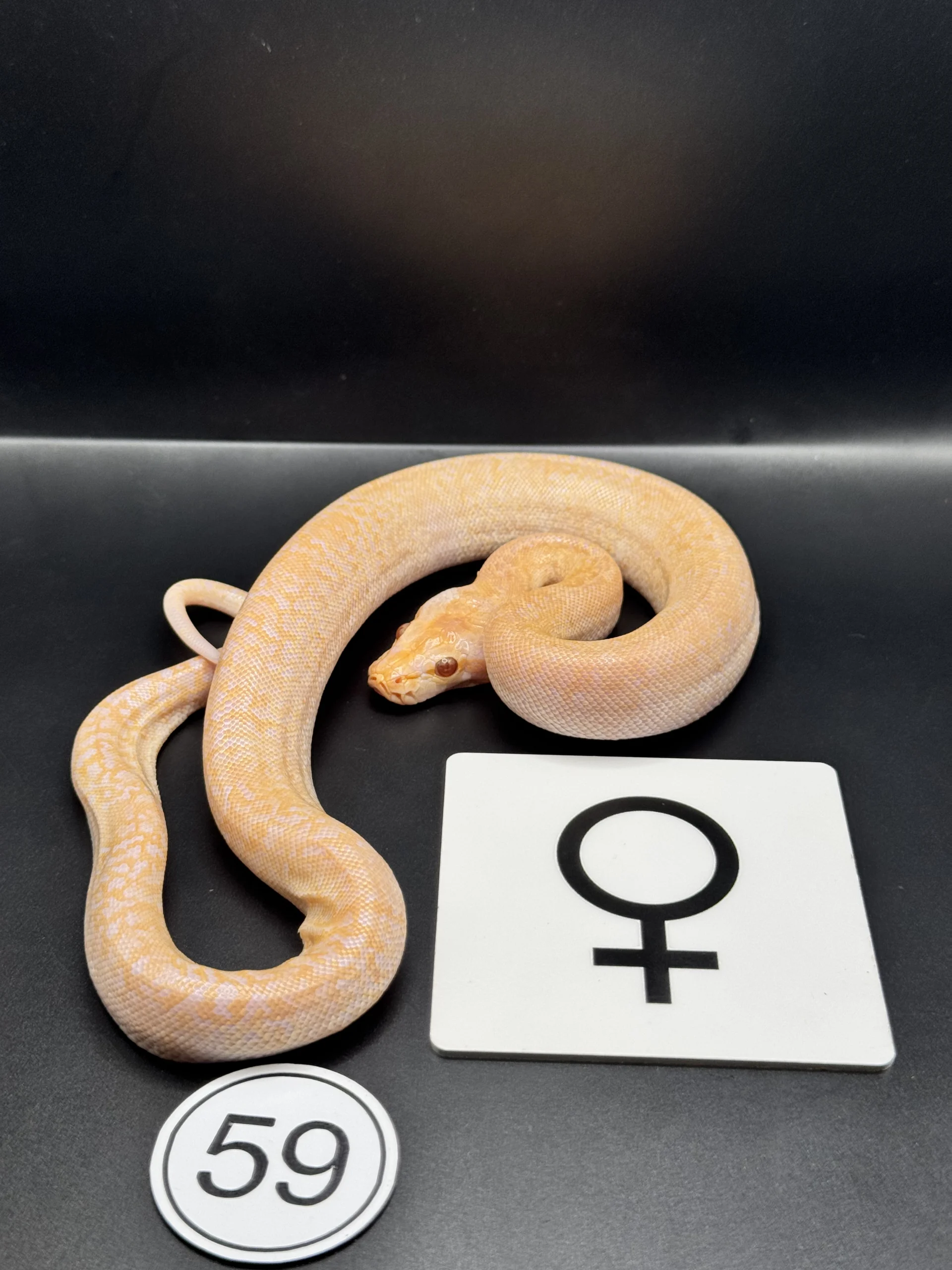
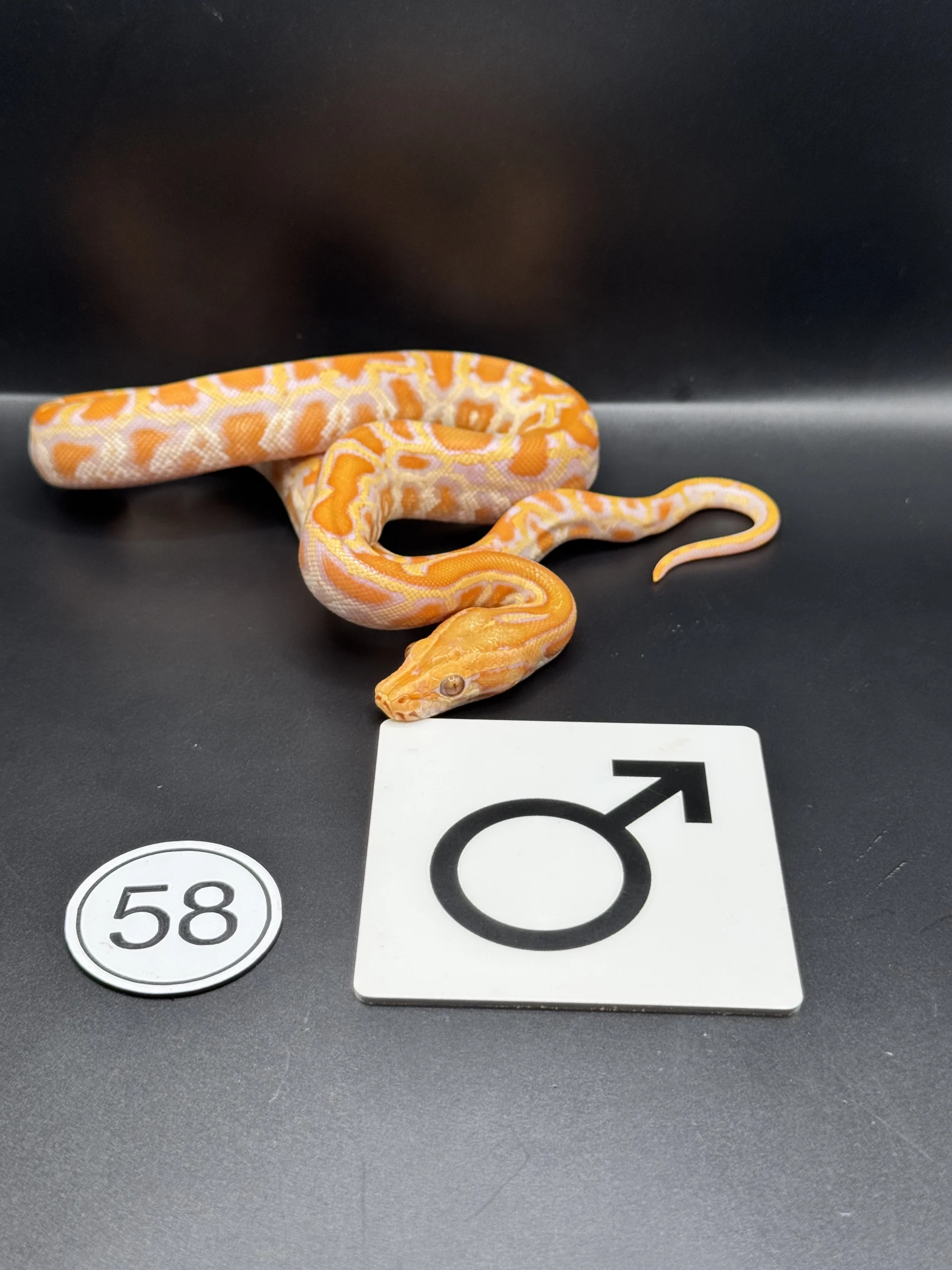
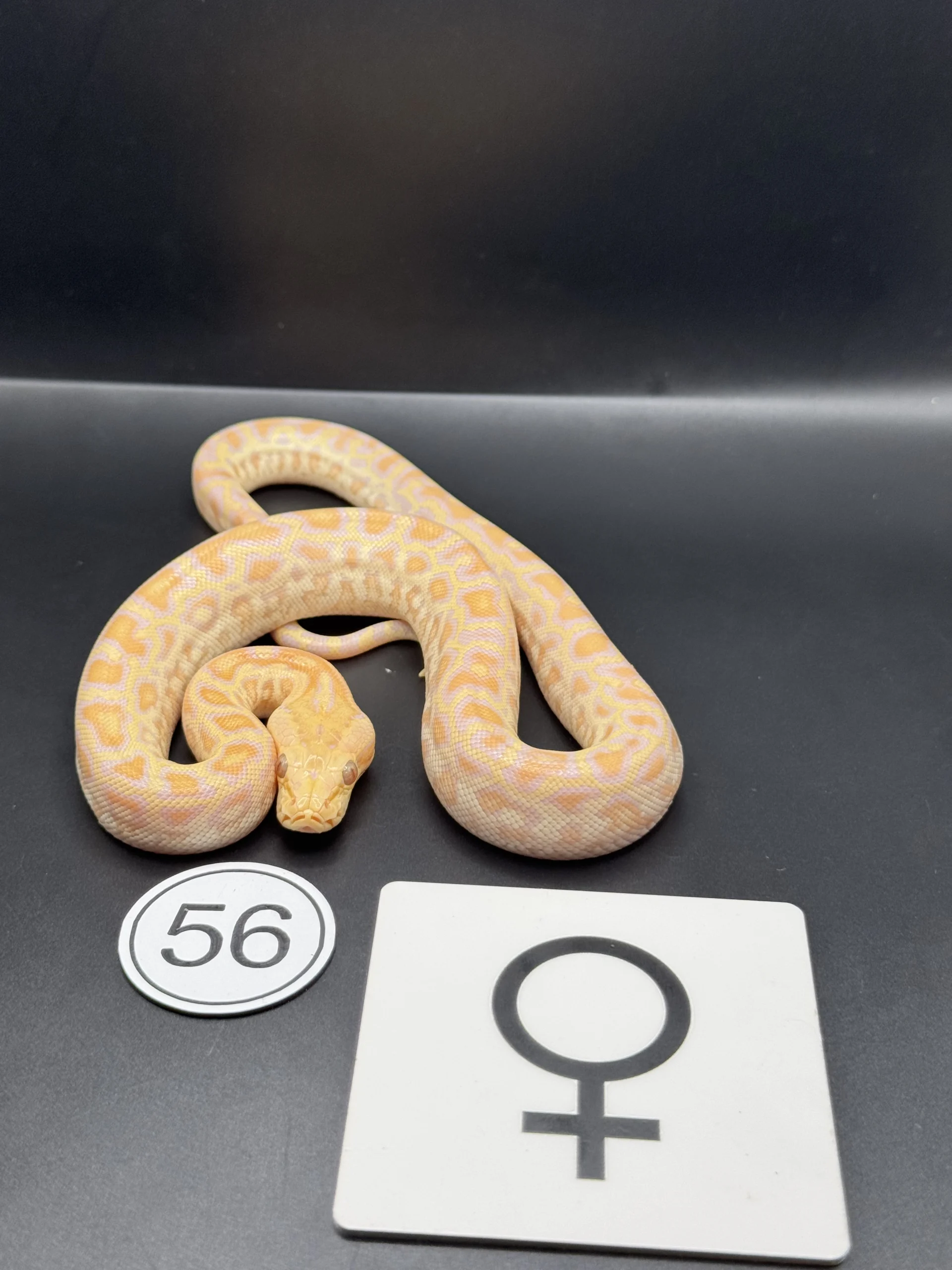
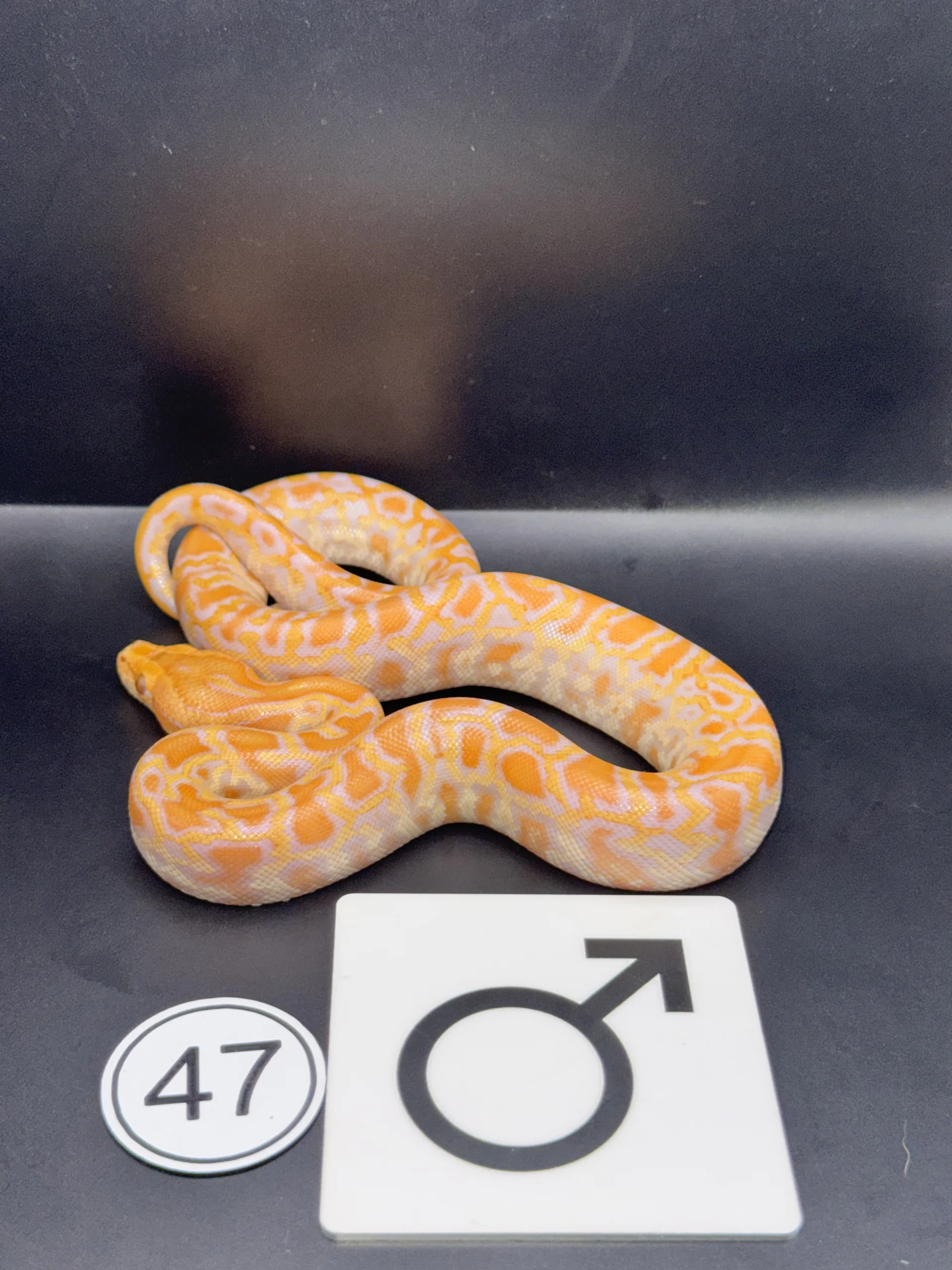
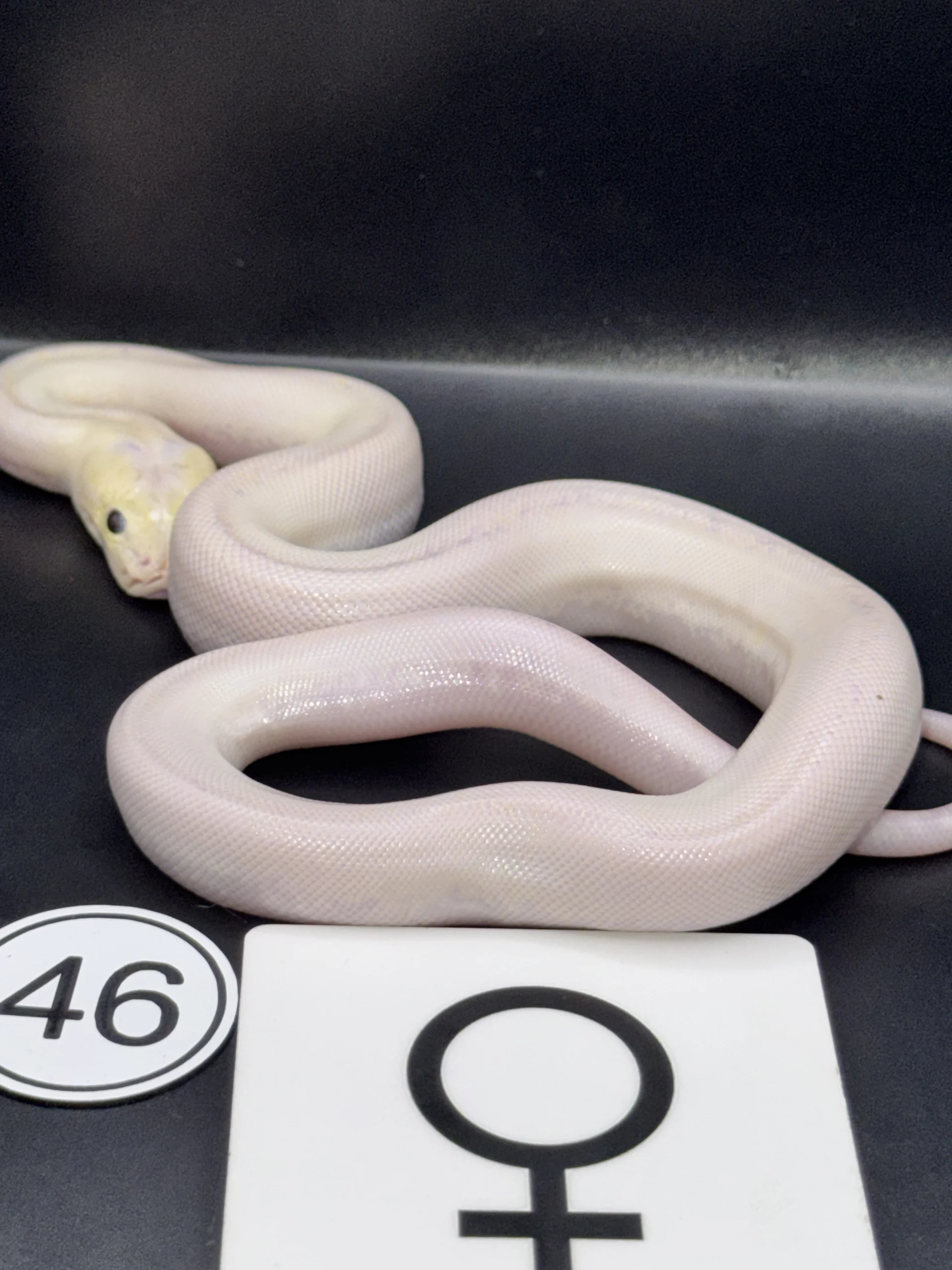
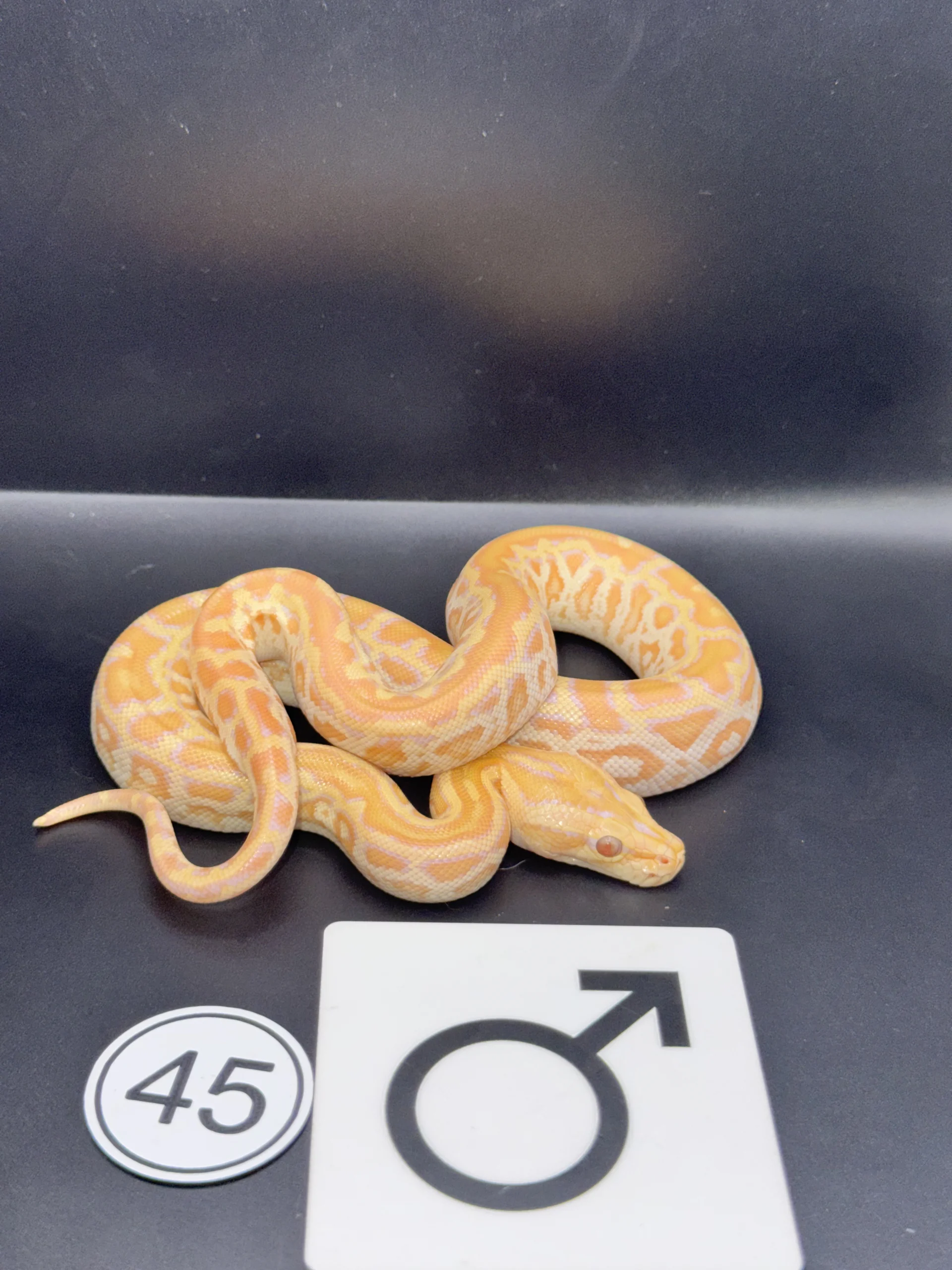
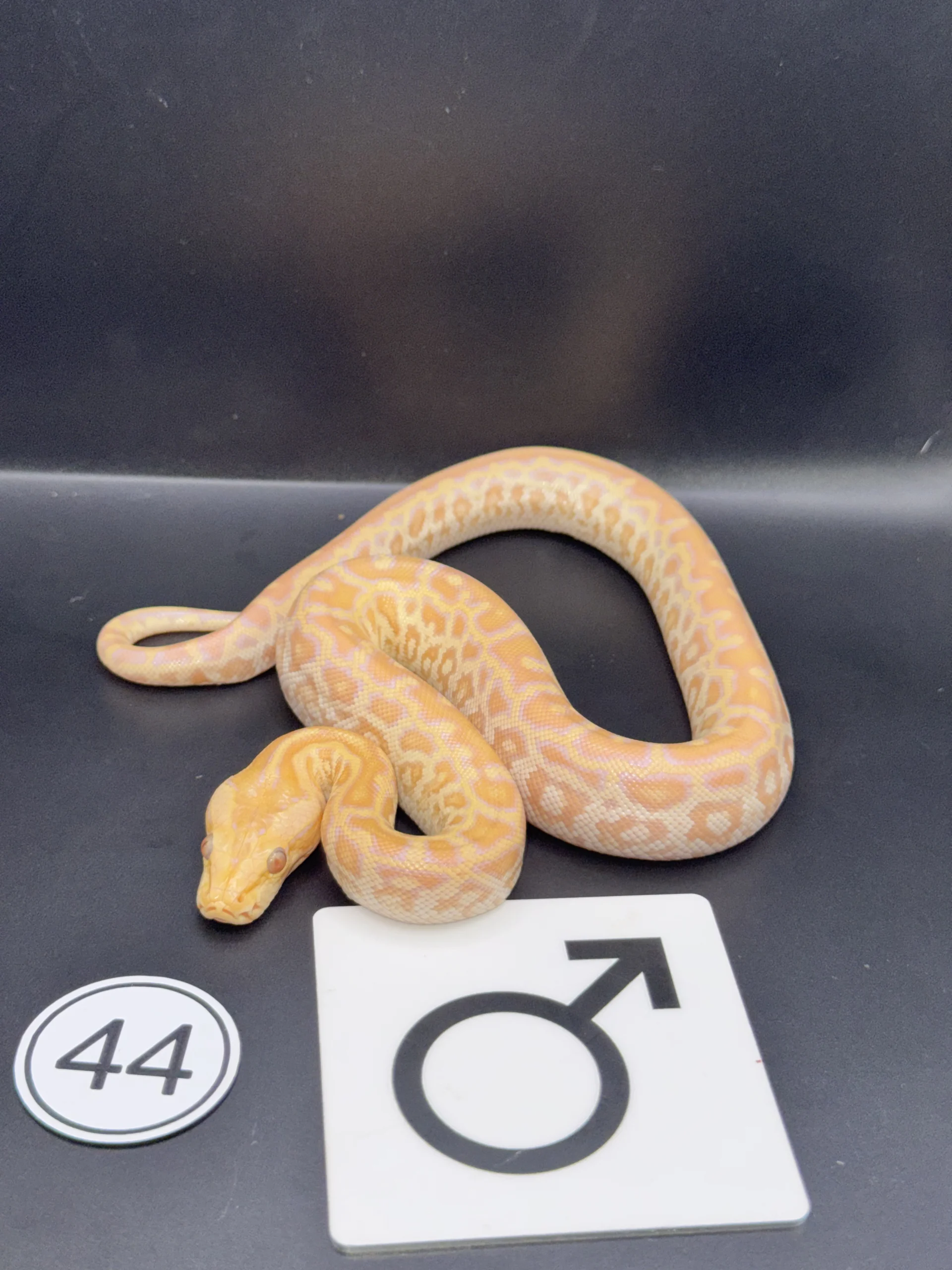
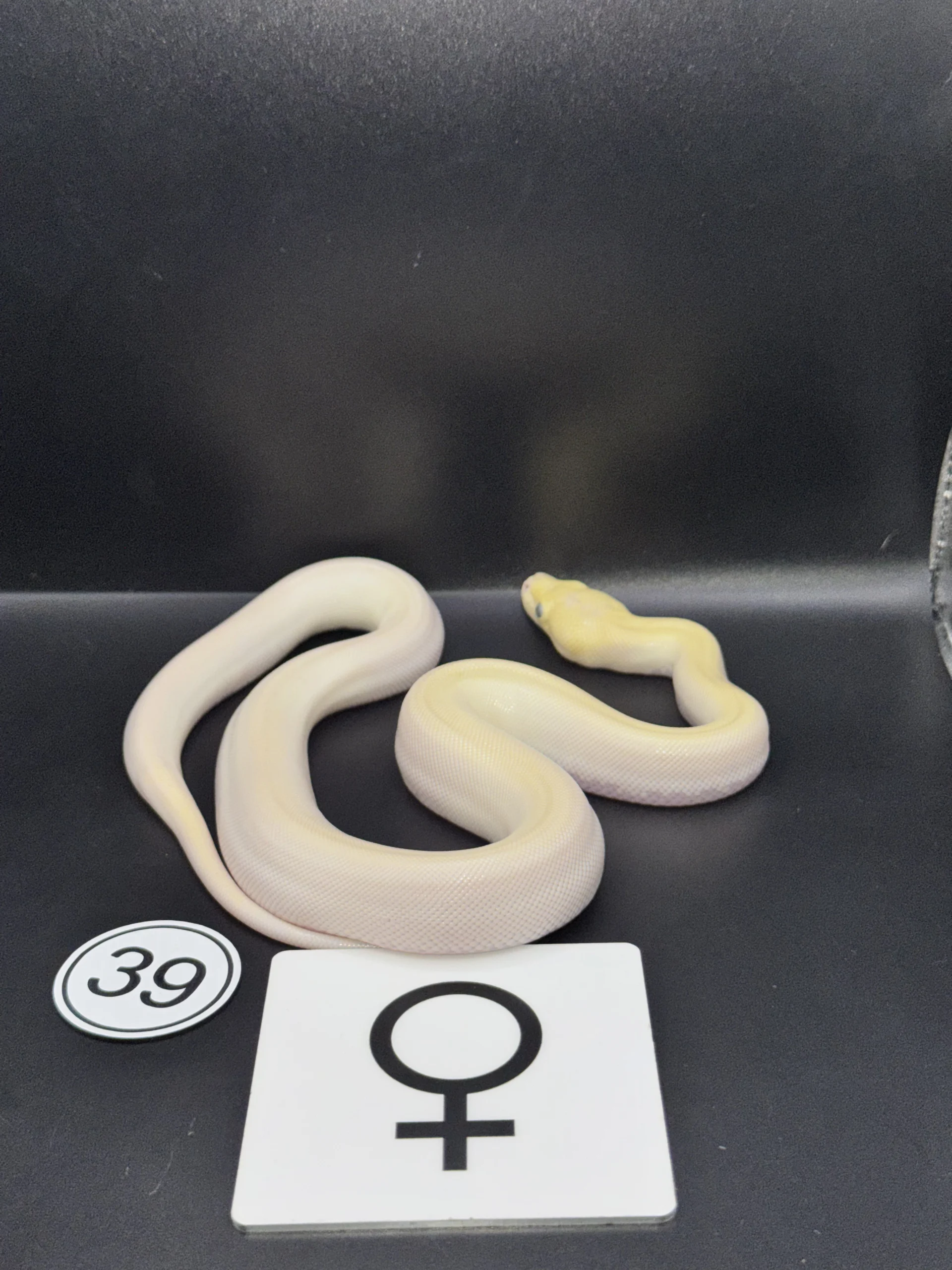
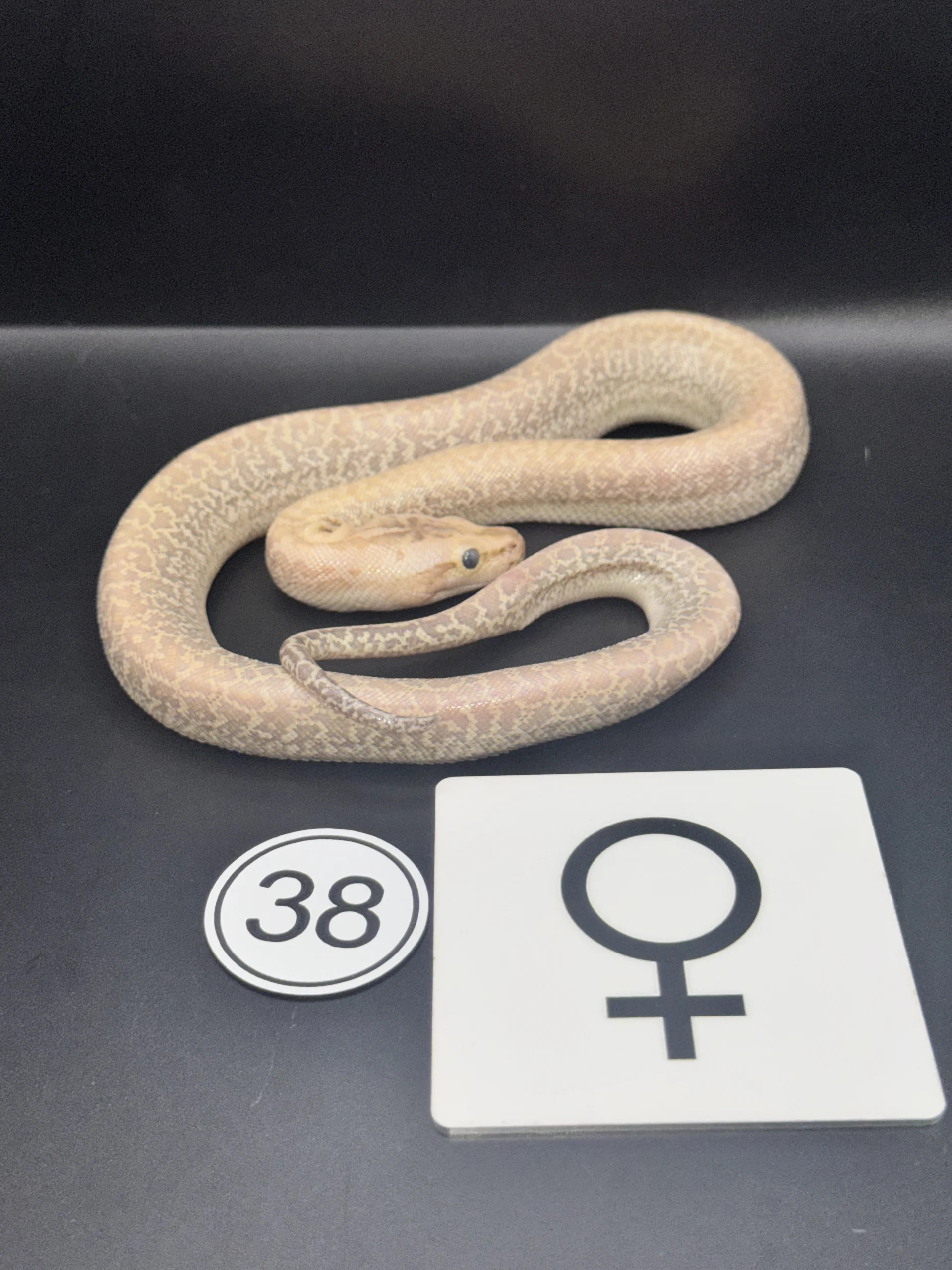 Sold
Sold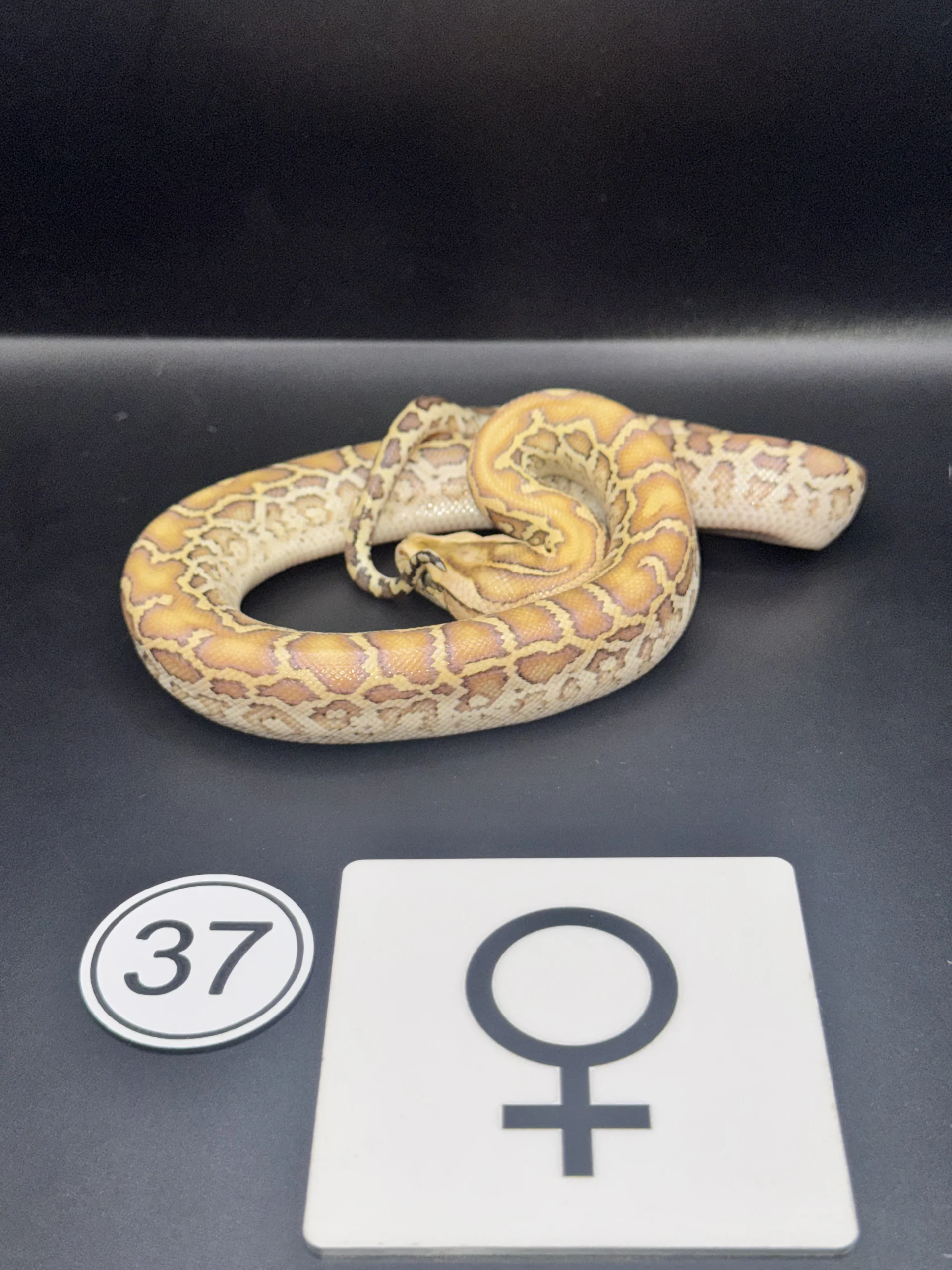
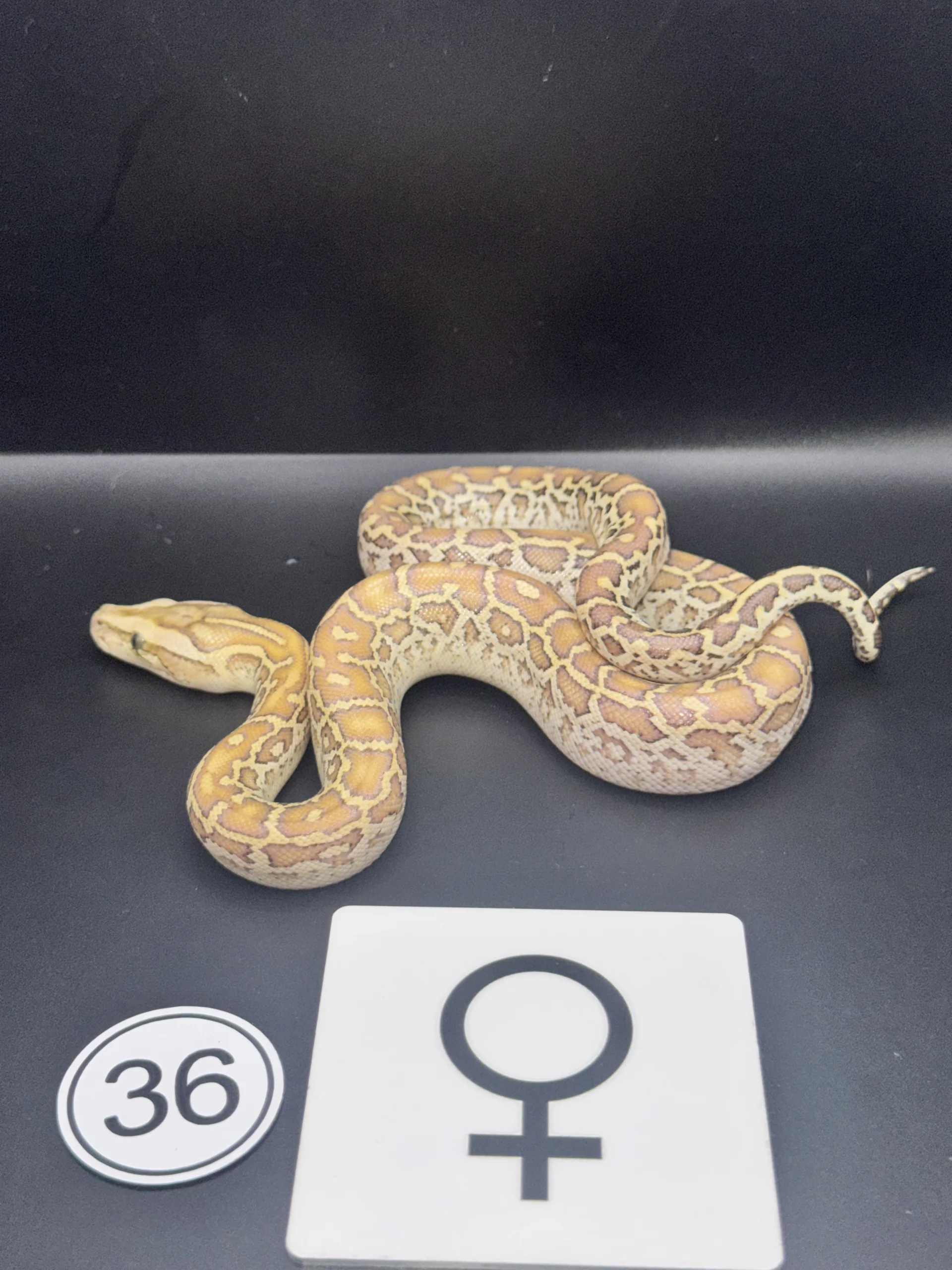
 Sold
Sold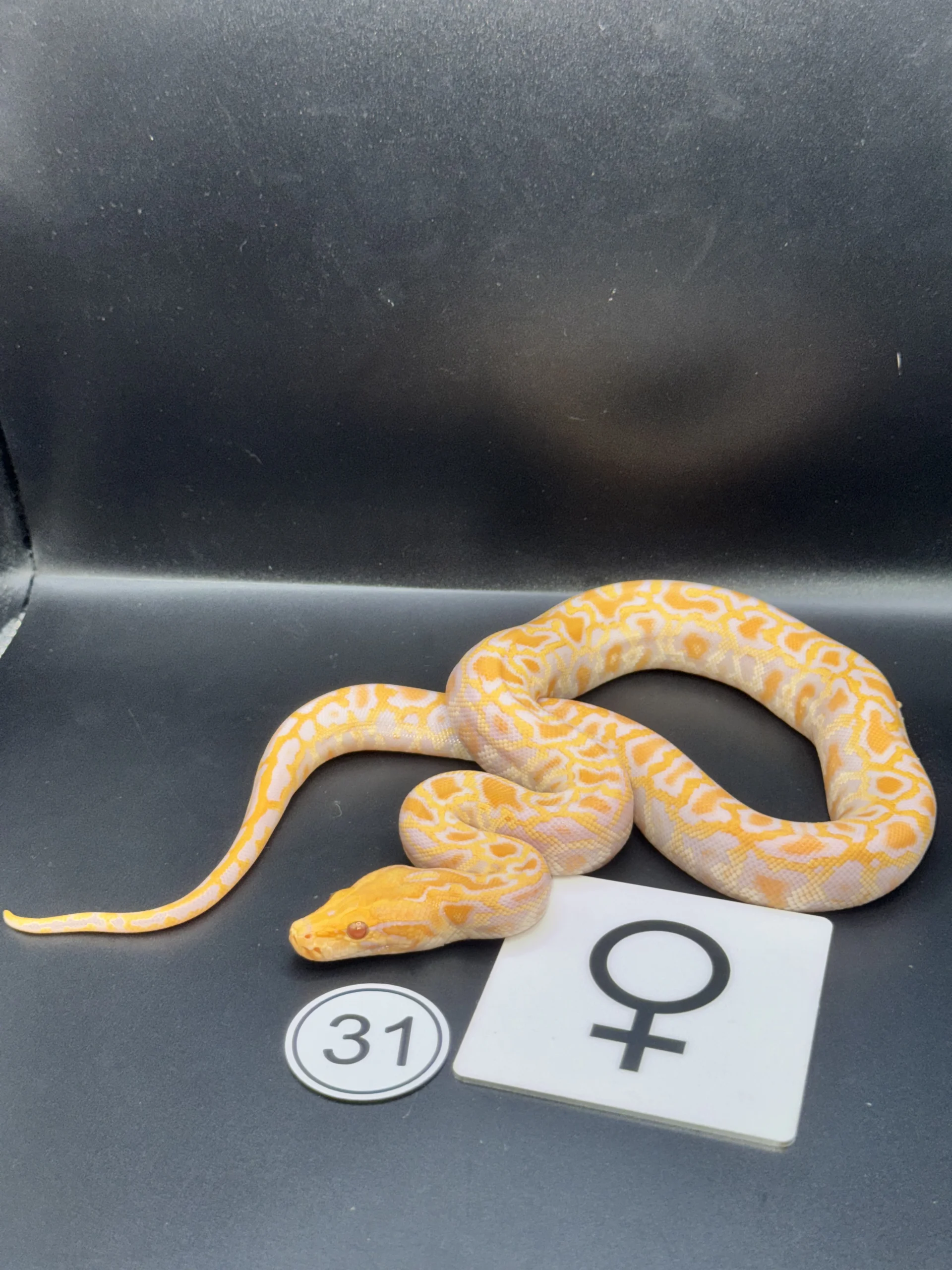
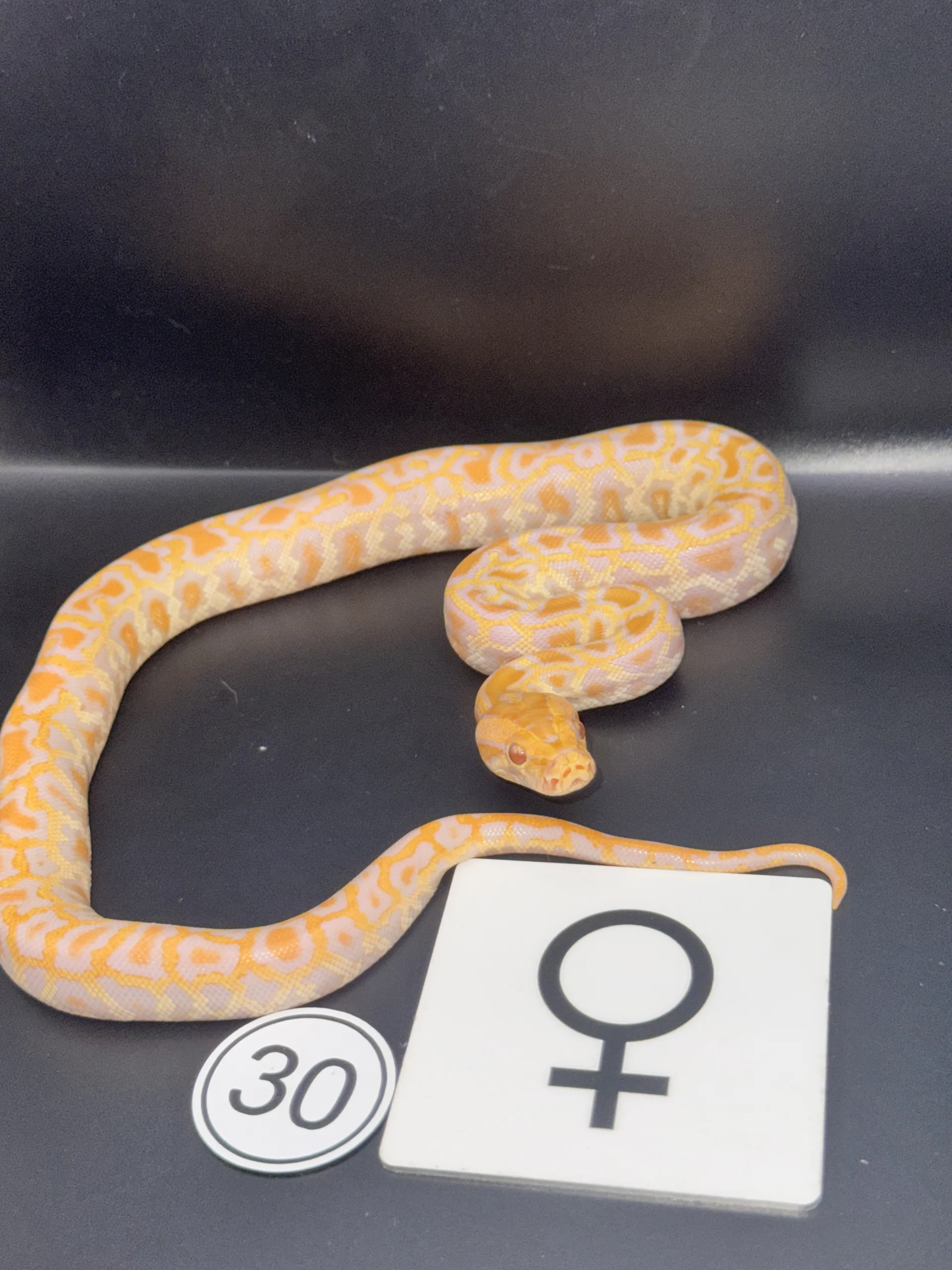
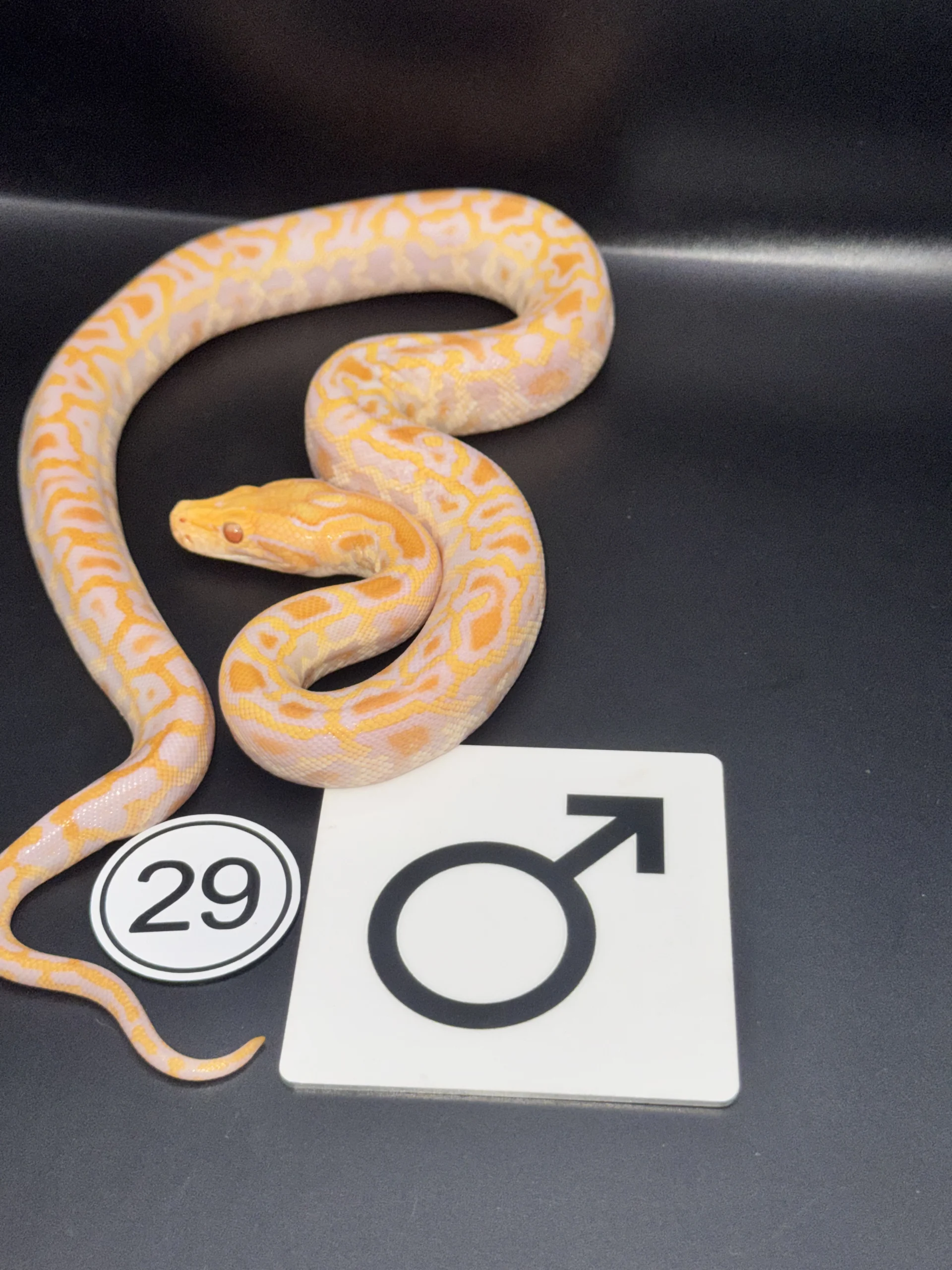
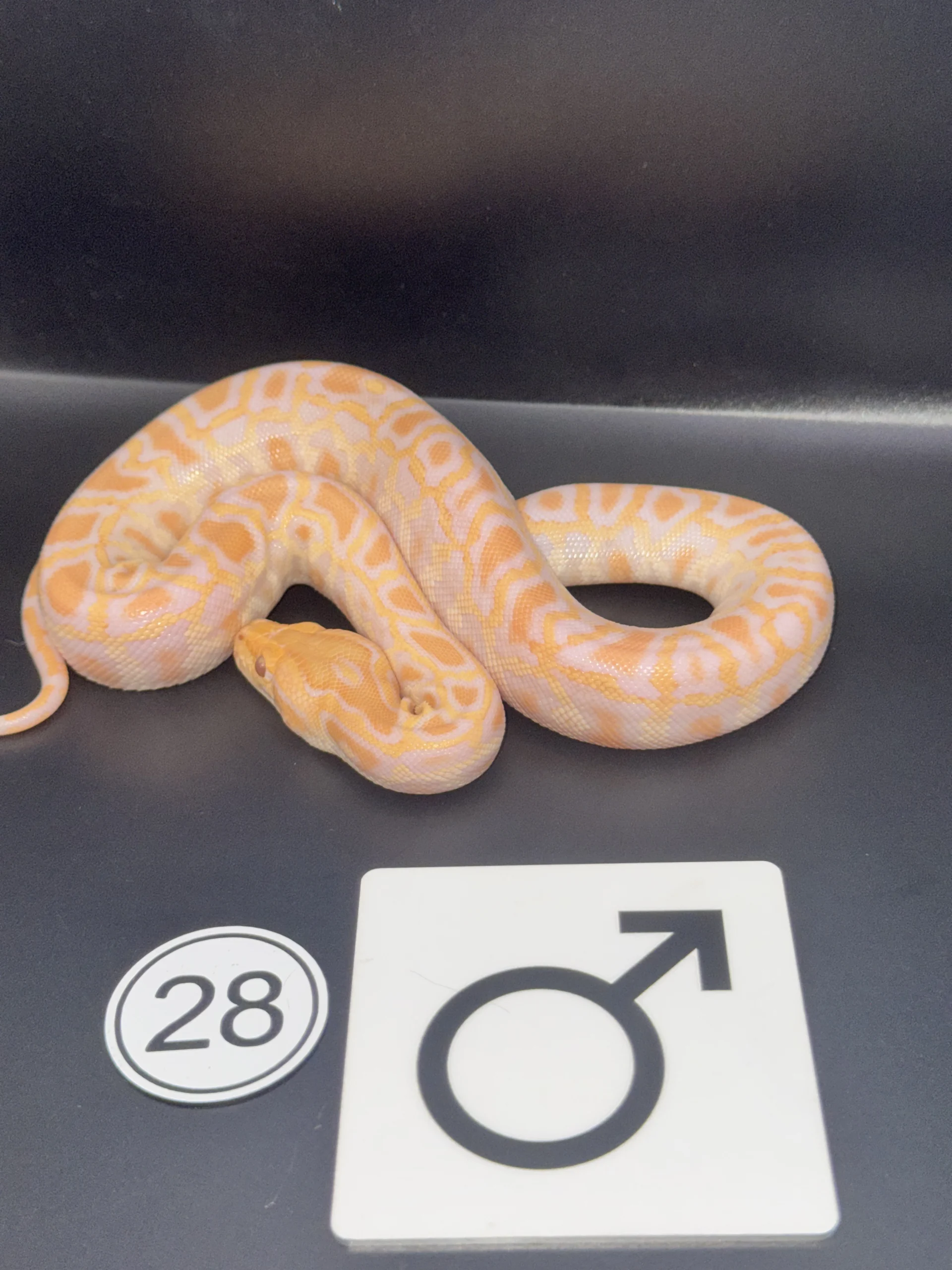
 Sold
Sold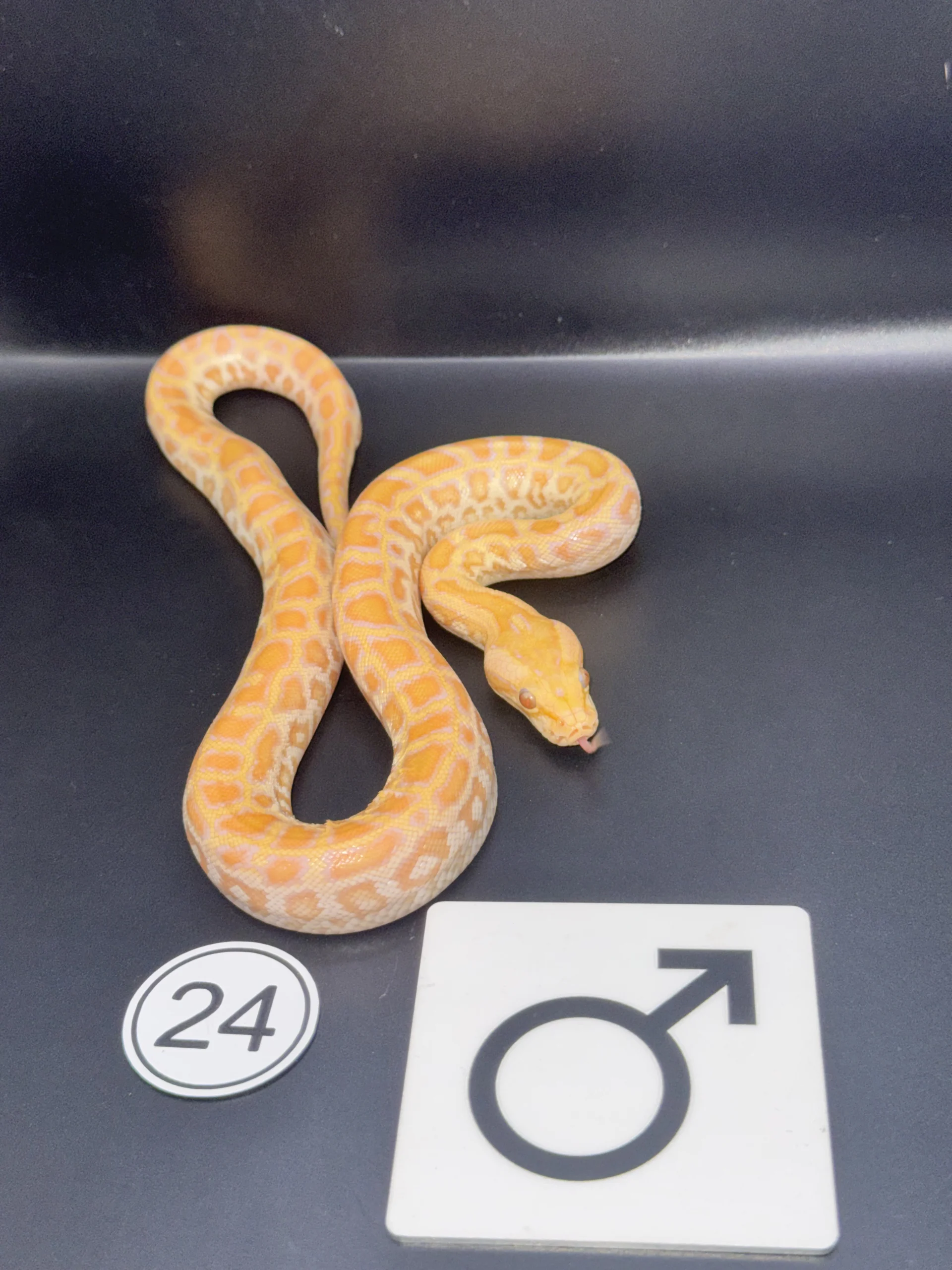 Sold
Sold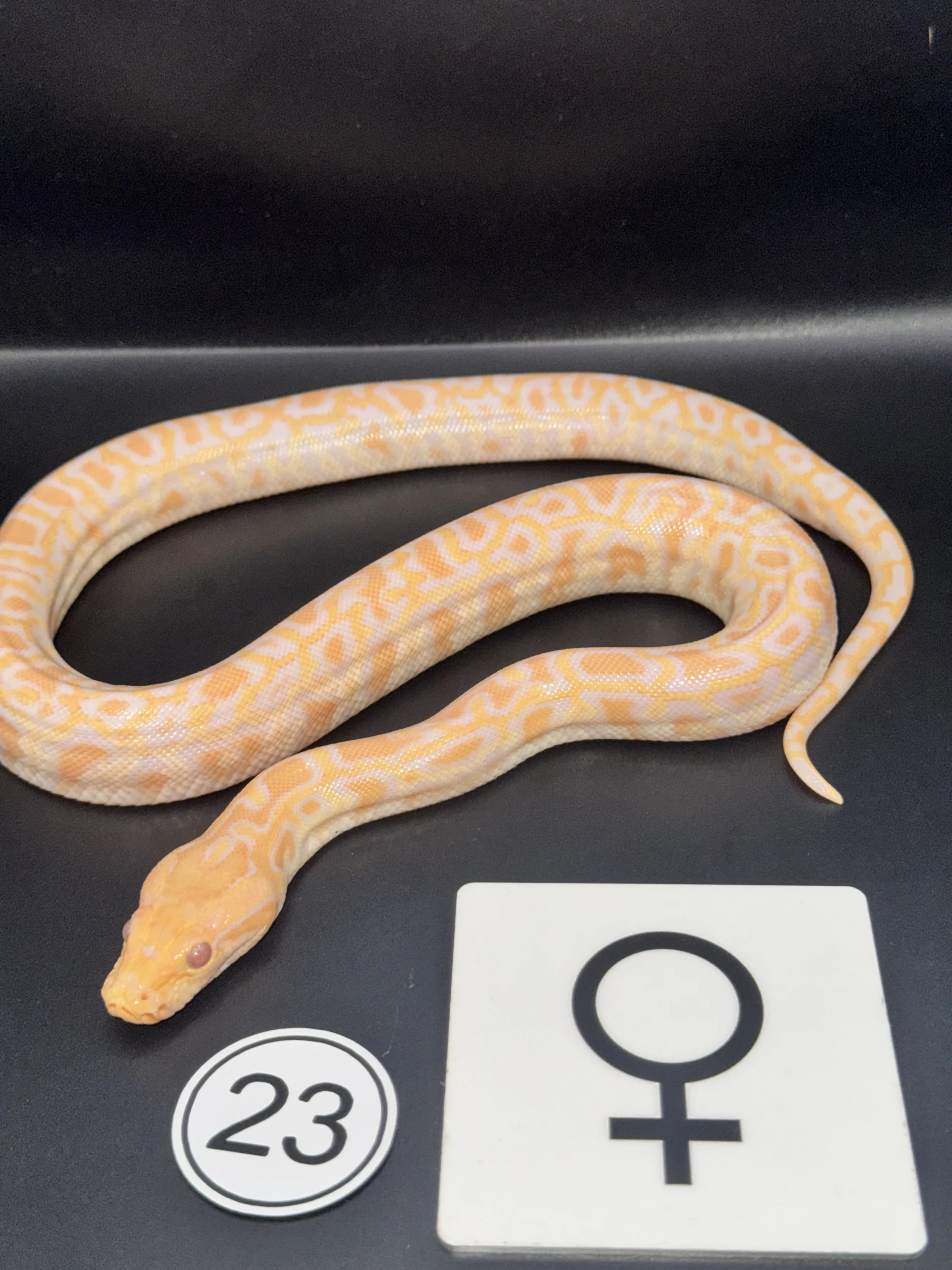
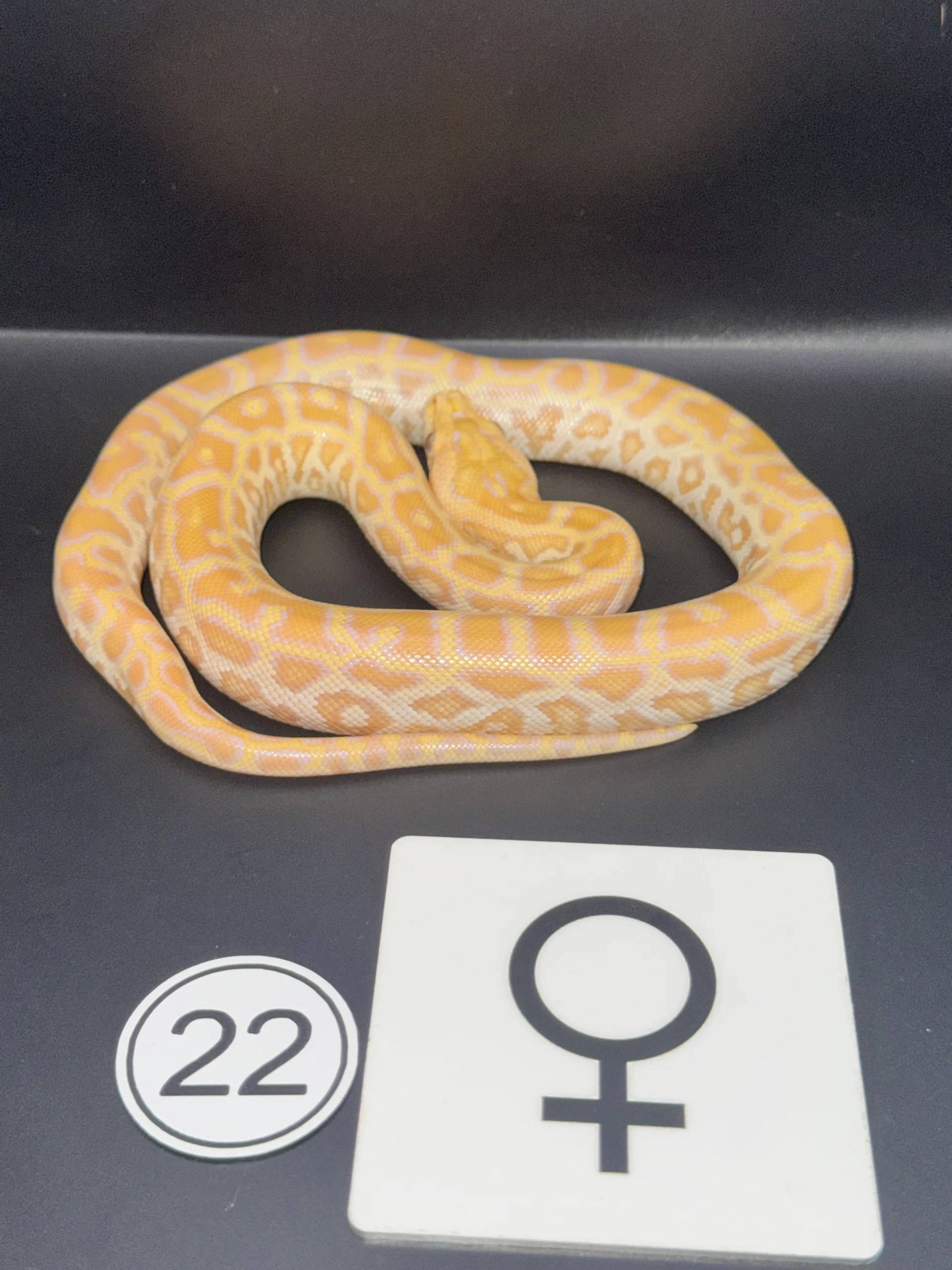
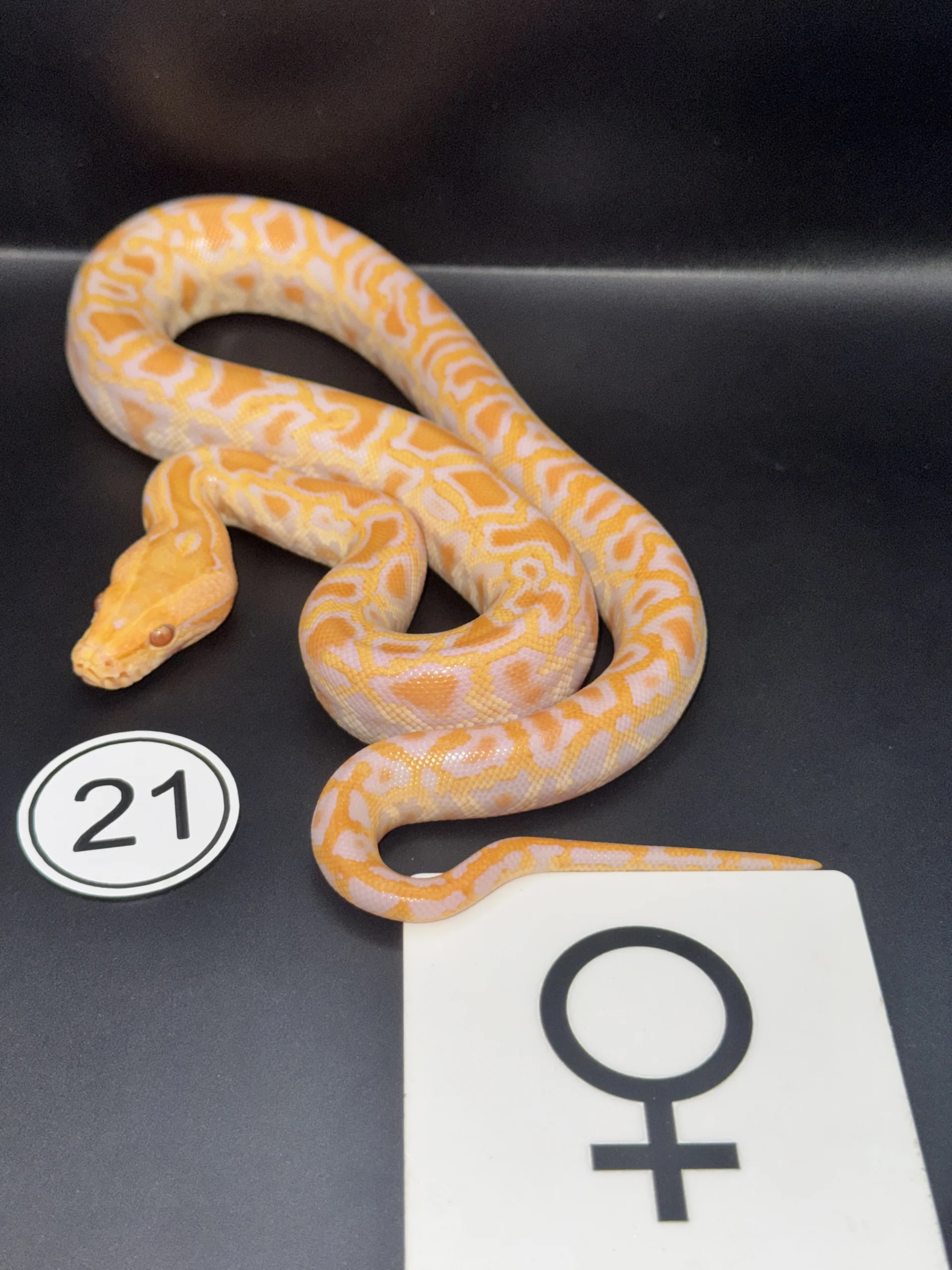
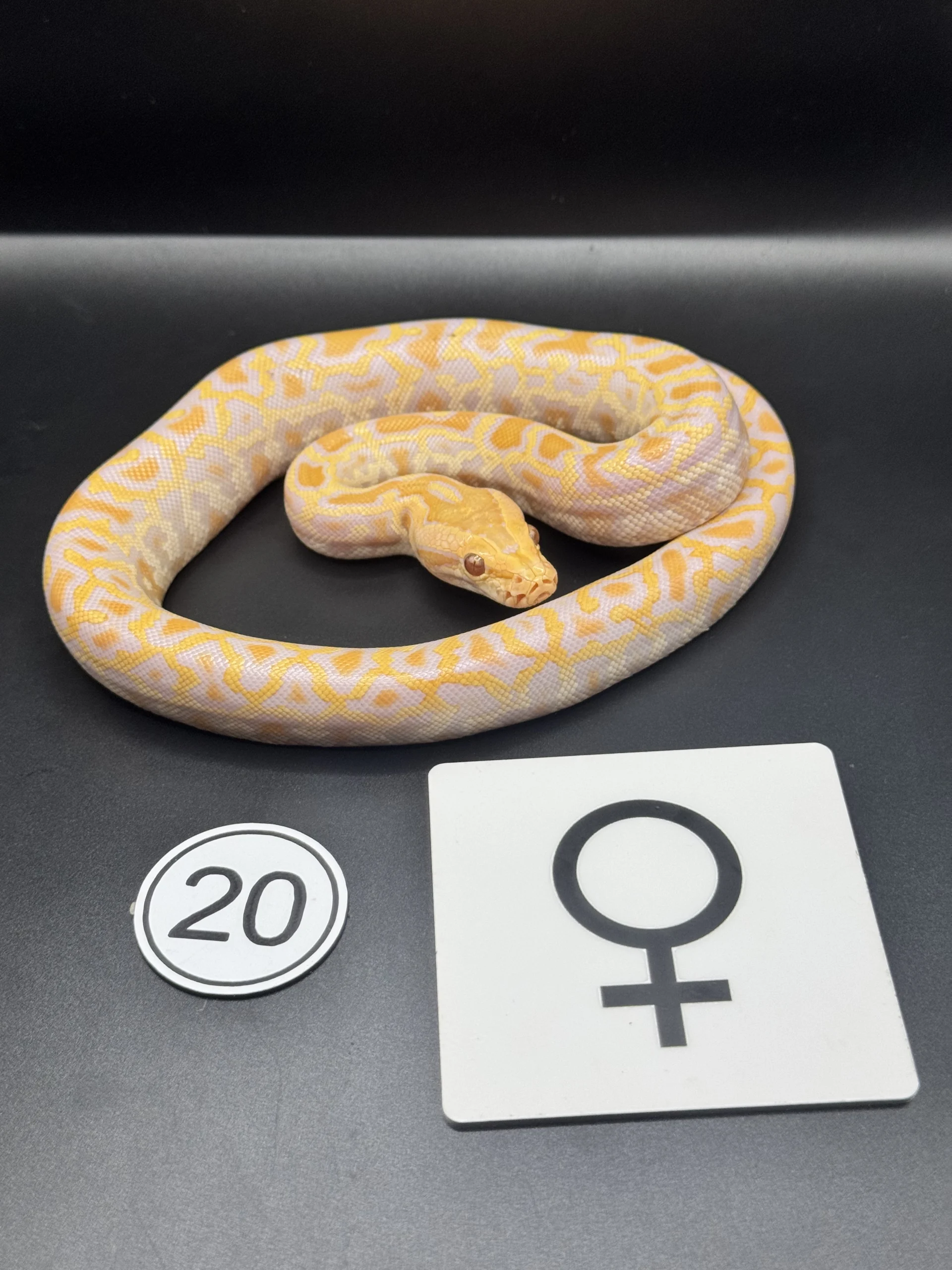
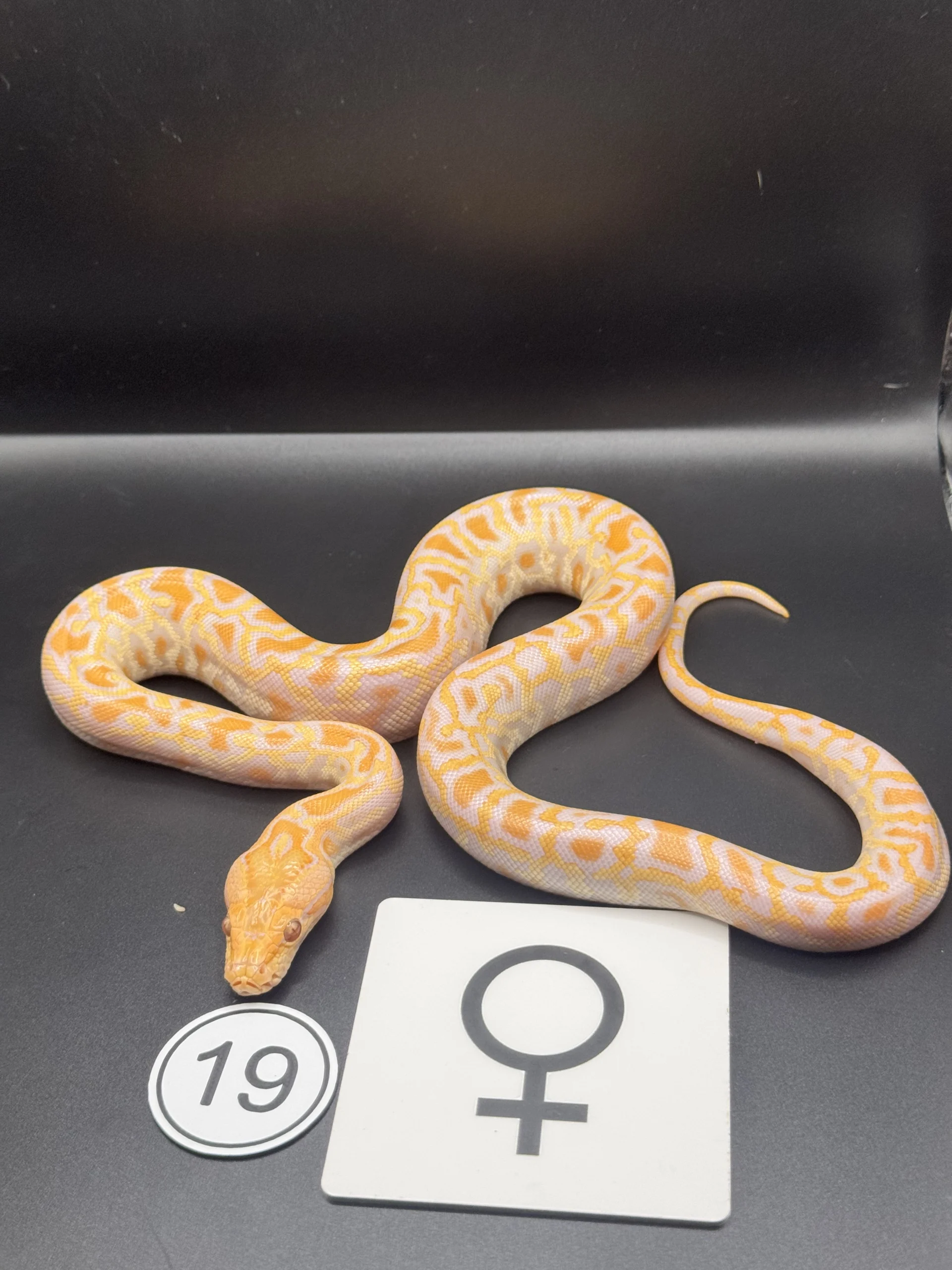
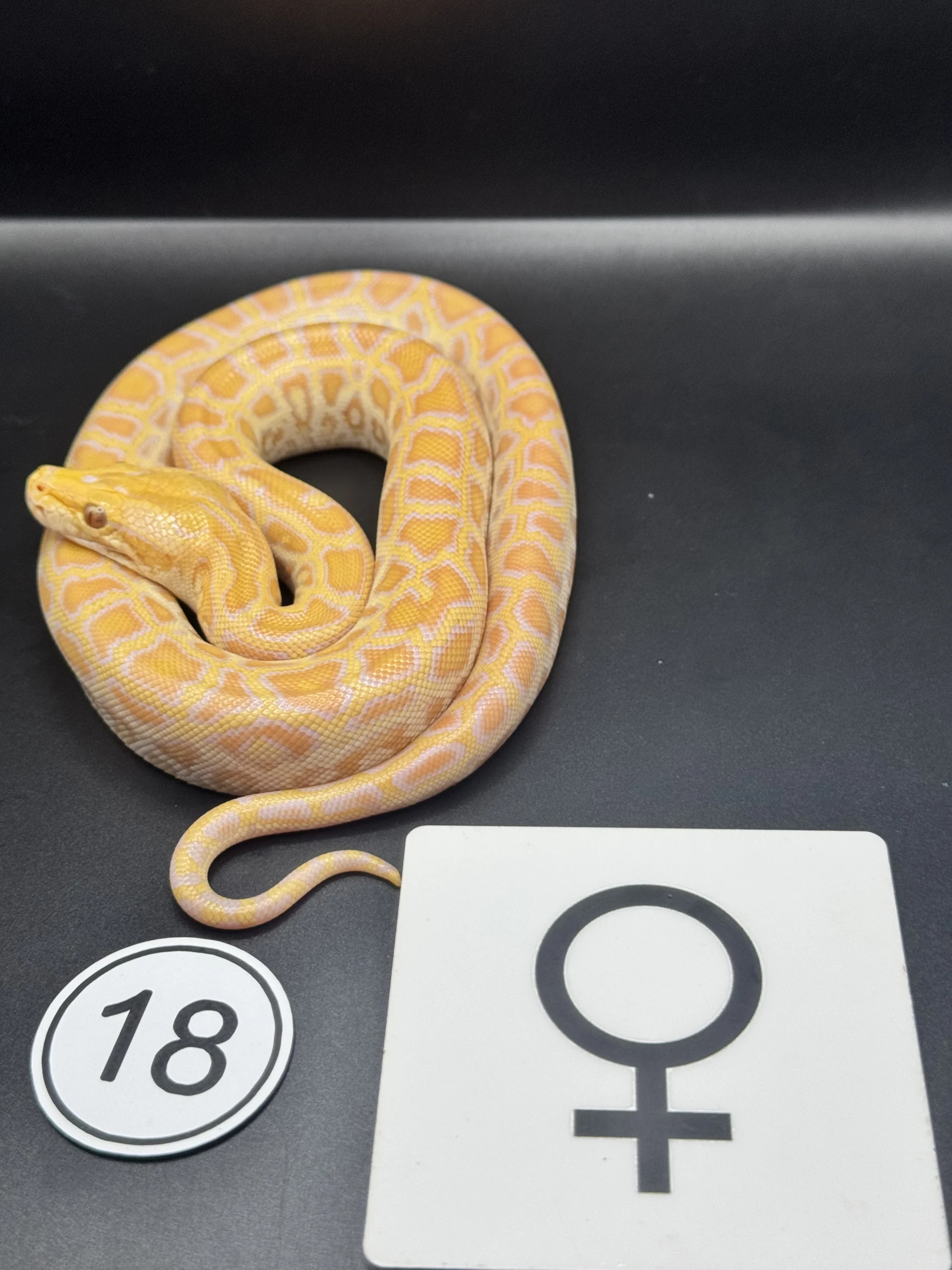 Sold
Sold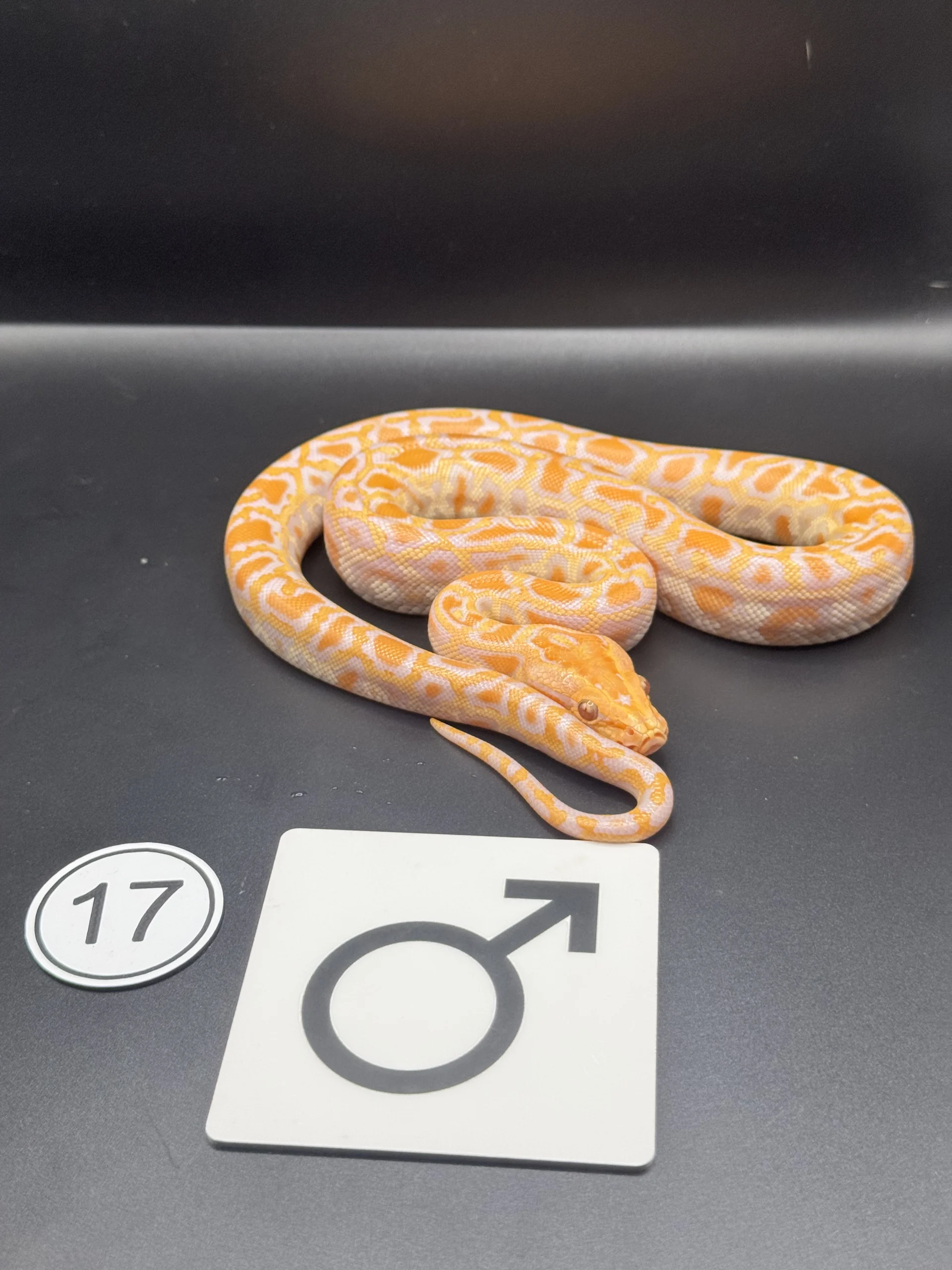
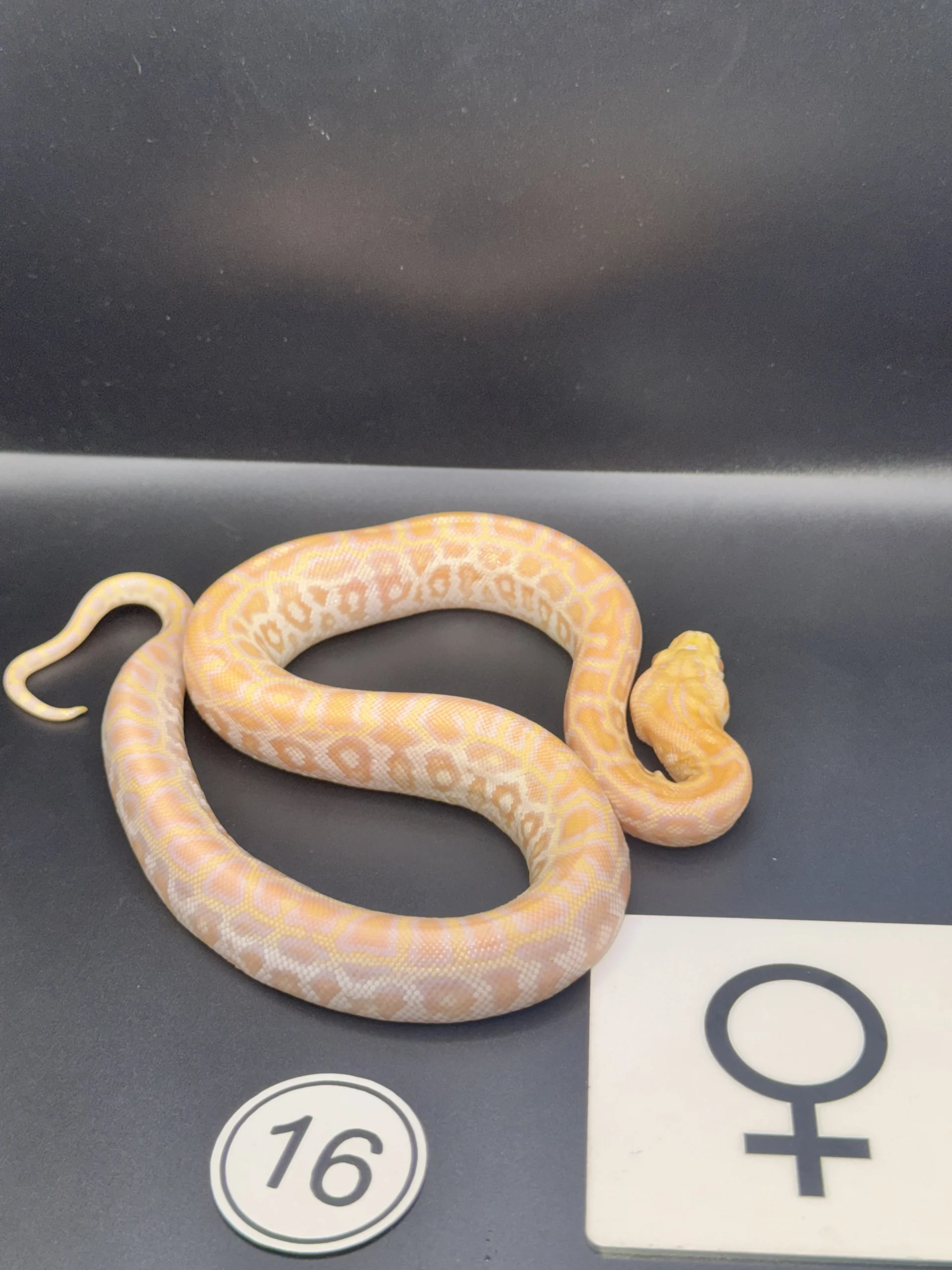
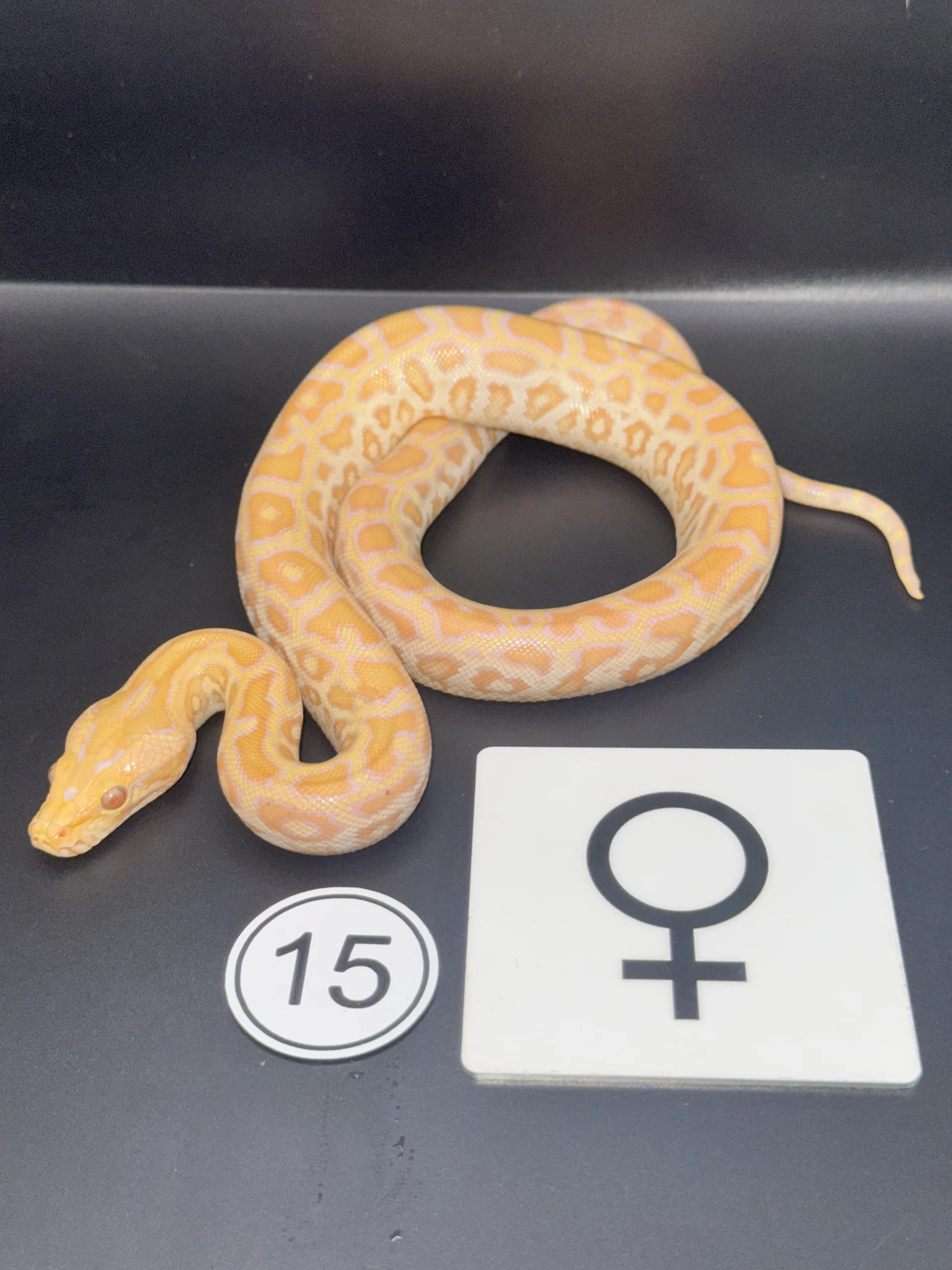
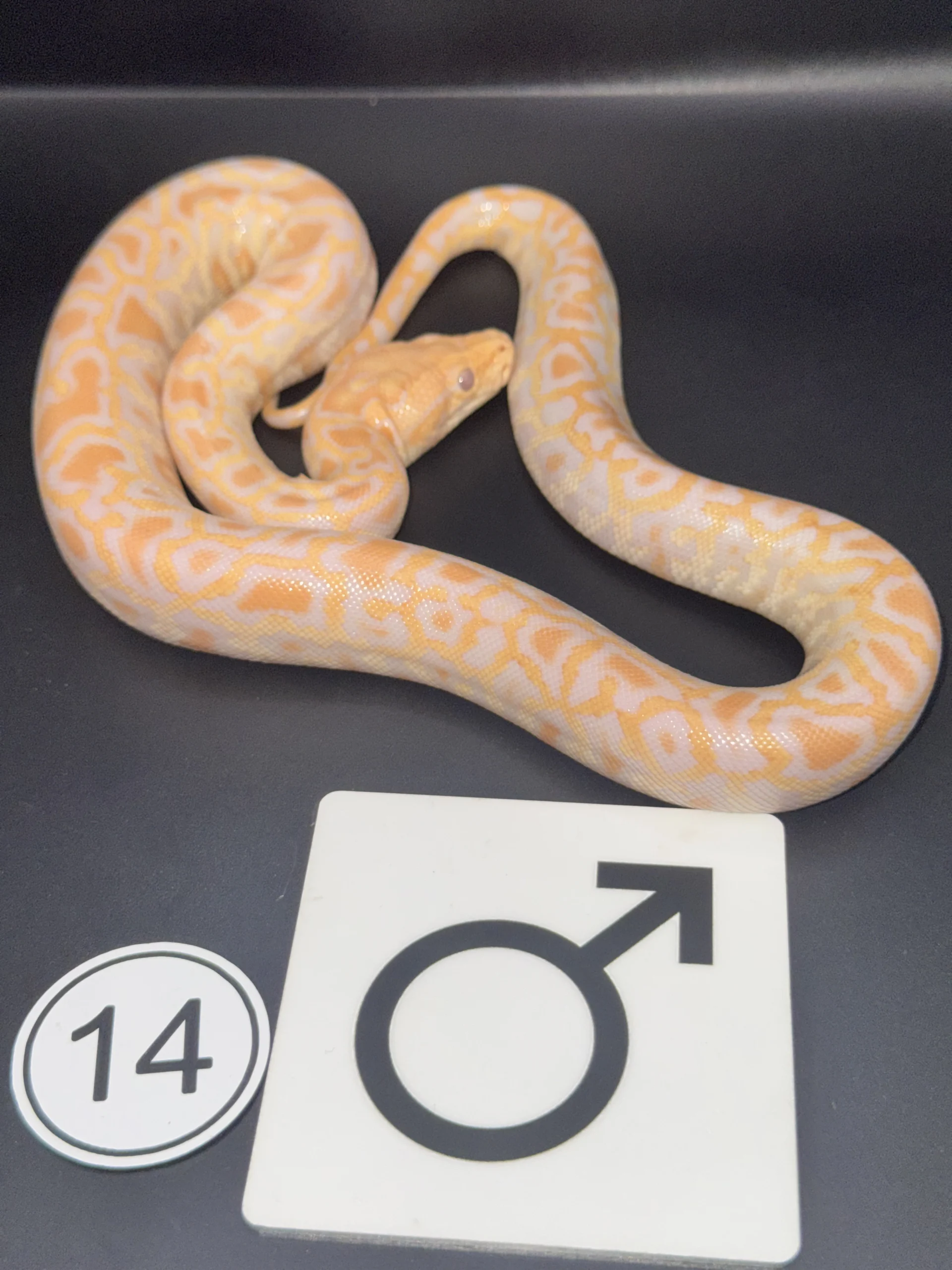
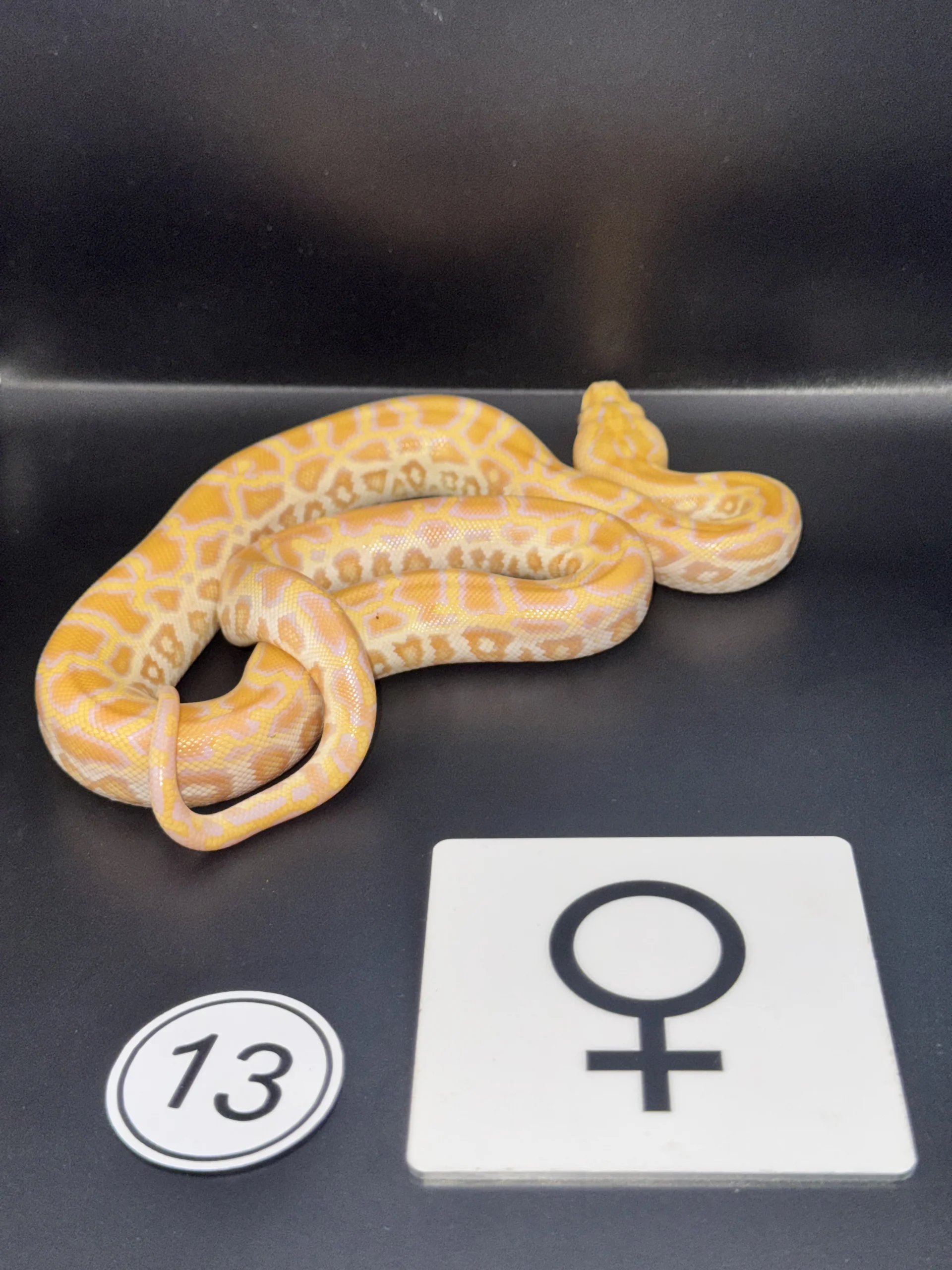
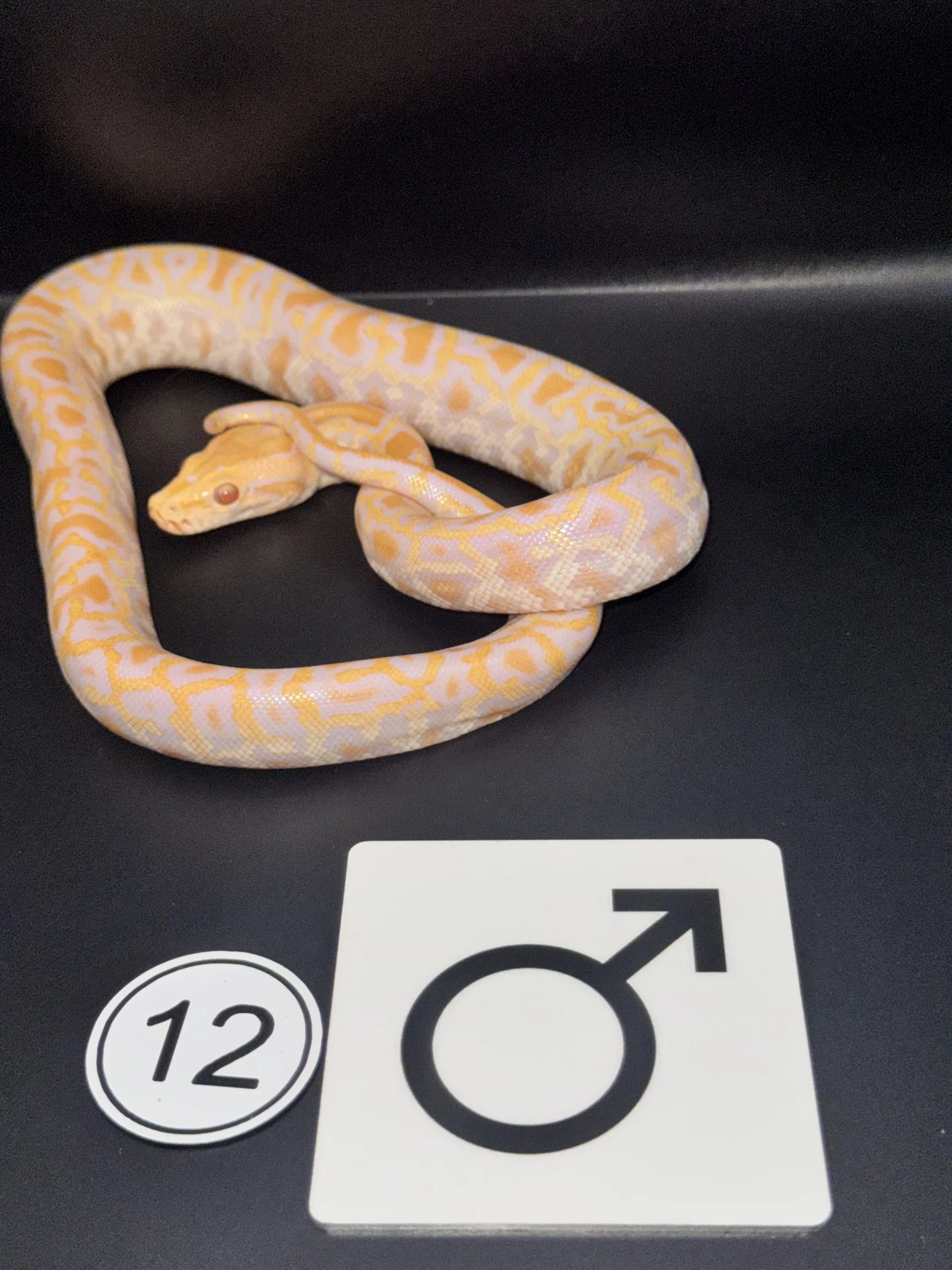
 Sold
Sold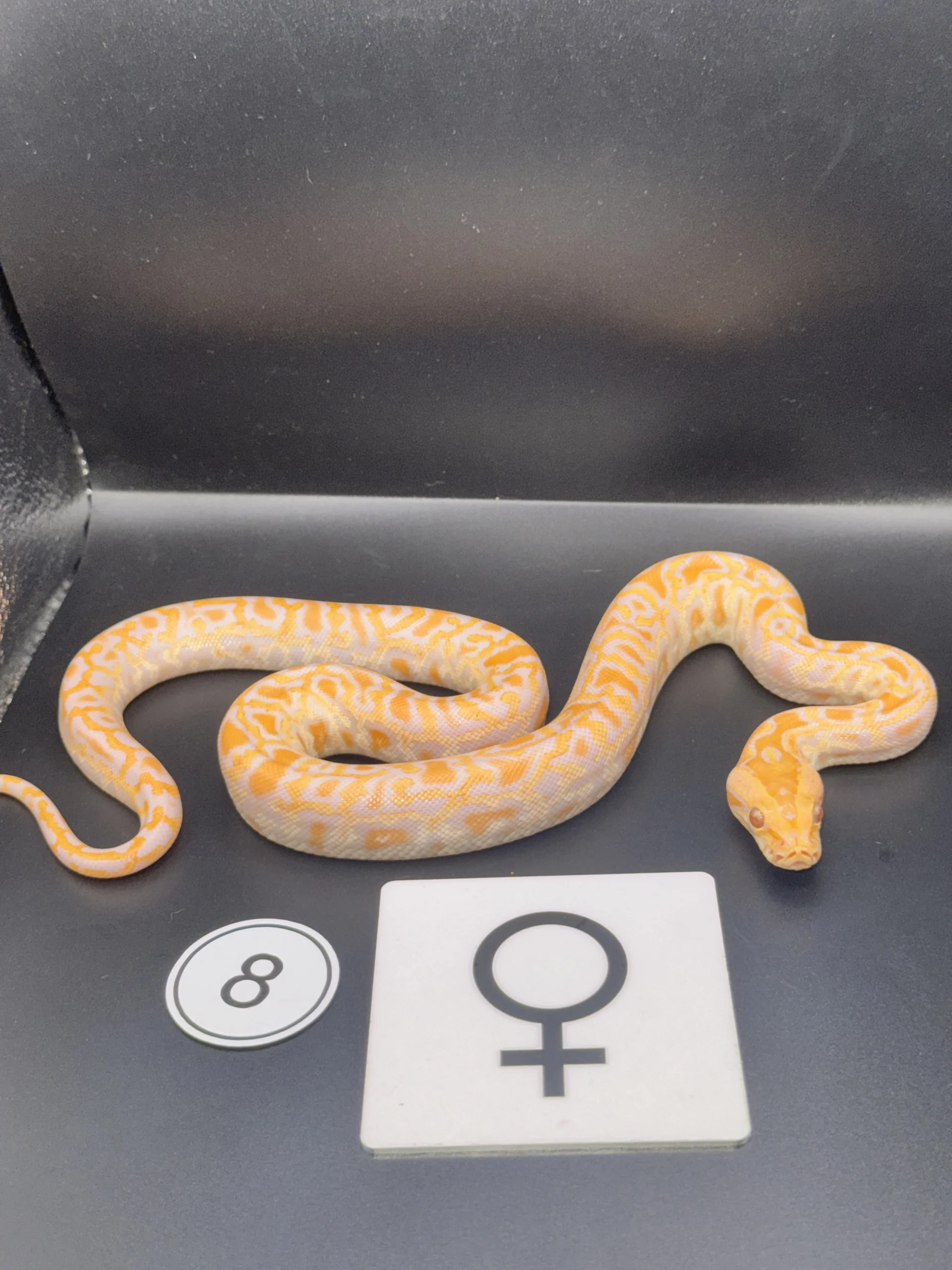
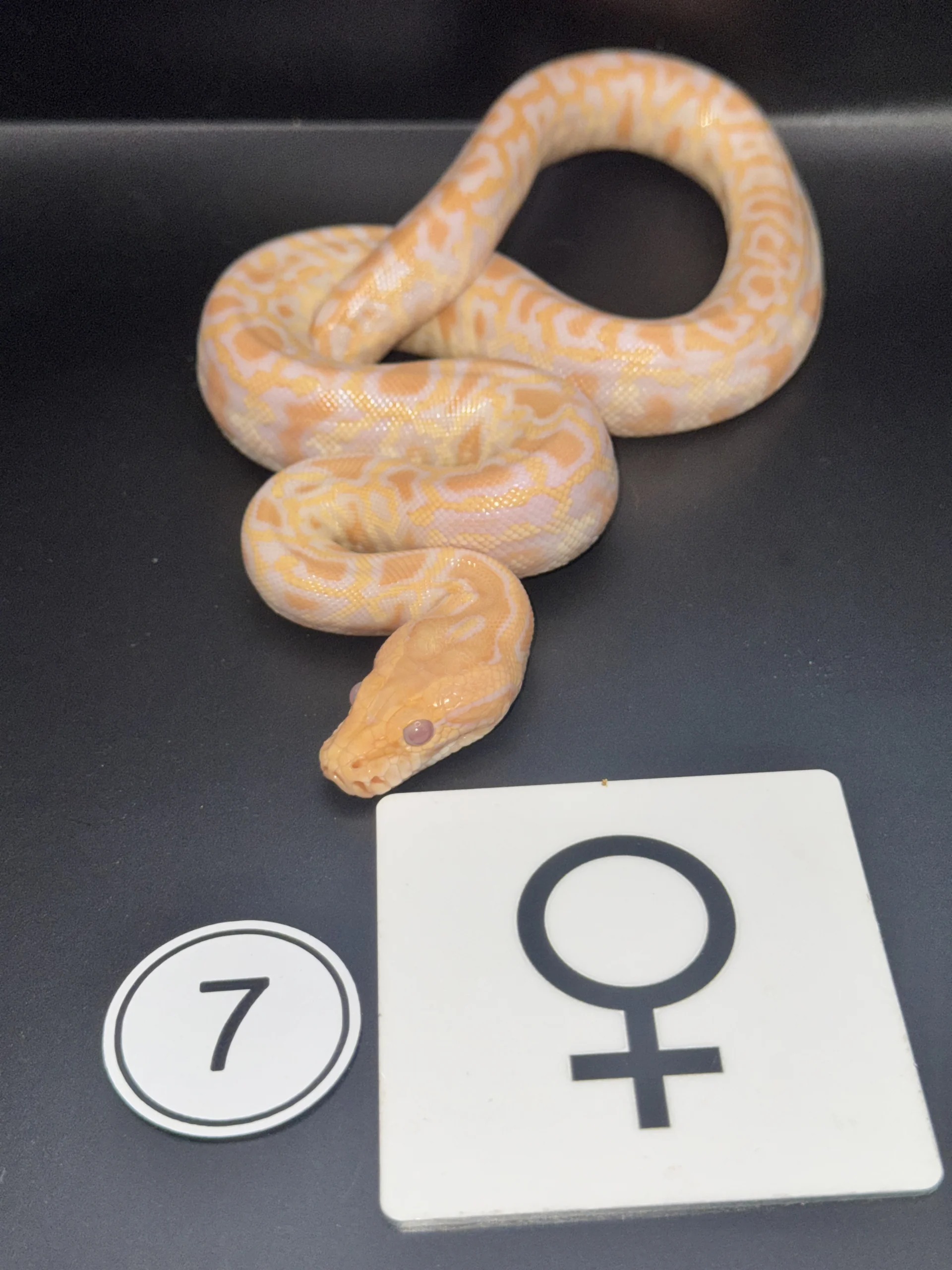
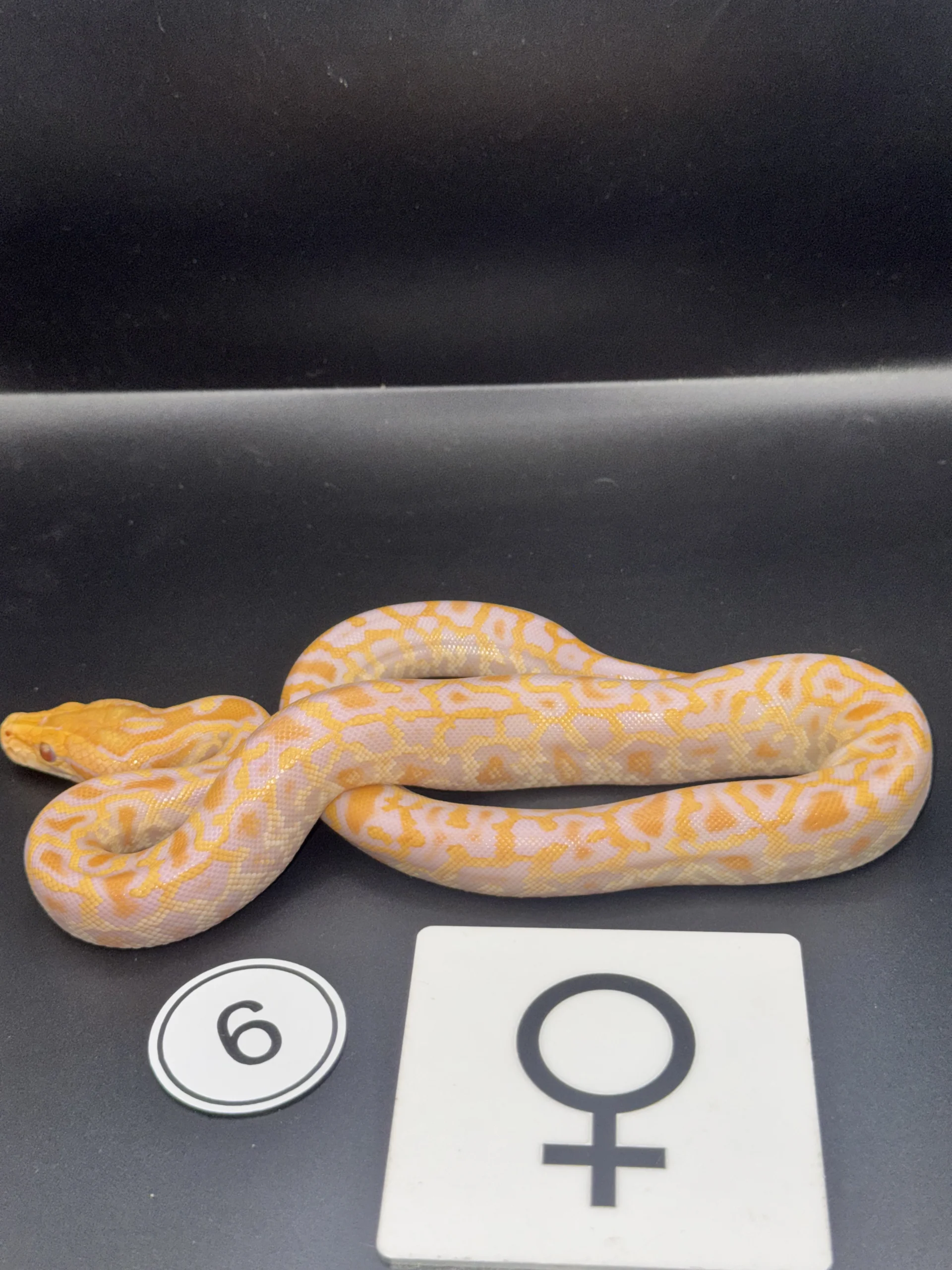
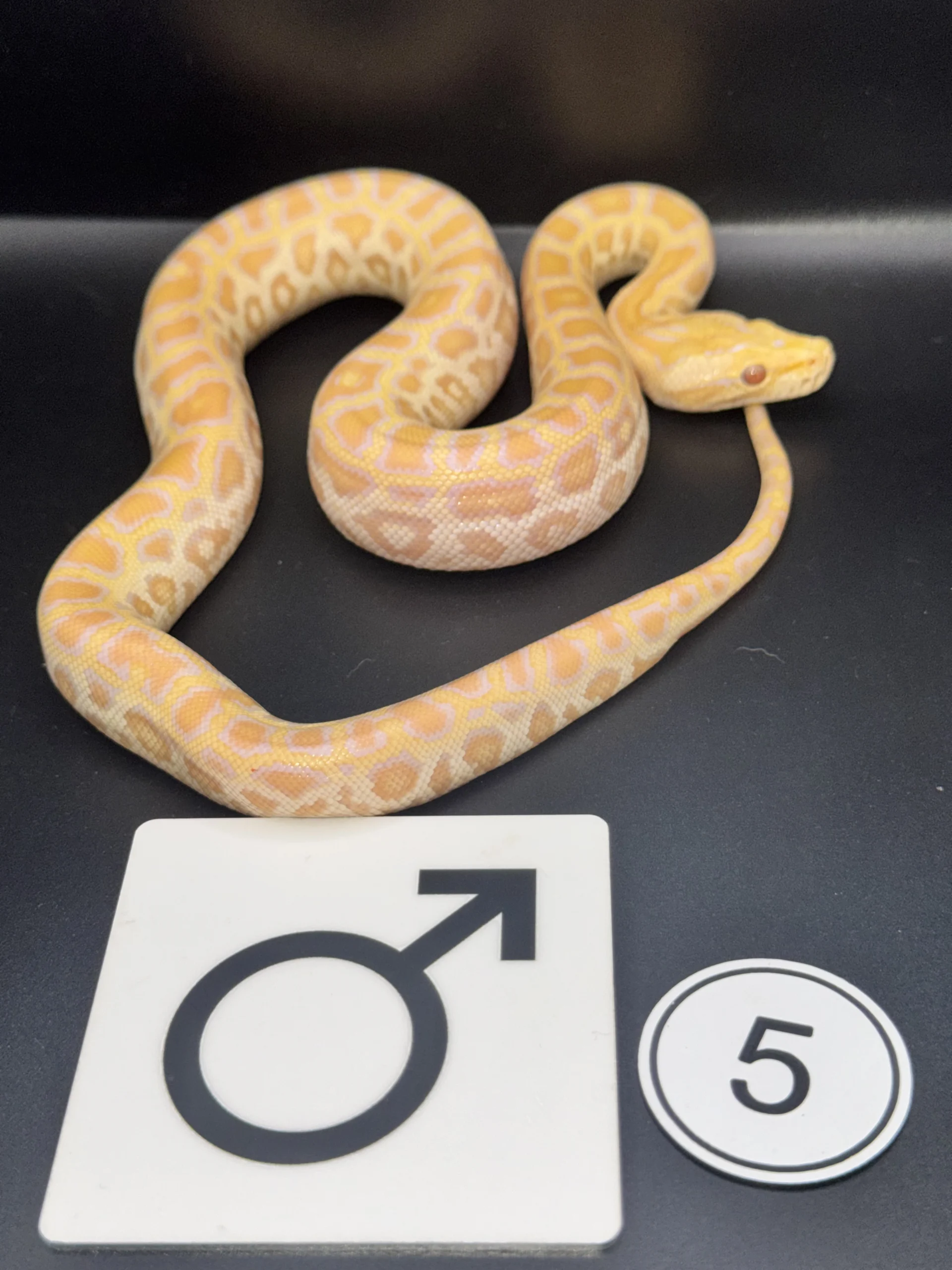
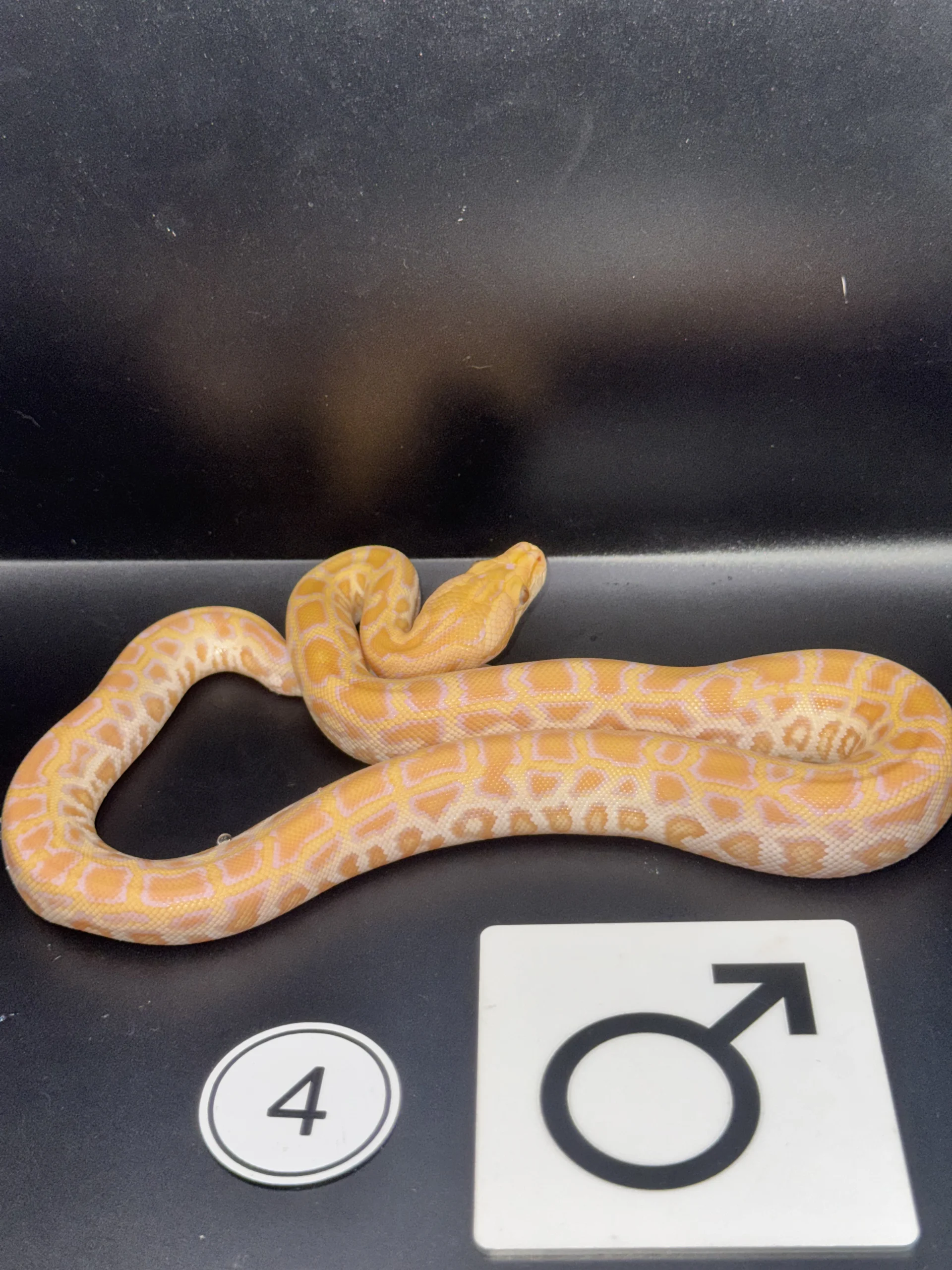
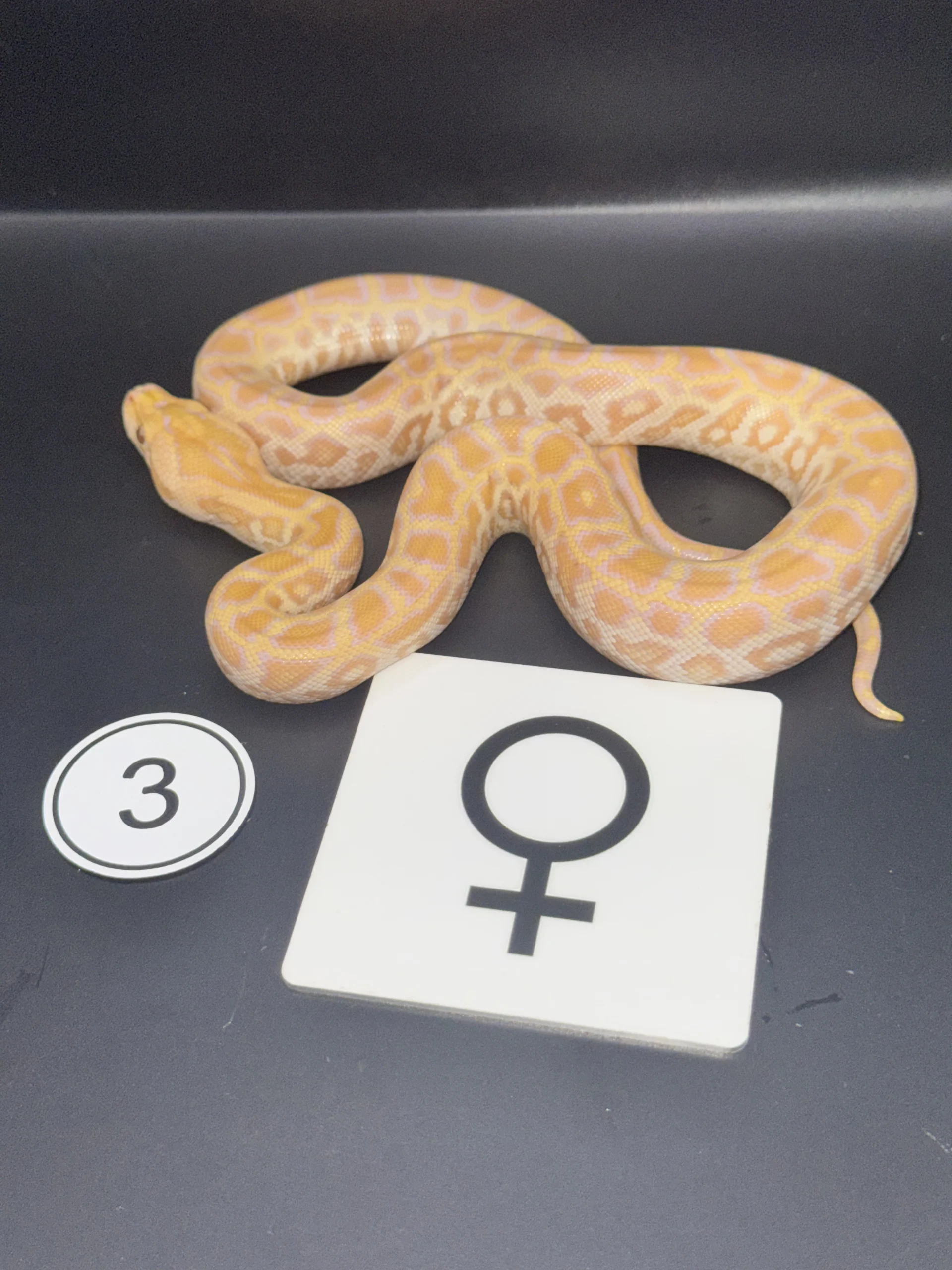
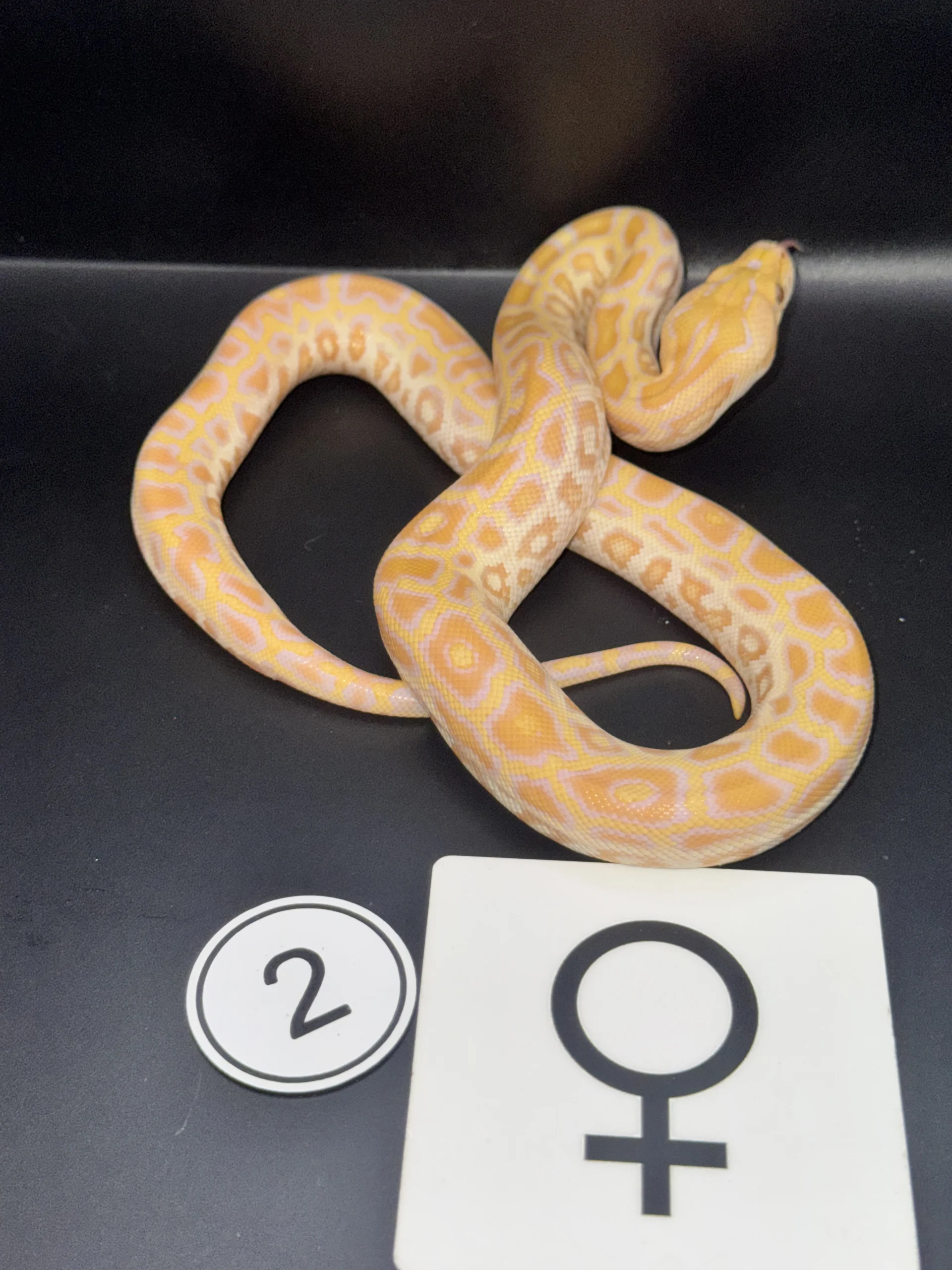 Sold
Sold