JZ-ReptilesPhoto coming soon
Breeding animal
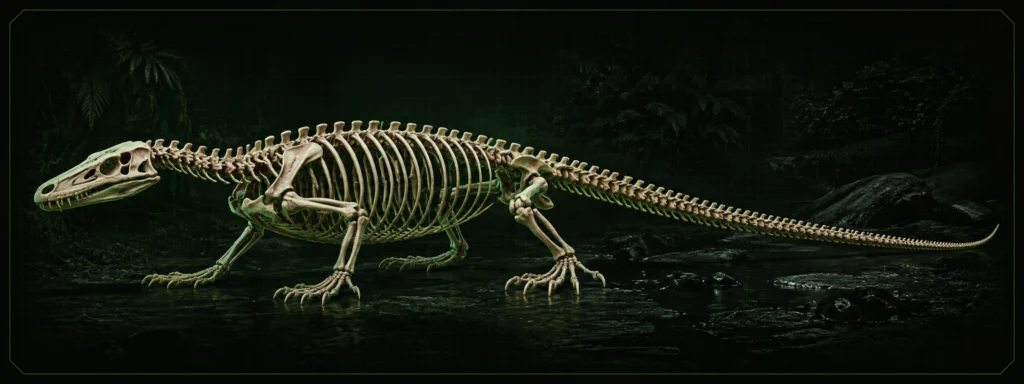
A large, intelligent and semi-aquatic monitor lizard from South and Southeast Asia.
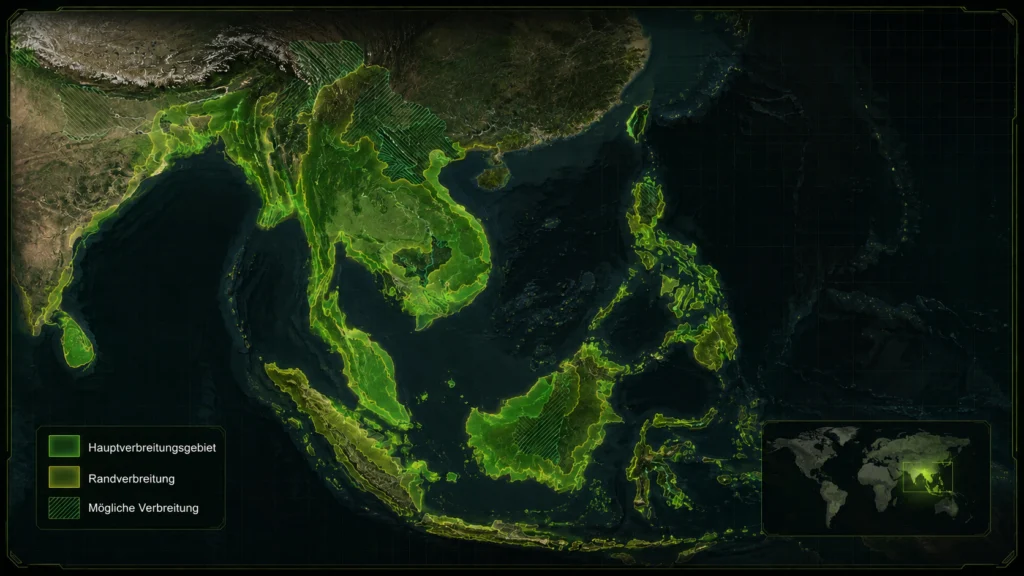
The Asian water monitor complex ranges from parts of India and Sri Lanka through mainland Southeast Asia to Malaysia and many Indonesian islands.
Asian water monitors need a huge amount of usable space, strong climbing and digging structures, intense daylight and suitable UVB, a powerful basking area and a large water section that can be cleaned easily. Enrichment and controlled training are especially useful with this intelligent, active species.
General guide: a warm ambient area with a very hot basking zone, strong UVB and daylight, high humidity combined with good ventilation, deep digging substrate and a large clean water area. Temperatures and UV levels should be checked with suitable measuring equipment.
A very large, three-dimensional setup is needed, with usable ground area, climbing space, digging depth and a proper swimming section. Adult animals are better suited to a room-style enclosure than a conventional small terrarium.
In the wild: Highly varied: fish, crustaceans, amphibians, reptiles, birds, eggs, mammals, carrion and other animal matter.
In human care: A varied, controlled diet of suitable whole prey, fish, invertebrates and other appropriate animal foods; avoid overfeeding.
Conservation status: CITES Appendix II (Varanus salvator). International trade requires proof of legal origin and, depending on the route, additional CITES documents.
A large, extremely powerful monitor with strong claws, teeth and tail. Secure separation options, training and experienced handling are important.
The husbandry information and space recommendations on this page are general guidance. Legal minimum requirements vary between countries and regions and must always be checked locally. Before buying any animal, please take the time to learn about the species in depth – you are welcome to ask us, and we also recommend good specialist literature. Husbandry should always be adapted to the species, locality, age, size and individual animal.