Axolotl
A fully aquatic salamander from the historic lake system of the Valley of Mexico.
Breeding animals of this species
No breeding animals have been published for this species yet.
Axolotl Ambystoma mexicanum
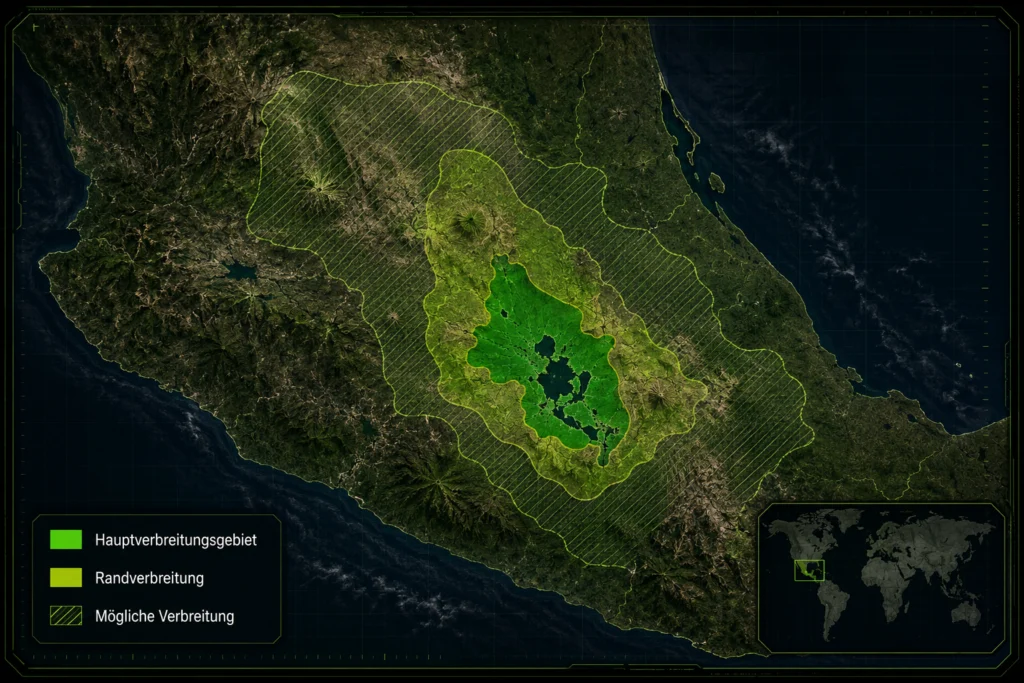
Origin & natural range
The wild species originally came from the lake system around Mexico City, especially Xochimilco and Chalco. Today, remaining wild populations are mainly associated with the Xochimilco canal system.
General husbandry
Axolotls need consistently cool, clean and well-oxygenated water with stable water parameters and little current. Avoid swallowable gravel, unsuitable tank mates and prolonged exposure to warm water.
Key parameters
General guide: keep the water cool, ideally around 14–18 °C, and avoid prolonged temperatures above roughly 20 °C. Excellent water quality, low flow, suitable hides and a safe substrate are key.
Space & enclosure
Floor area matters more than tank height. The aquarium should provide enough swimming and bottom space, several hides and stable water quality for the number and size of animals being kept.
Diet
In the wild: Small crustaceans, worms, insect larvae, molluscs and small fish or other aquatic prey.
In human care: Suitable worms and quality axolotl pellets are a practical staple, with other appropriate aquatic foods as needed. Avoid overfeeding.
Conservation & CITES
Conservation status: CITES Appendix II (Ambystoma mexicanum). The wild species is critically threatened, so legal origin and any relevant documentation requirements should be respected for captive-bred animals.
Special notes & safety
Not venomous. Their skin and external gills are delicate, so handling with bare hands should be kept to an absolute minimum.
The husbandry information and space recommendations on this page are general guidance. Legal minimum requirements vary between countries and regions and must always be checked locally. Before buying any animal, please take the time to learn about the species in depth – you are welcome to ask us, and we also recommend good specialist literature. Husbandry should always be adapted to the species, locality, age, size and individual animal.
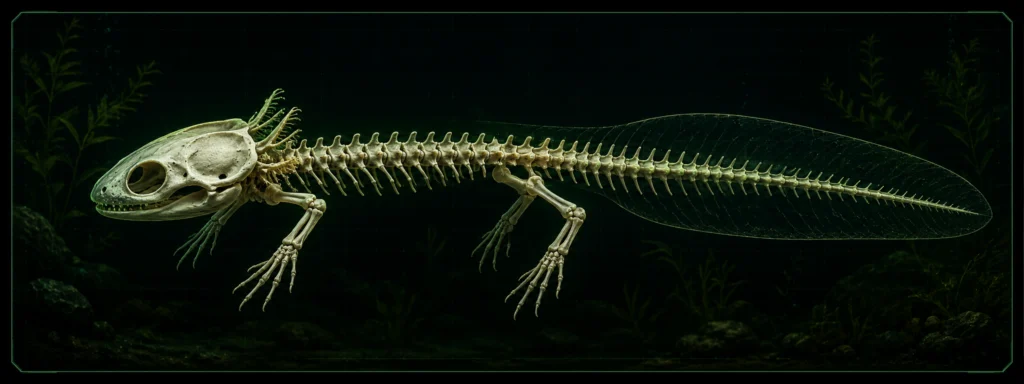
Skeleton of Axolotl
Natural range