Breeding animal
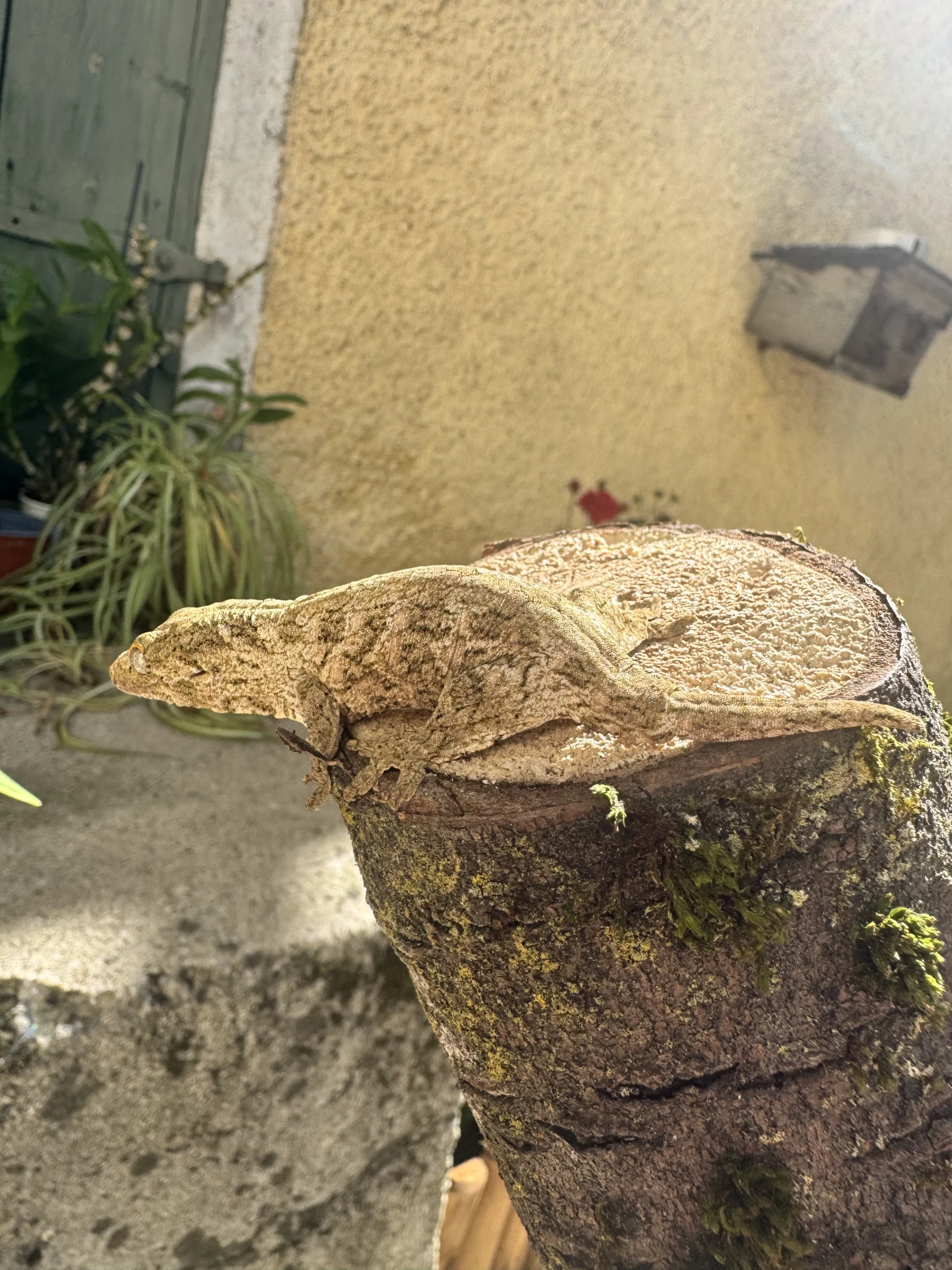
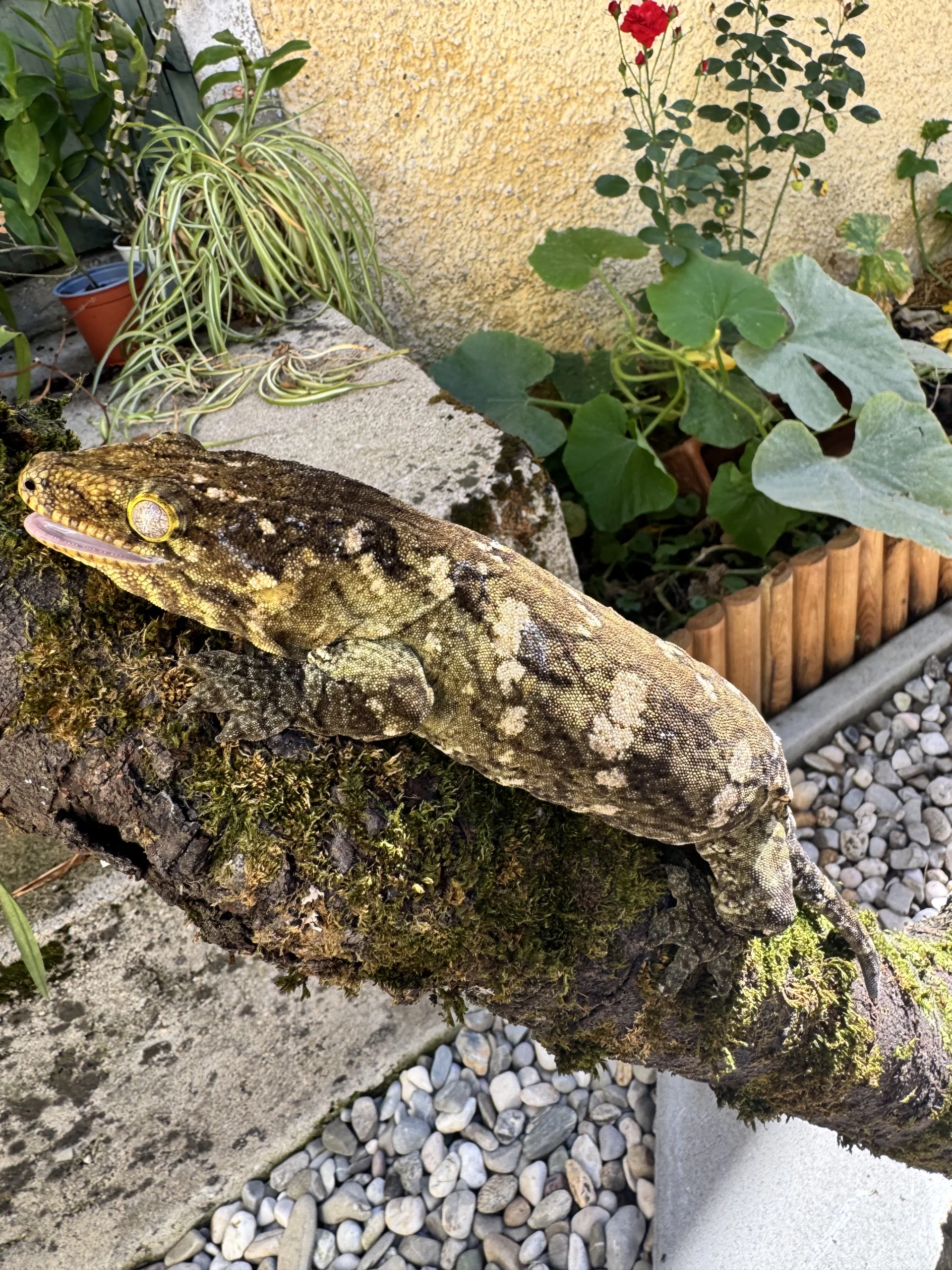
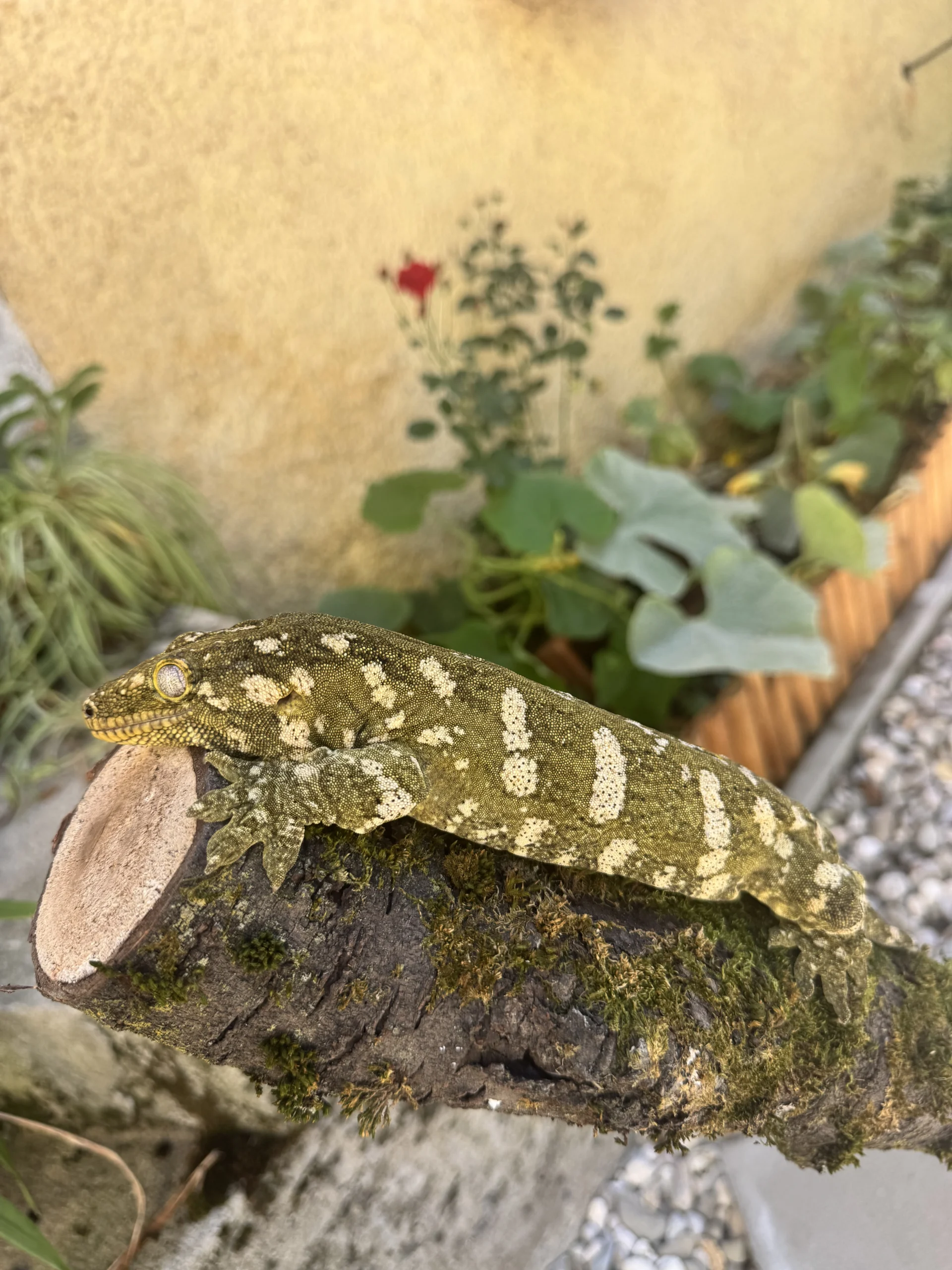
The world’s largest living gecko, a nocturnal tree-dweller found only in New Caledonia.
Here we introduce our New Caledonian Giant Gecko breeding group (Rhacodactylus leachianus). Alongside the individual breeding animals, you will find practical information about natural range, general husbandry, morphs or localities, genetics and our long-term breeding plans.
At JZ-Reptiles, we put a lot of value on well-documented reptile keeping and responsible breeding here in Austria. With New Caledonian Giant Gecko, our focus is on traceable origins, healthy breeding animals and clear information about our lines.
Restricted to New Caledonia, including parts of the main island and several smaller offshore islands.
New Caledonian giant geckos need a tall, structured enclosure with thick branches, cork tubes and protected sleeping places. Good ventilation, natural humidity cycles and a balanced diet suitable for New Caledonian geckos are important. Pairs must be watched carefully for compatibility.
General guide: moderately warm conditions with a clear night-time drop, regular humidity cycles and good airflow. Provide strong vertical structure, thick branches or cork tubes and a balanced diet.
Use a tall enclosure that is also wide and deep enough to offer plenty of real climbing area and sheltered sleeping sites. Pairs need considerably more space and several ways to avoid one another.
In the wild: Fruit, nectar and animal foods such as insects, with occasional small vertebrate prey.
In human care: A complete high-quality fruit-based gecko diet as the staple, supplemented with suitable feeder insects; ensure balanced mineral nutrition.
Rhacodactylus leachianus is not generally listed in the CITES Appendices at present. National or regional rules and proof of legal origin may still apply.
Not venomous. Large animals can deliver a strong bite, so pairing and handling should be approached carefully.
The husbandry information and space recommendations on this page are general guidance. Legal minimum requirements vary between countries and regions and must always be checked locally. Before buying any animal, please take the time to learn about the species in depth – you are welcome to ask us, and we also recommend good specialist literature. Husbandry should always be adapted to the species, locality, age, size and individual animal.
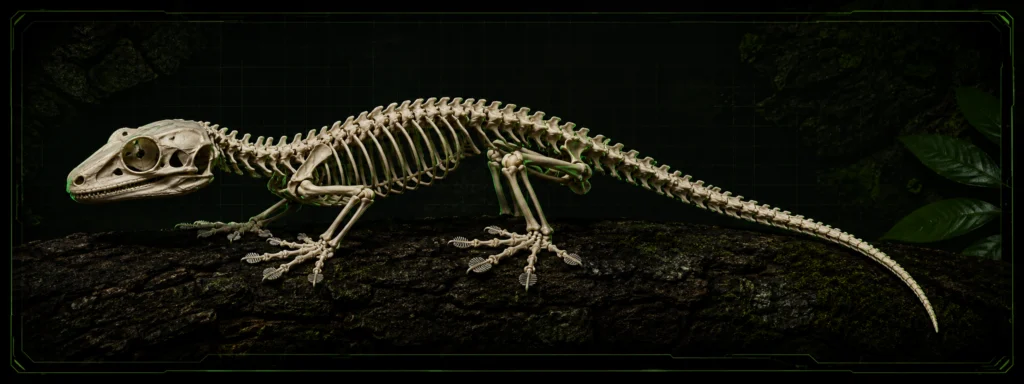
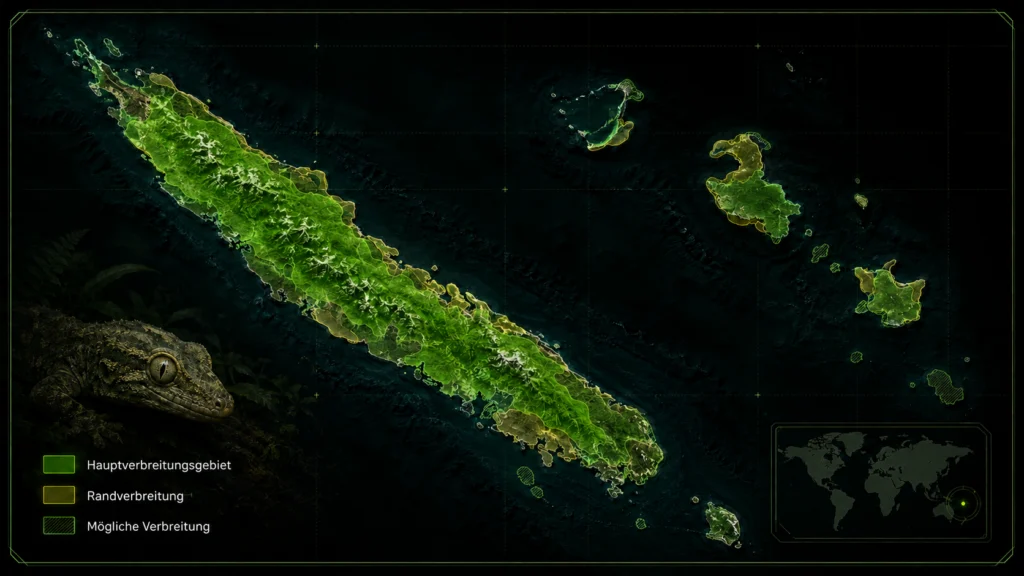
The species is endemic to New Caledonia, where different island and mainland populations occur in forest habitats.
New Caledonian giant geckos need a vertically structured enclosure with robust climbing surfaces, sheltered retreats, good ventilation and an appropriate humidity cycle. Furnishings must be securely fixed for these heavy arboreal geckos.
This arboreal species needs substantial usable height, robust climbing surfaces, sheltered retreats and good spatial structure.
Giant geckos are powerful and comparatively heavy arboreal geckos. Load-bearing elements therefore need to be securely fixed and appropriately sized.
An appropriate humidity cycle should be combined with good air movement. Persistently wet or poorly ventilated conditions should be avoided.
Yes. Several sheltered retreat options give the animal choices and contribute to a well-structured enclosure.
For Rhacodactylus leachianus, origin and lineage can be relevant to documentation and breeding plans. Traceable records help keep breeding decisions transparent.
You can find our breeding animals and species information on the breeding animals page for New Caledonian giant gecko (Rhacodactylus leachianus). See our breeding animals.
You can see what is currently available on our animals-for-sale page. Availability changes throughout the breeding season and as individual animals develop. See what is available.
More from JZ-Reptiles: Animals currently available · FAQ