Breeding animal
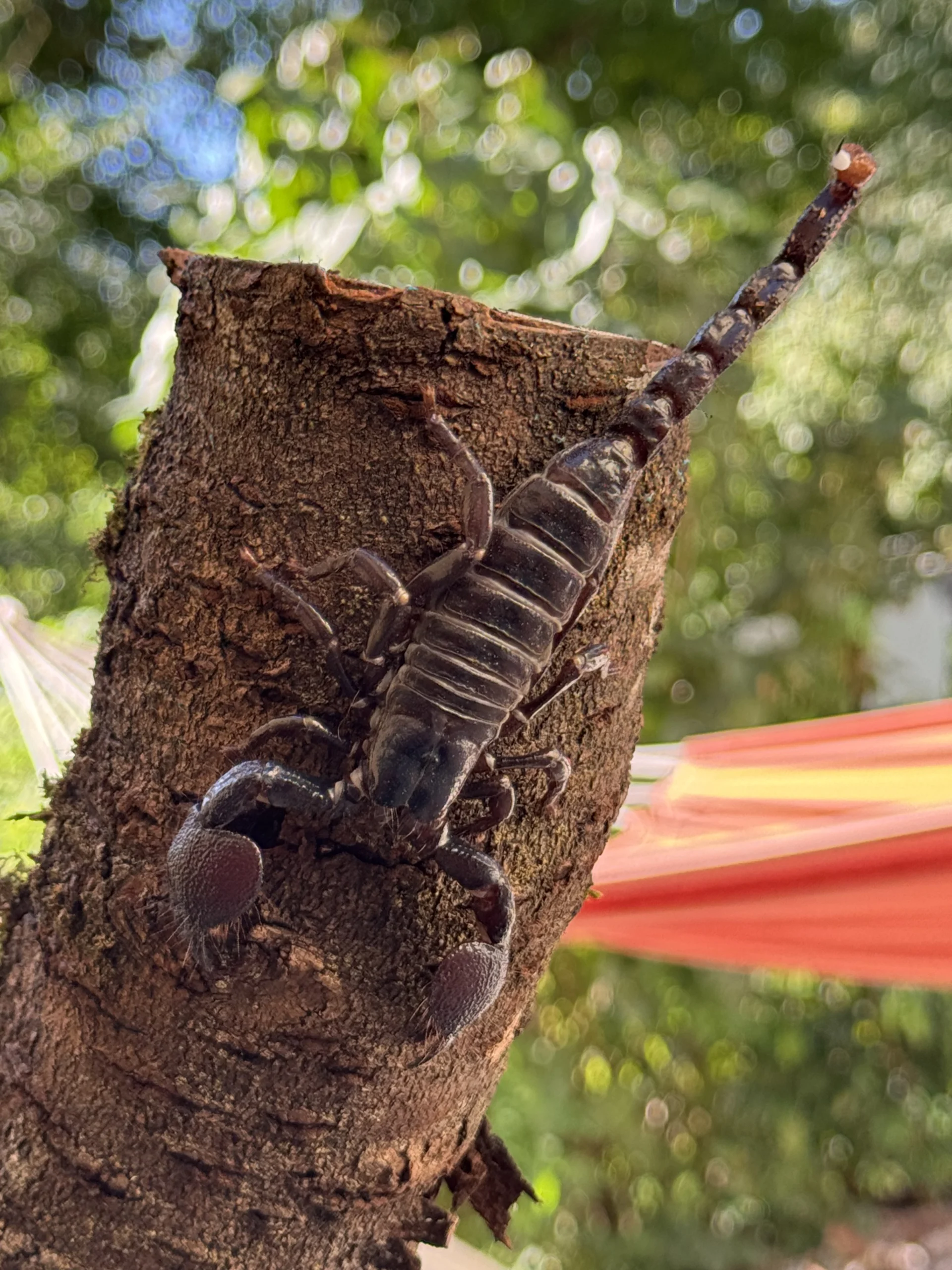
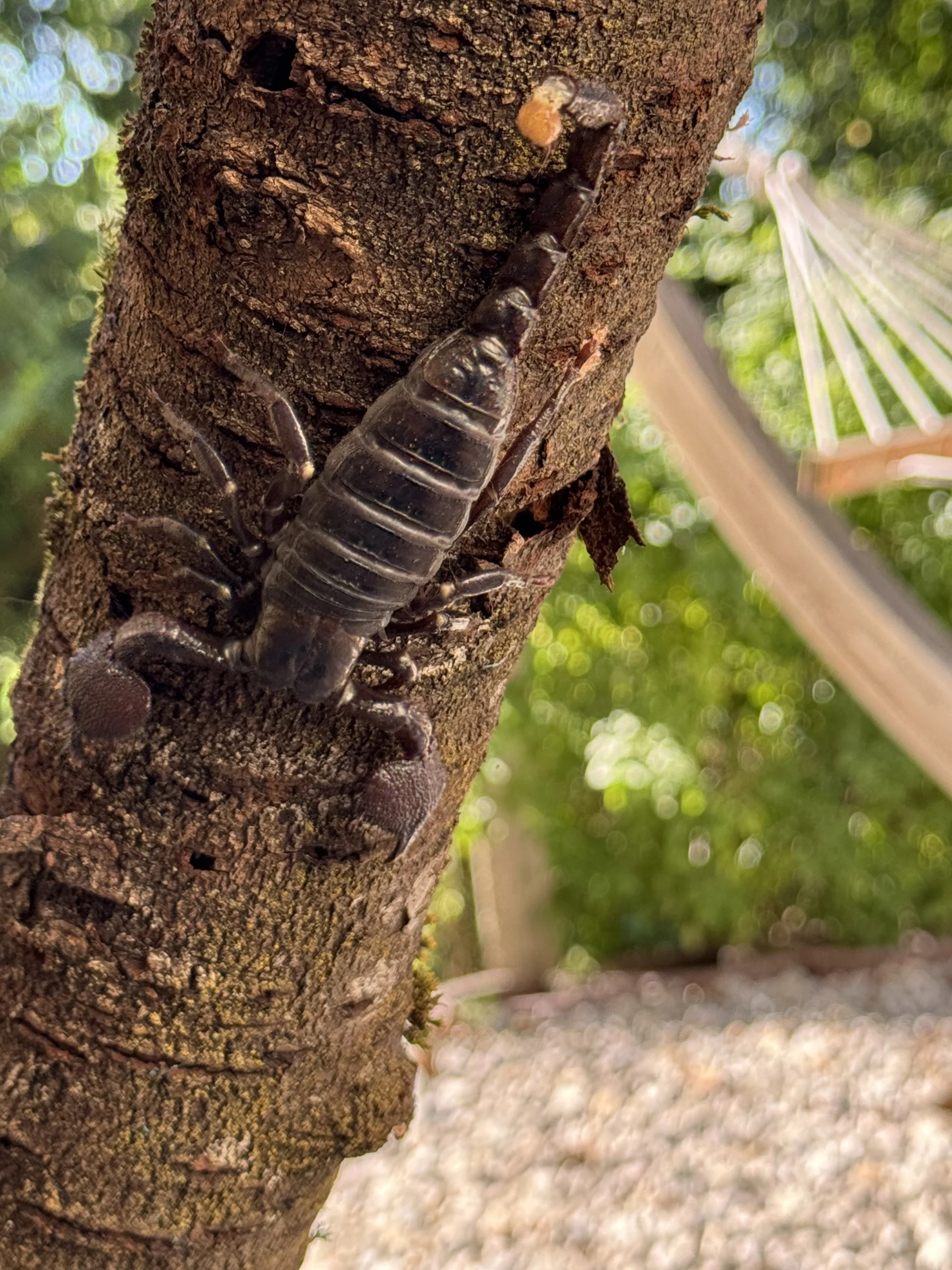
A large, heavily built forest scorpion from West Africa, known for its powerful claws and comparatively mild venom.
Here we introduce our Emperor Scorpion breeding group (Pandinus imperator). Alongside the individual breeding animals, you will find practical information about natural range, general husbandry, morphs or localities, genetics and our long-term breeding plans.
At JZ-Reptiles, we put a lot of value on well-documented reptile keeping and responsible breeding here in Austria. With Emperor Scorpion, our focus is on traceable origins, healthy breeding animals and clear information about our lines.
Native to humid tropical parts of West Africa. Confirmed range states include Benin, Côte d’Ivoire, Ghana, Guinea, Liberia, Nigeria and Togo. The species lives mainly in warm, humid forest and forest-edge habitats, where it shelters in burrows, under roots and beneath fallen wood.
Emperor scorpions need a humid, well-ventilated terrestrial enclosure with a deep, stable substrate that holds burrows. Several dark hides, leaf litter, cork or roots and constant access to clean water should be provided. The substrate should stay slightly moist in the deeper layers without becoming waterlogged.
General guide: around 24–27 °C through most of the enclosure during the day, with a gently warmer area of roughly 27–29 °C. A moderate drop at night is suitable. Relative humidity is commonly kept around 70–85 %, combined with good ventilation and a moisture gradient in the substrate.
Floor area and substrate depth matter more than height. For an adult animal, use a secure terrestrial enclosure with enough room for several hides and at least roughly 15–20 cm of burrow-friendly substrate; larger enclosures and deeper substrate offer more behavioural choice. Group housing can work in suitable setups but always carries a risk of stress or cannibalism and requires close observation.
In the wild: Mainly insects and other invertebrates; larger animals may occasionally take small vertebrate prey.
In human care: A varied selection of appropriately sized feeder insects such as crickets, roaches and locusts. Match quantity and interval to age, size and body condition, and remove uneaten prey promptly.
Conservation status: CITES Appendix II (Pandinus imperator). International trade and cross-border transfers are subject to the relevant CITES documentation and proof-of-origin requirements.
VENOMOUS. The species is generally regarded as having relatively mild venom compared with medically important scorpions, but a sting can still be painful and individual or allergic reactions are possible. Handling should be avoided; use secure tools and a calm working routine when servicing the enclosure.
The husbandry information and space recommendations on this page are general guidance. Legal minimum requirements vary between countries and regions and must always be checked locally. Before buying any animal, please take the time to learn about the species in depth – you are welcome to ask us, and we also recommend good specialist literature. Husbandry should always be adapted to the species, locality, age, size and individual animal.
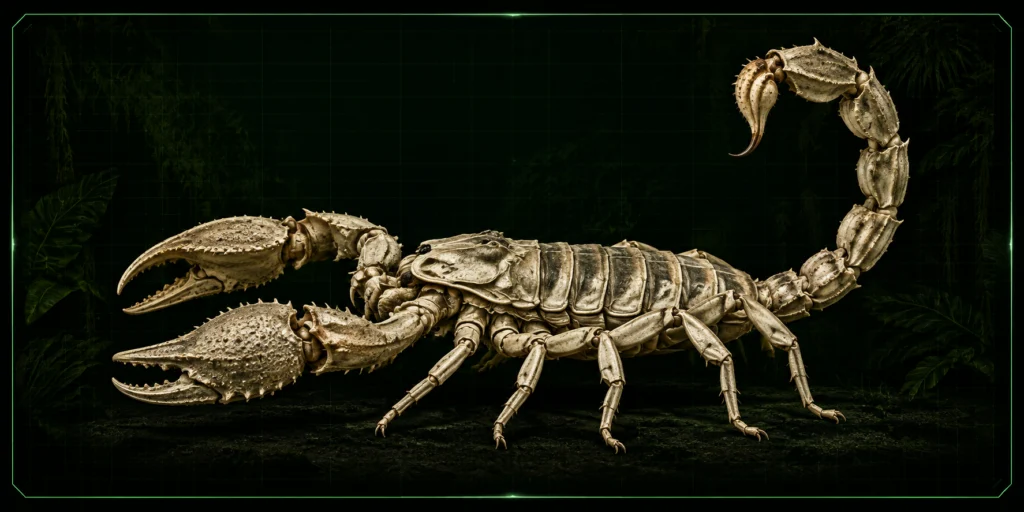
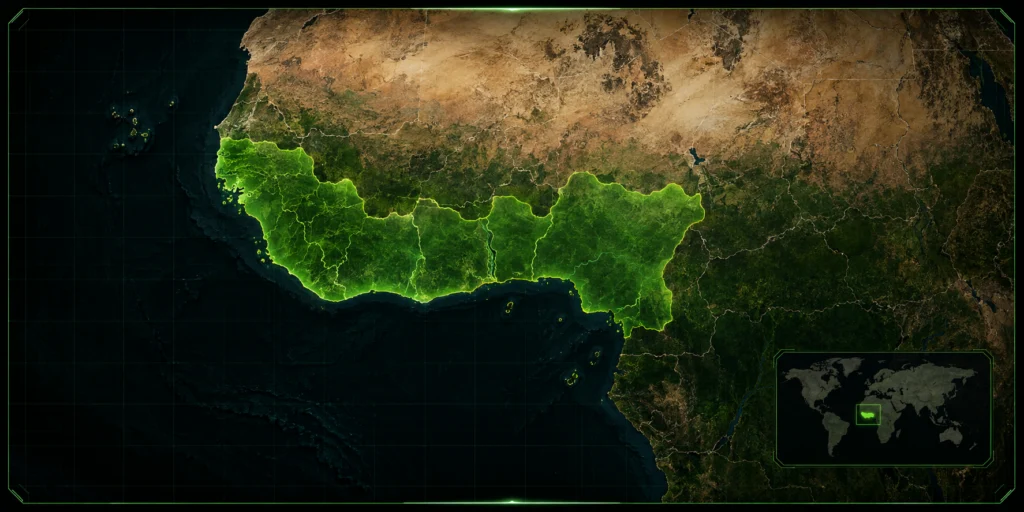
The emperor scorpion originates from humid tropical regions of West Africa, where it uses sheltered ground habitats and burrows.
Emperor scorpions need a secure terrestrial enclosure with deep, stable and burrowable substrate, sheltered hides, warm conditions and a suitable moisture gradient. Good ventilation should be maintained without allowing the substrate to dry out completely.
Emperor scorpions dig and use sheltered ground areas. A sufficiently deep, stable and permanently burrowable substrate zone should therefore be available.
The species originates from humid tropical habitats. A suitable moisture gradient in the substrate combined with functional ventilation is useful; persistently bone-dry or waterlogged substrate should be avoided.
Yes. Several secure retreats and burrowable areas give the animal choices and reduce unnecessary disturbance.
Emperor scorpions are predators that feed on suitable prey animals. Prey size and feeding intervals should be adapted to age, size and body condition.
Stable husbandry conditions, suitable retreats and burrowing opportunities, and close observation are important. Pair or group housing should only be attempted with sufficient structure and monitoring.
You can find our breeding animals and species information on the breeding animals page for Emperor scorpion (Pandinus imperator). See our breeding animals.
You can see what is currently available on our animals-for-sale page. Availability changes throughout the breeding season and as individual animals develop. See what is available.
More from JZ-Reptiles: Animals currently available · FAQ