

JZ-ReptilesPhoto coming soon
Male
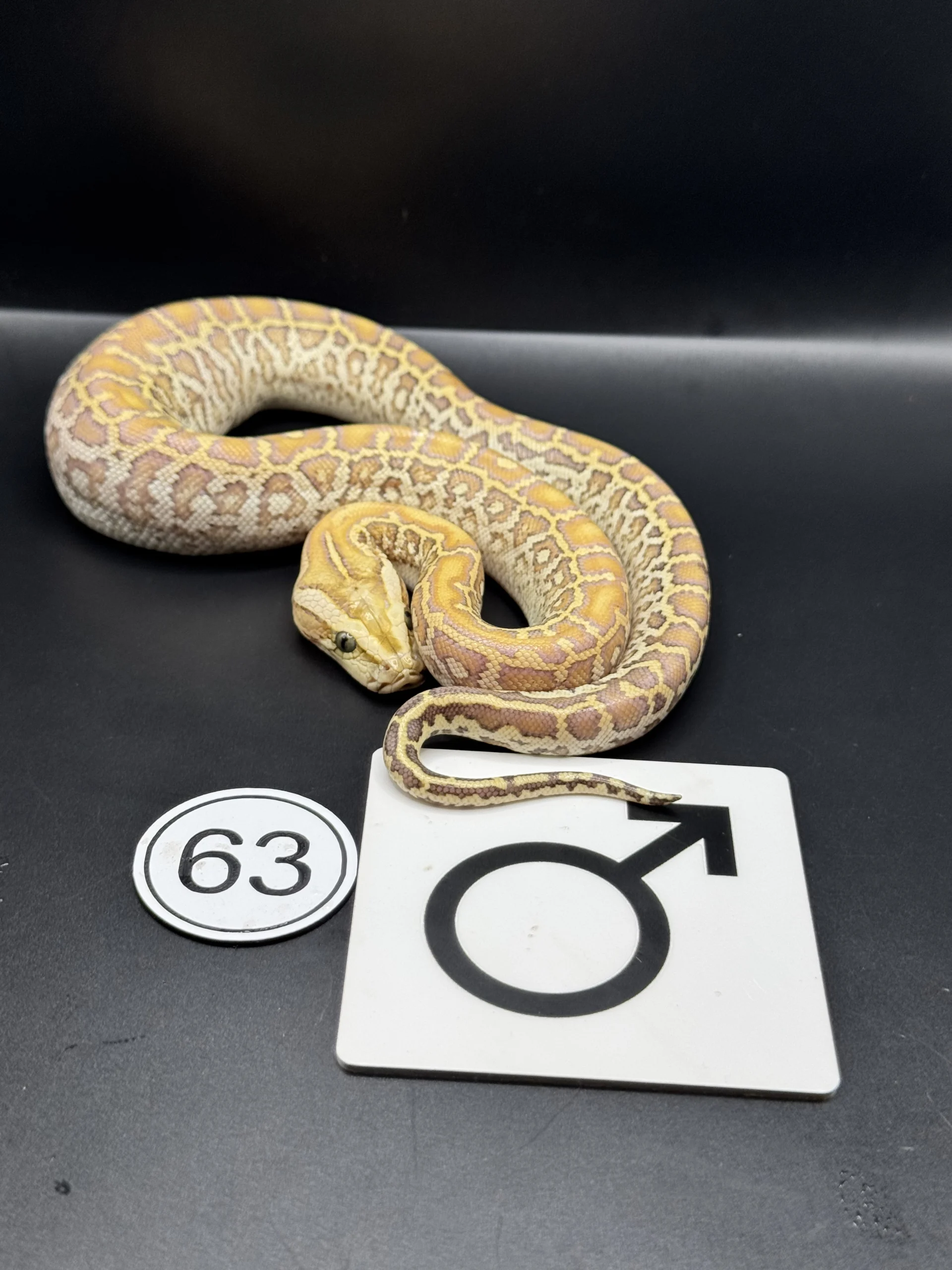
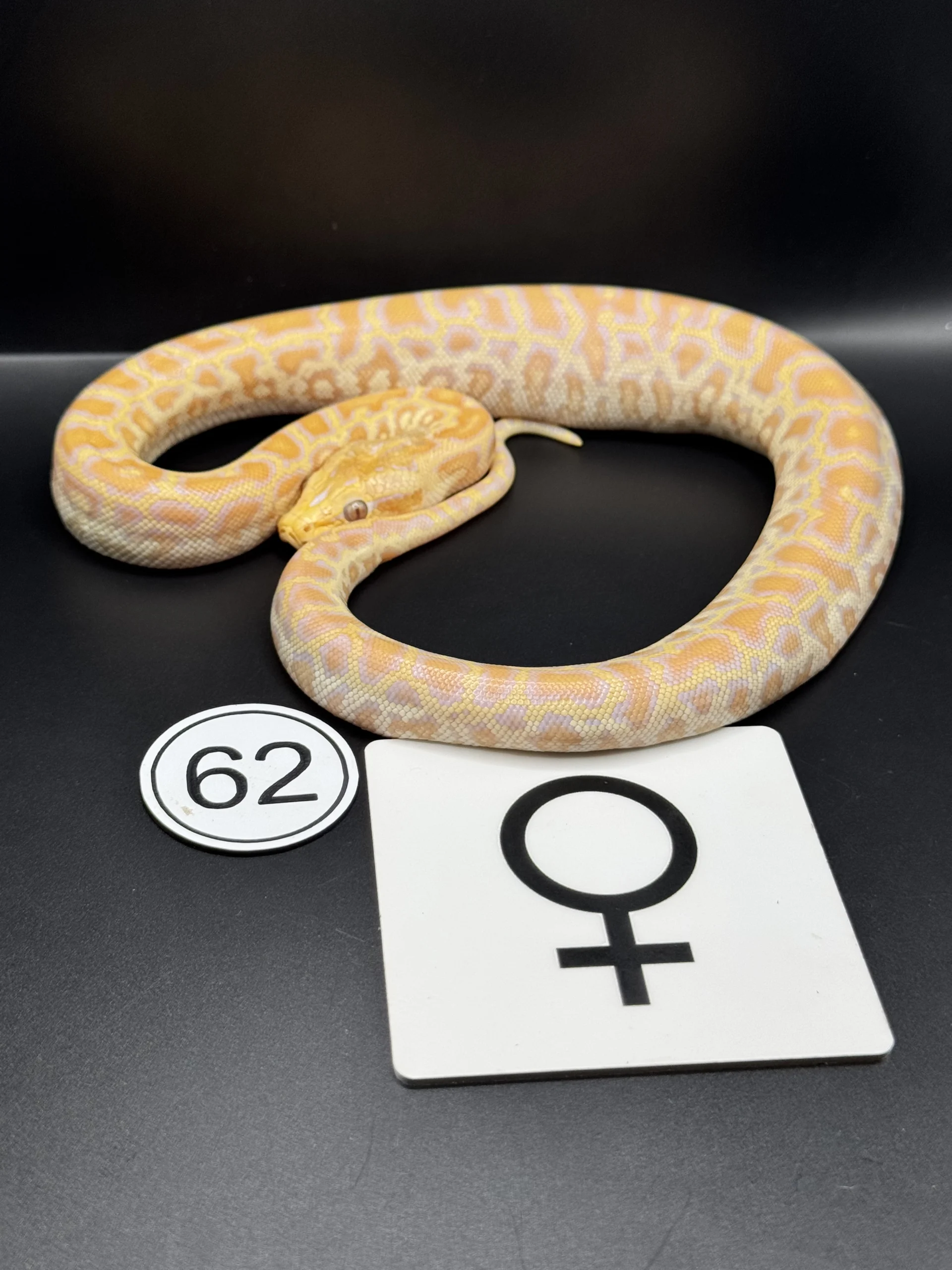
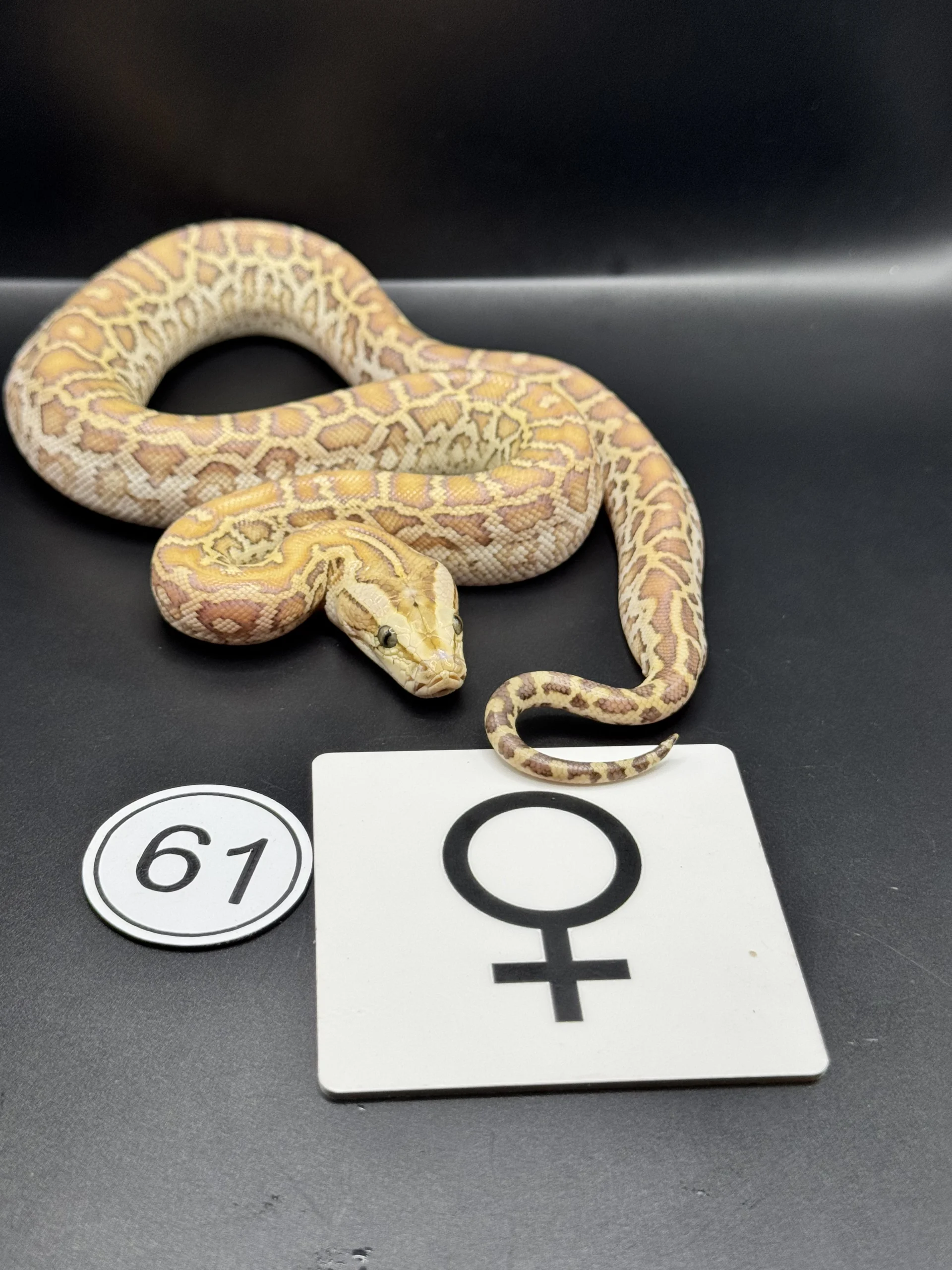
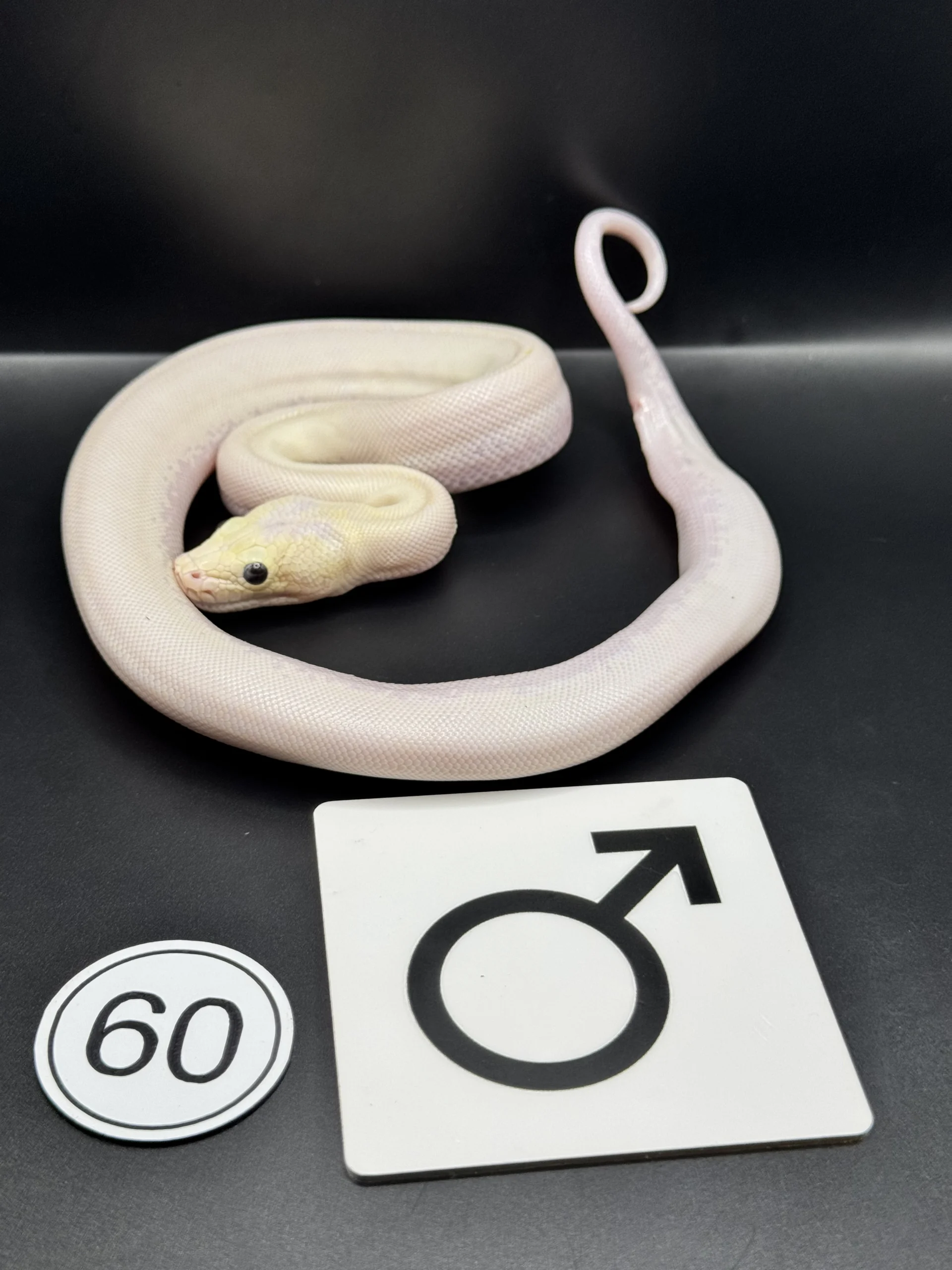
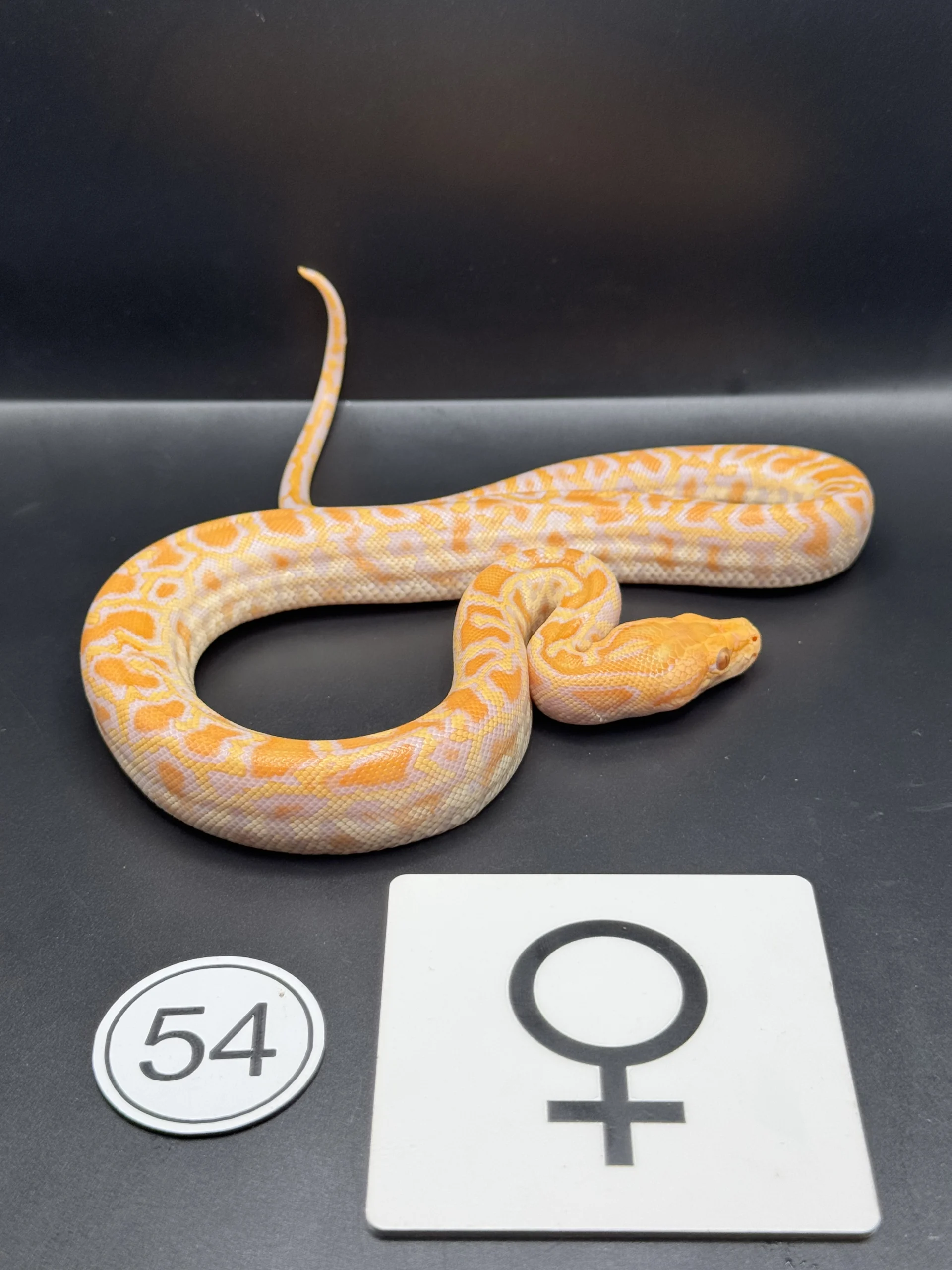
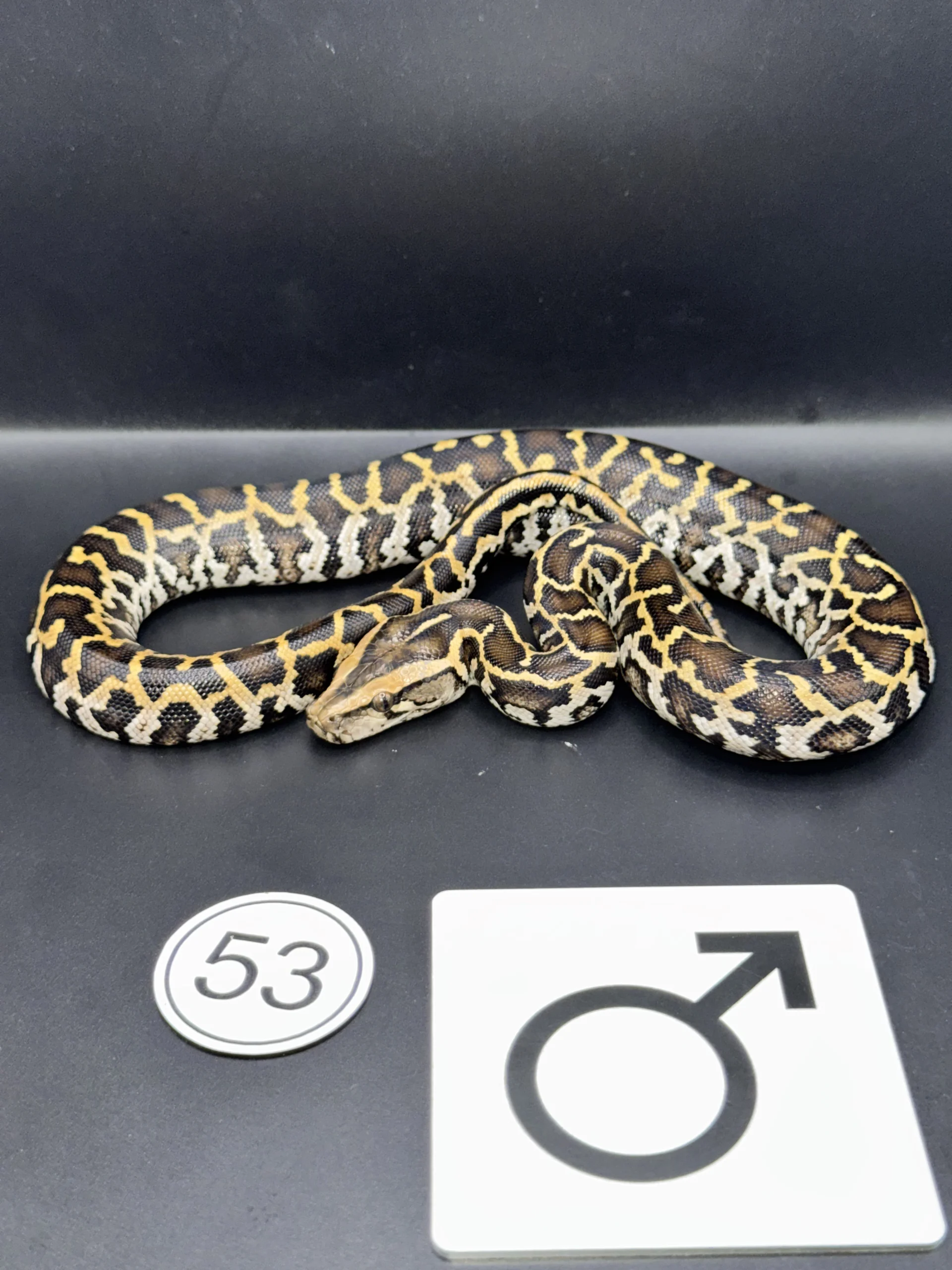
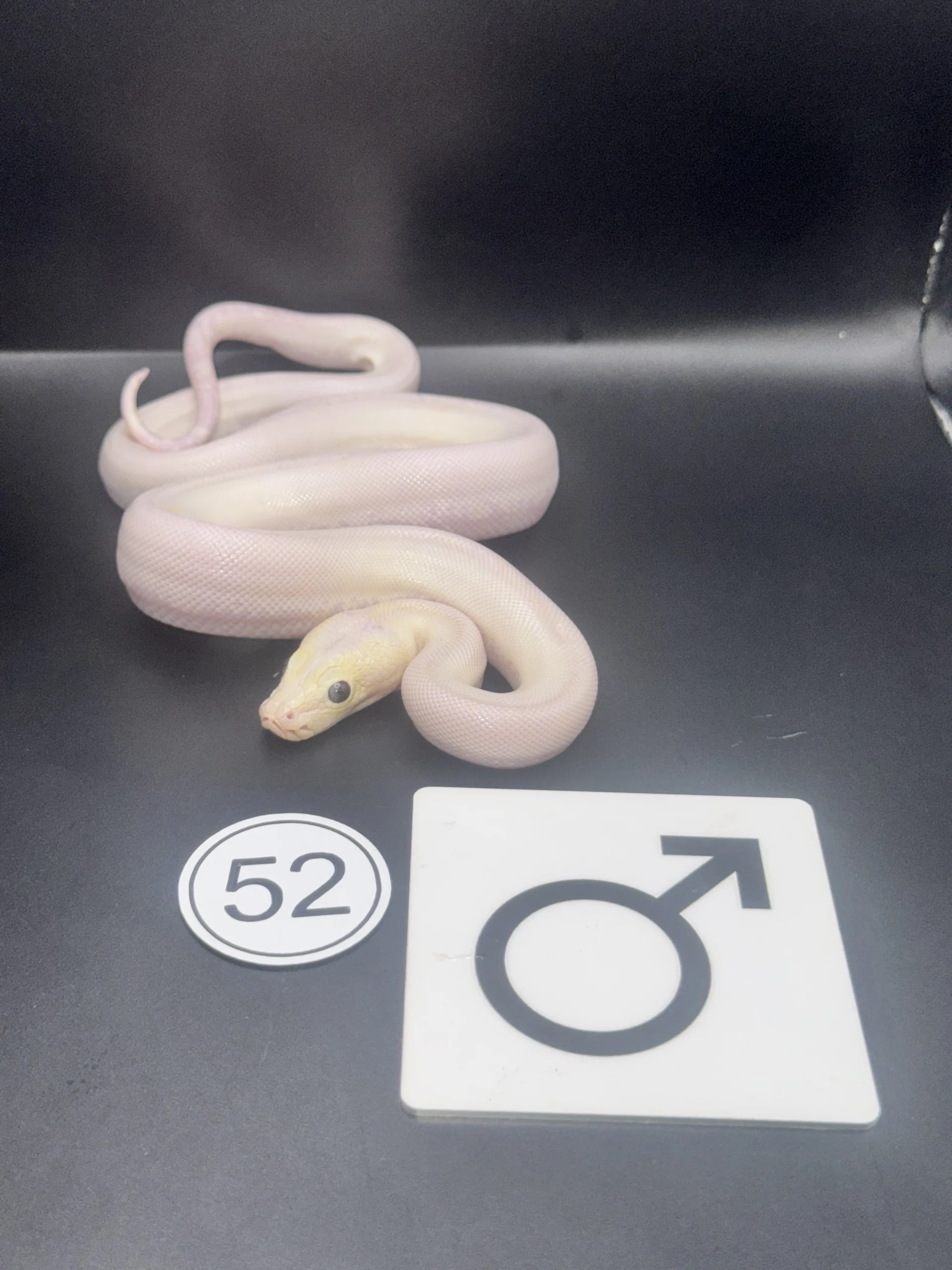
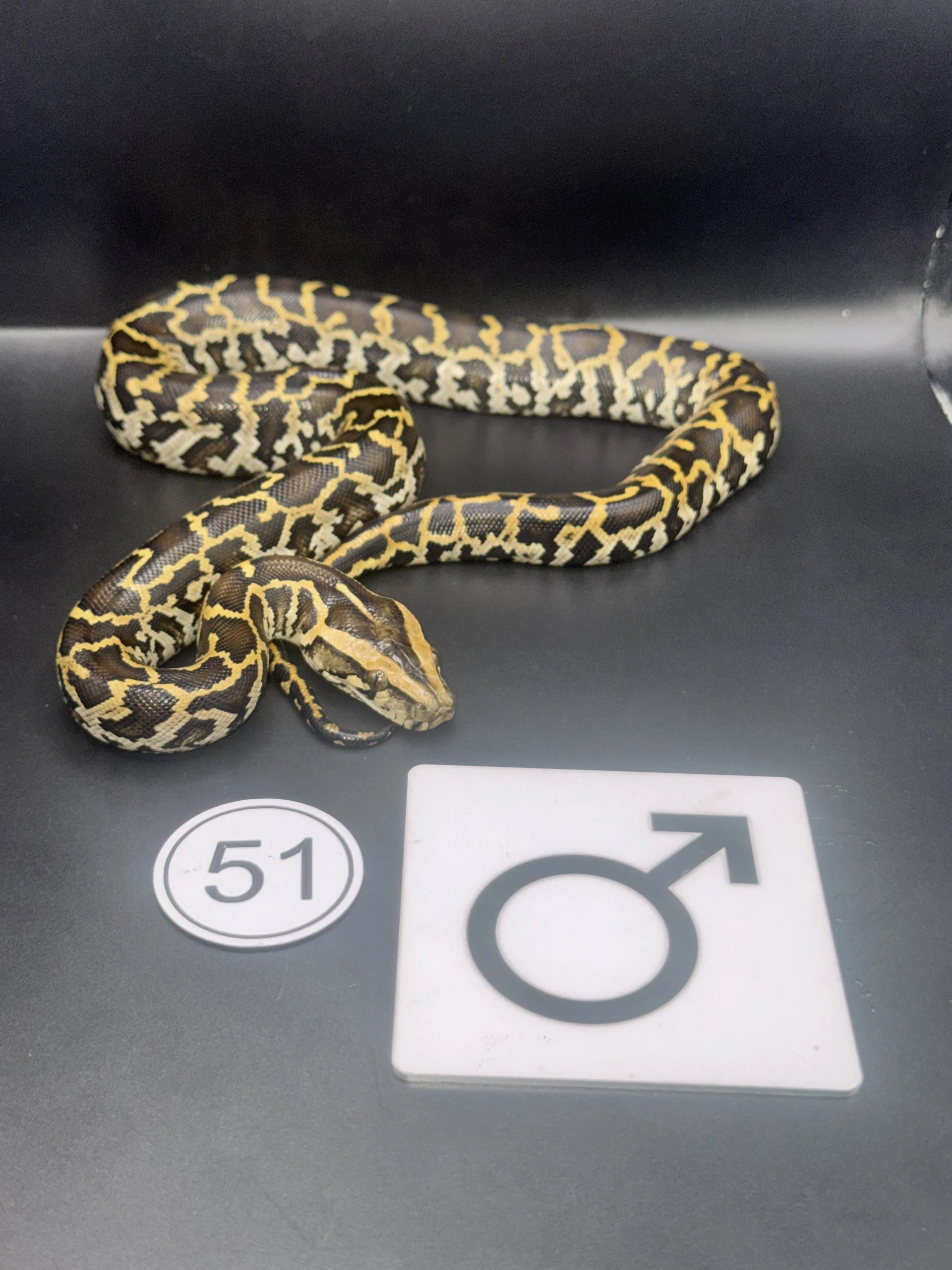
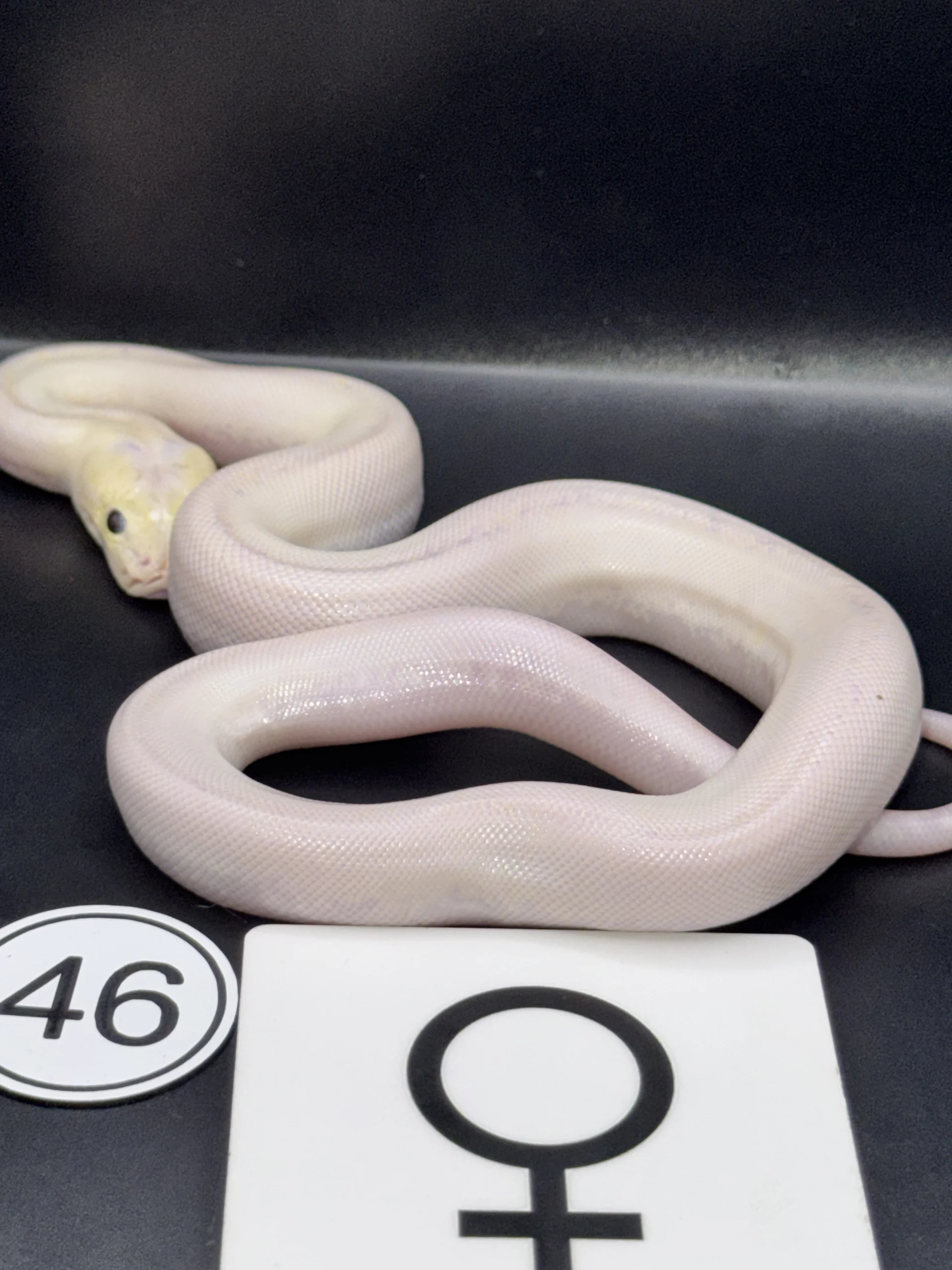
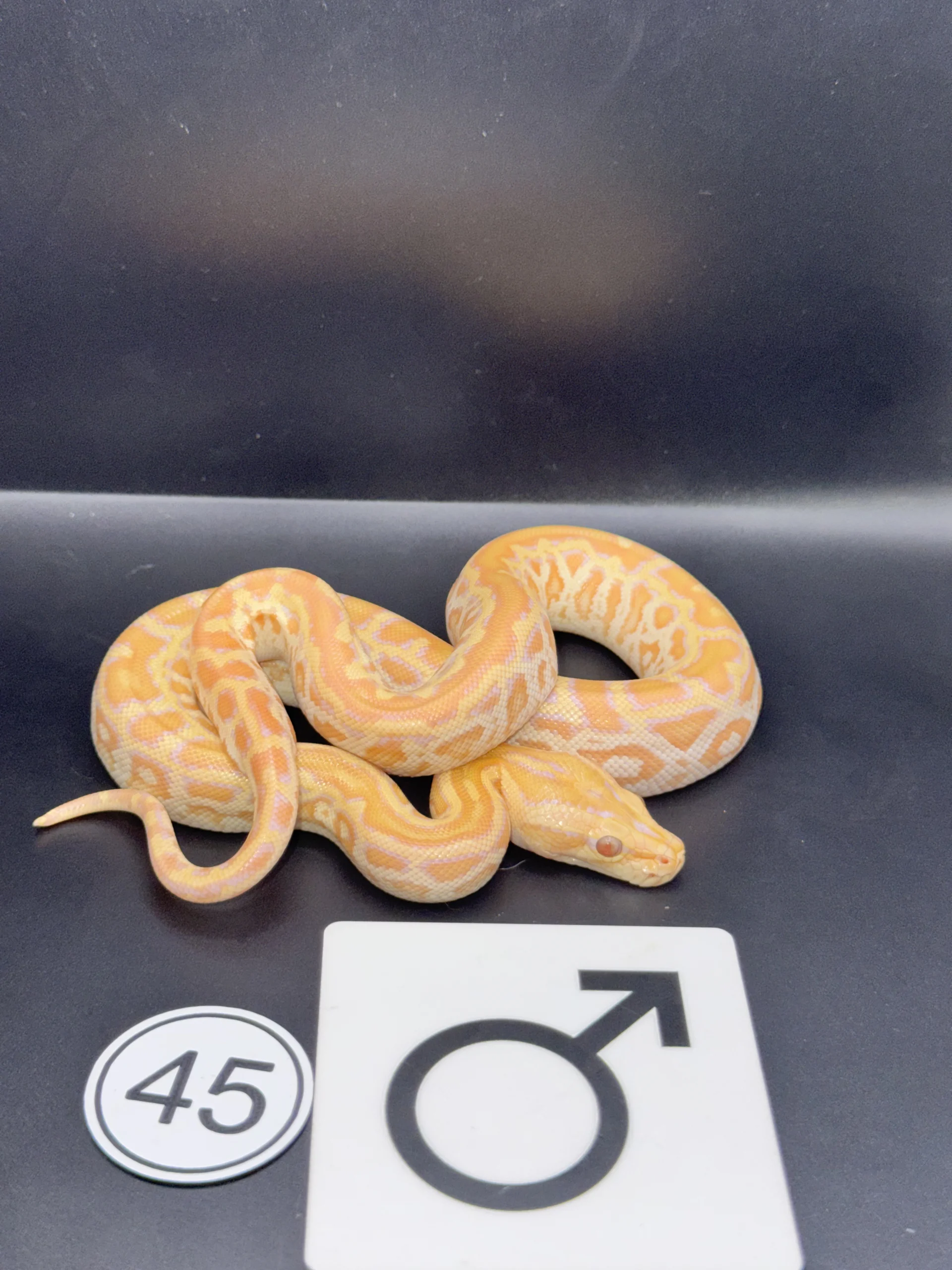
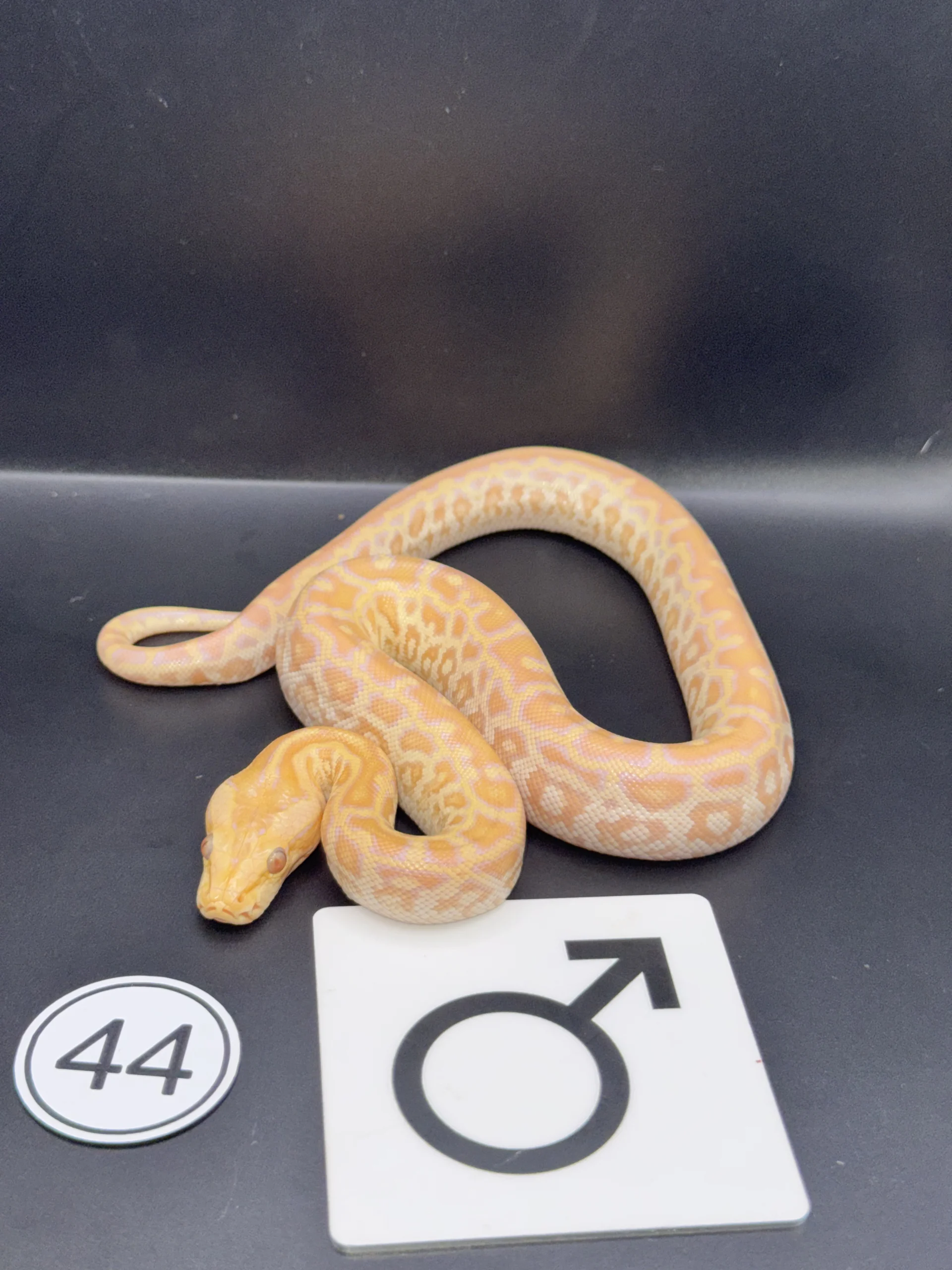
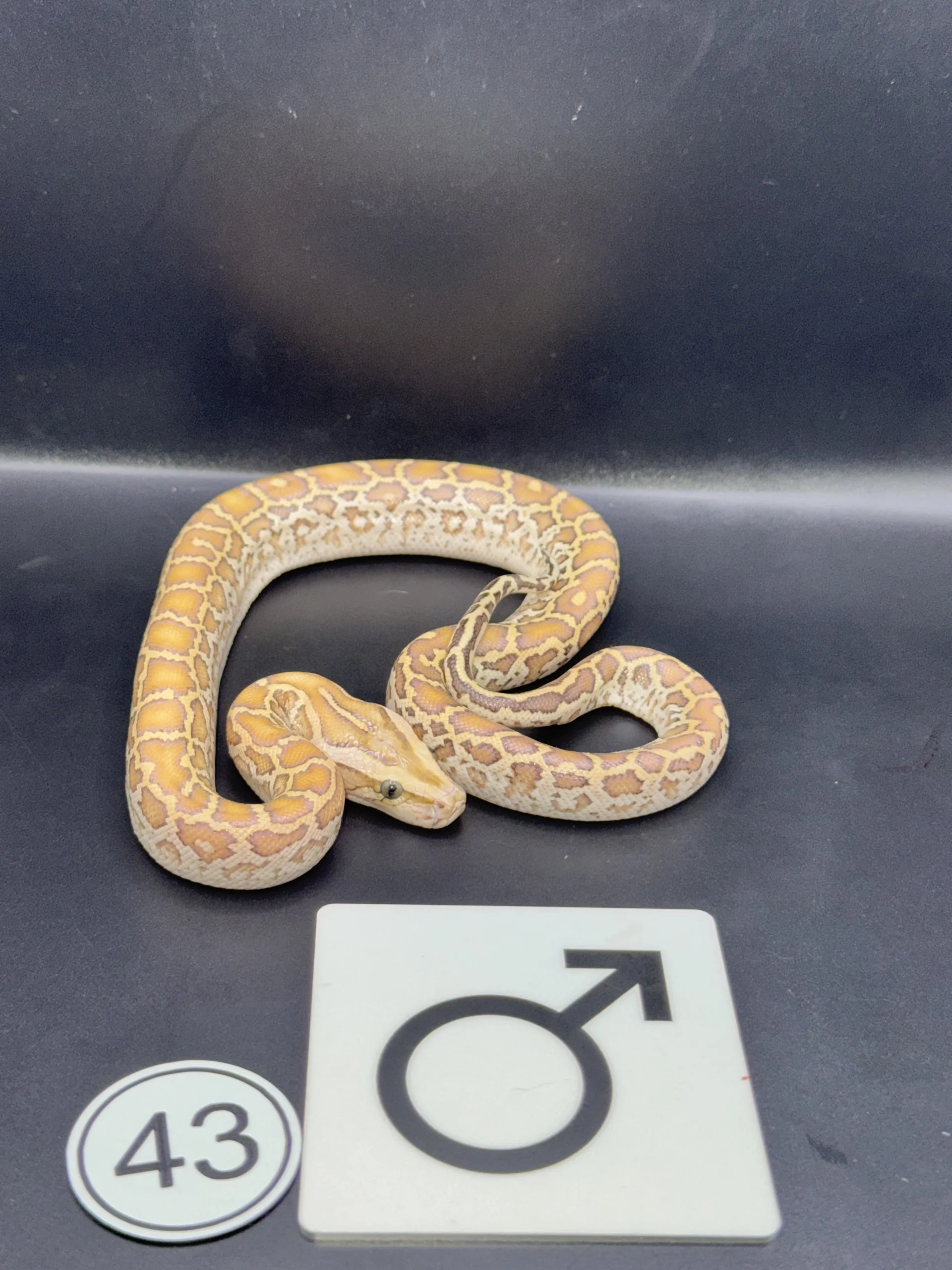
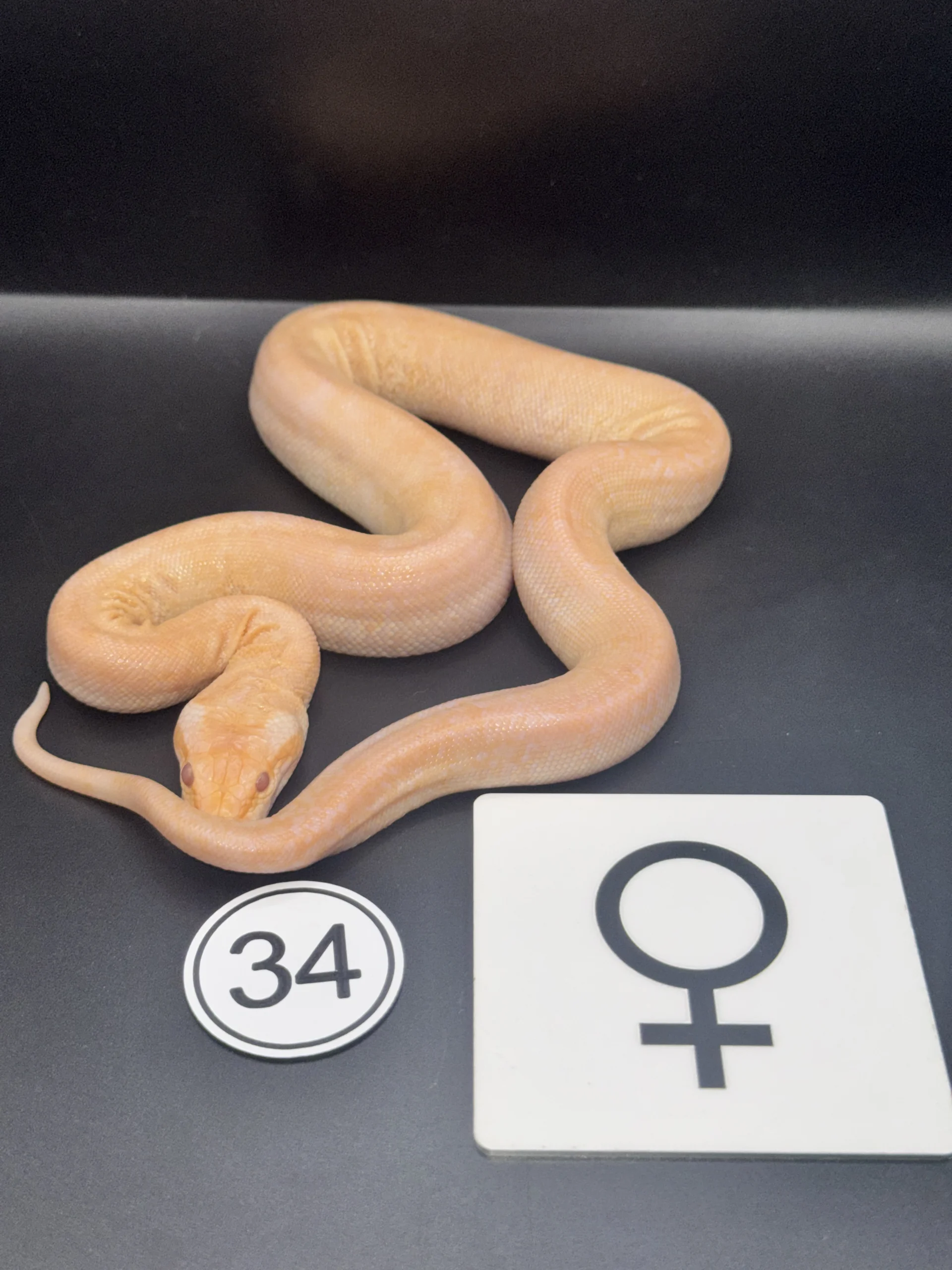
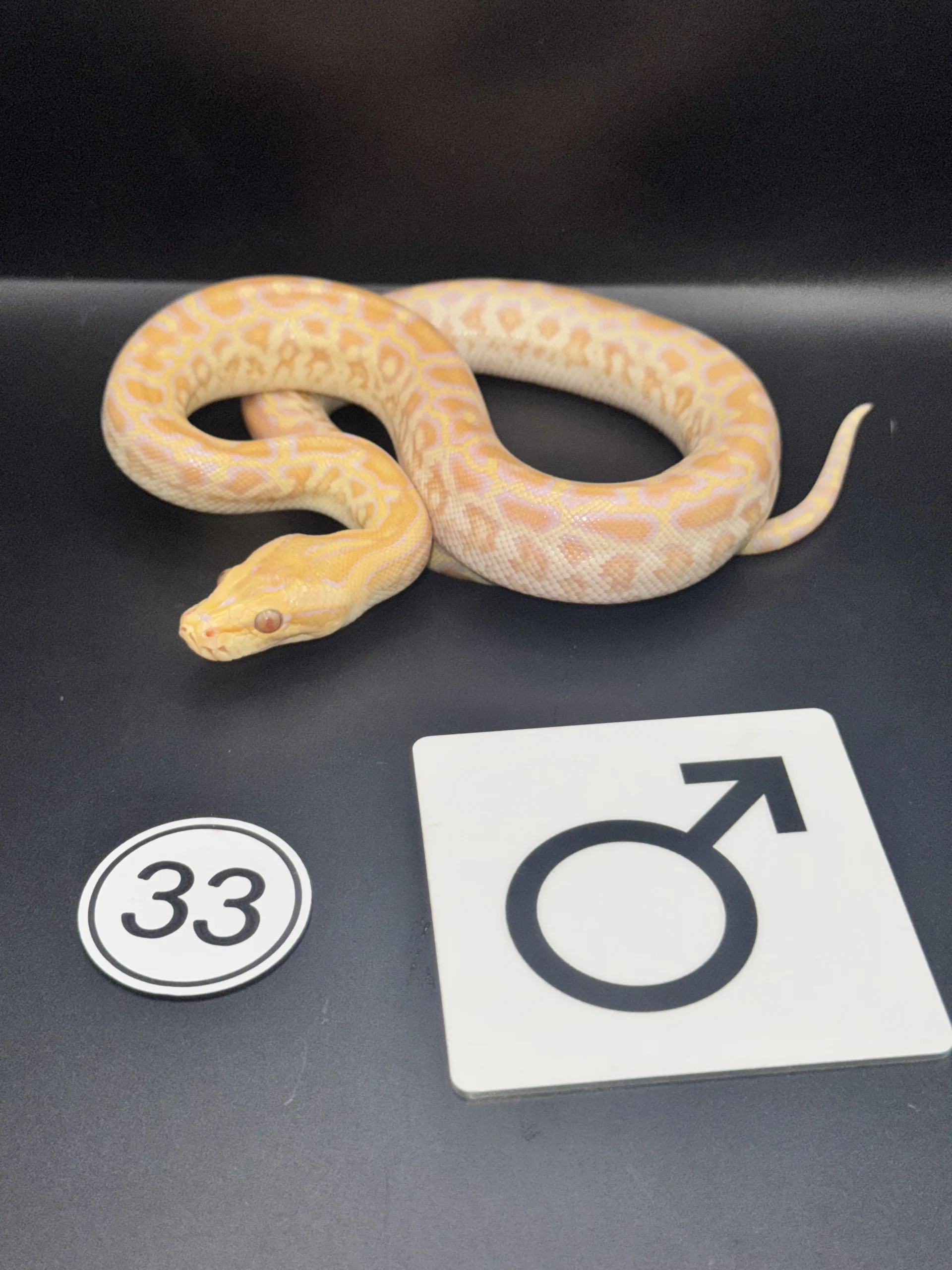
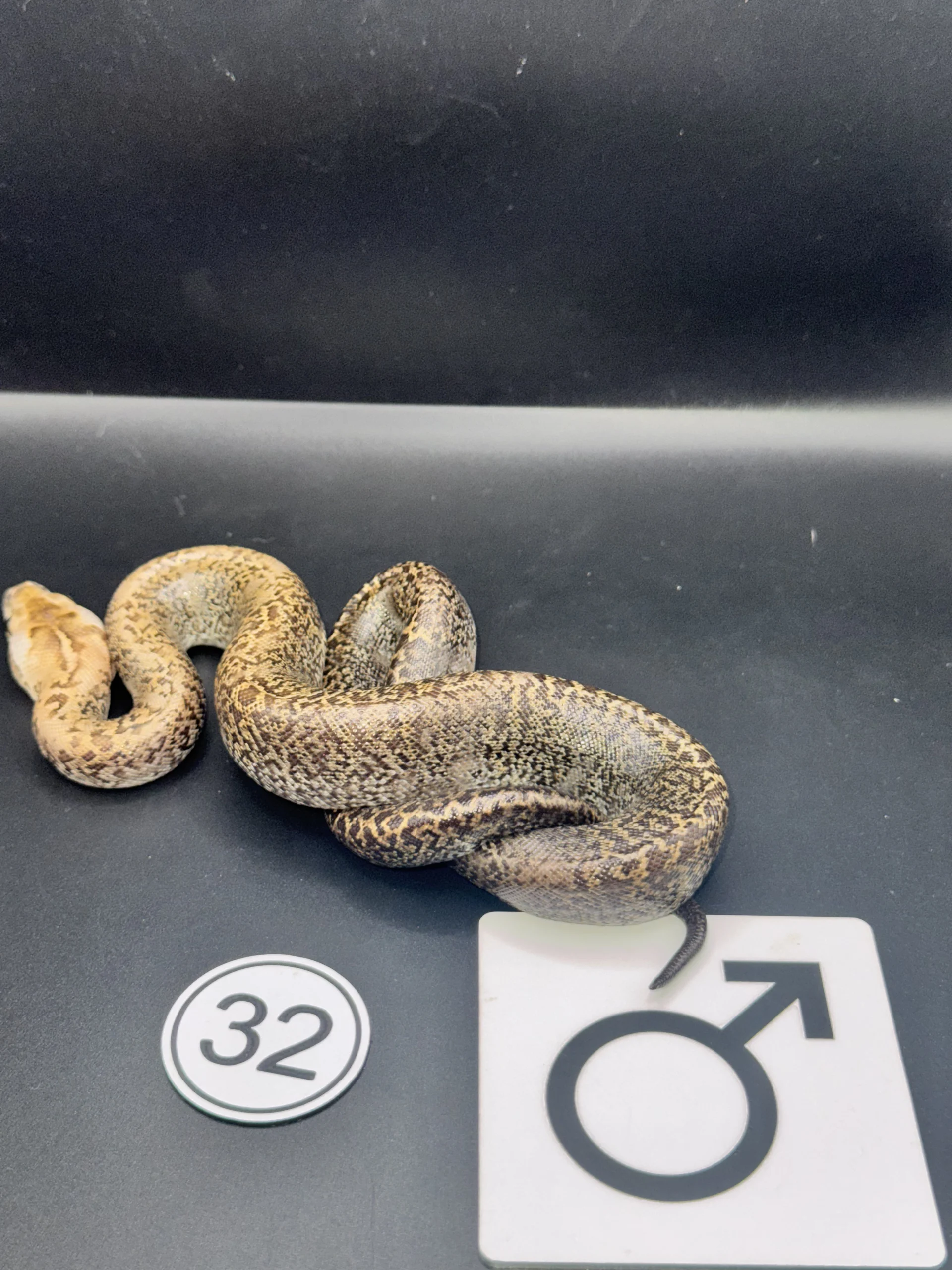
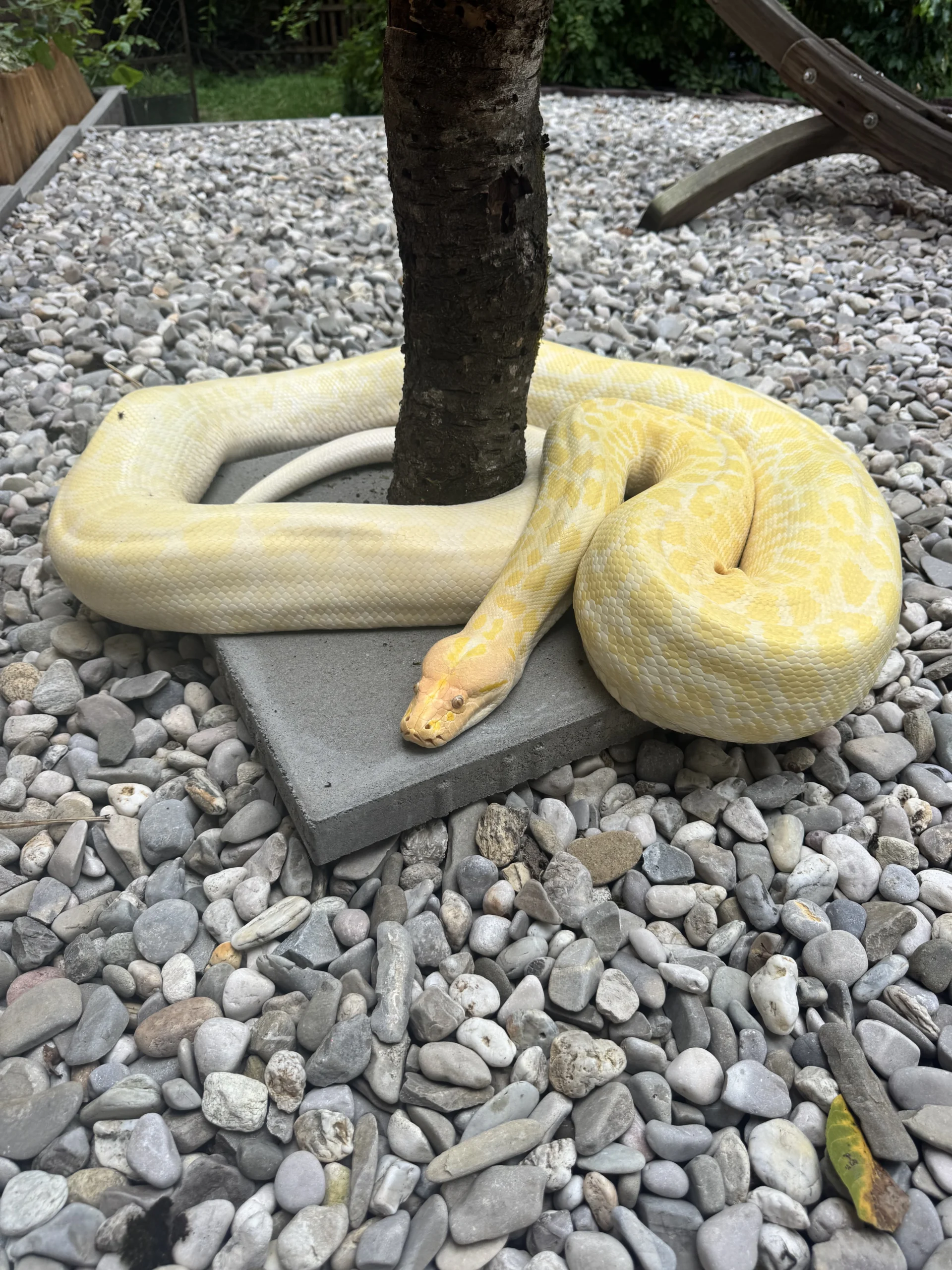
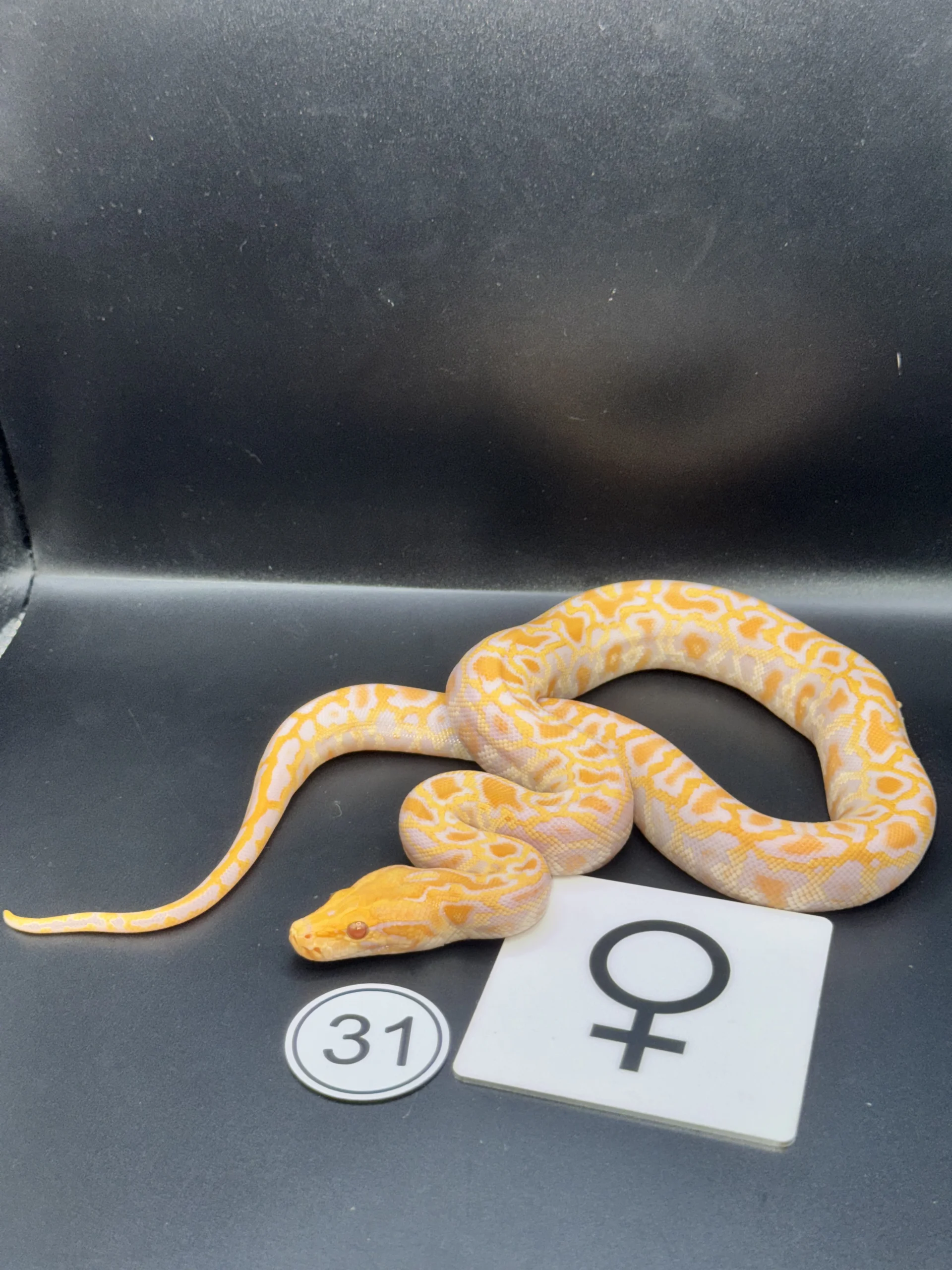
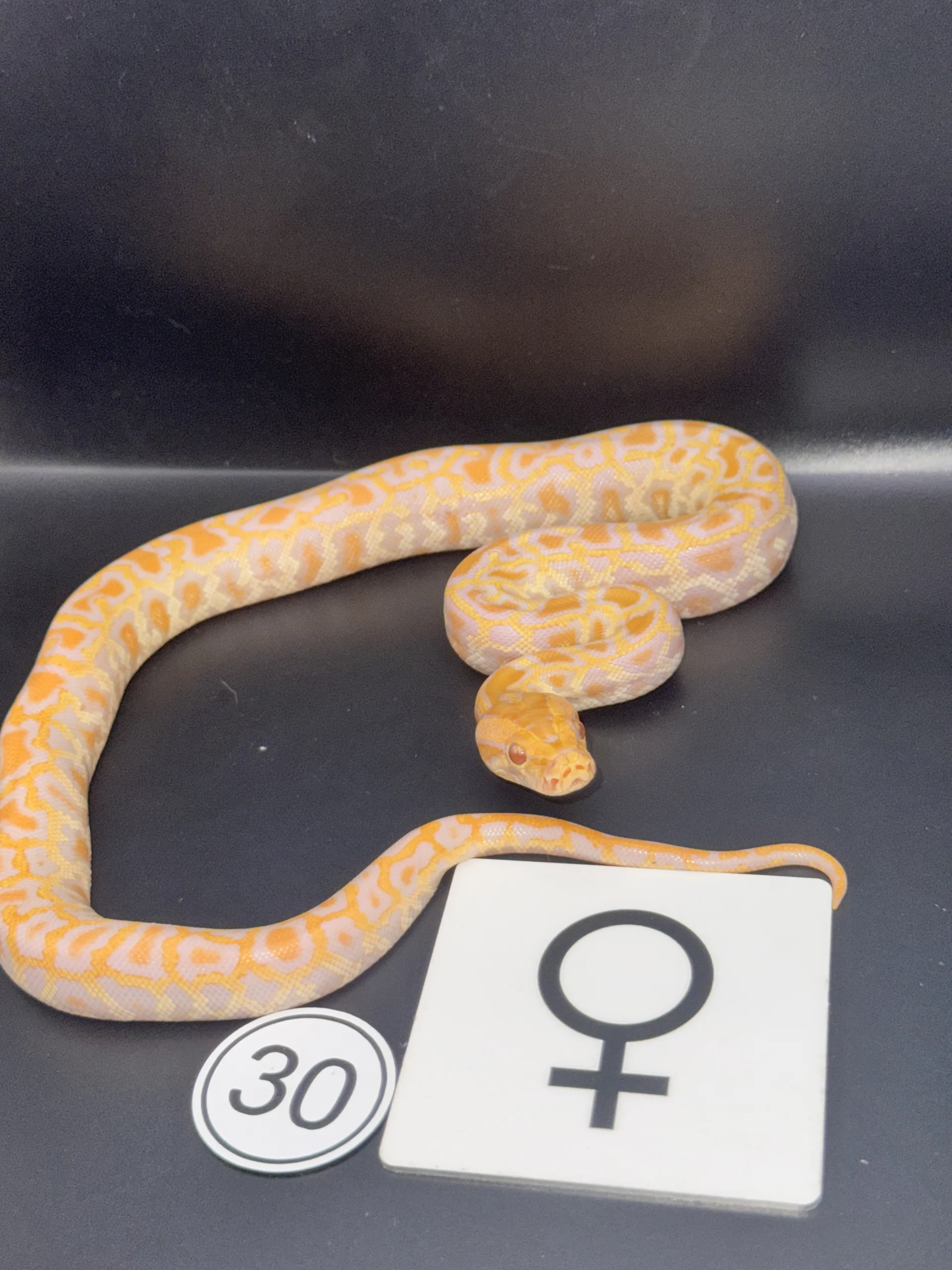
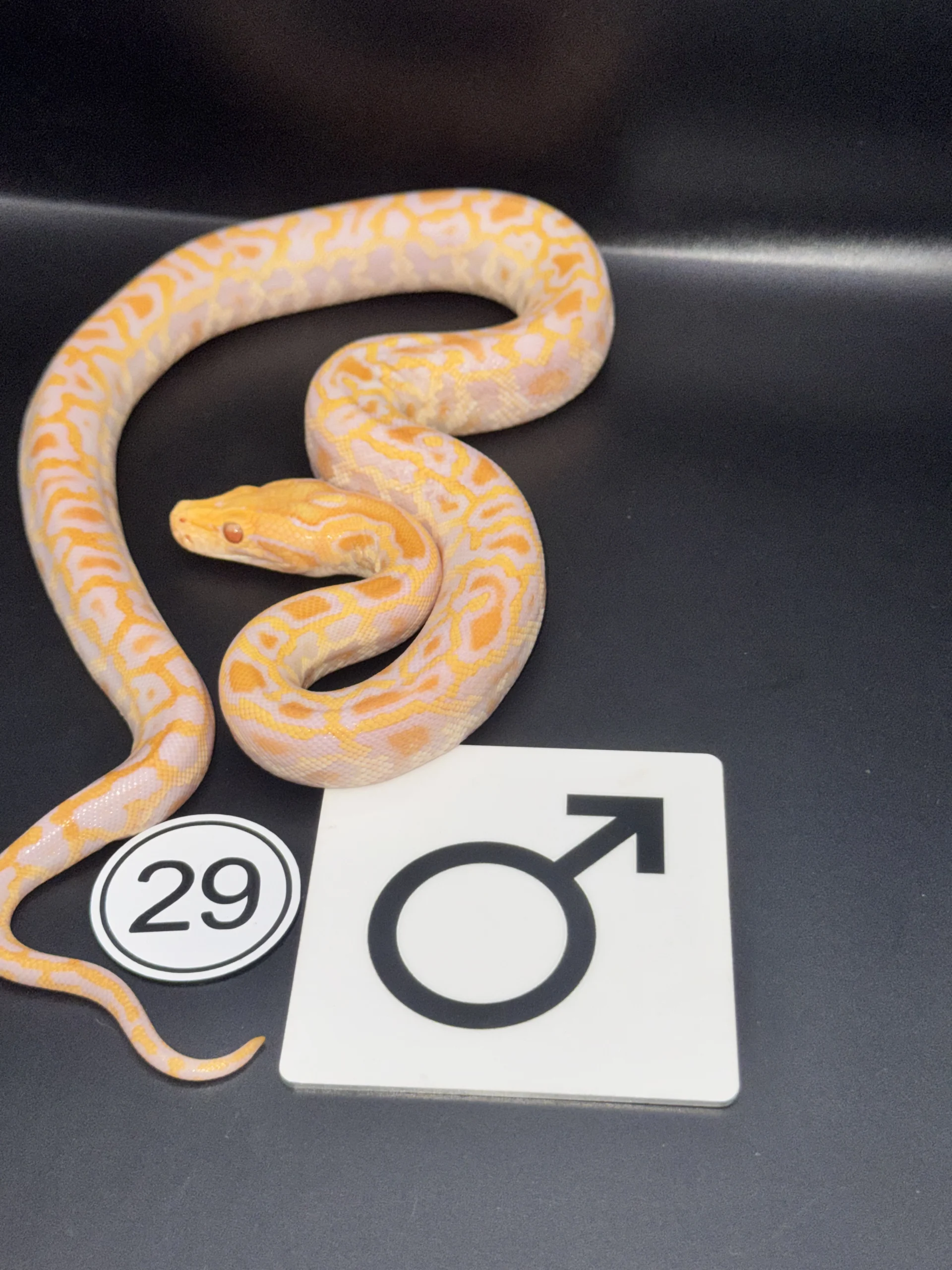
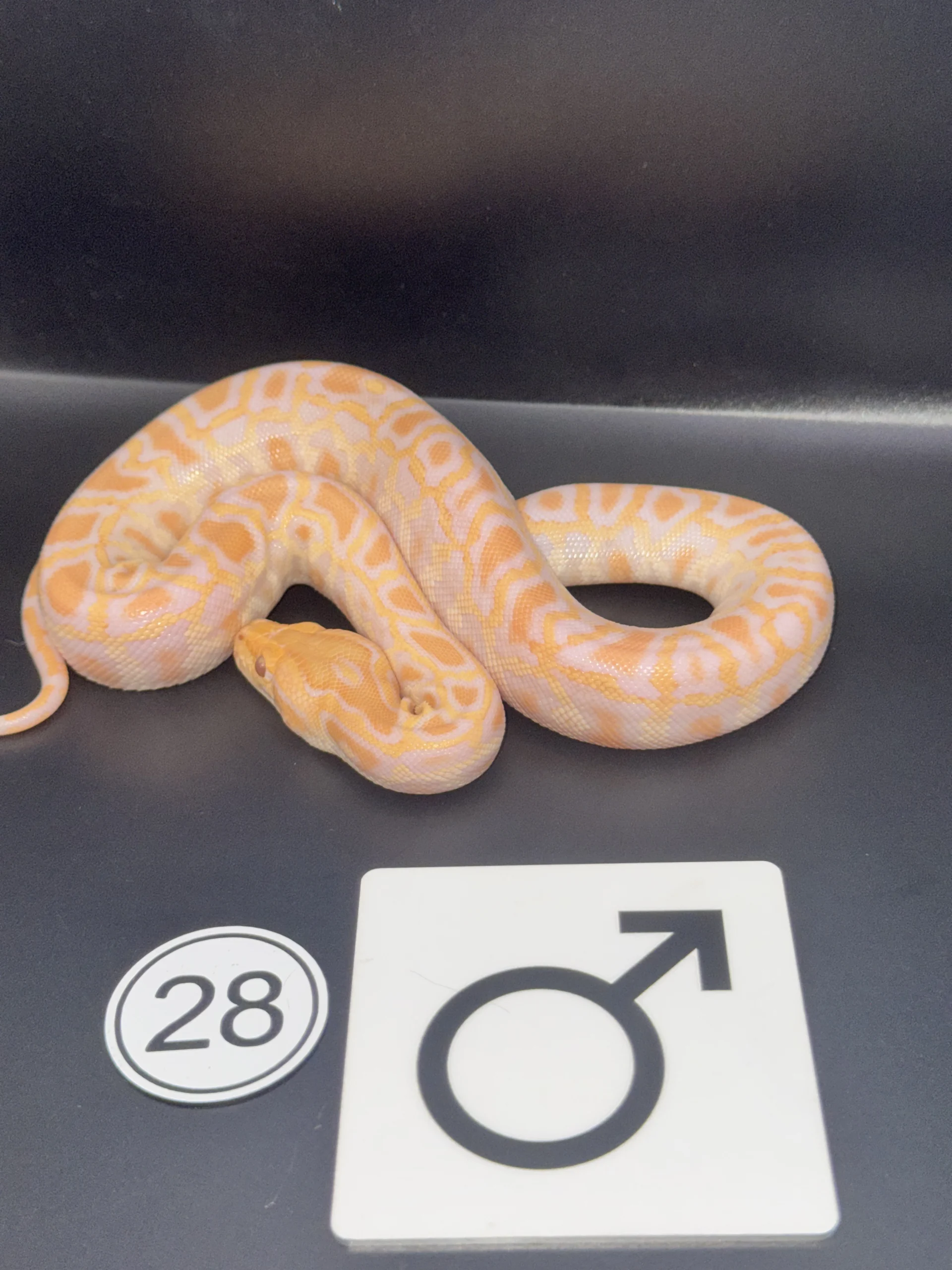
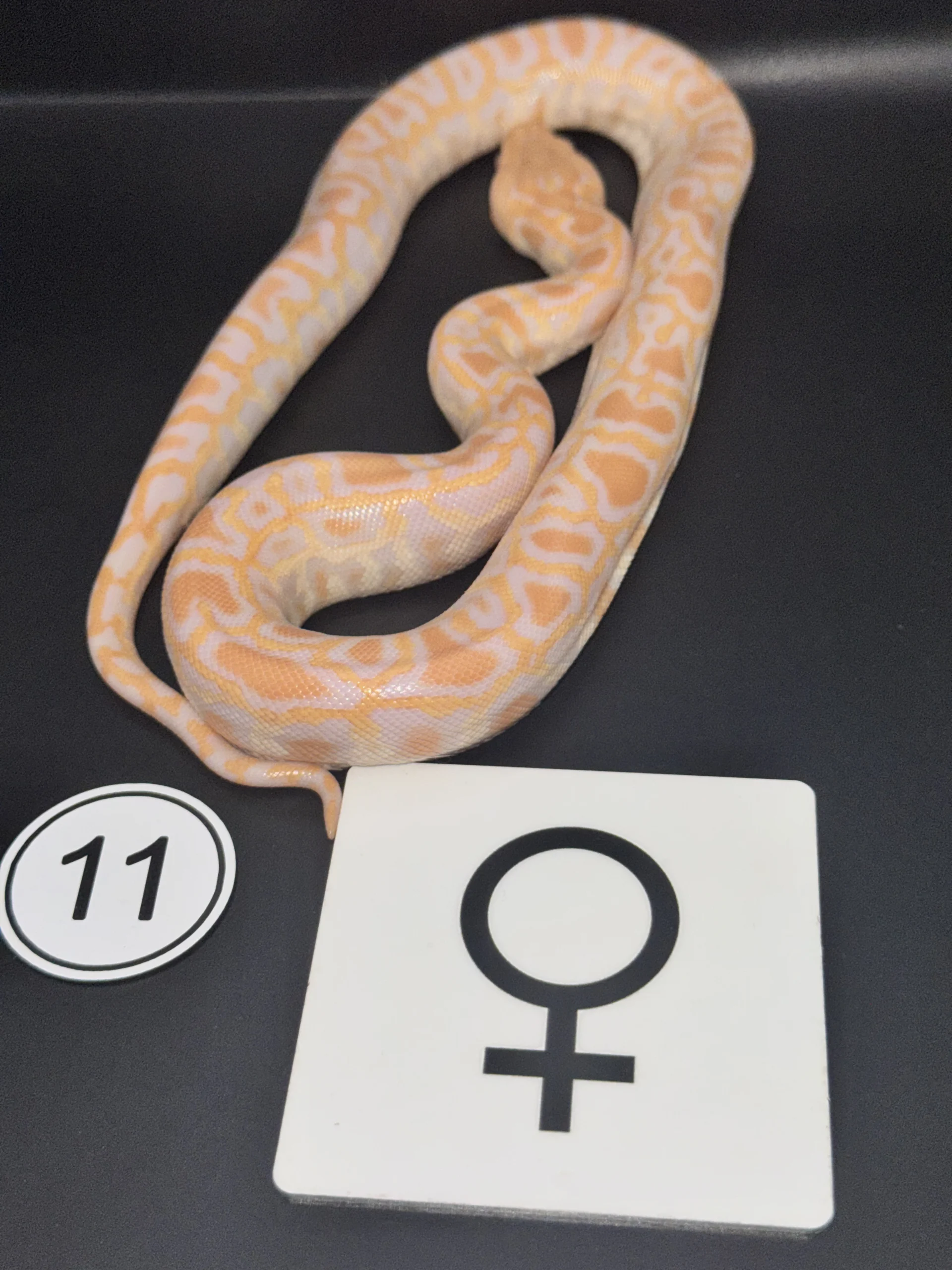
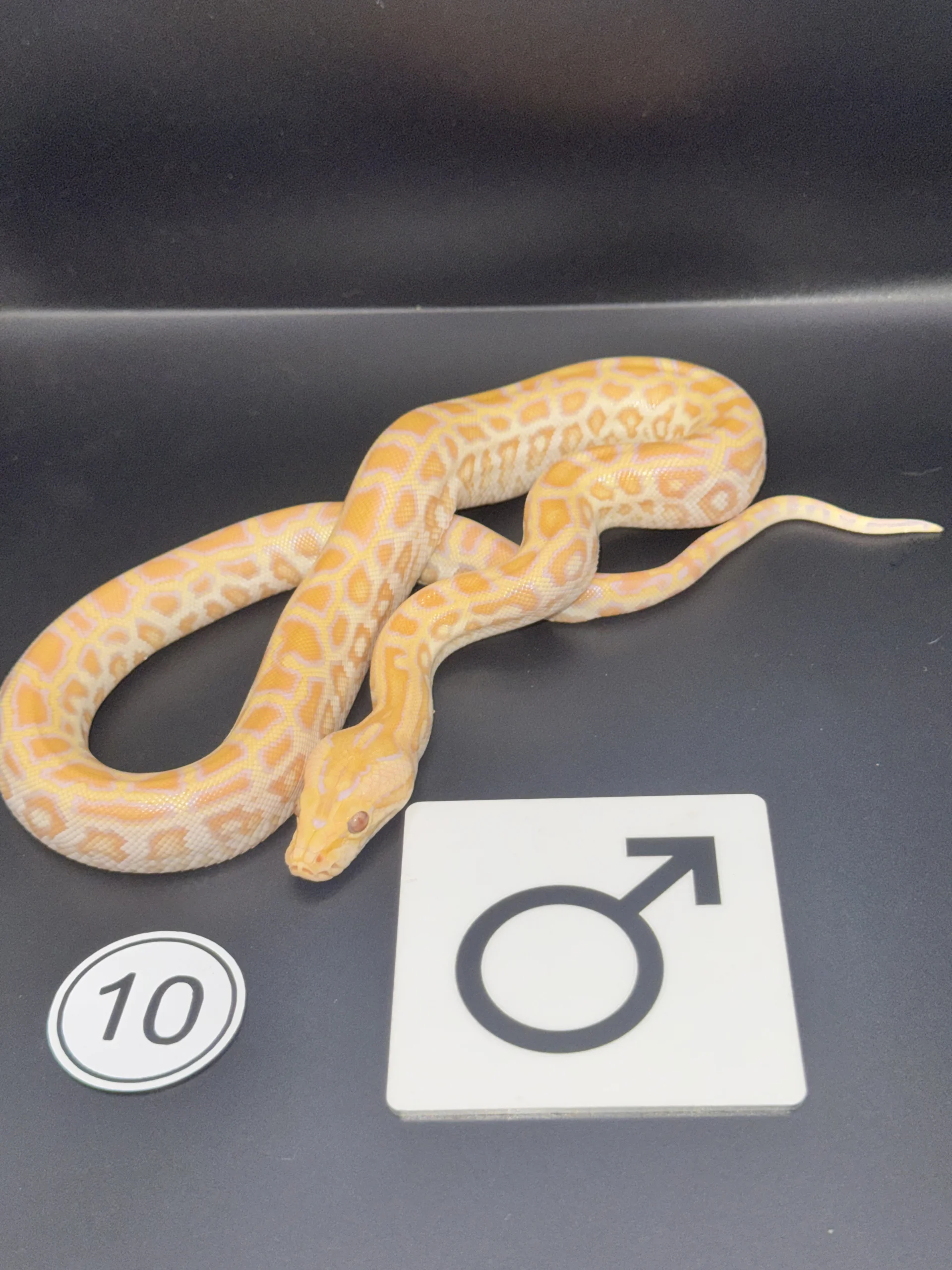
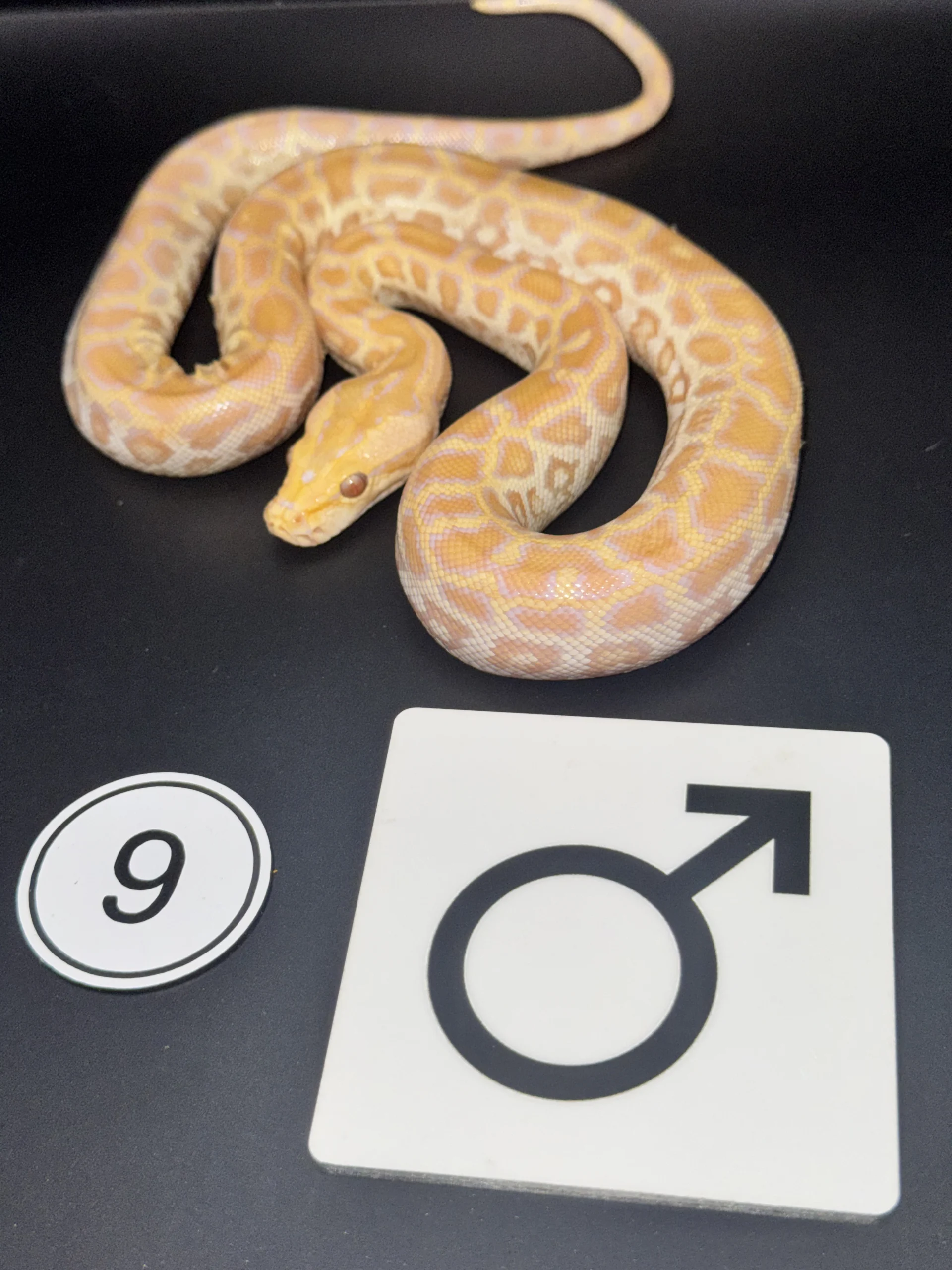
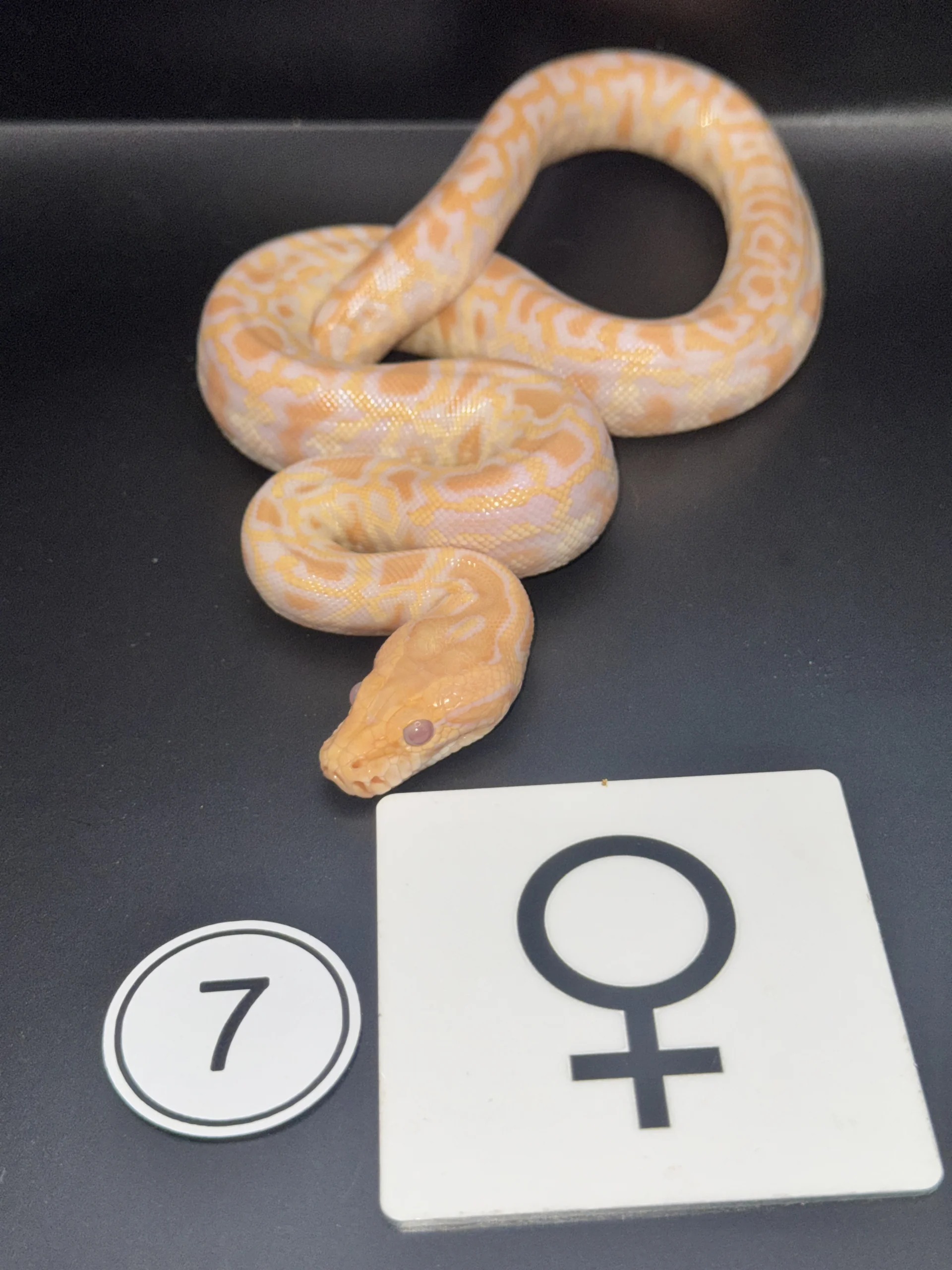
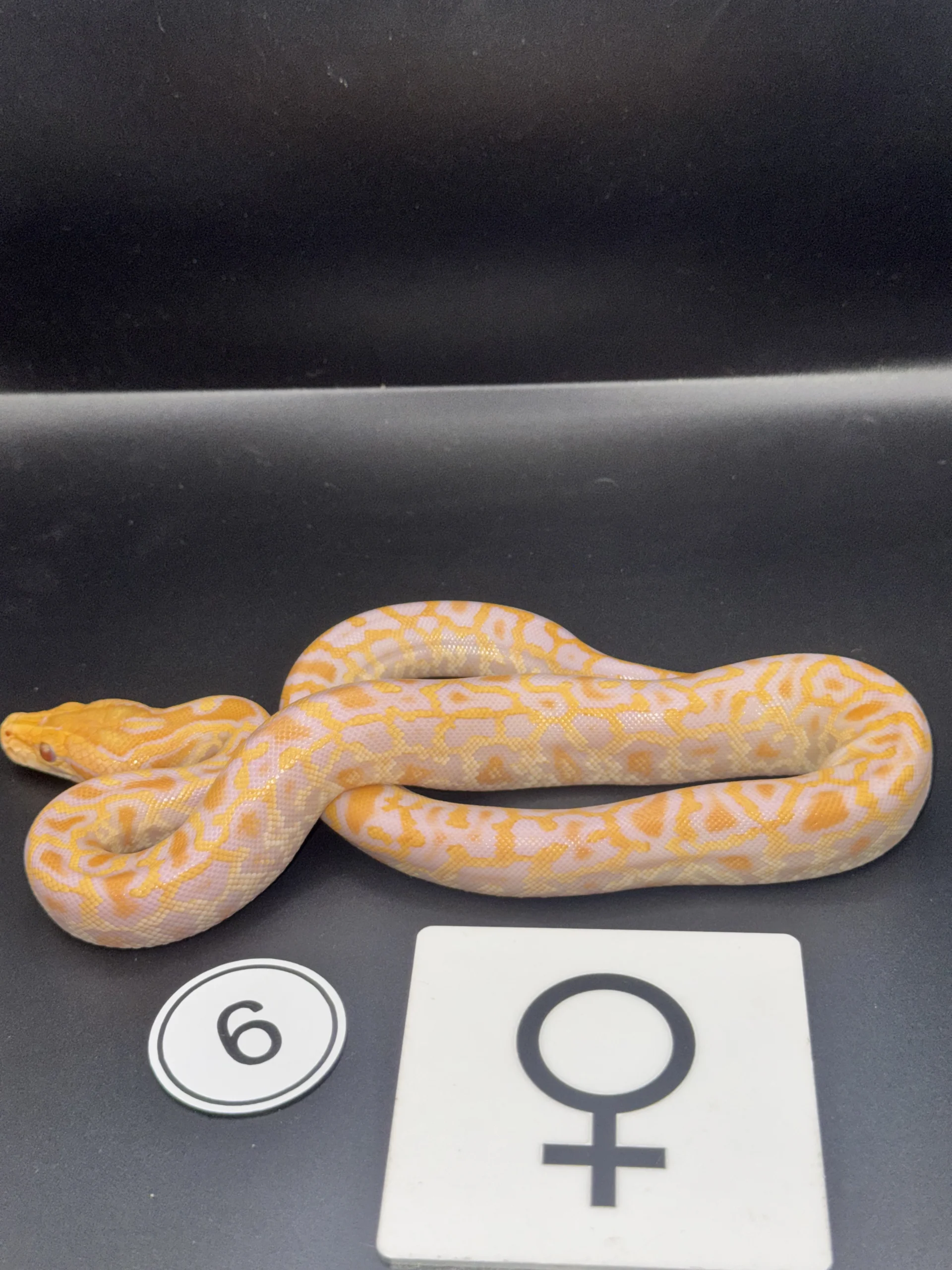
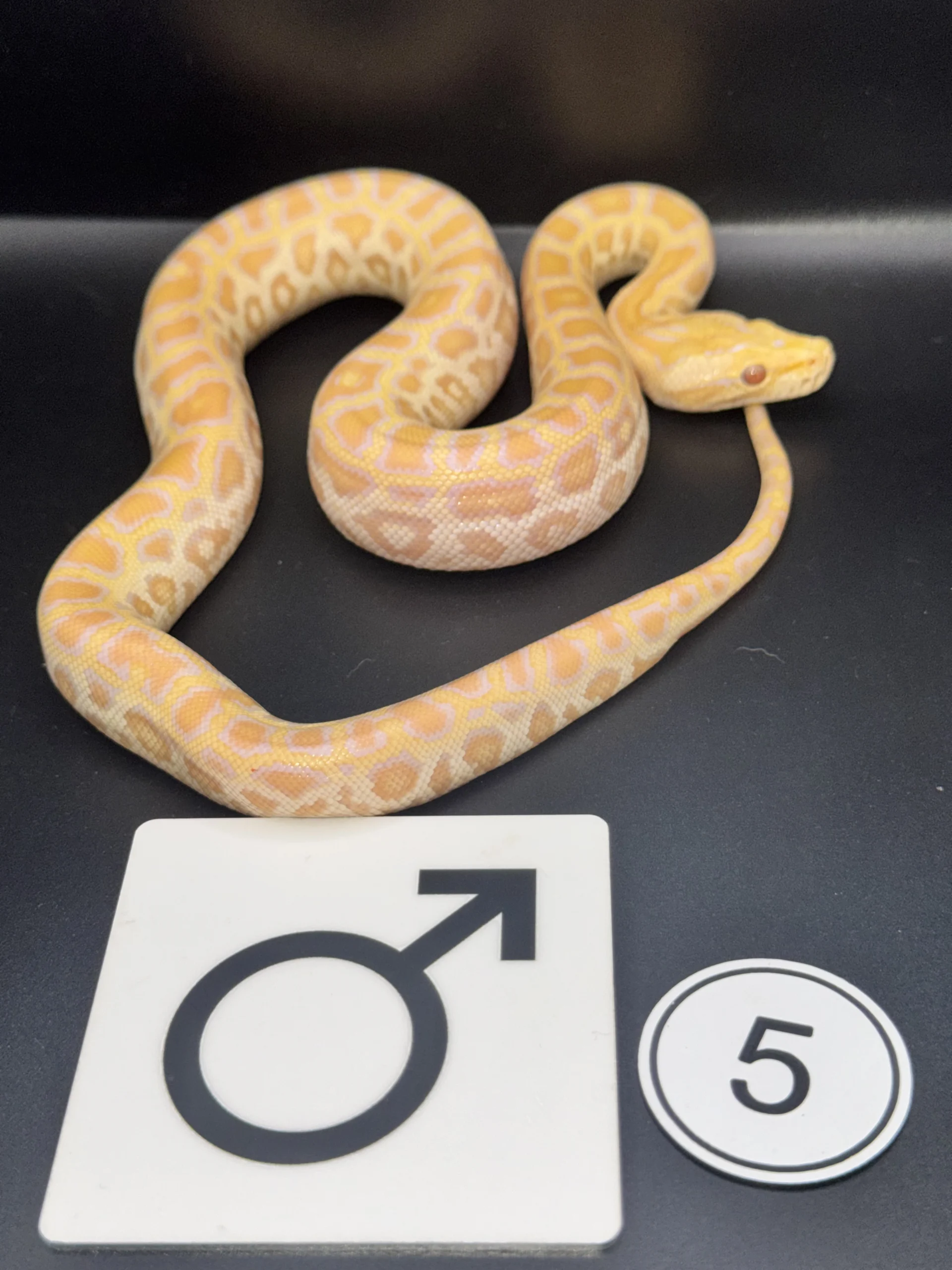
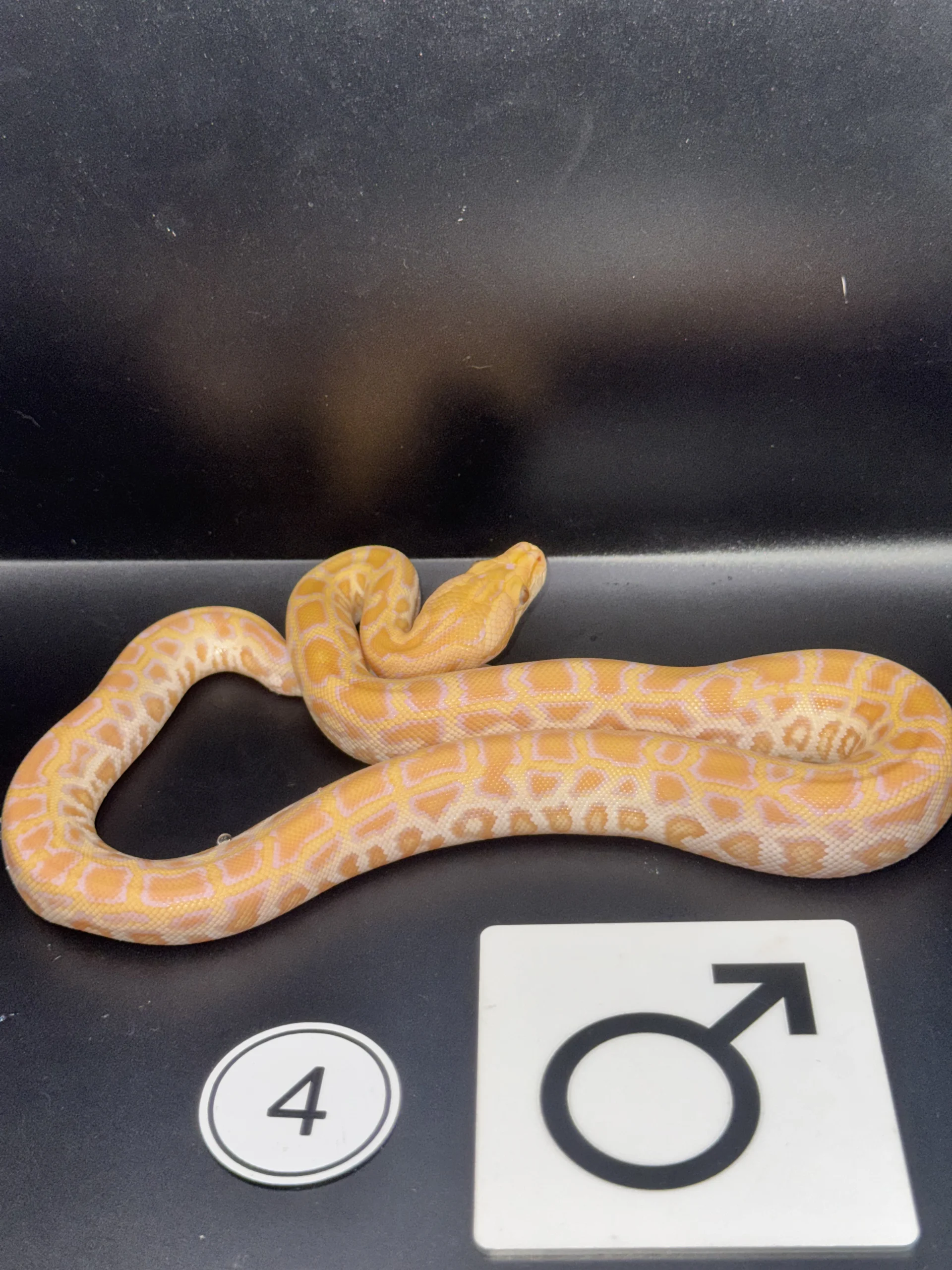
Current Burmese Python offspring and available animals from JZ-Reptiles, clearly organised by clutch. Where parent animals are known, they are linked directly so the background of each clutch stays easy to follow.
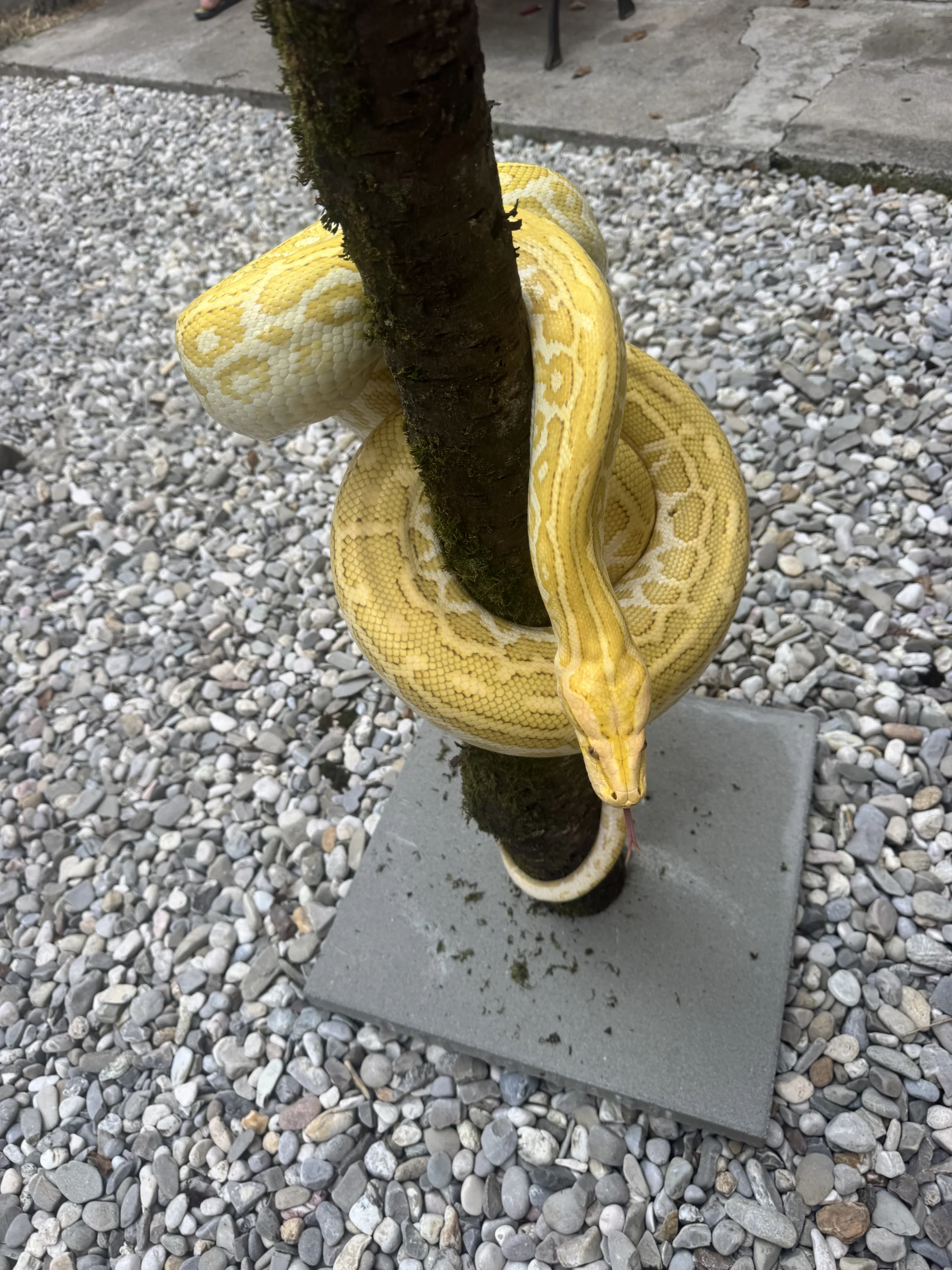
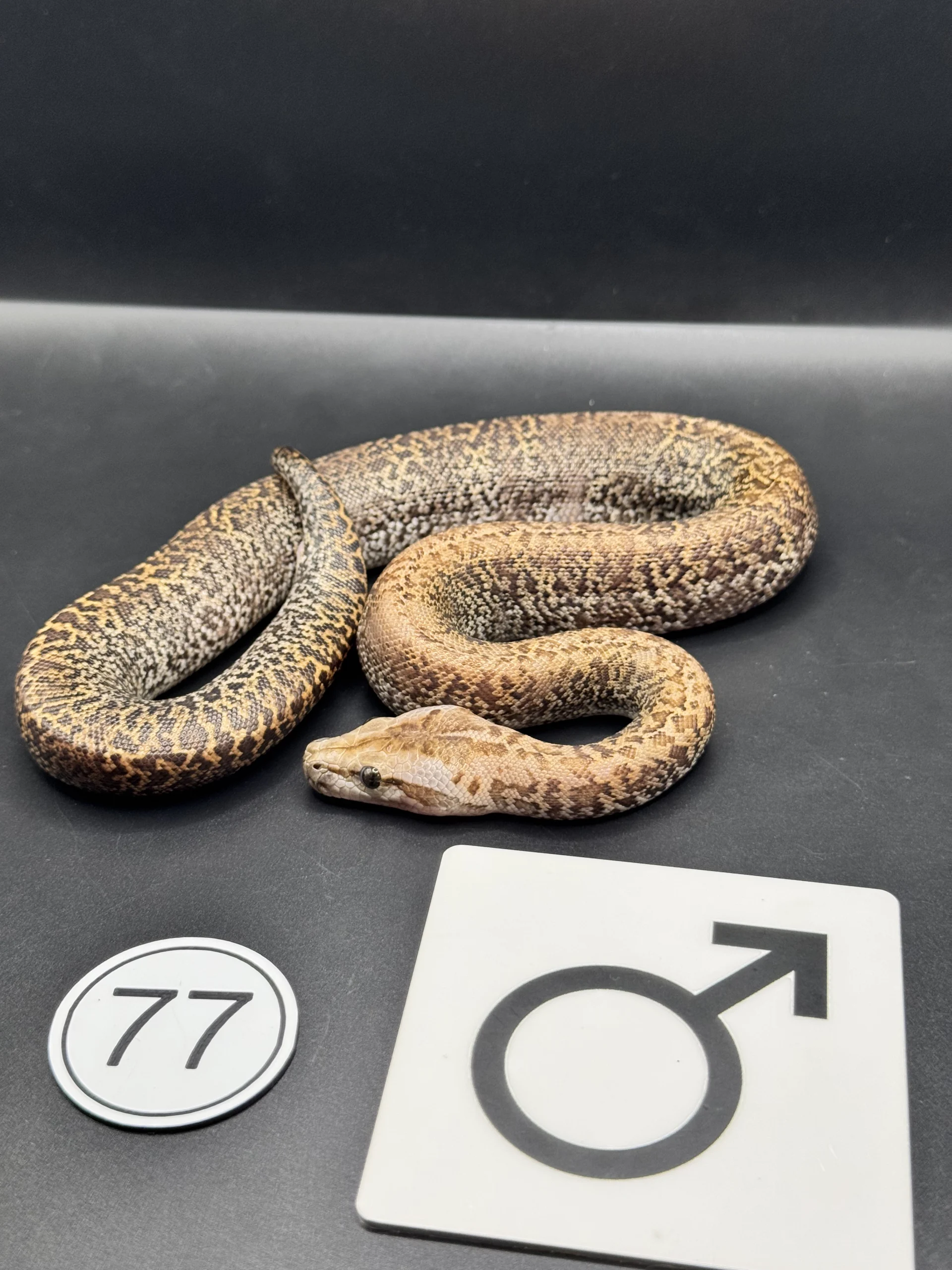 Holdback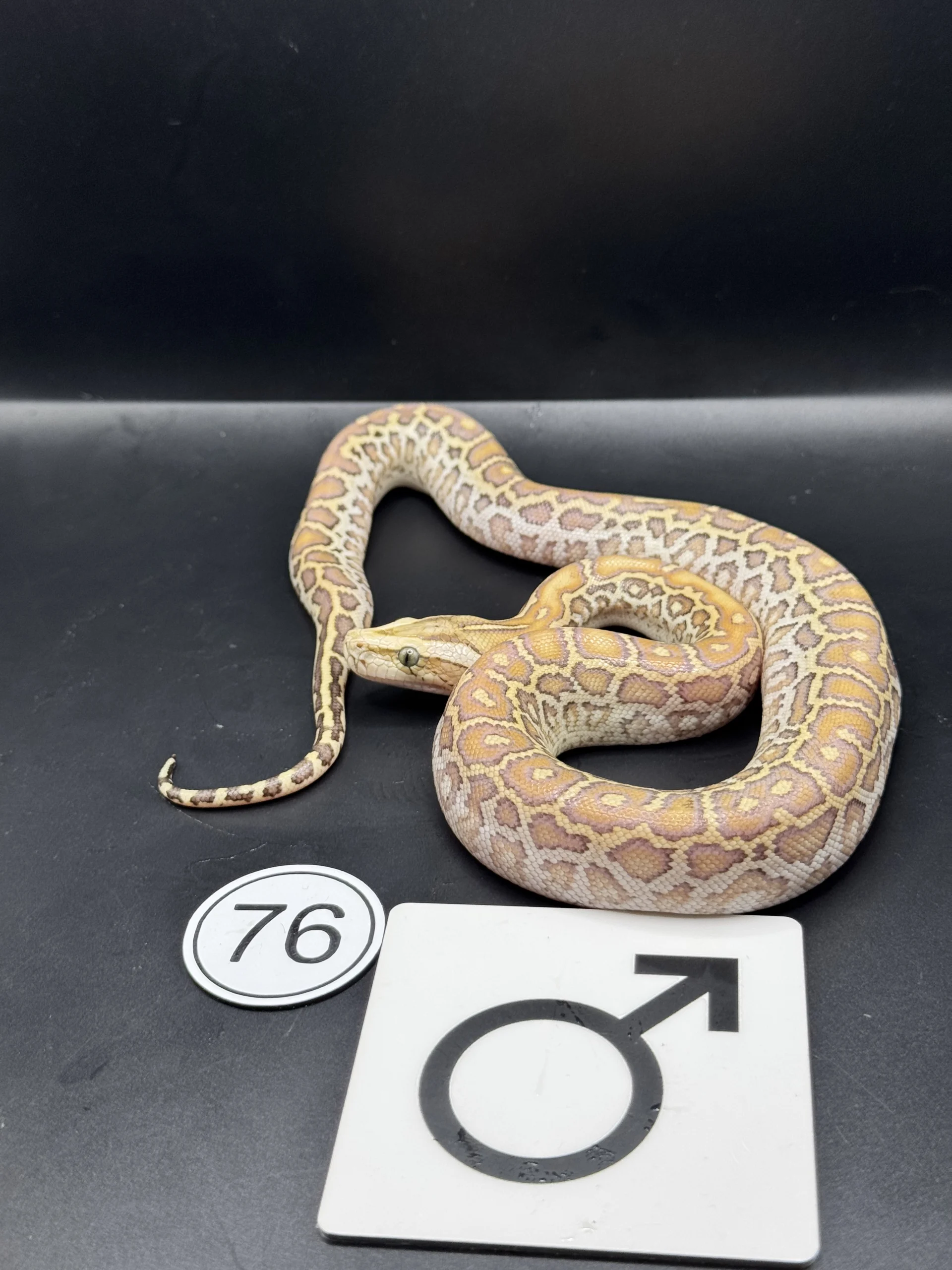
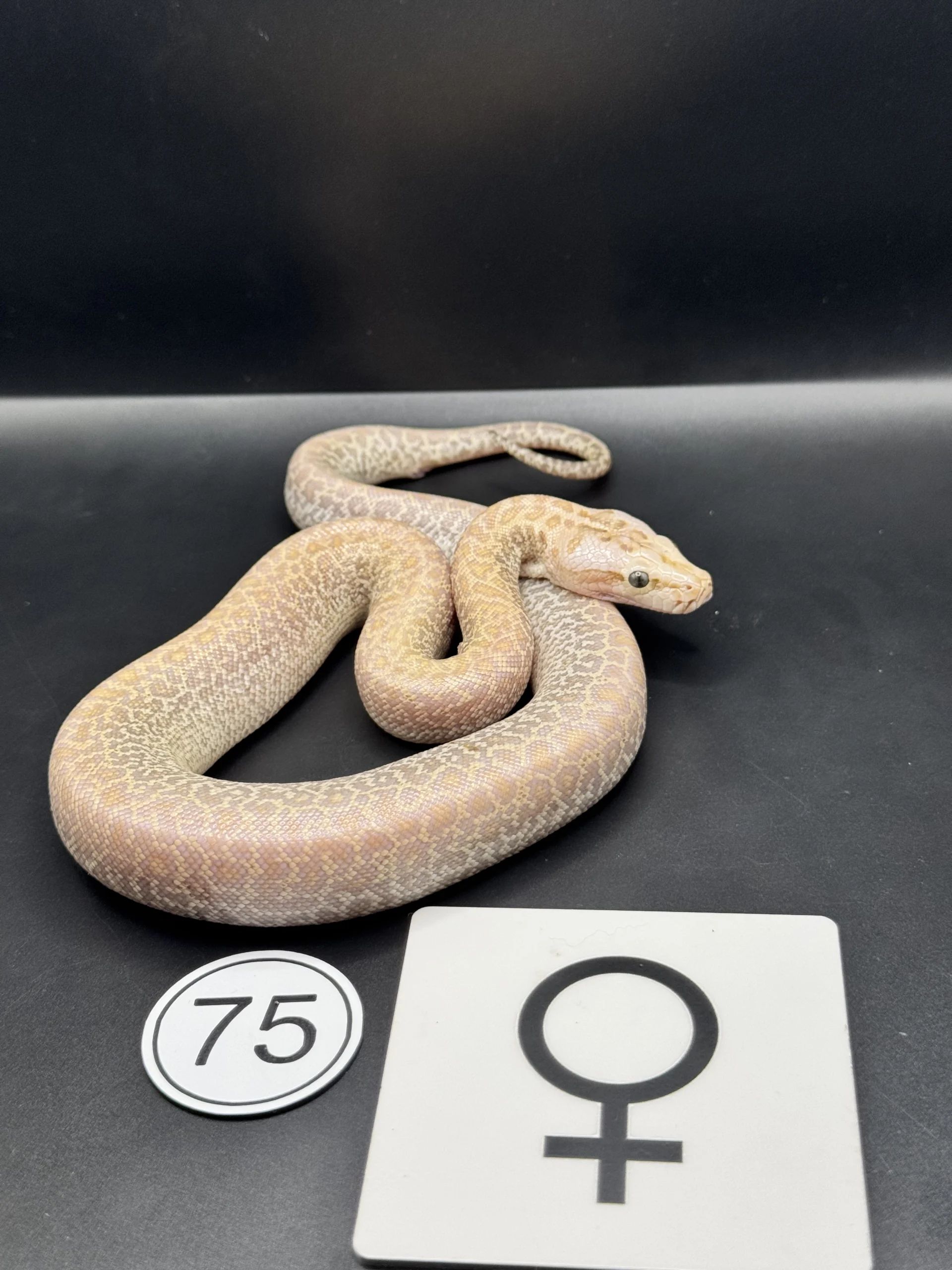
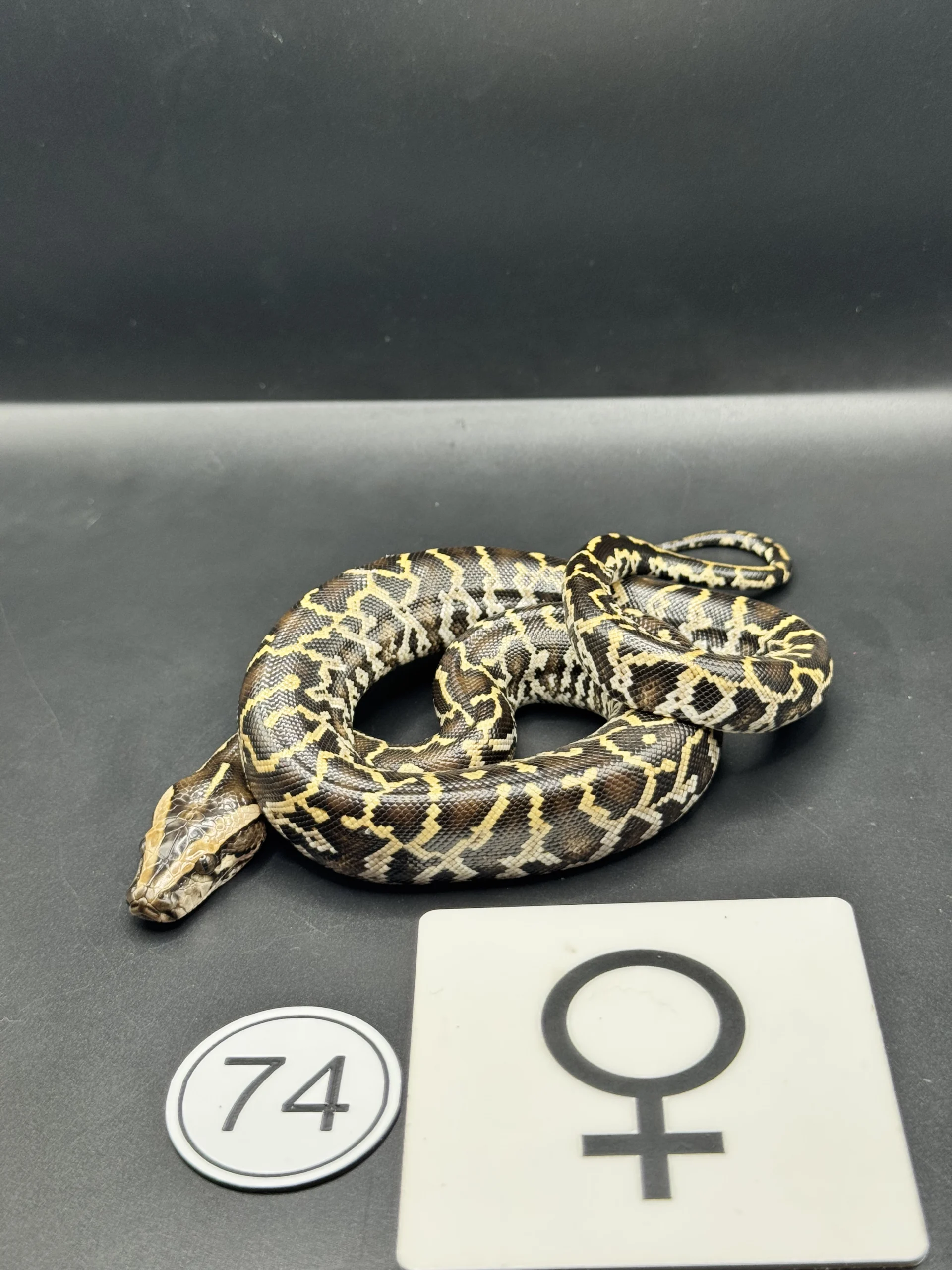
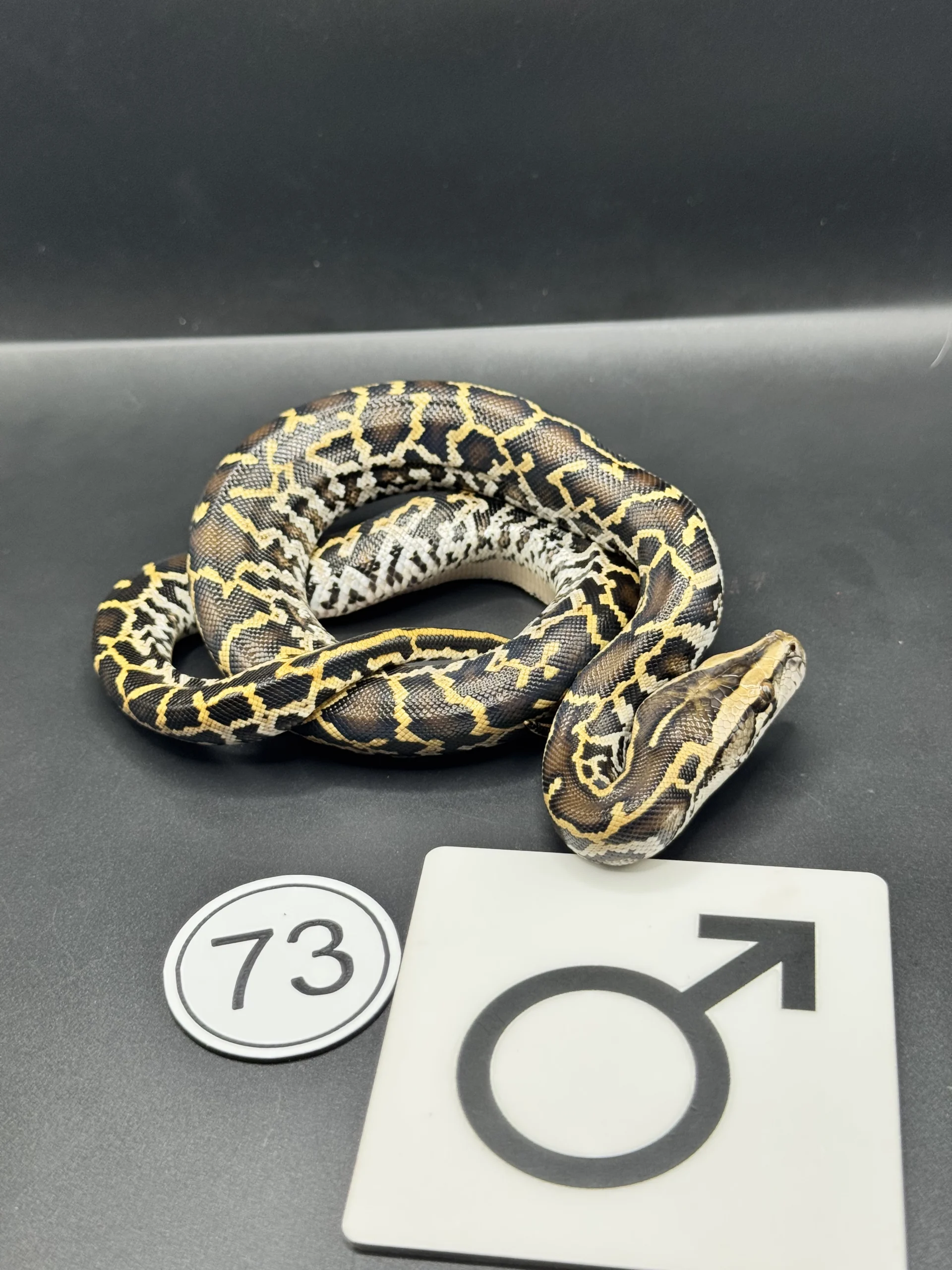
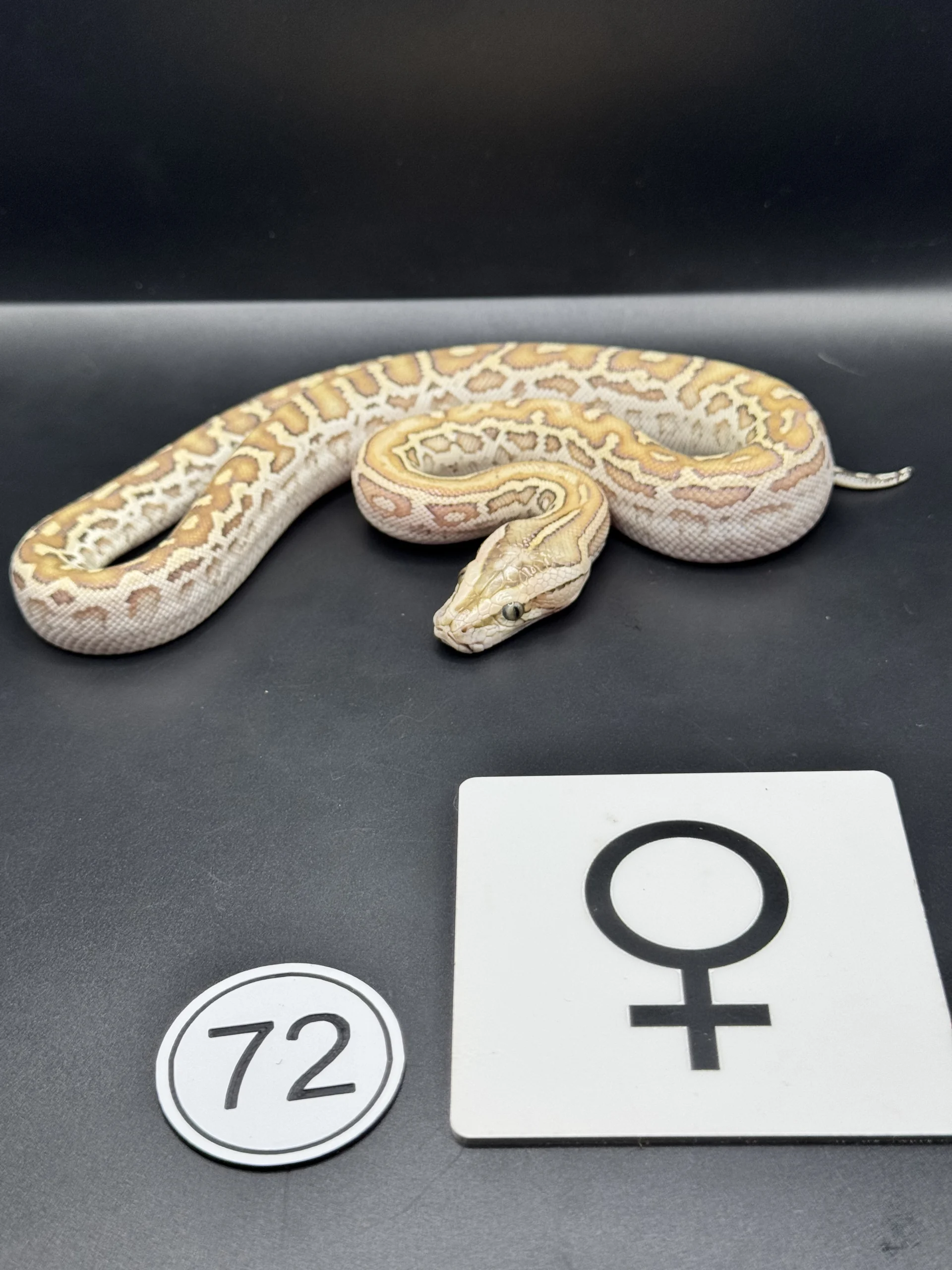
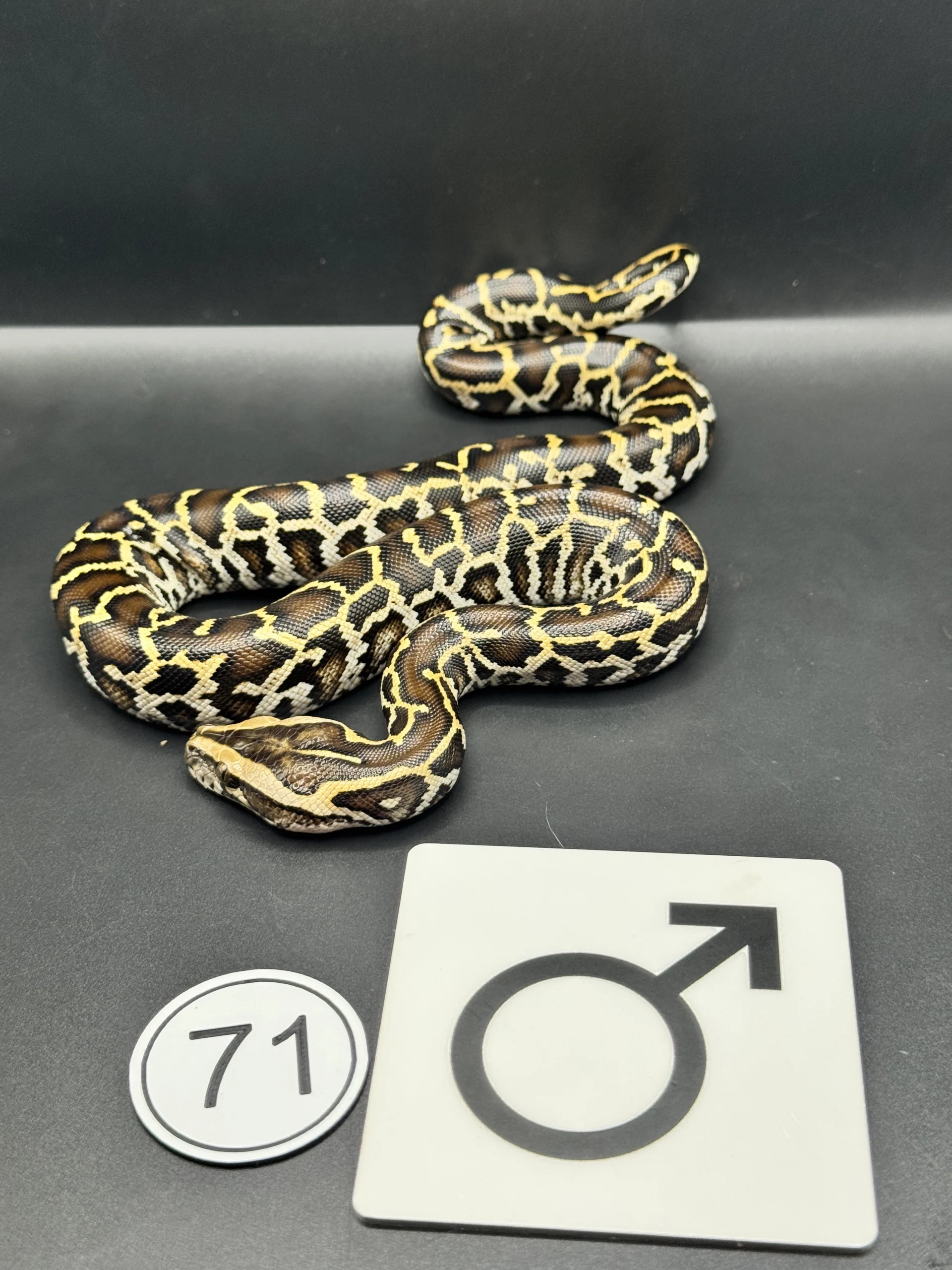
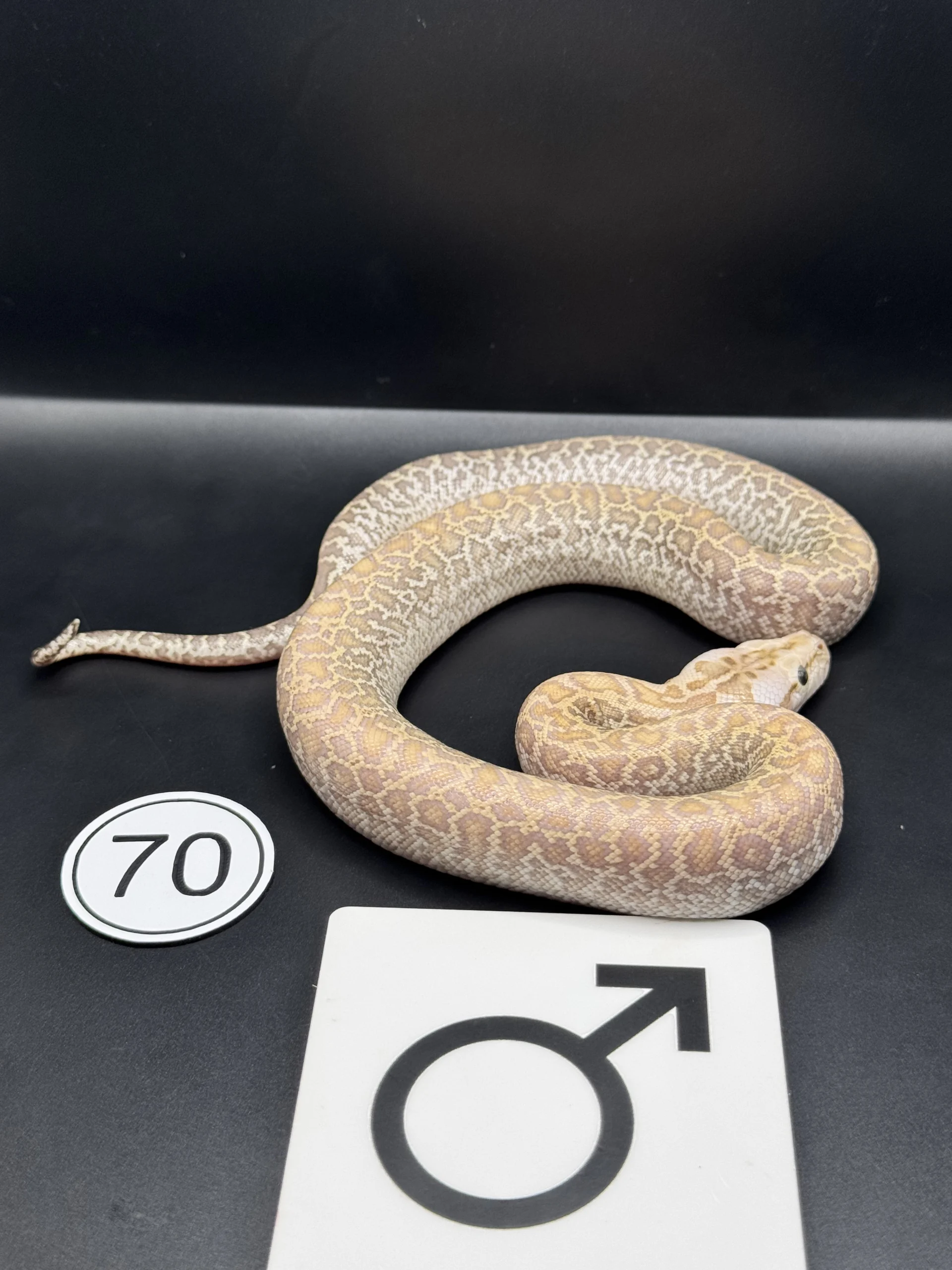
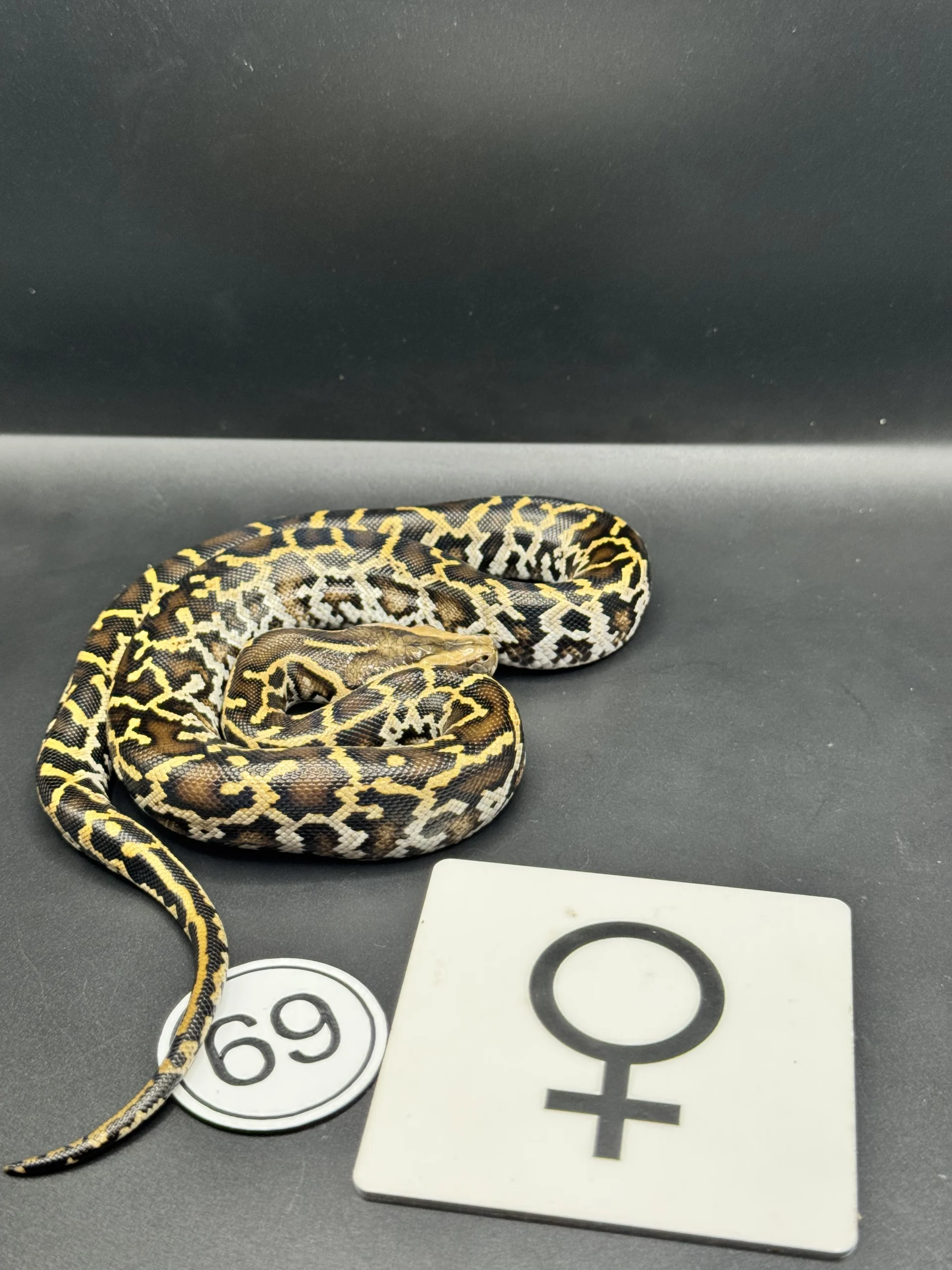
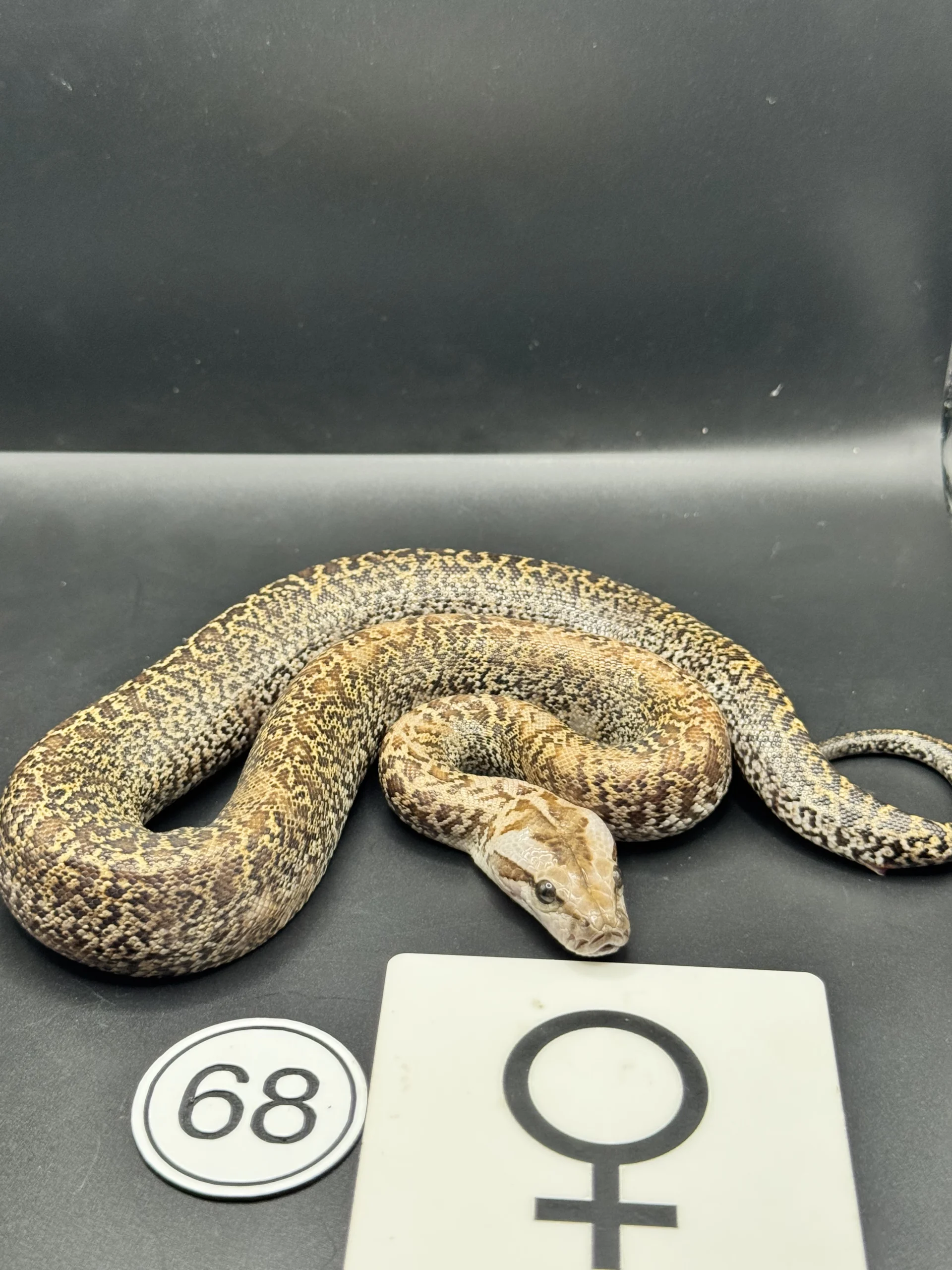 Holdback
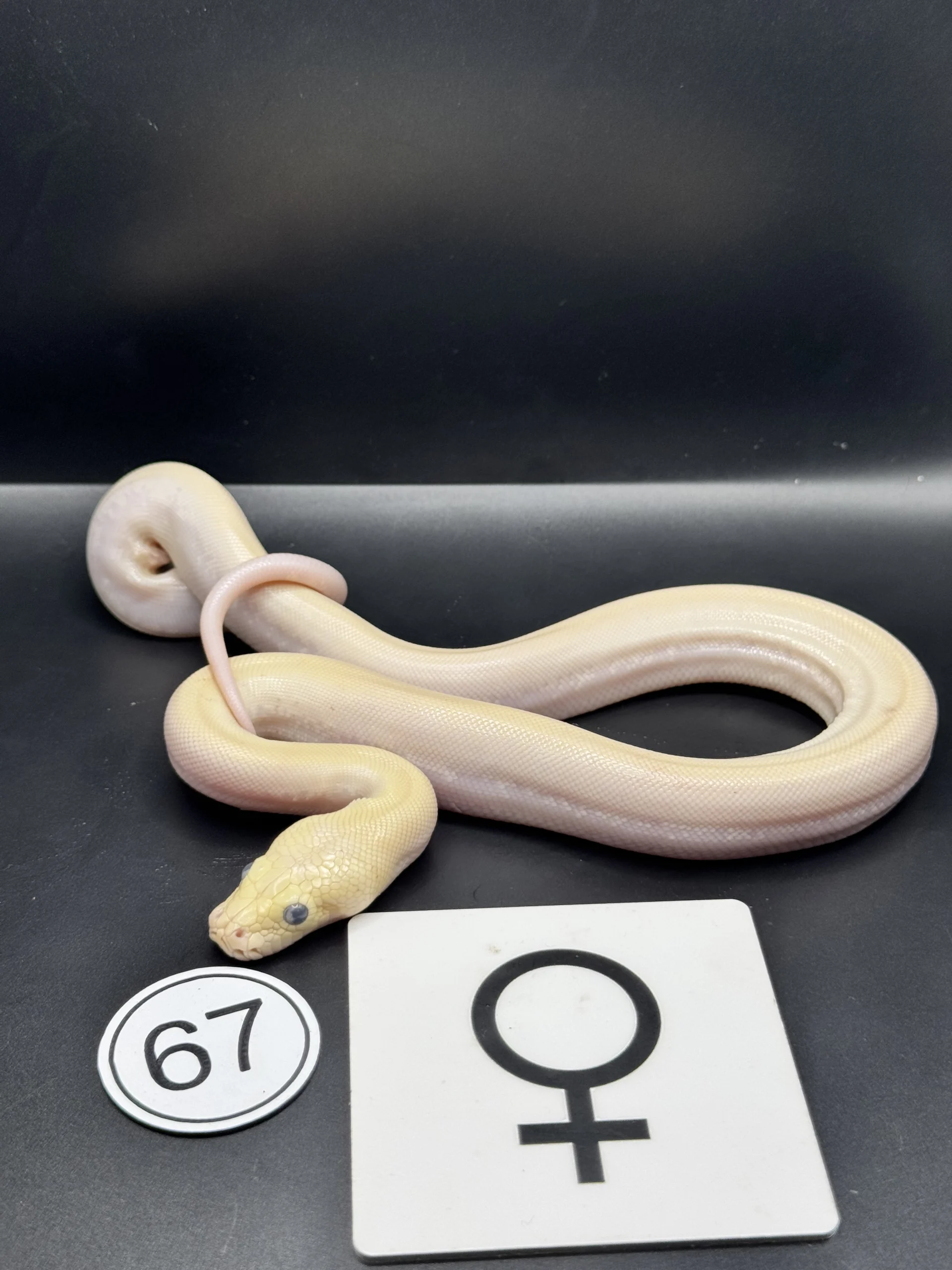 Holdback
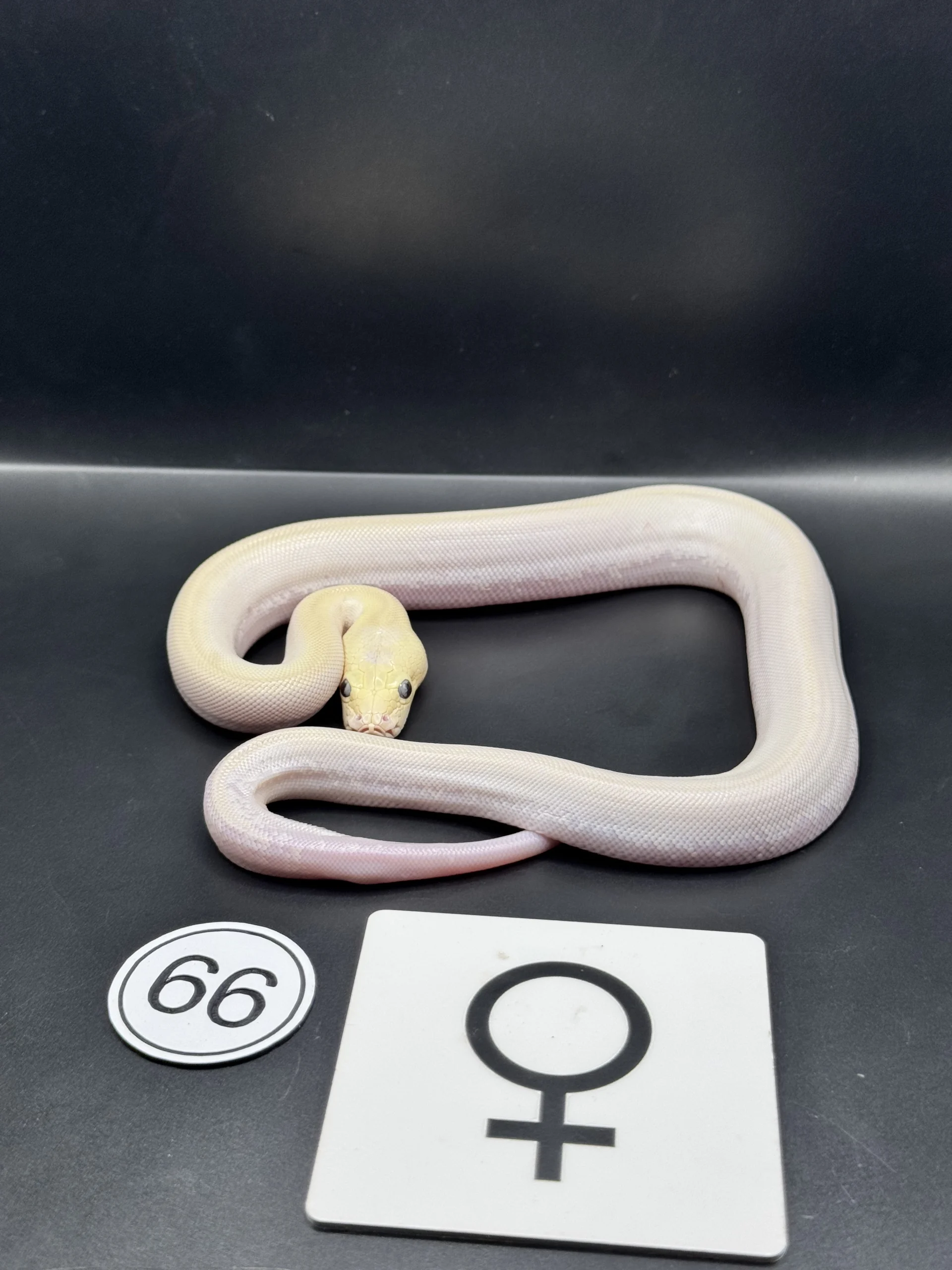 Holdback
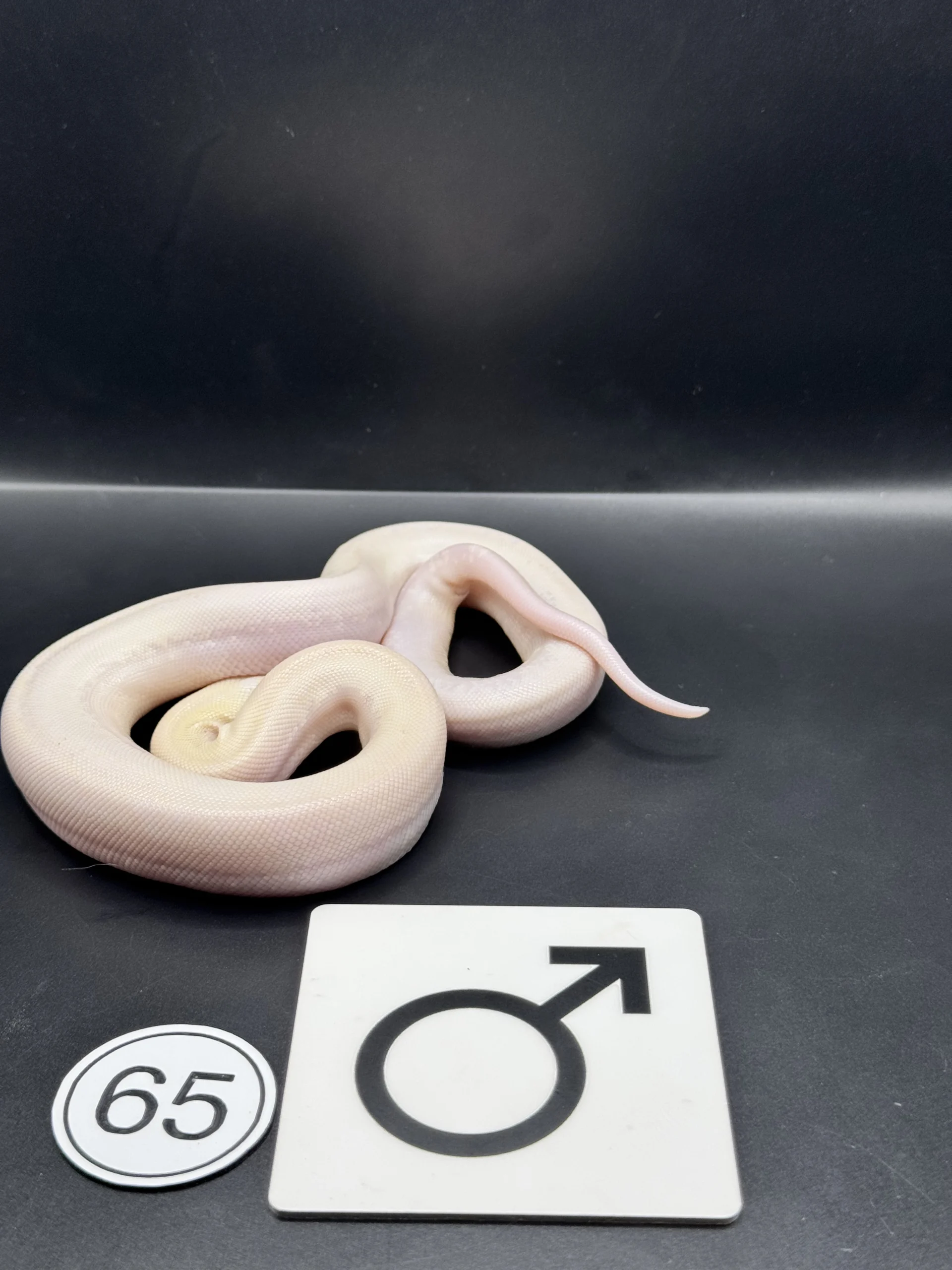 Holdback
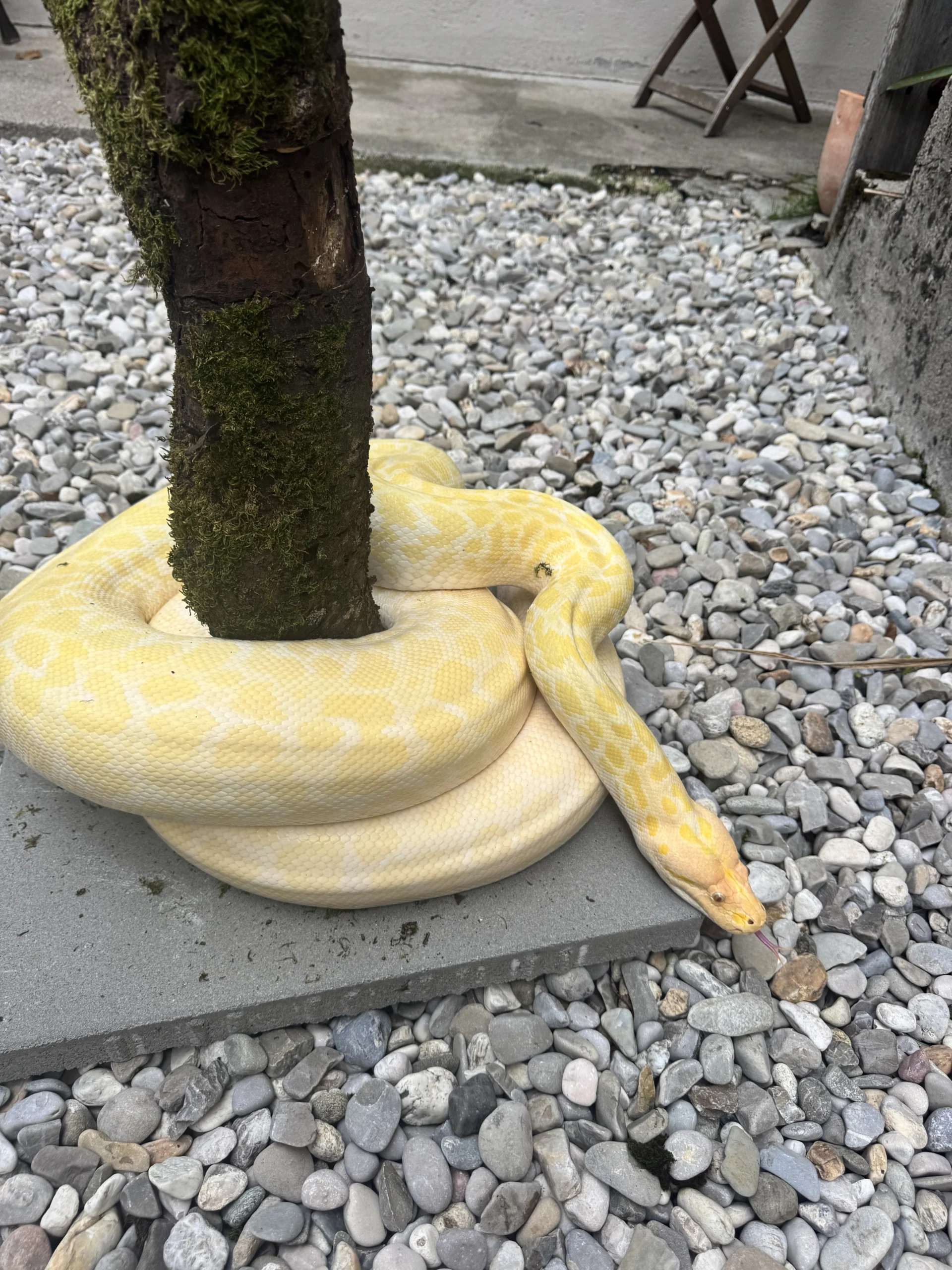
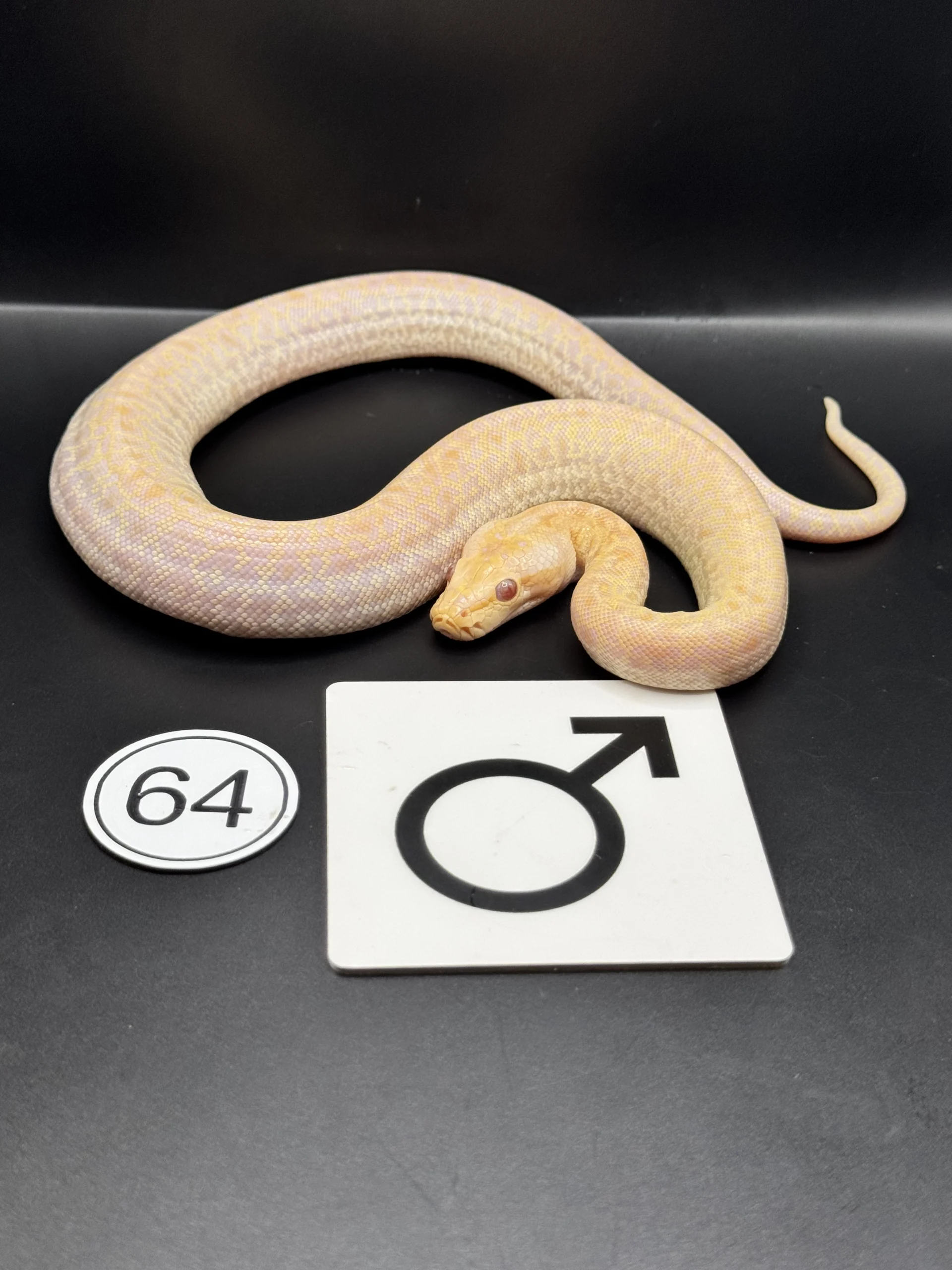
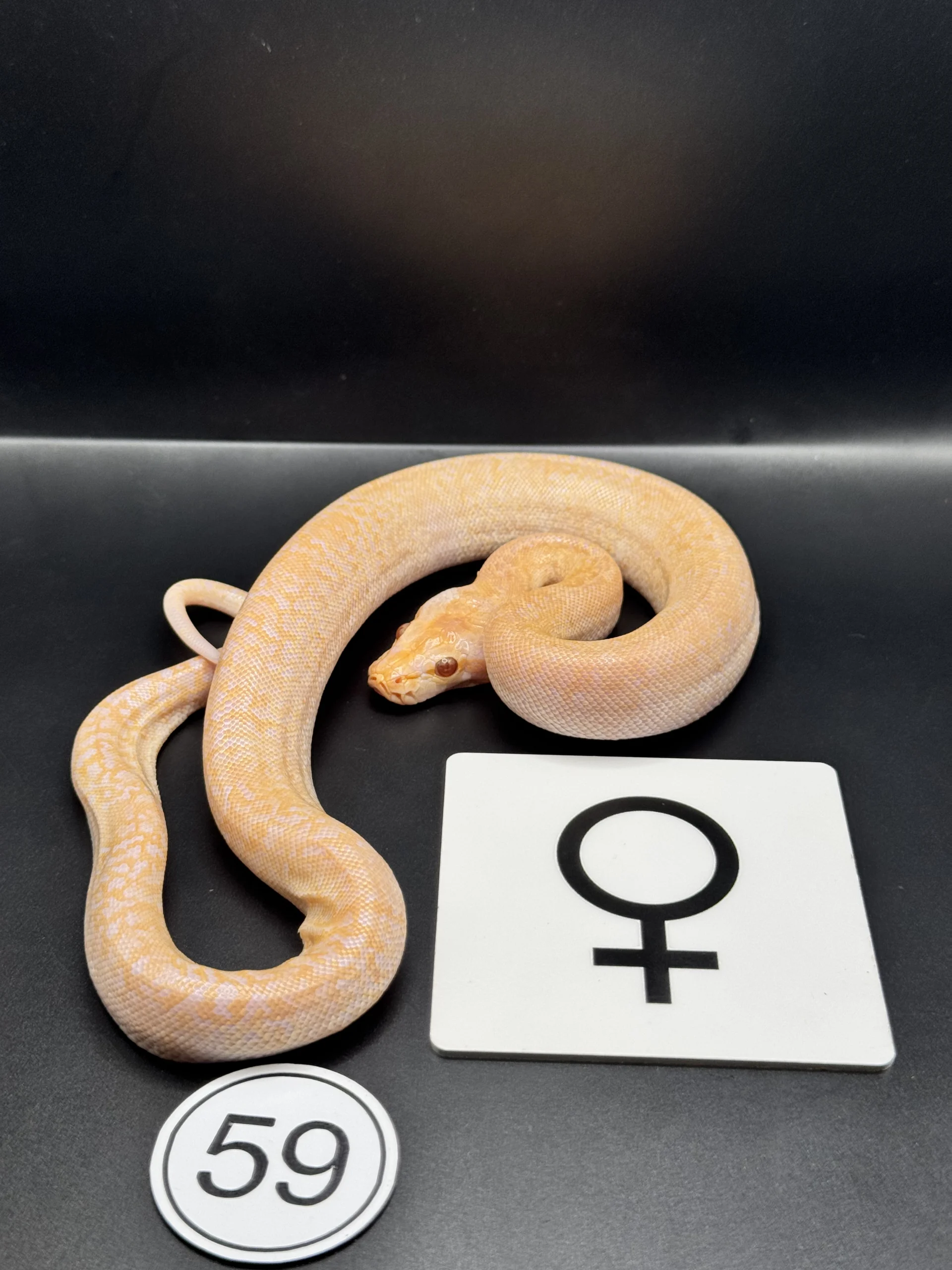
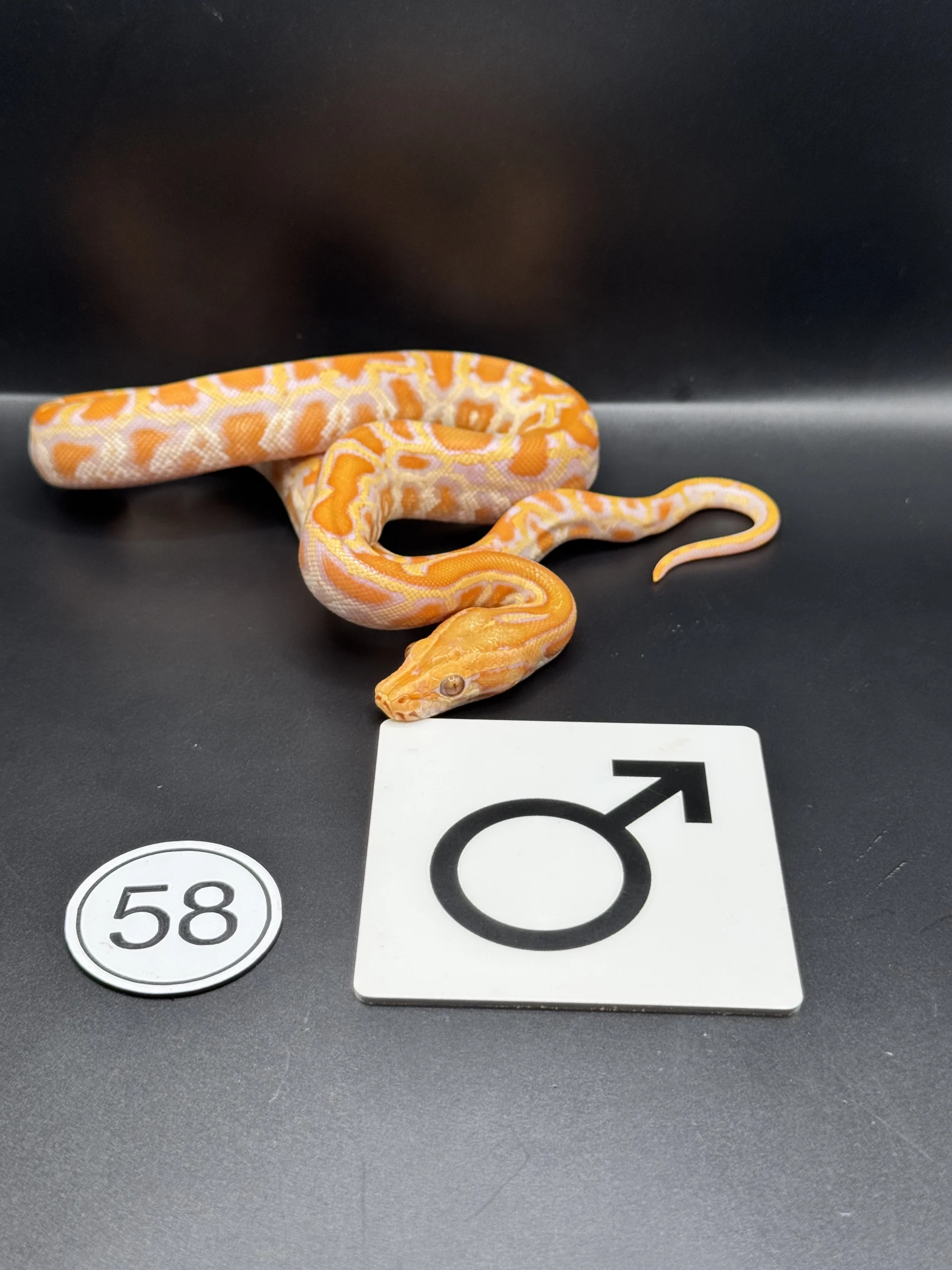
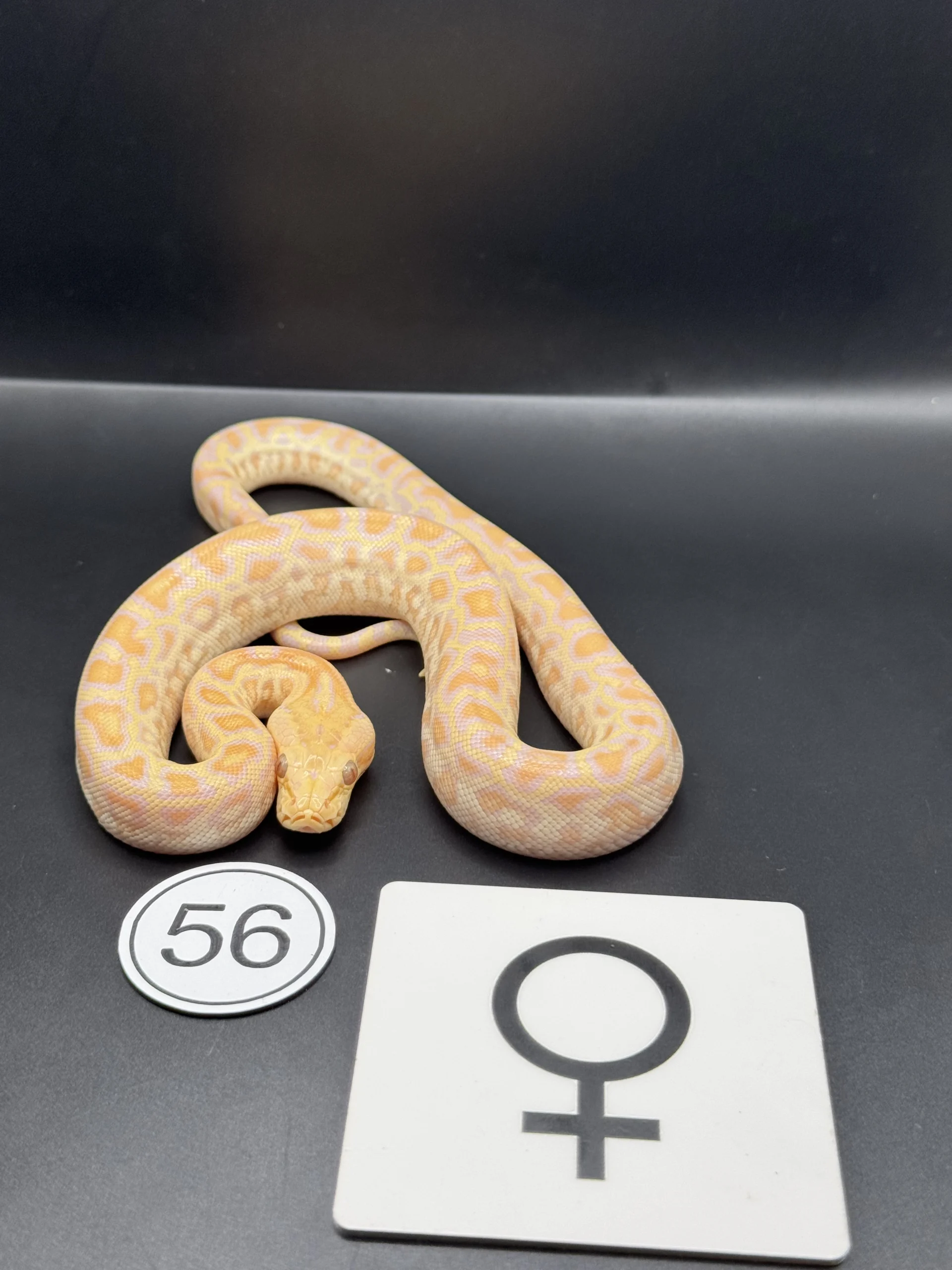
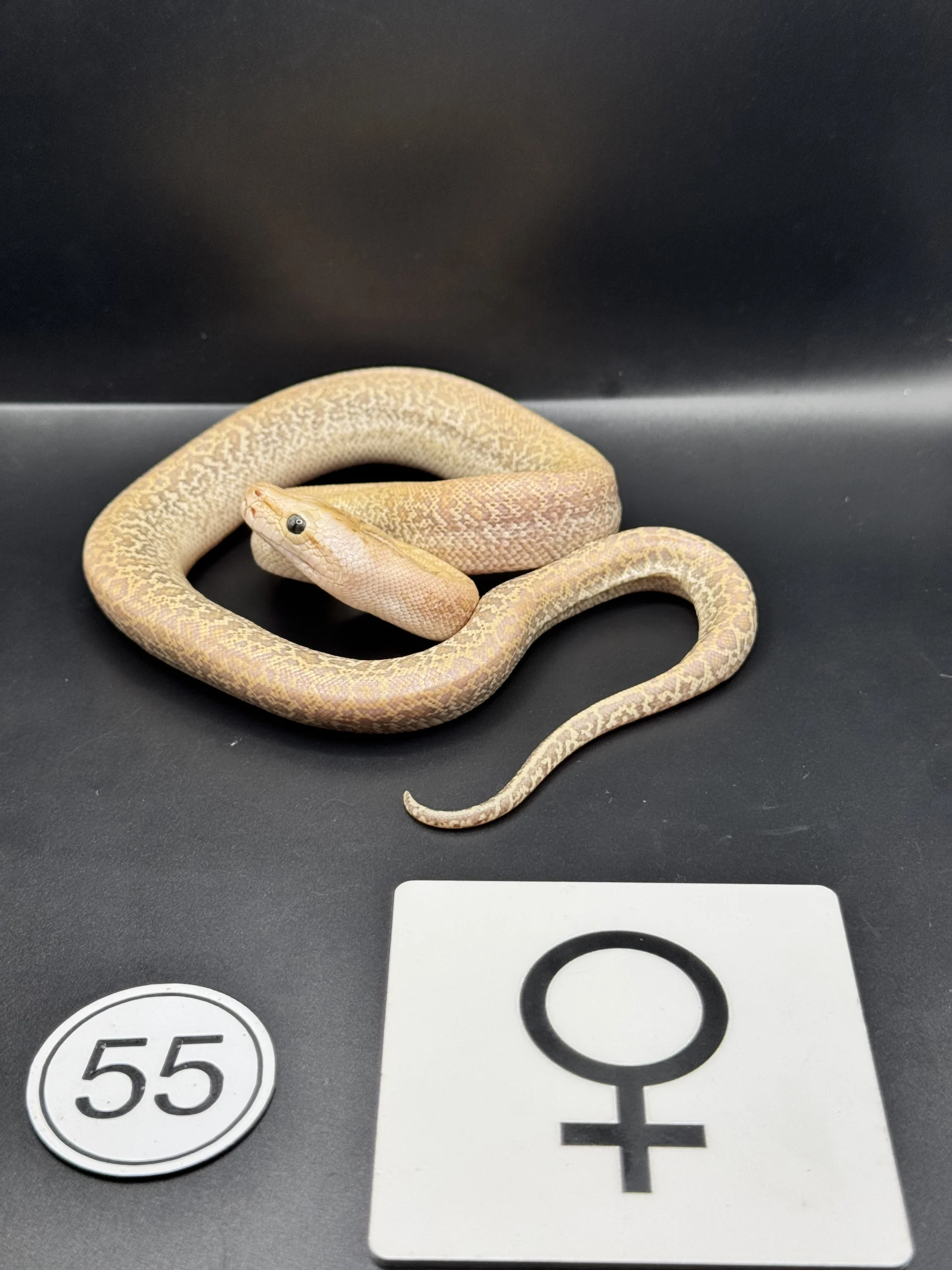
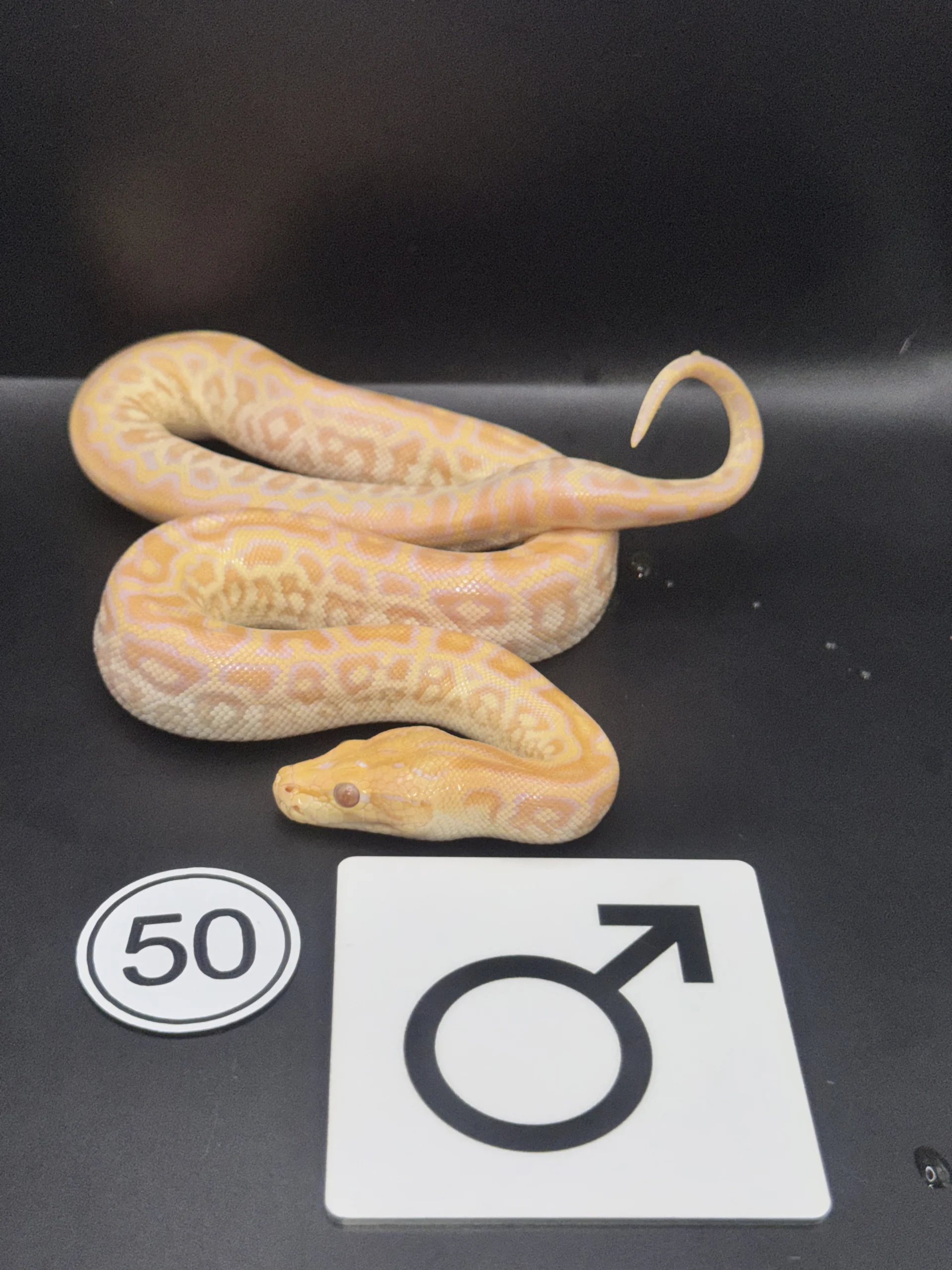
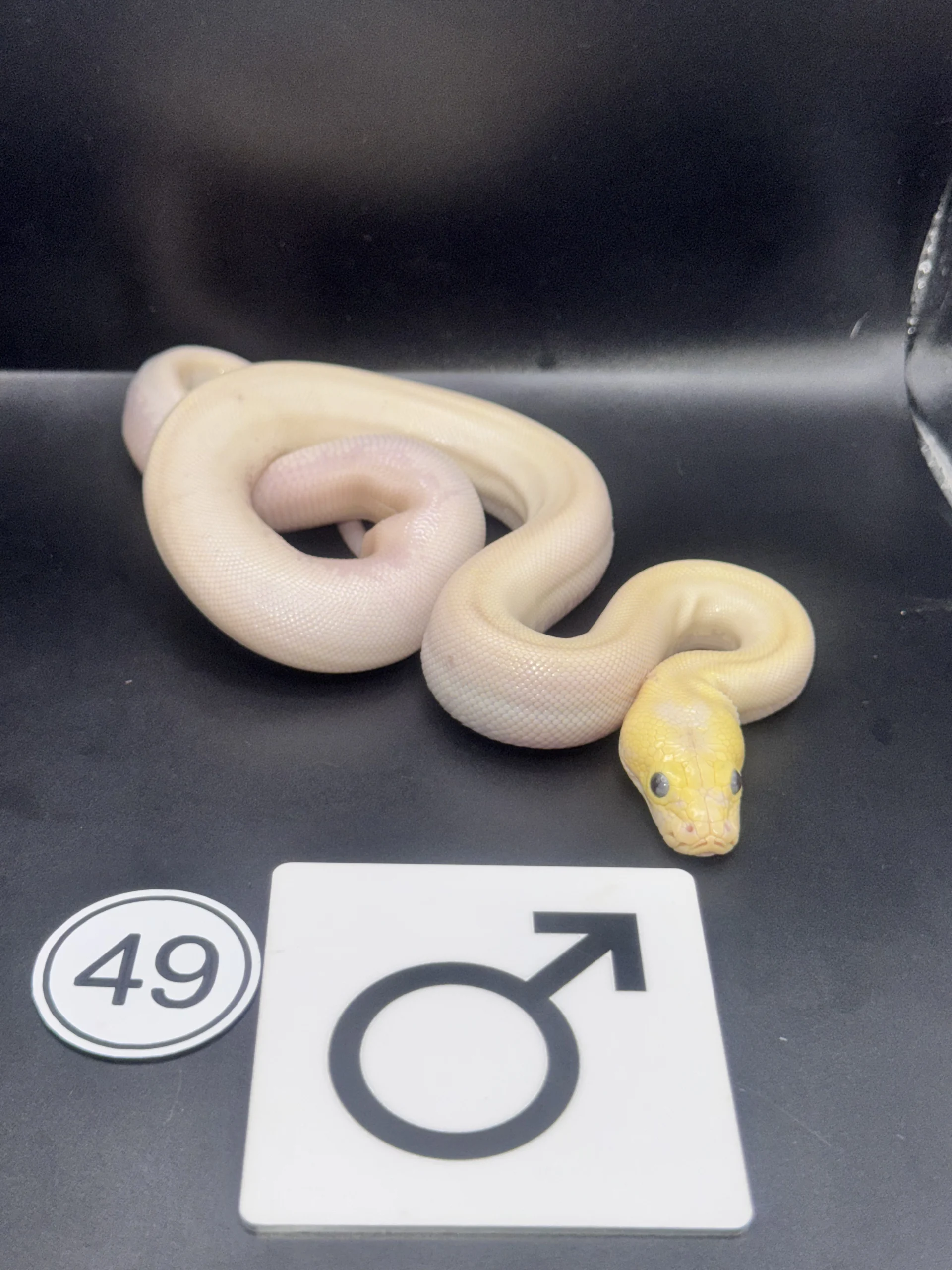
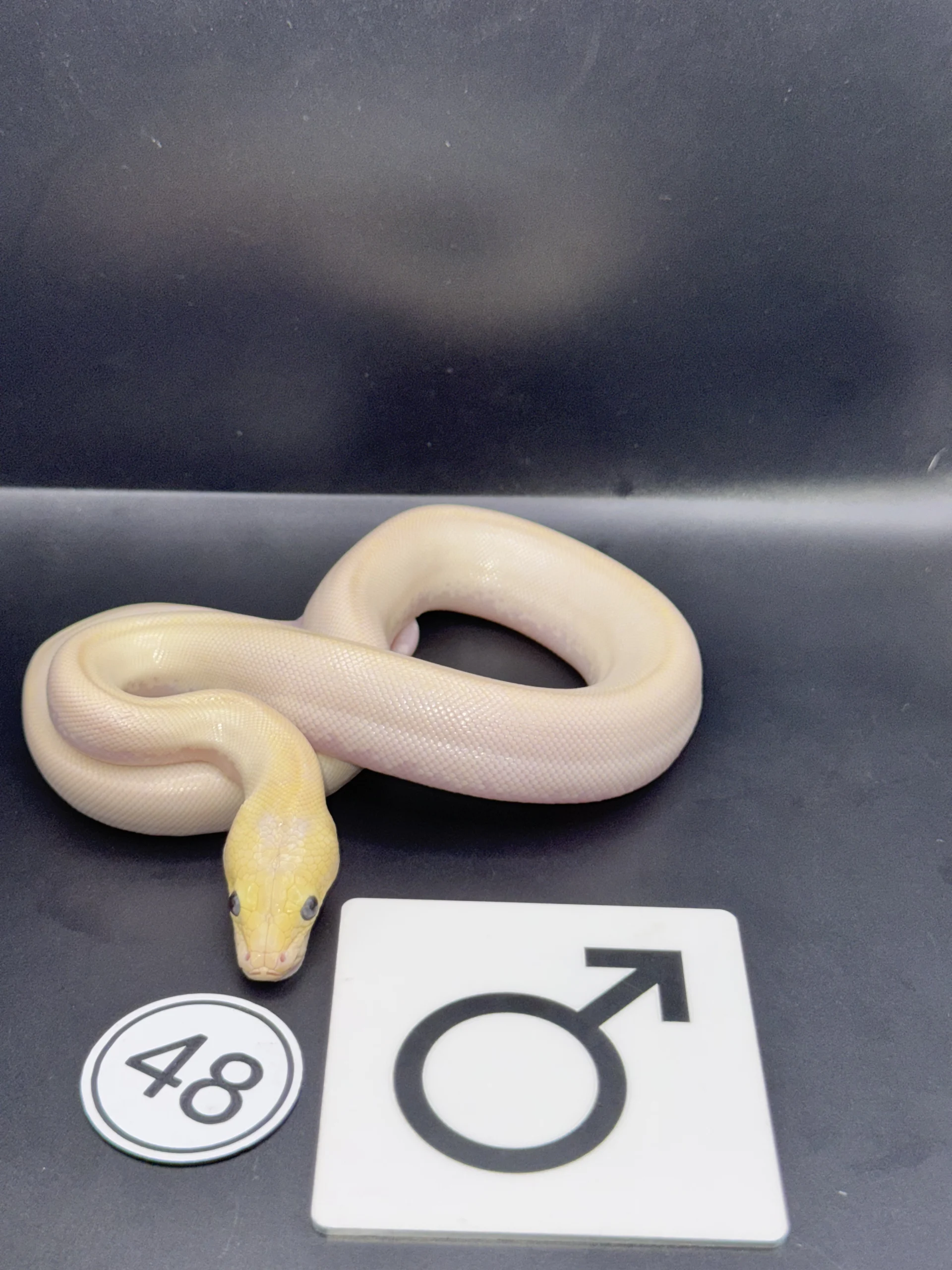
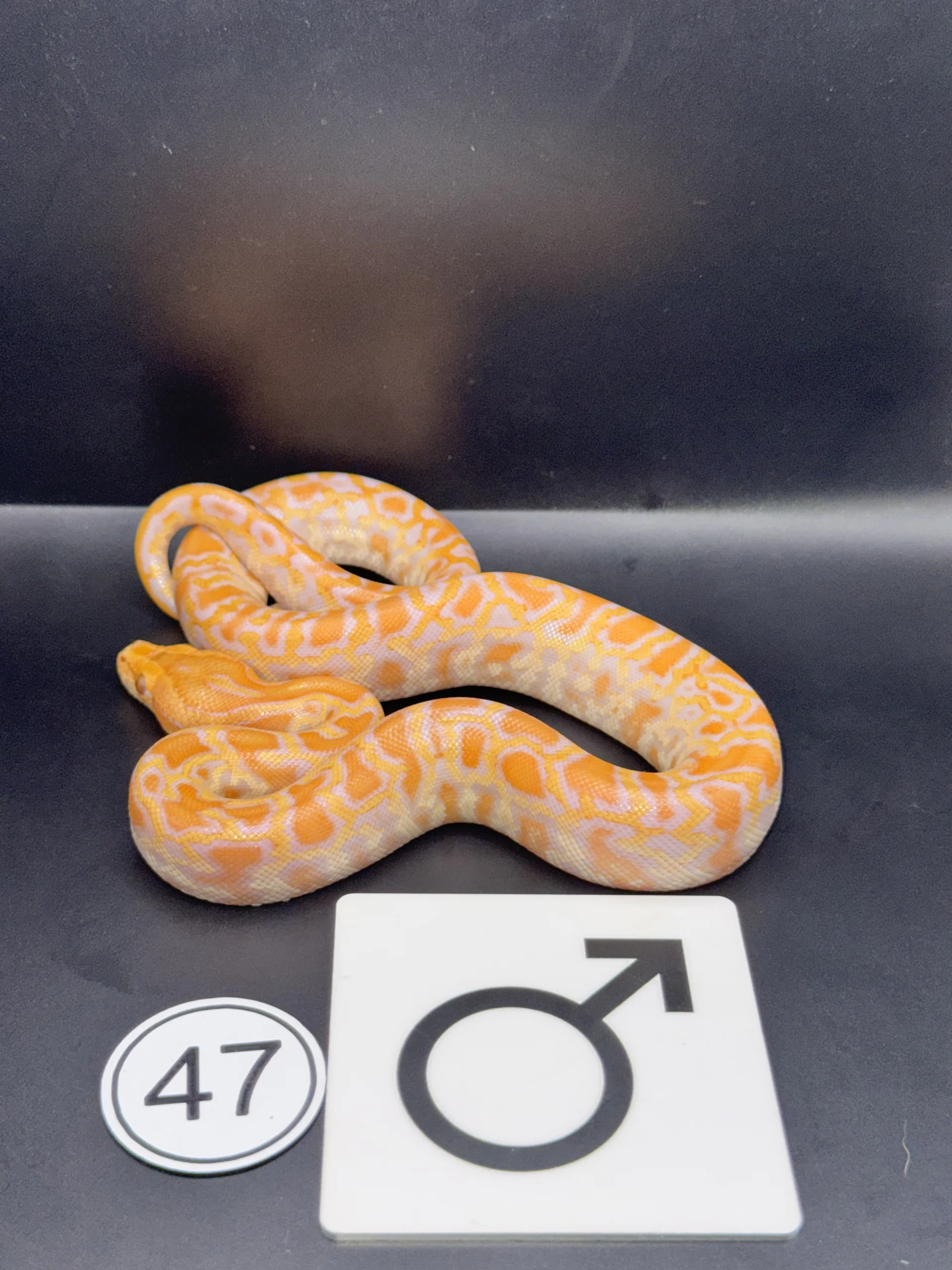
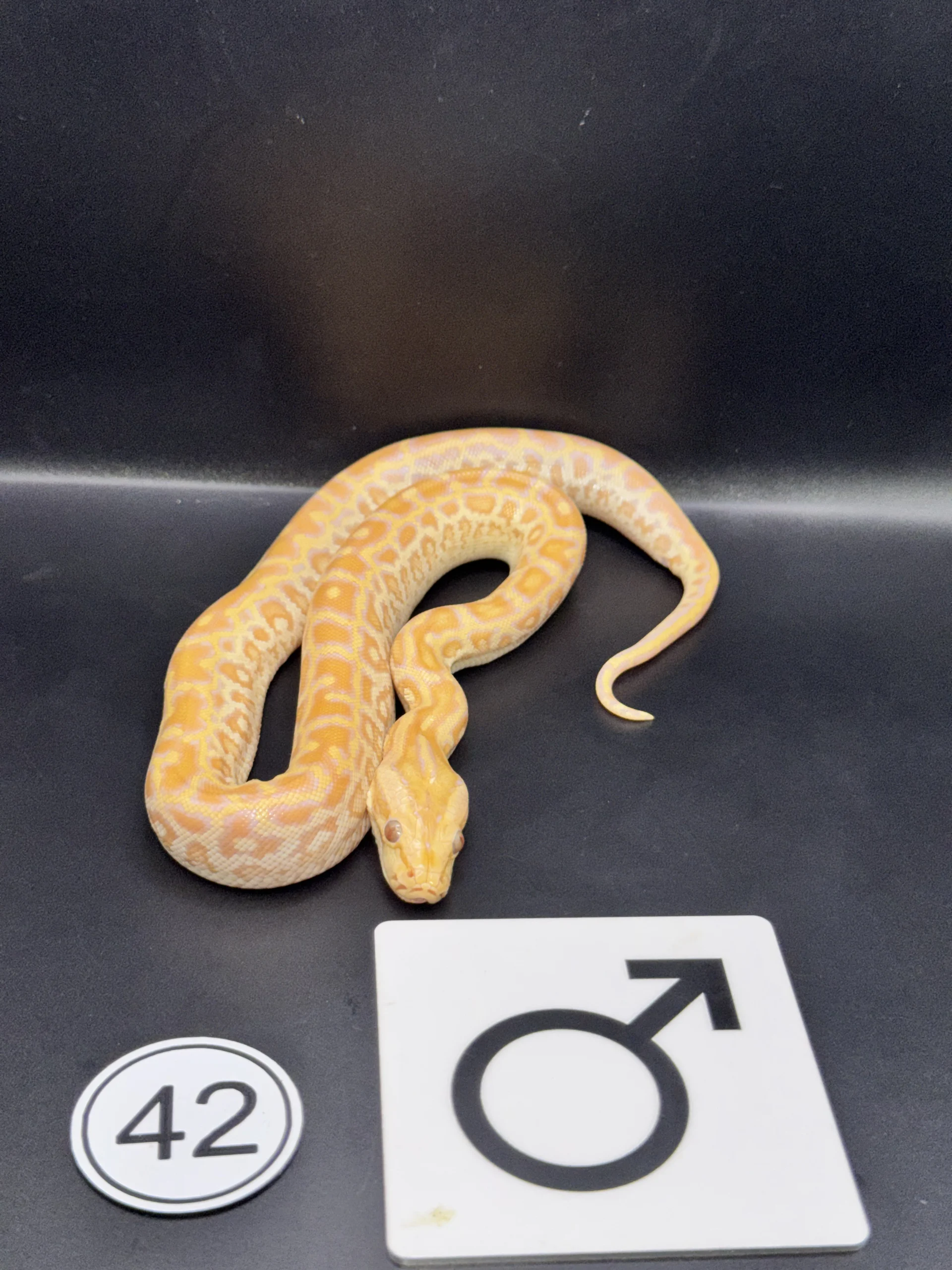
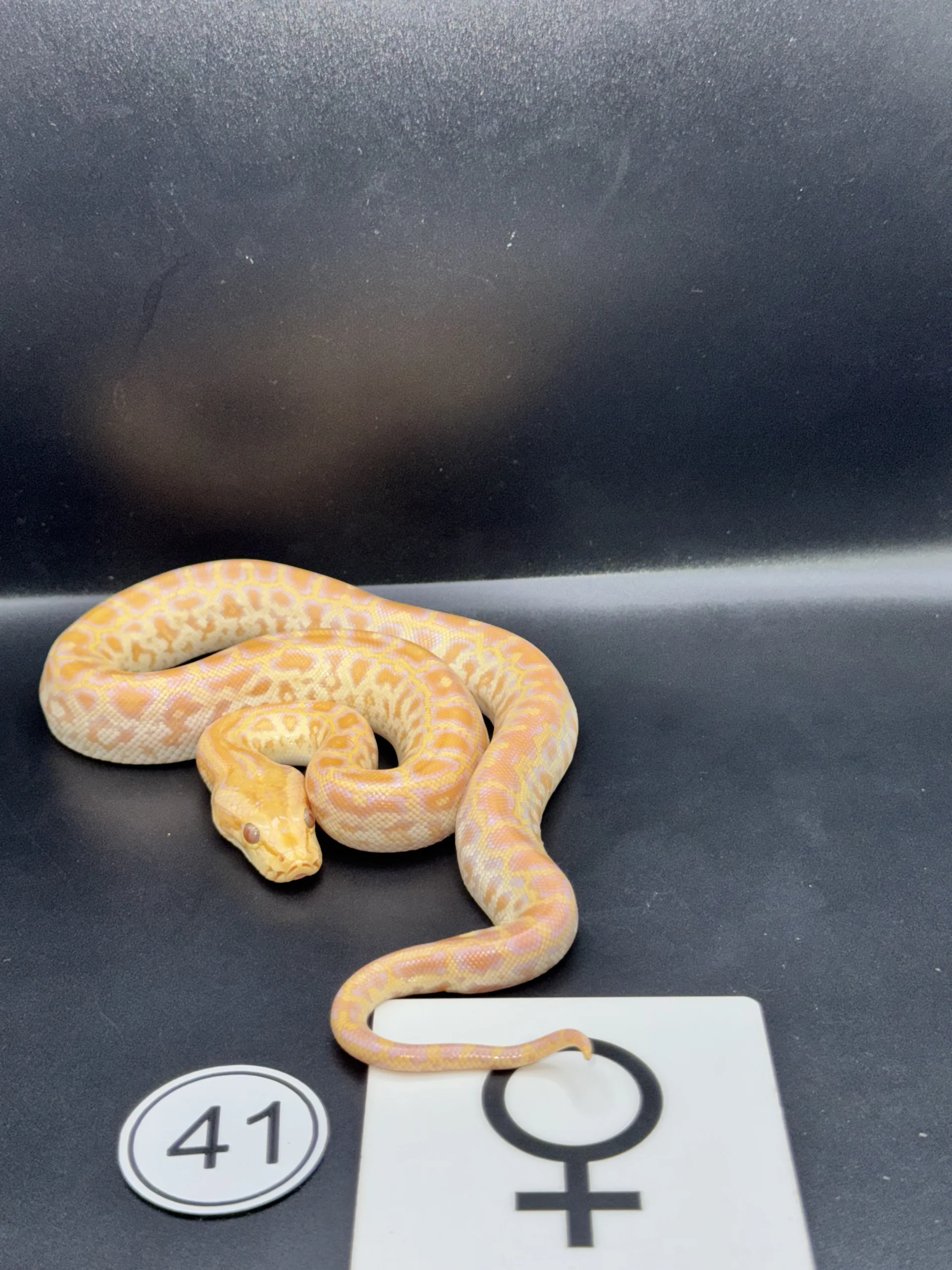
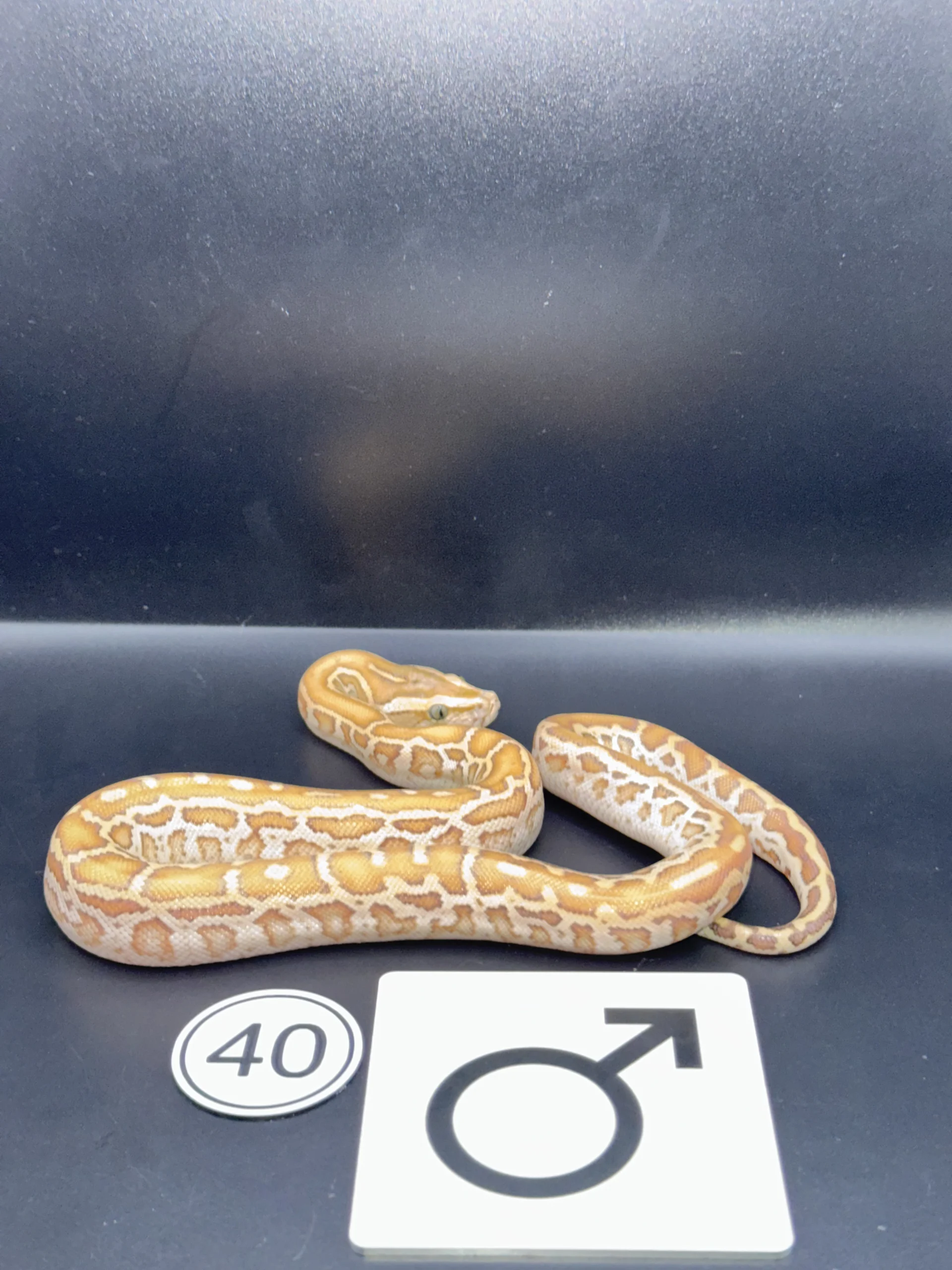
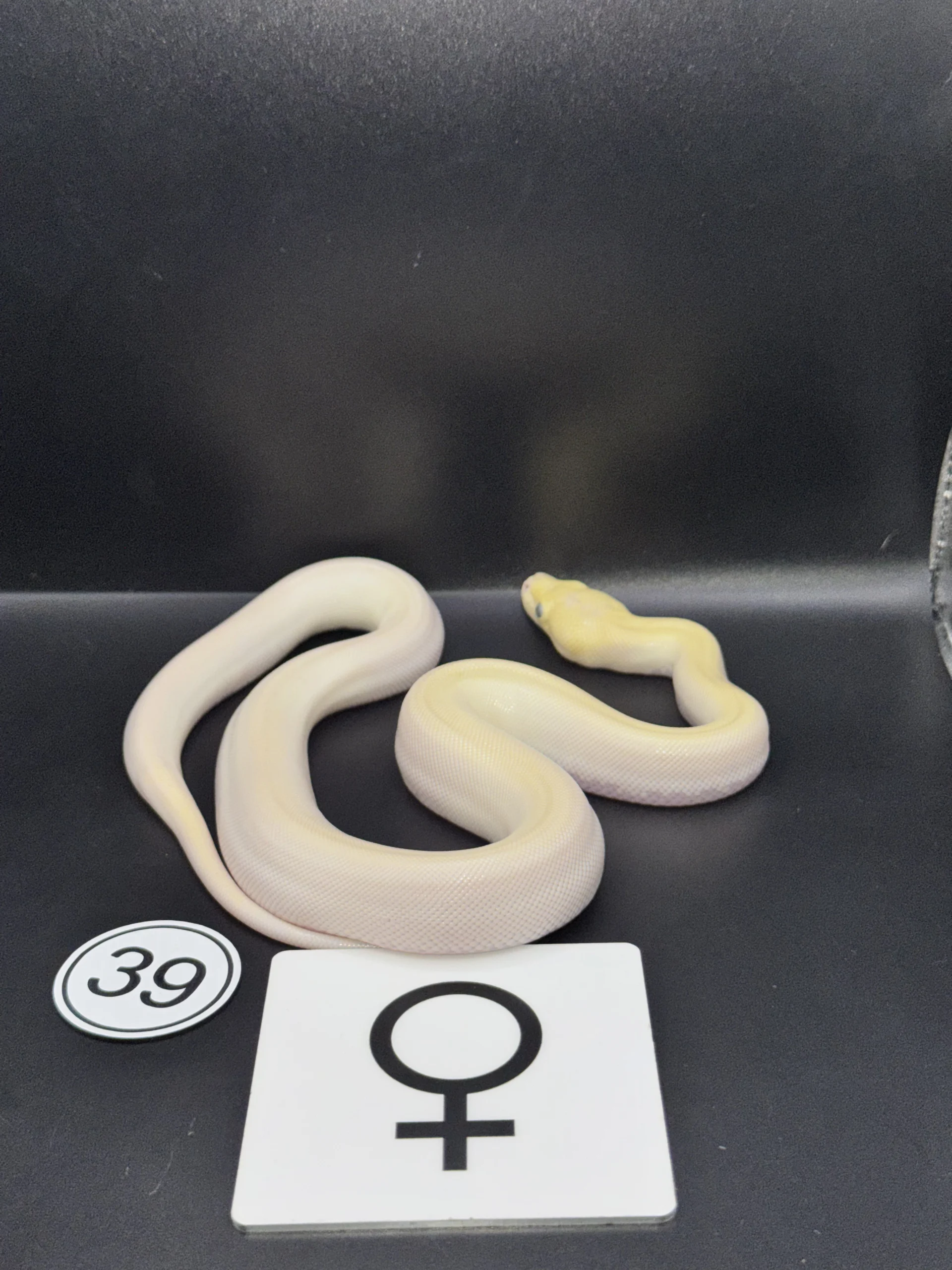
 Sold
Sold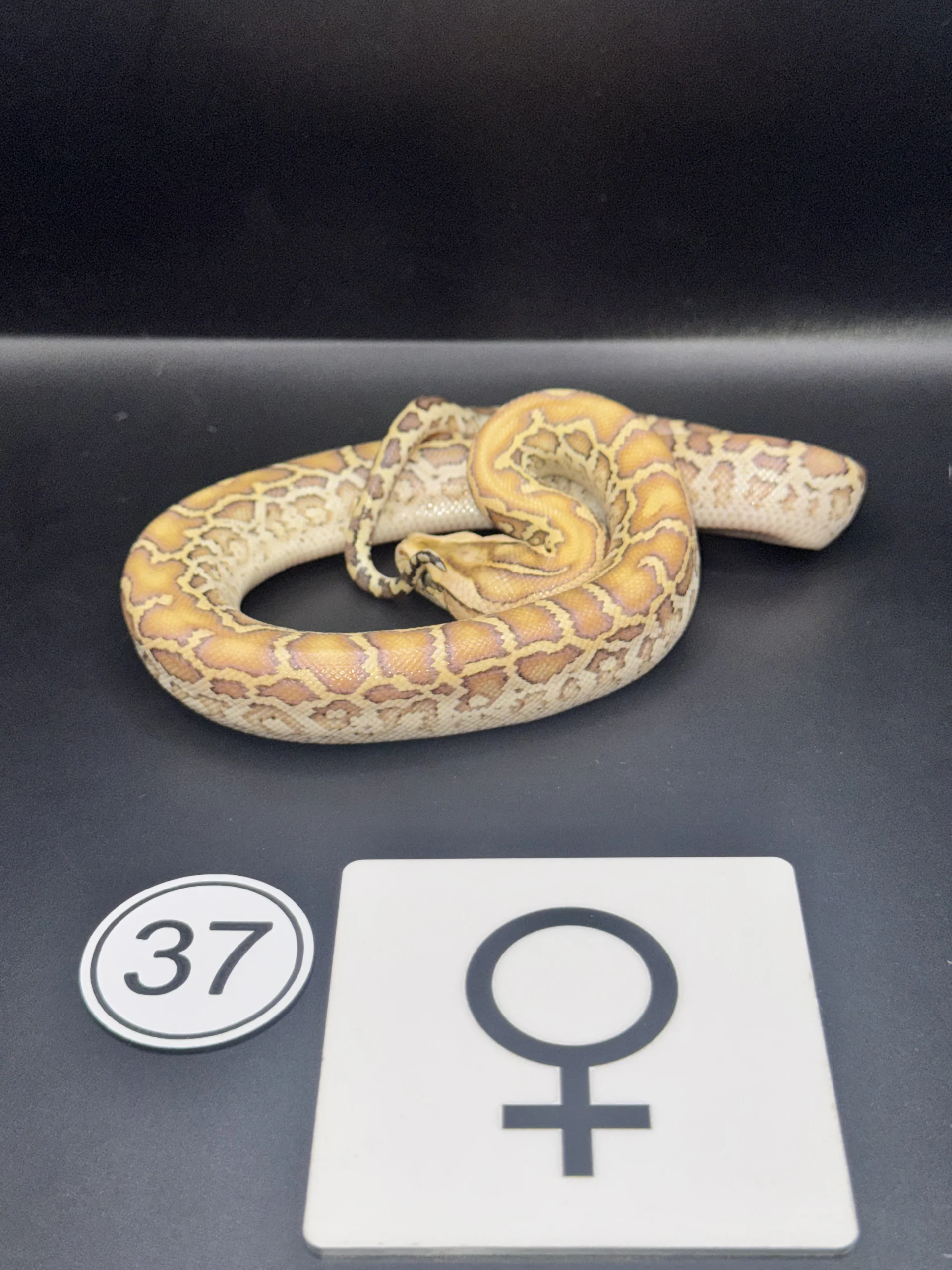
 Sold
Sold
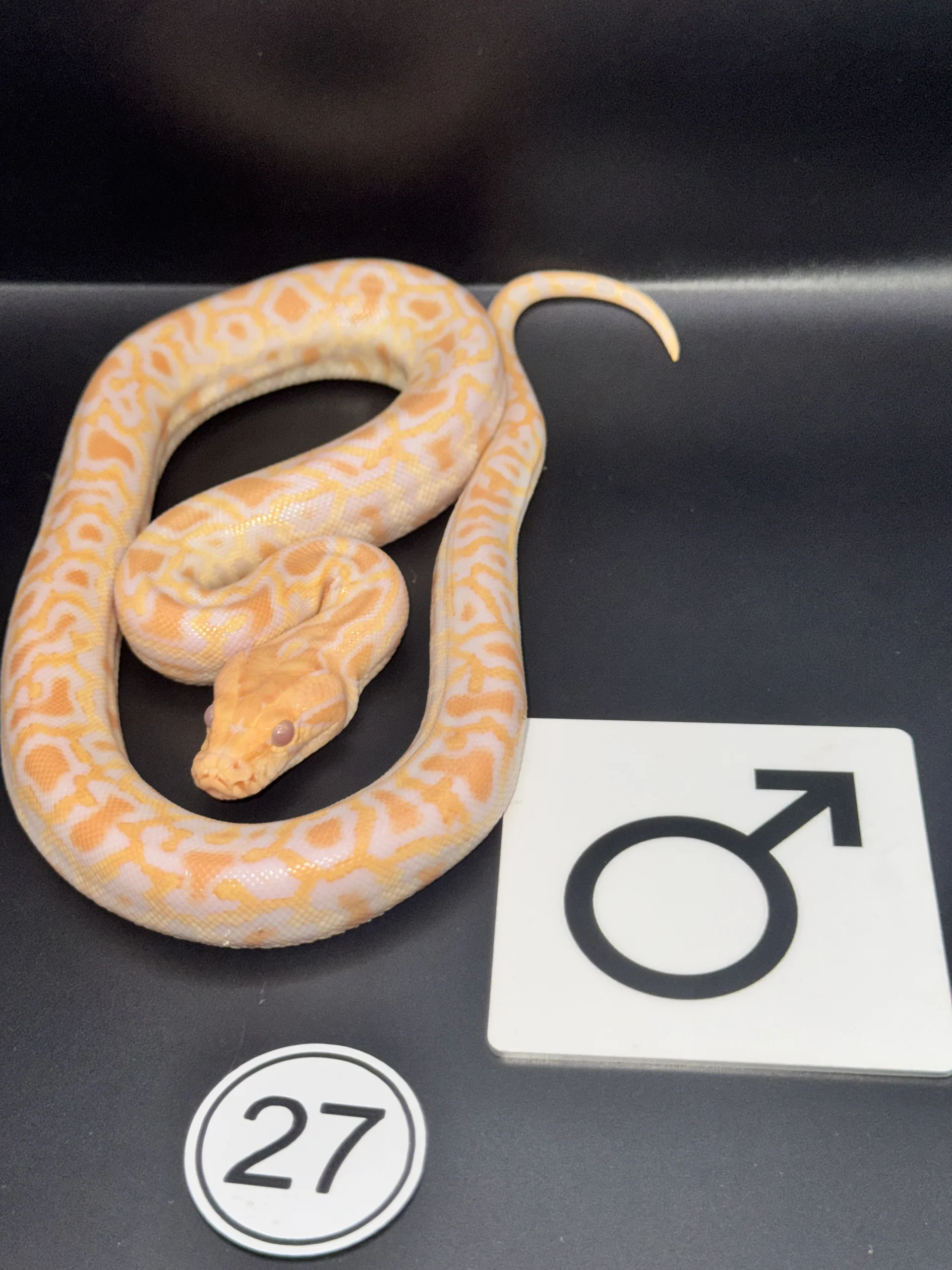
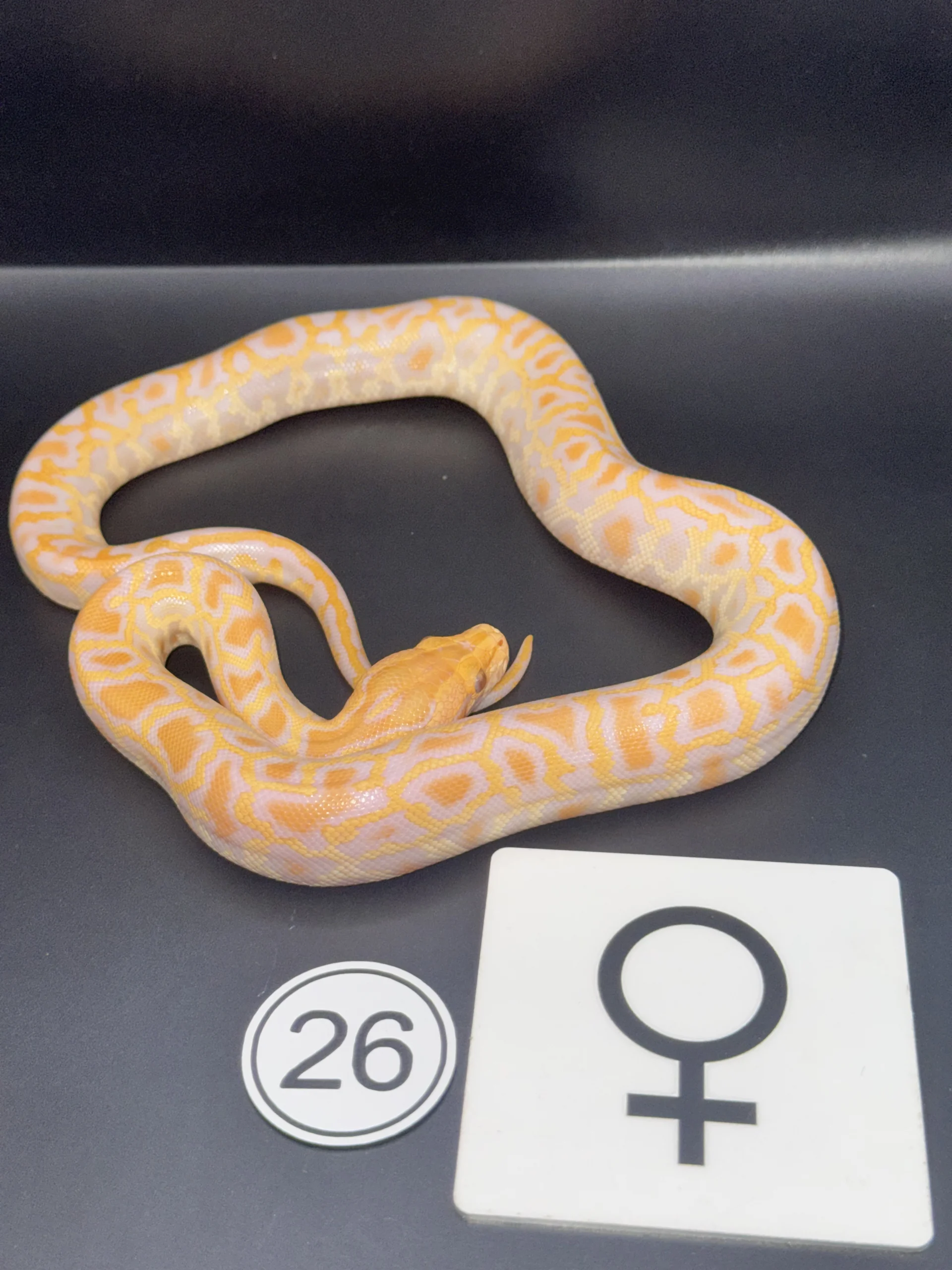
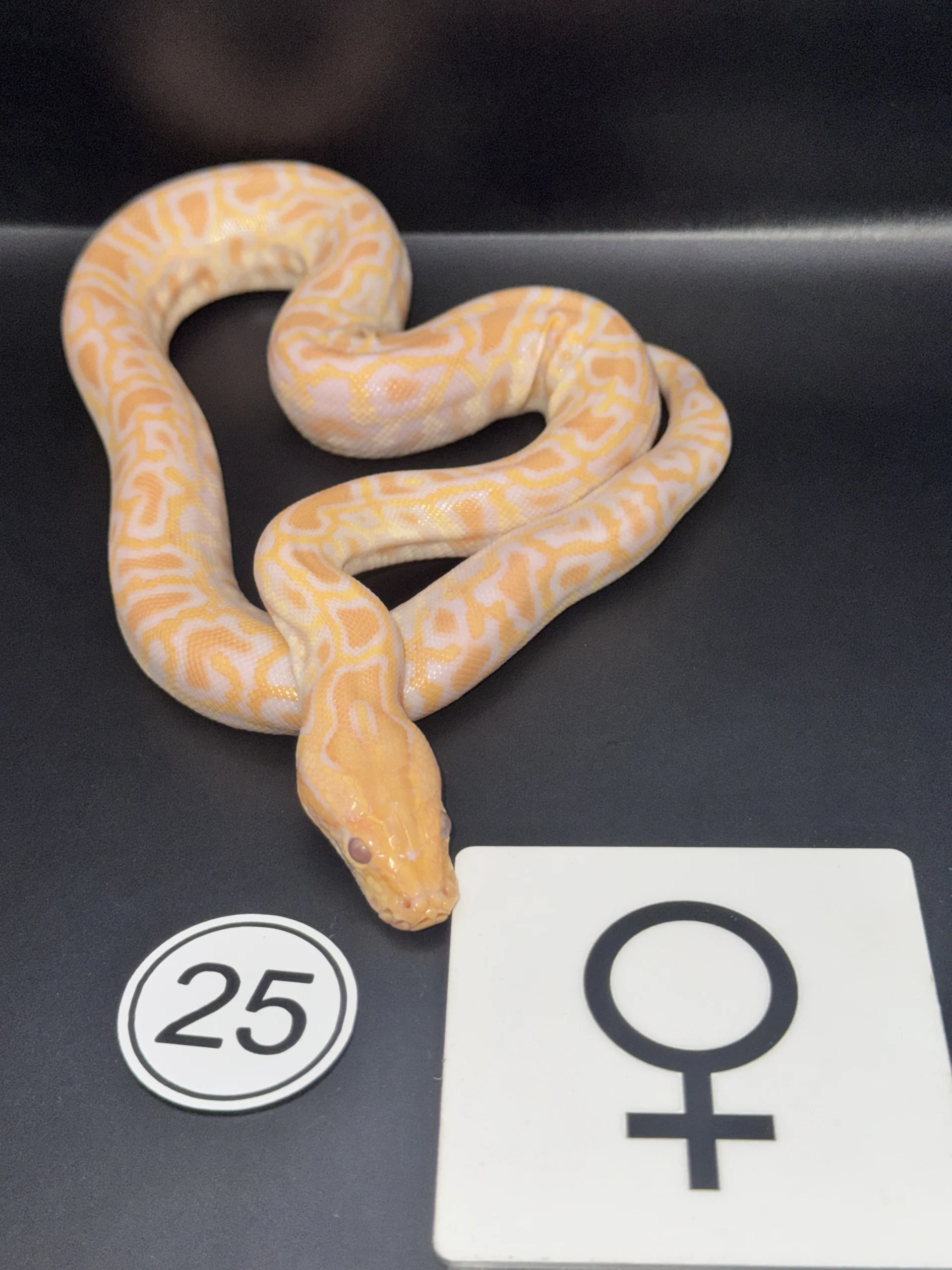 Sold
Sold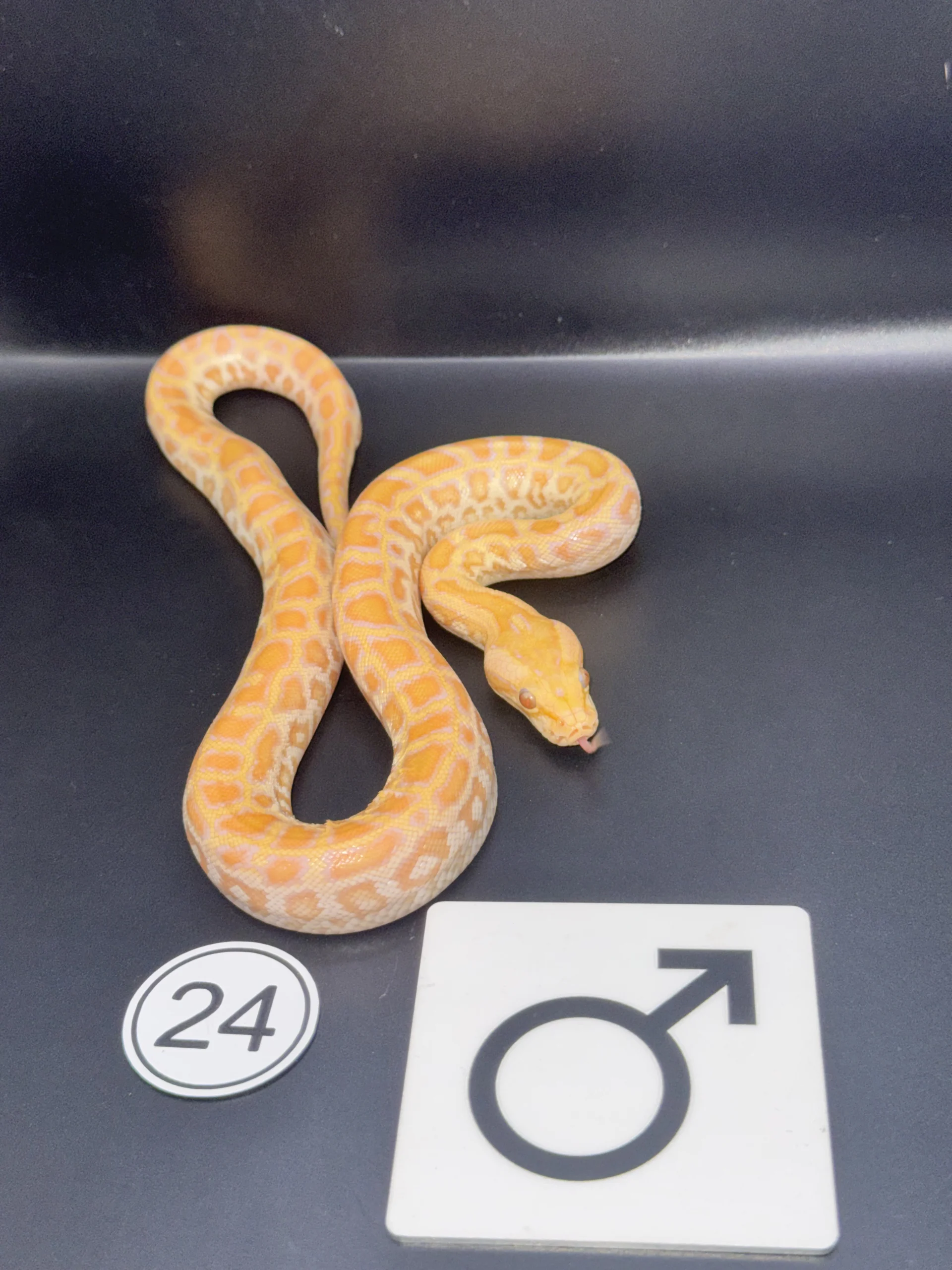 Sold
Sold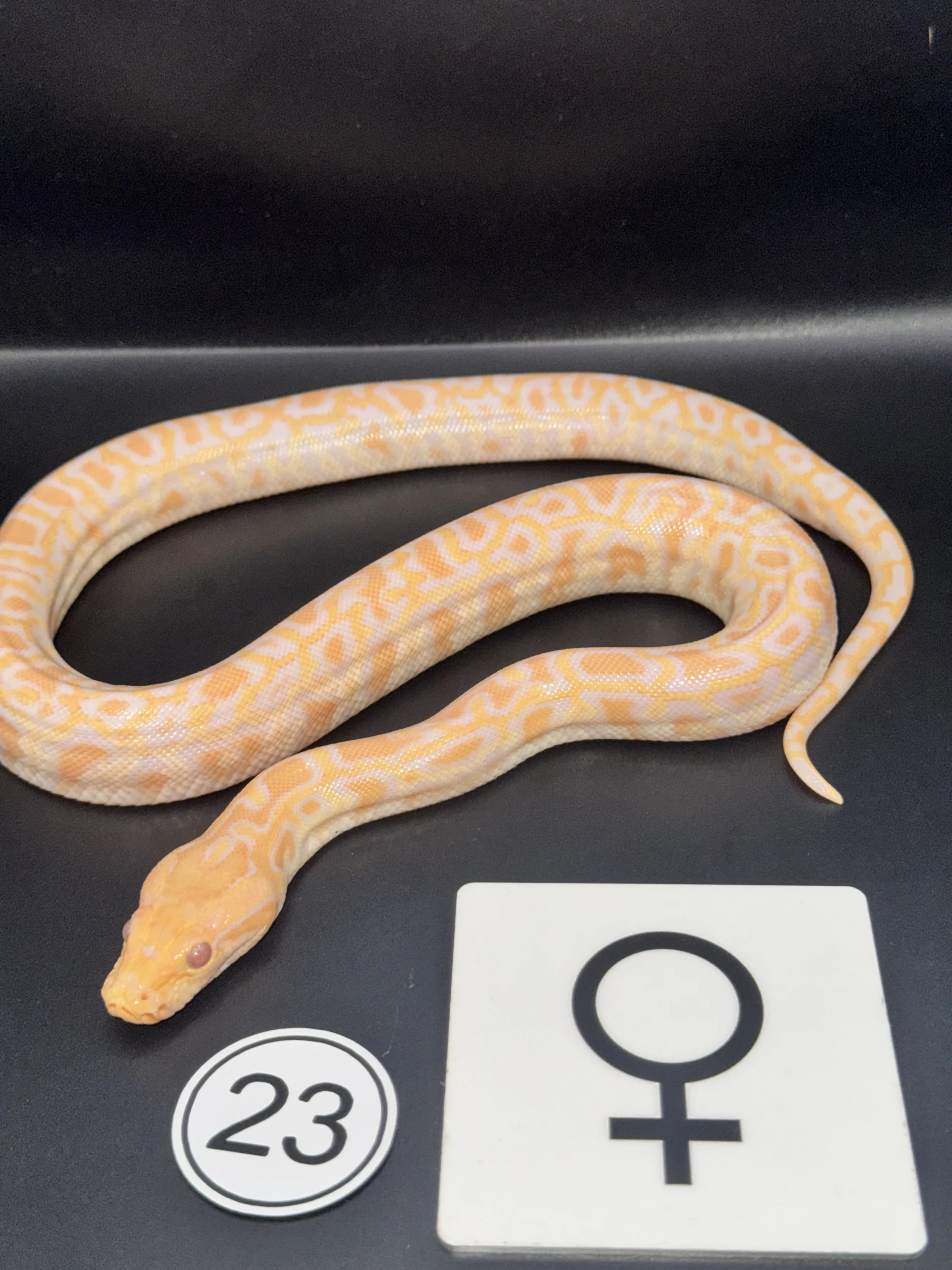
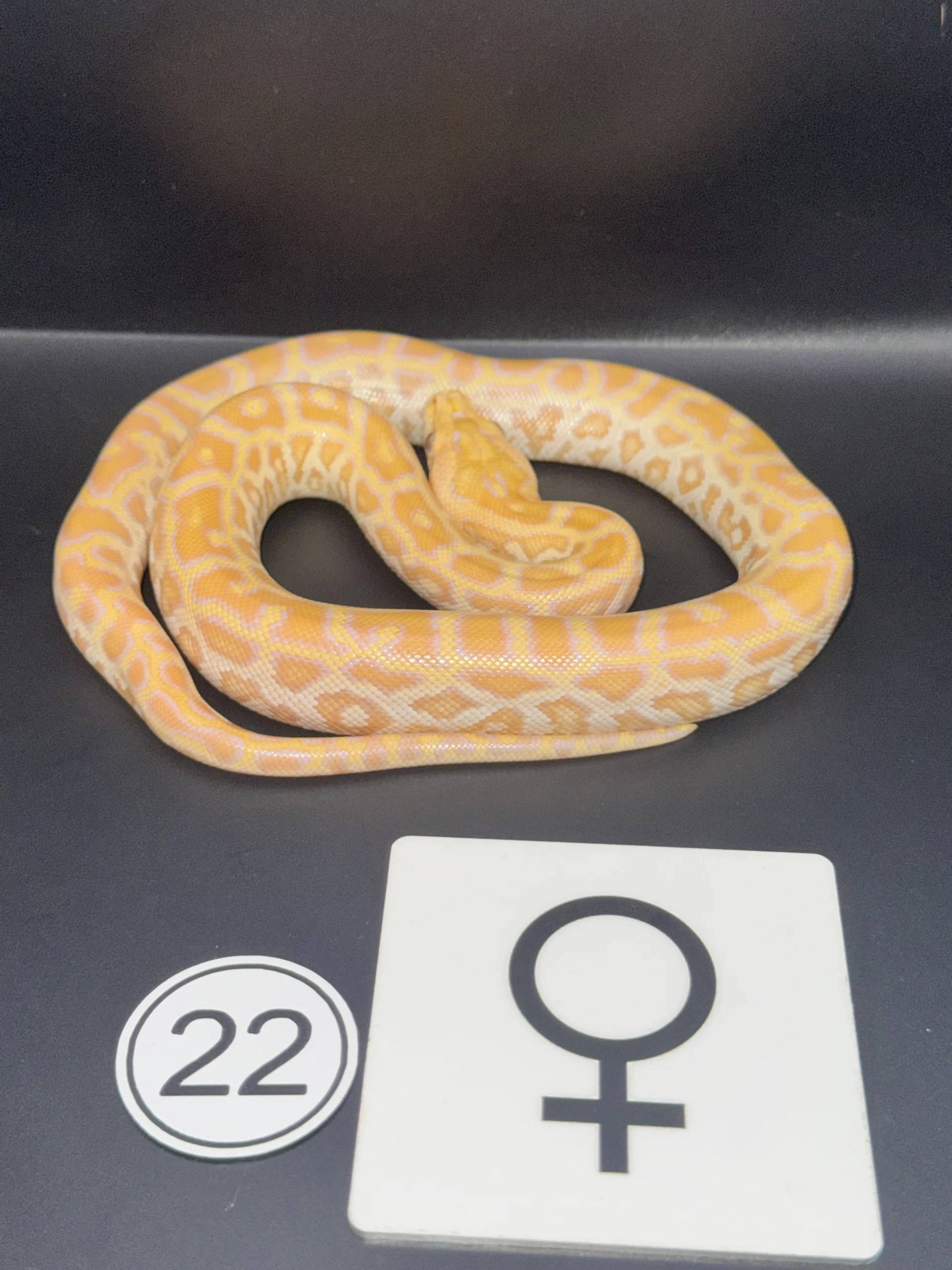
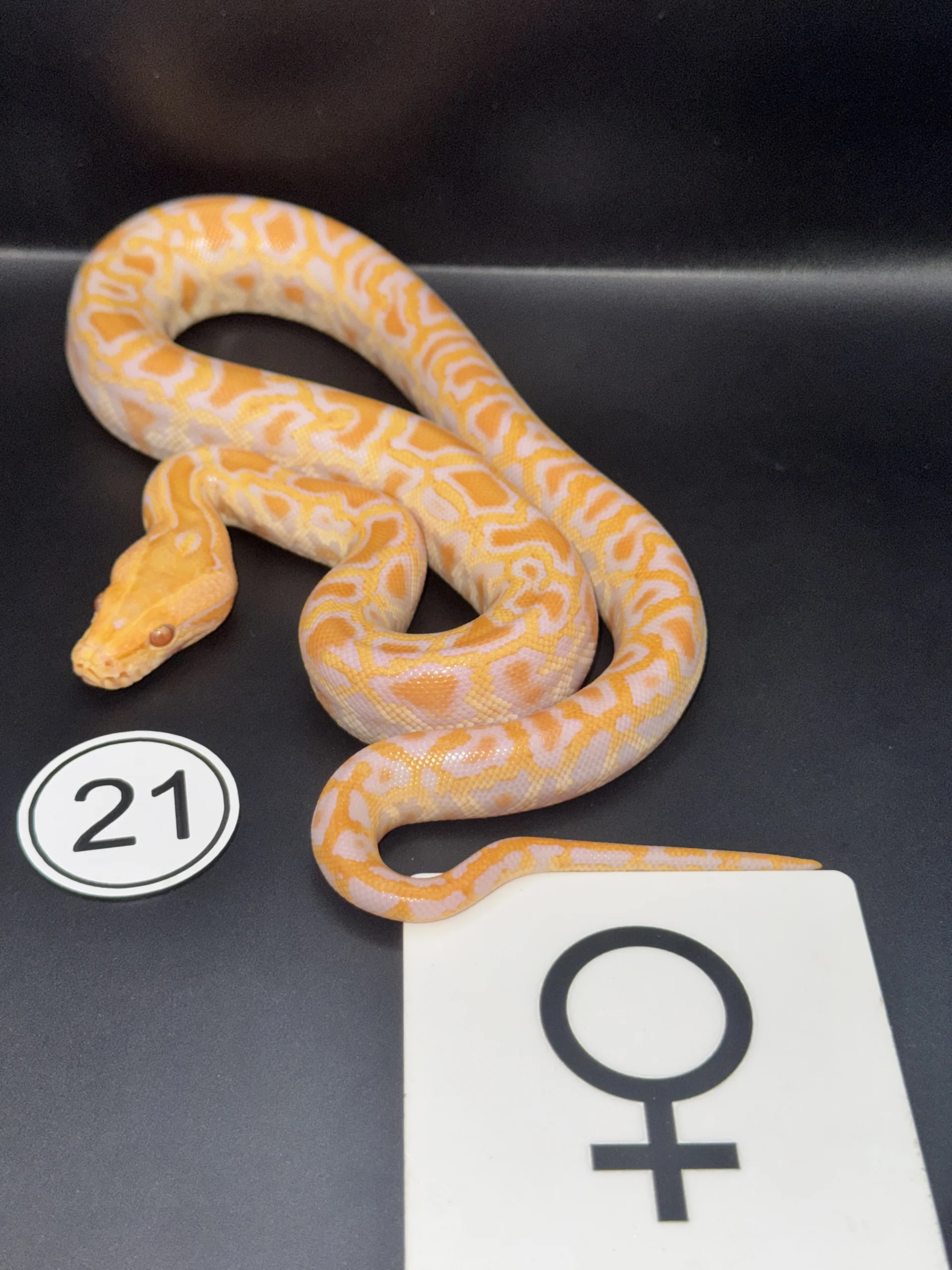
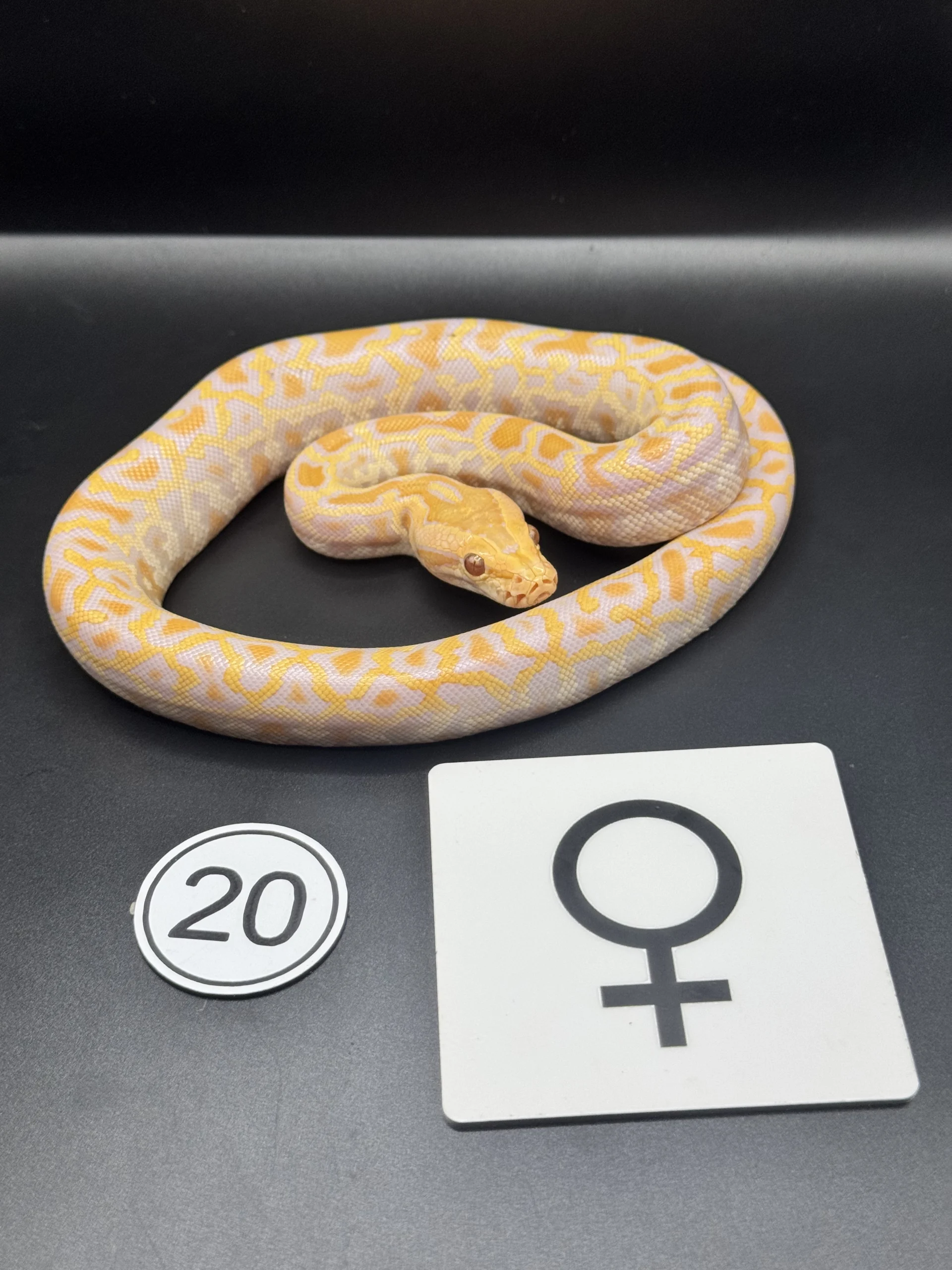
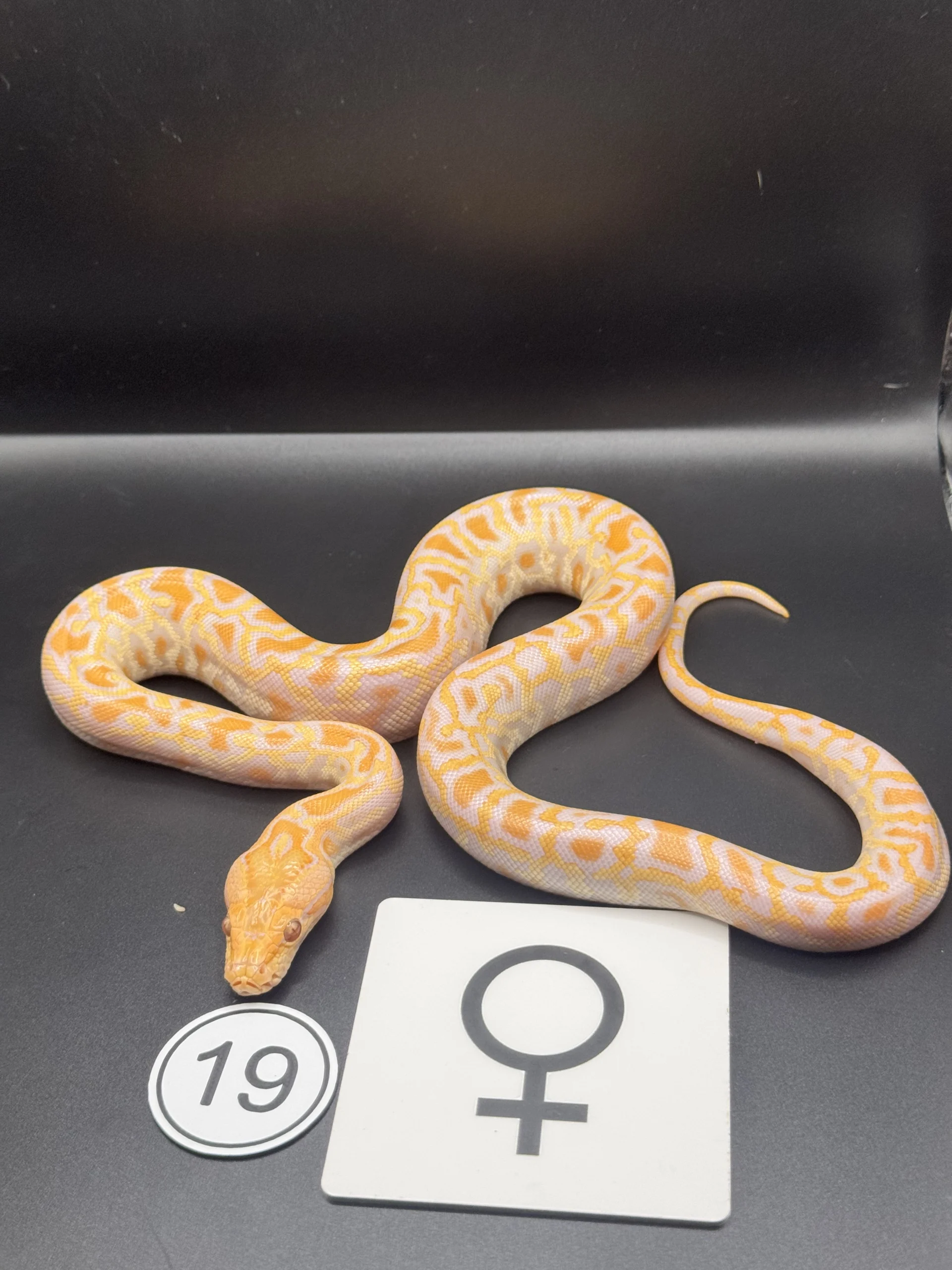
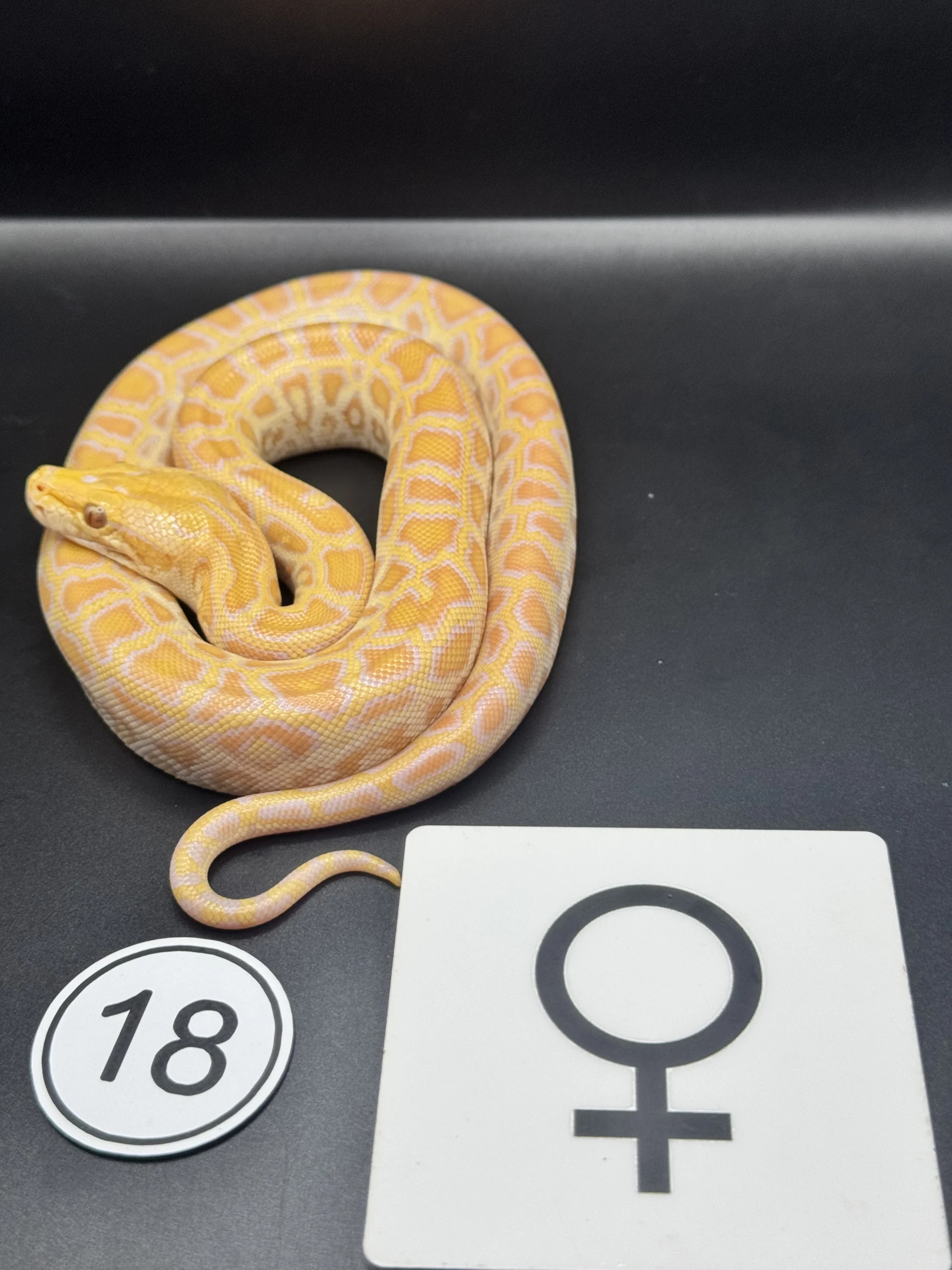 Sold
Sold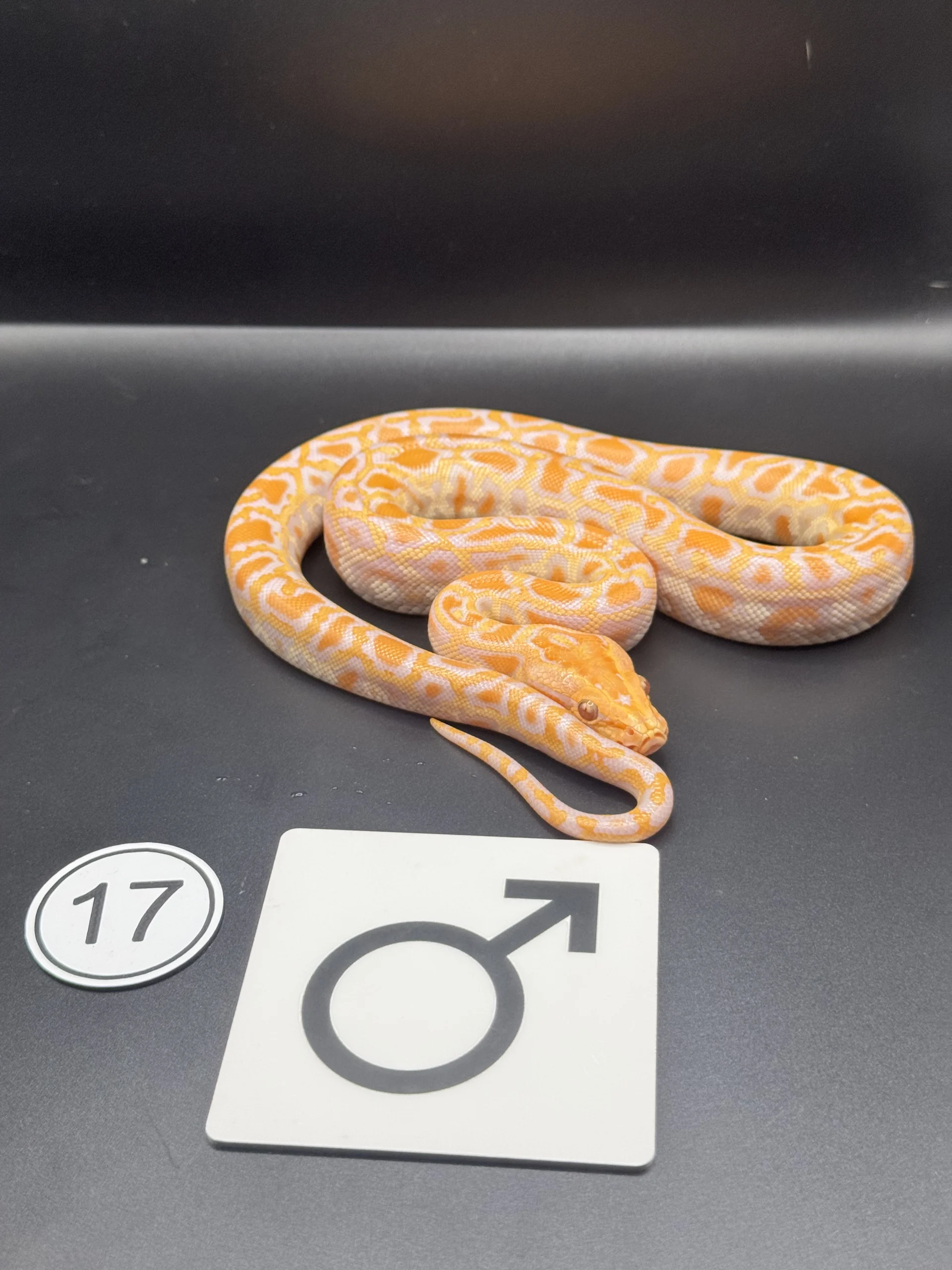
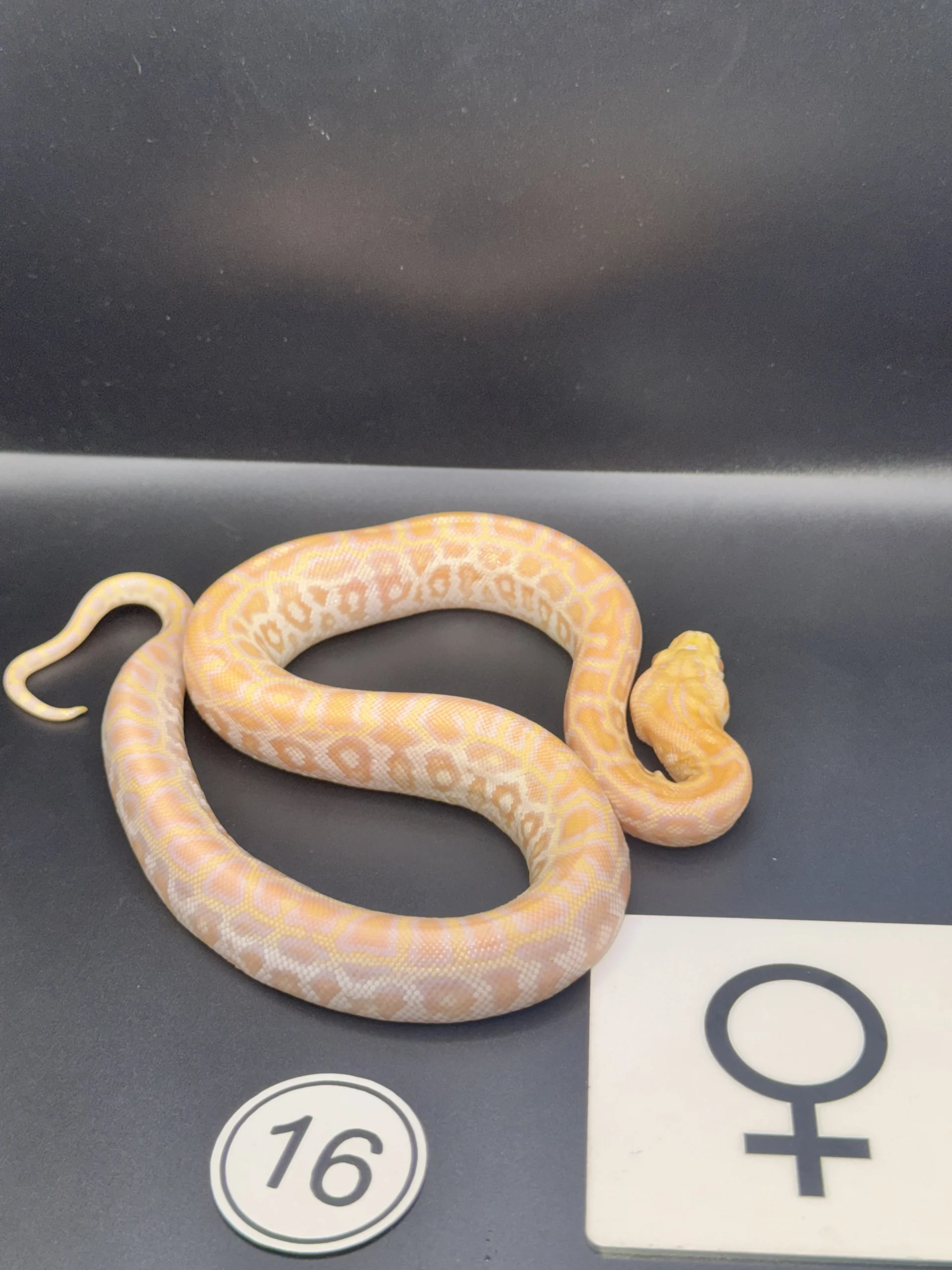
 Sold
Sold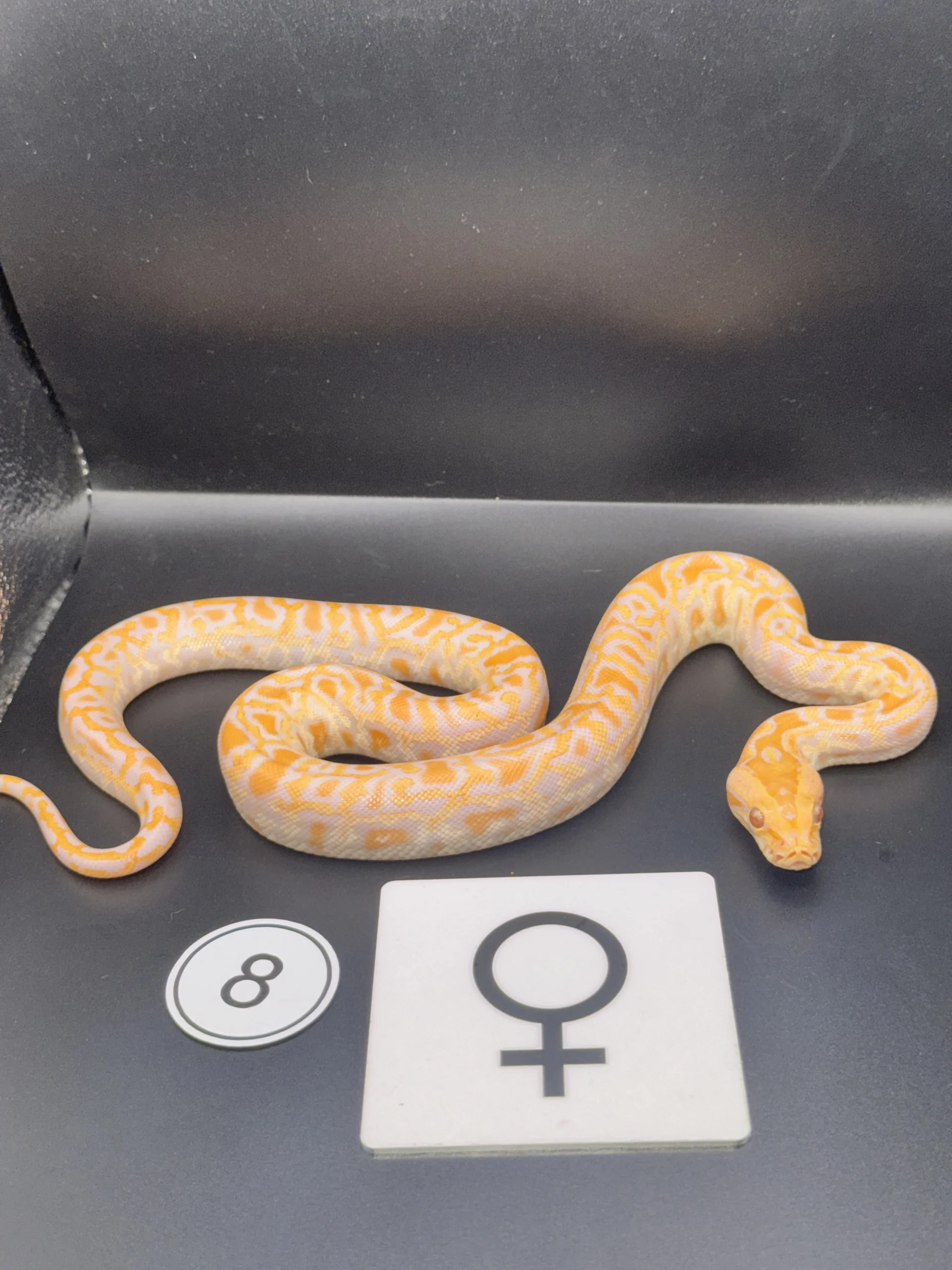
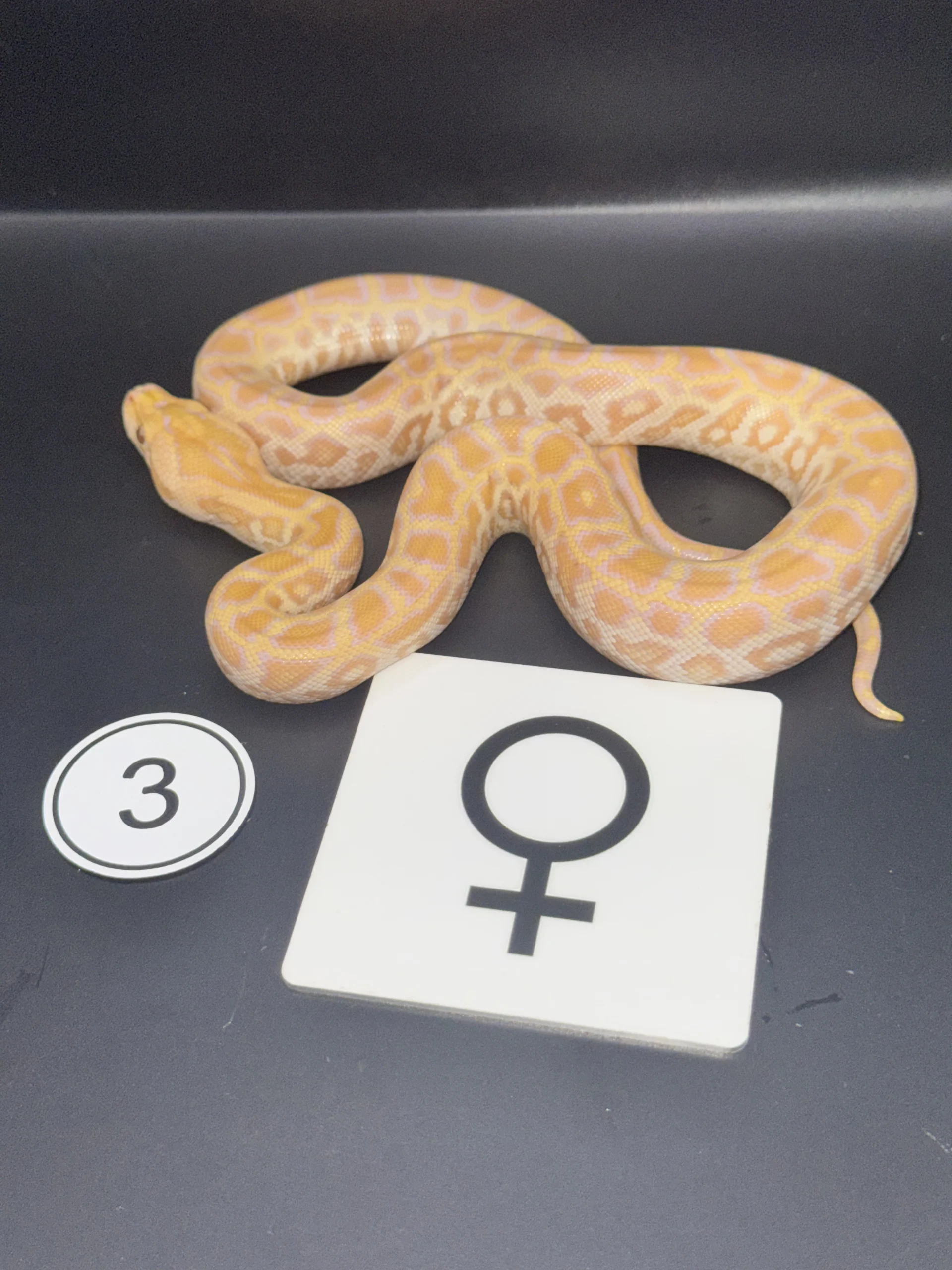
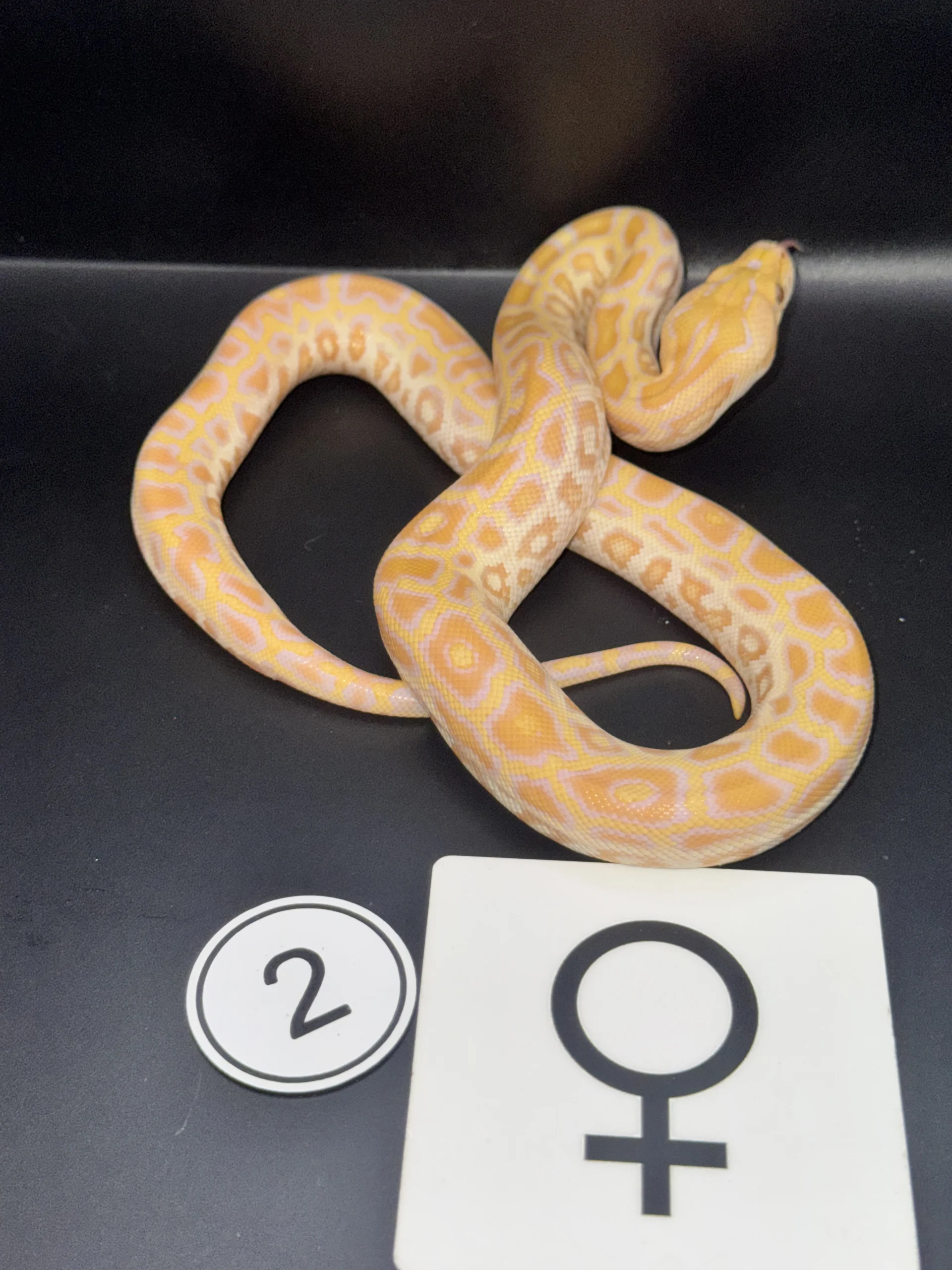 Sold
Sold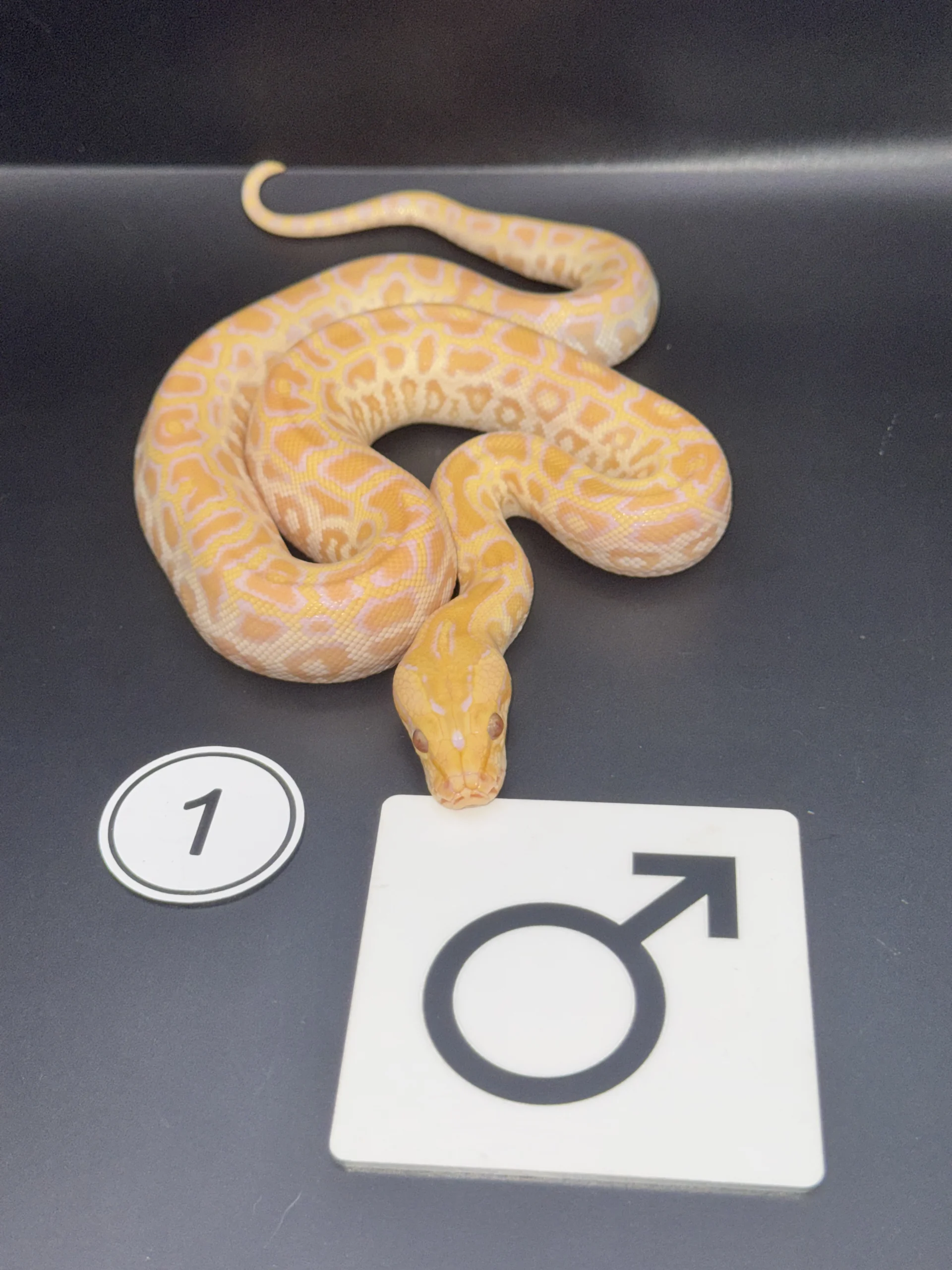
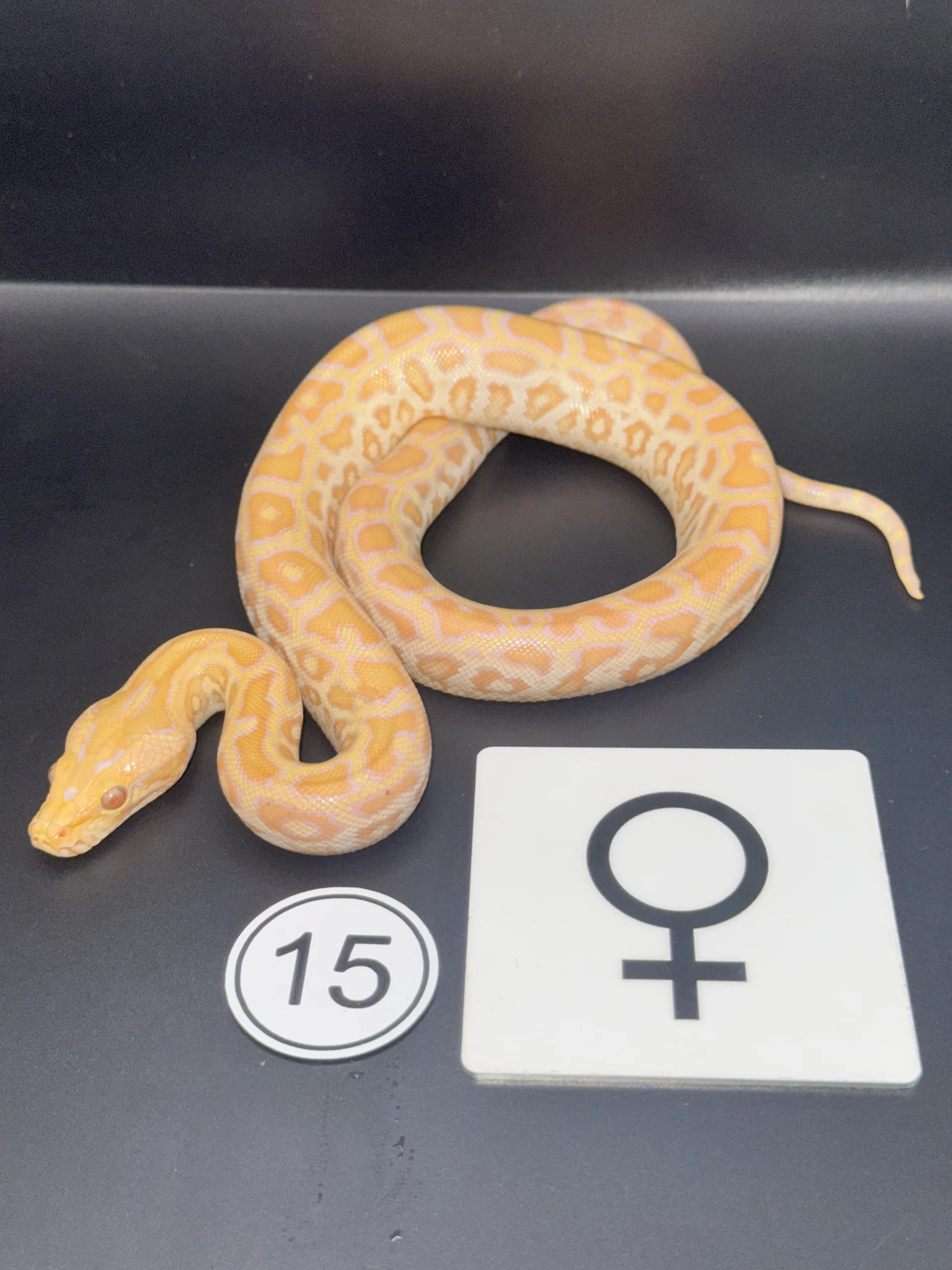
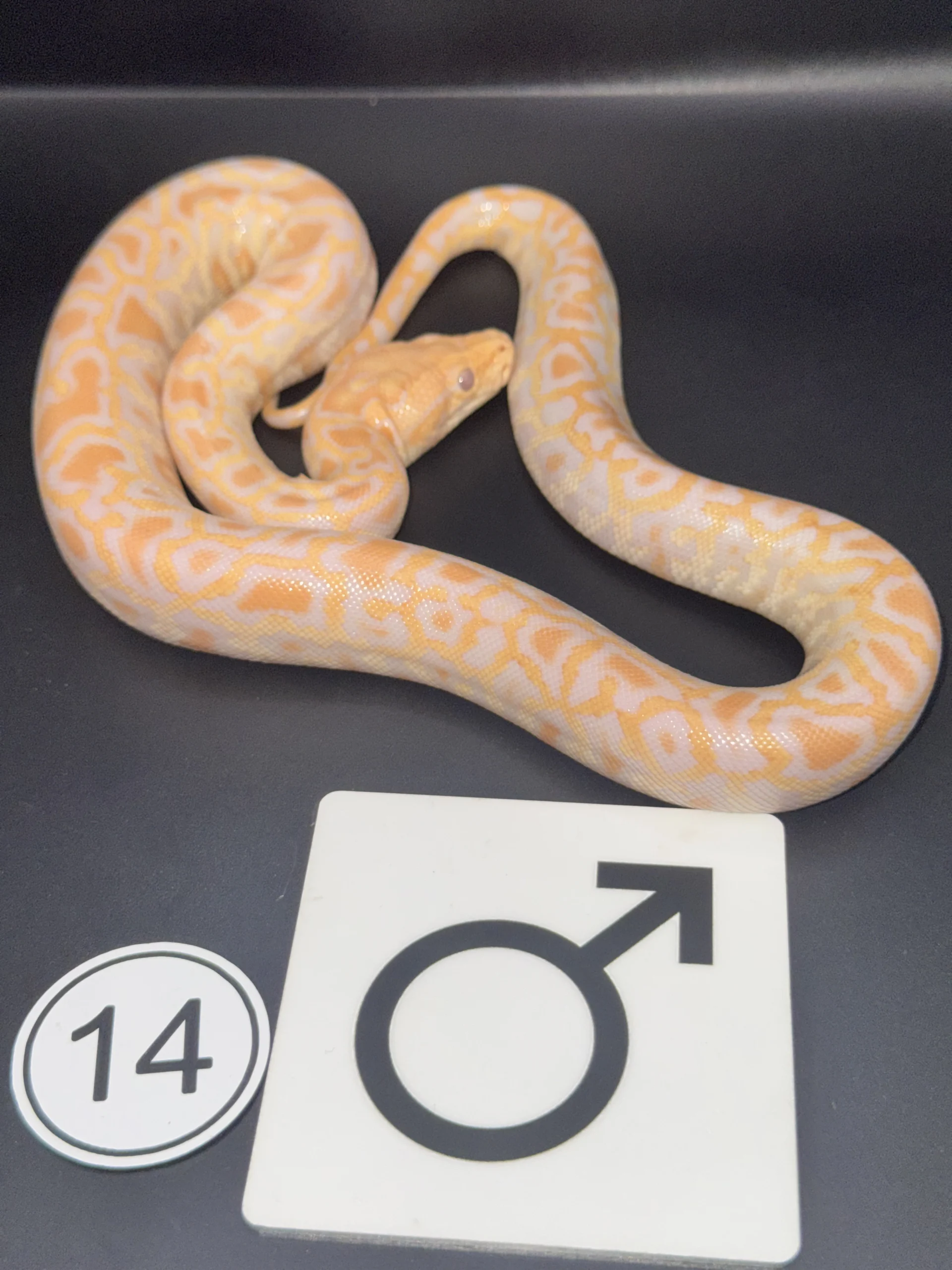
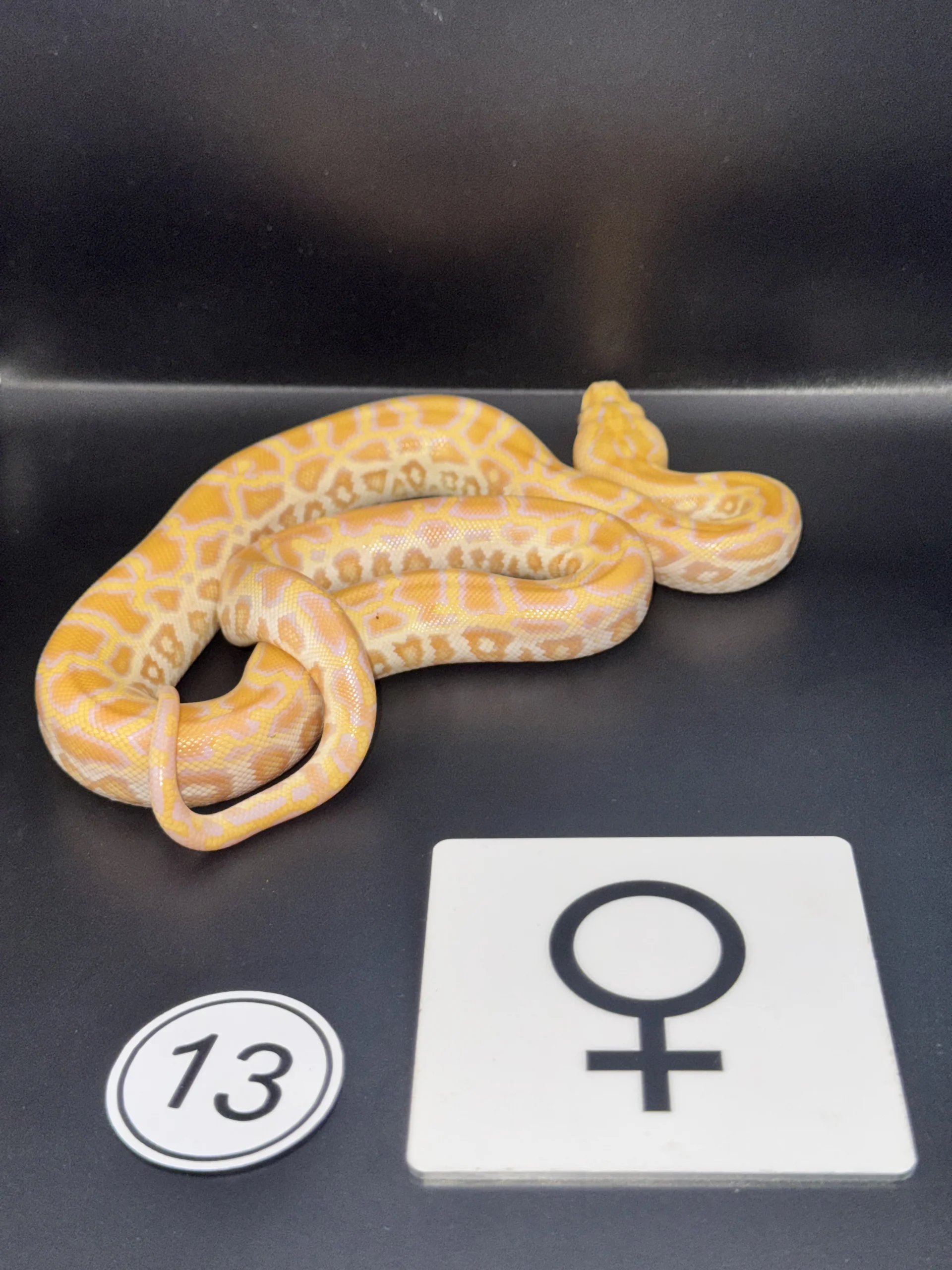
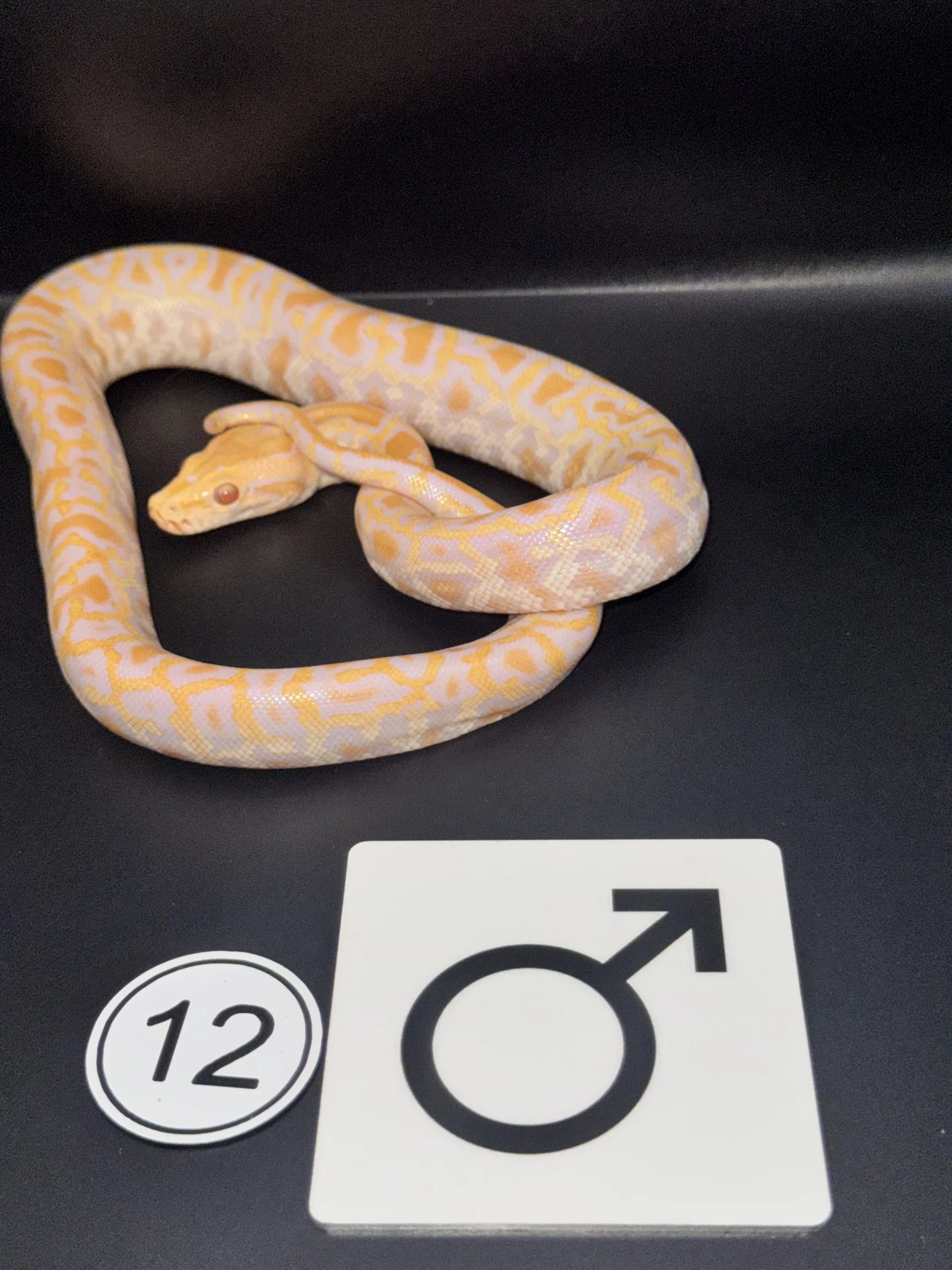
If you are looking for Burmese Python or want to see our current offspring, you will find the available animals here organised by clutch. Where the parents are known, we show them with the clutch so the origin, line and breeding goal stay easy to follow.
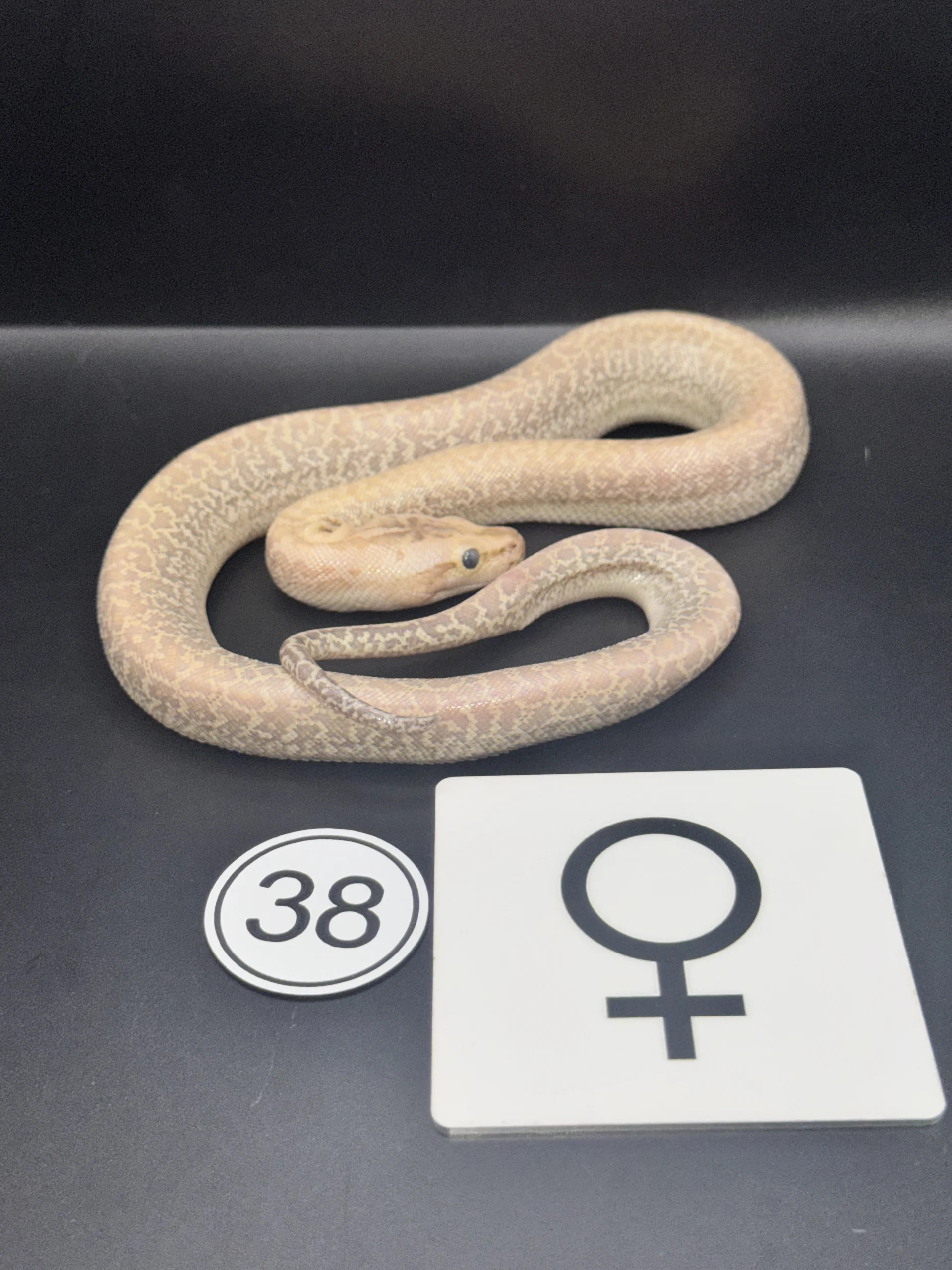
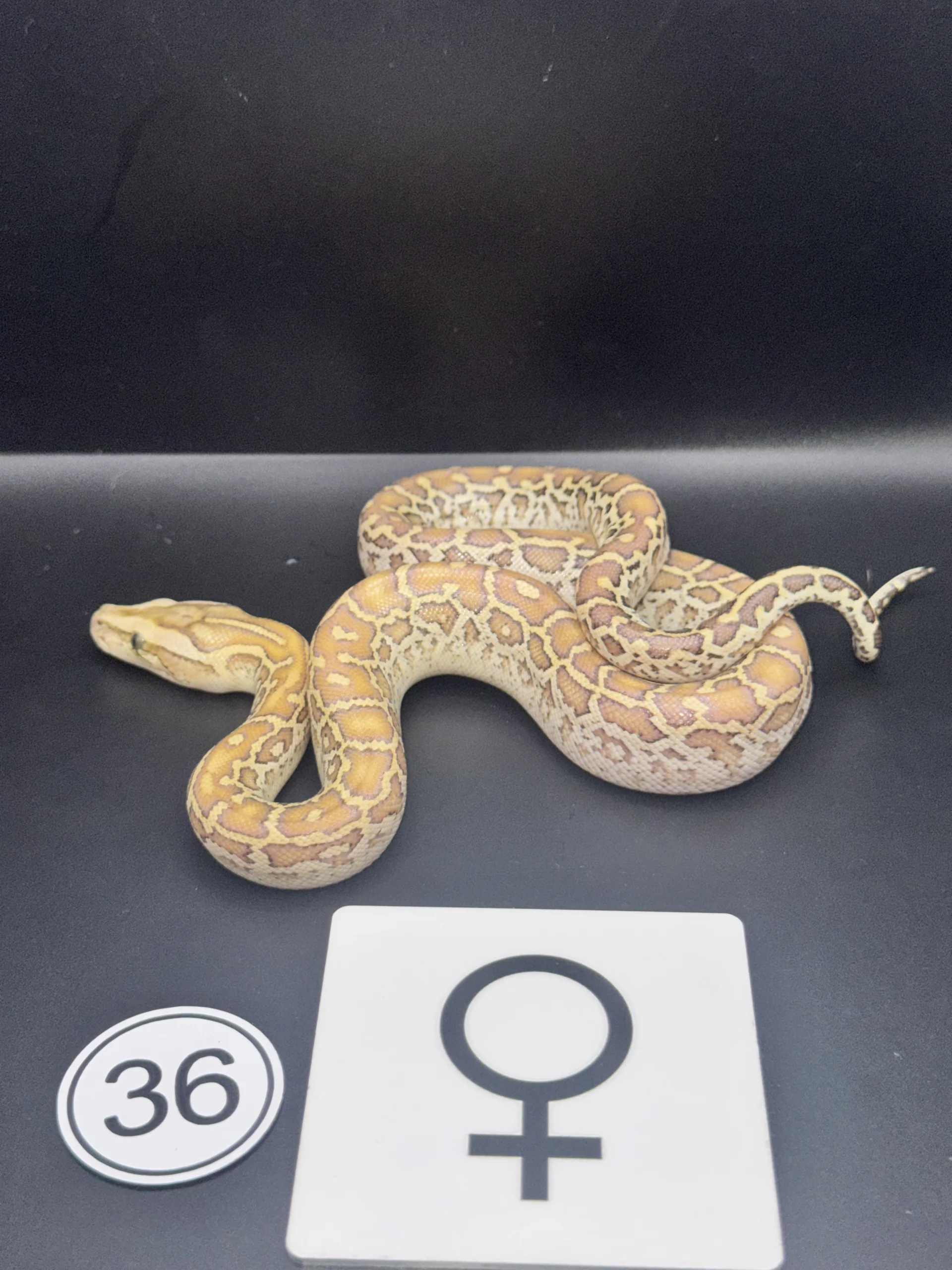
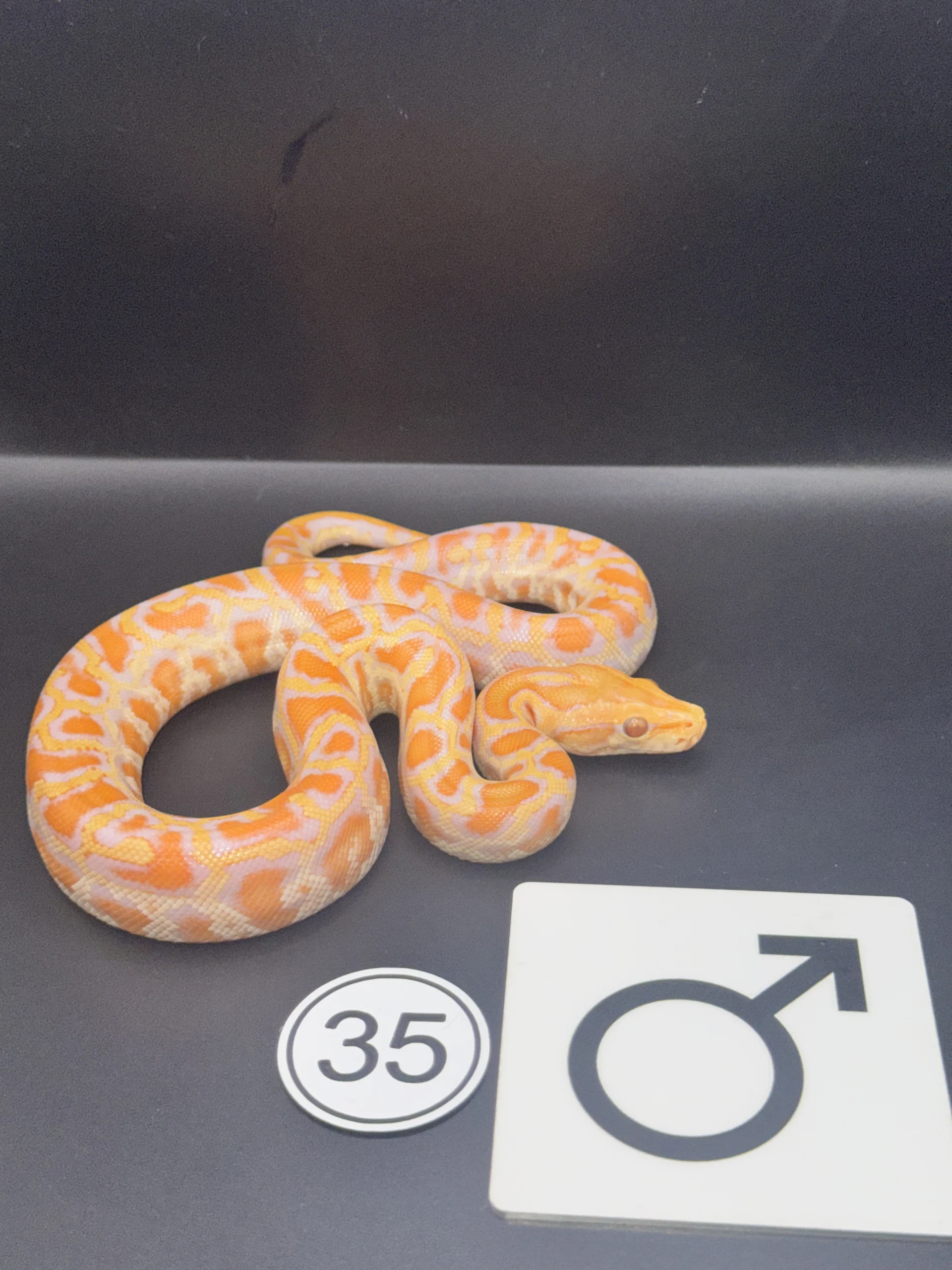
Each available Burmese Python is listed with the important details such as sex, morph or locality, origin, status and photos. Available and reserved animals can be enquired about directly through the contact form or WhatsApp.
For Burmese Python (Python bivittatus), we show background on origin, husbandry and breeding, our own breeding animals and, when available, current offspring.
Native to large parts of mainland Southeast Asia, including Myanmar, Thailand, Laos, Cambodia and Vietnam. The species uses woodland, grassland, wetlands and areas close to rivers and lakes.
Burmese pythons need a very spacious, solidly built and secure enclosure with a clear temperature gradient, dry resting areas, a slightly more humid retreat and a large water area. Everything inside the enclosure needs to be strong enough for a large, powerful snake.
General guide: around 27–30 °C through the warm part of the enclosure during the day, with a local hot spot of roughly 31–33 °C and a moderate drop at night. Humidity should be kept at a sensible middle level, with extra humidity available during shedding. A large water area and a proper temperature gradient are essential.
Adults need a very large enclosure matched to the actual size and movement needs of the individual animal. For very large specimens, a room-style setup with strong resting platforms and a generous water area is often the most practical long-term solution.
In the wild: In the wild, mainly mammals and birds; larger animals can take other vertebrate prey.
In human care: In human care, mainly appropriately sized, hygienic whole prey such as rats and, for large animals, rabbits. Prey size and interval should match age, size and body condition.
Conservation status: CITES Appendix II (Python bivittatus). Cross-border sales may require proof of legal origin, permits or other CITES paperwork depending on the country and route.
A very large and powerful constrictor. The enclosure, locking system and handling routine must match the size and strength of the animal. Large specimens should never be handled casually or without a proper safety plan.
The husbandry information and space recommendations on this page are general guidance. Legal minimum requirements vary between countries and regions and must always be checked locally. Before buying any animal, please take the time to learn about the species in depth – you are welcome to ask us, and we also recommend good specialist literature. Husbandry should always be adapted to the species, locality, age, size and individual animal.
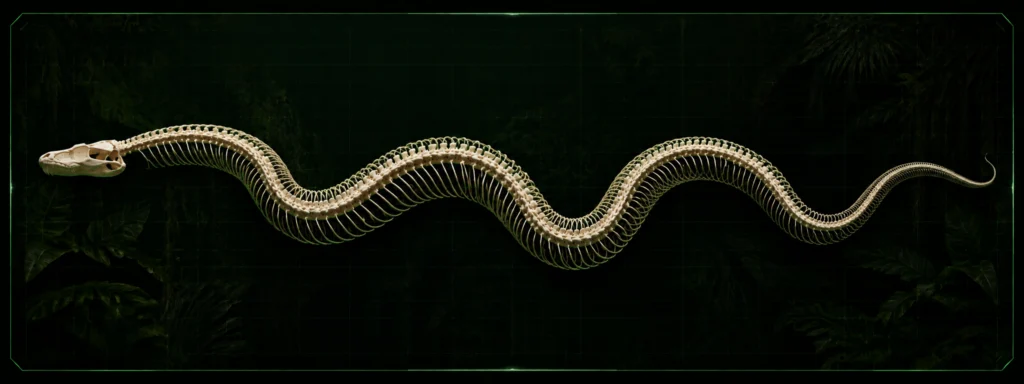

The natural range extends from parts of southern China through Myanmar, Thailand, Laos, Cambodia and Vietnam to Malaysia and parts of Indonesia.
Burmese pythons require a very spacious, escape-proof and robust enclosure with a clear thermal gradient, dry and more humid retreats, and constant access to clean water. Their adult size and strength also require a reliable safety and handling concept.
The Burmese python is a very large and powerful constrictor. The enclosure, furnishings, doors and locks should therefore be planned from the outset for the animal’s adult size, weight and strength.
The enclosure should provide generous usable space, robust resting and hiding areas, a clear thermal gradient, drier and more humid retreats, and constant access to clean water. It must also be secure and escape-proof.
A useful climate gradient is more important than one uniform value throughout the enclosure. Warm and cooler areas together with appropriately drier and more humid retreats allow the animal to choose suitable conditions.
As a constrictor, the species feeds on suitable prey animals. Prey size and feeding intervals should be adapted to the individual animal’s age, size, body condition and activity.
Long-term space planning, secure working routines and careful handling are essential in addition to appropriate husbandry. Breeding animals also benefit from consistent documentation and individual assessment.
You can find our breeding animals and species information on the breeding animals page for Burmese python (Python bivittatus). See our breeding animals.
You can see what is currently available on our animals-for-sale page. Availability changes throughout the breeding season and as individual animals develop. See what is available.
More from JZ-Reptiles: Species profile & our breeding animals · FAQ