Kenyan Sand Boa – offspring & available animals
Current Kenyan Sand Boa offspring and available animals from JZ-Reptiles, clearly organised by clutch. Where parent animals are known, they are linked directly so the background of each clutch stays easy to follow.
No animals are currently available
New offspring will appear here automatically as soon as they are published.
Kenyan Sand Boa available - captive-bred animals from JZ-Reptiles
If you are looking for Kenyan Sand Boa or want to see our current offspring, you will find the available animals here organised by clutch. Where the parents are known, we show them with the clutch so the origin, line and breeding goal stay easy to follow.
Each available Kenyan Sand Boa is listed with the important details such as sex, morph or locality, origin, status and photos. Available and reserved animals can be enquired about directly through the contact form or WhatsApp.
For Kenyan Sand Boa (Gongylophis colubrinus (syn. Eryx colubrinus)), we show background on origin, husbandry and breeding, our own breeding animals and, when available, current offspring.
Kenyan Sand Boa Gongylophis colubrinus (syn. Eryx colubrinus)
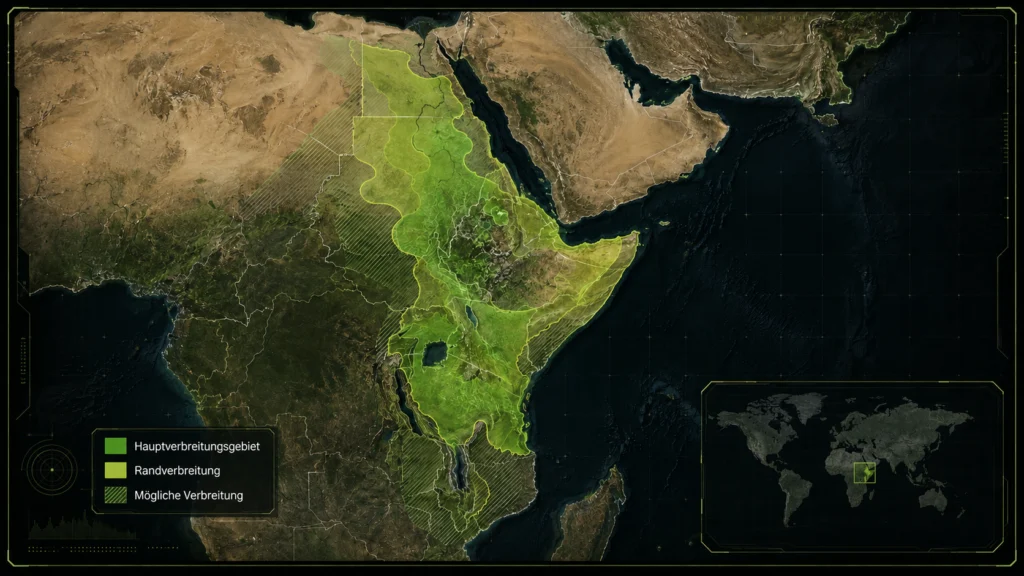
Origin & natural range
Found from parts of north-eastern Africa through East Africa, including areas of Egypt, Sudan, Ethiopia, Eritrea, Somalia, Kenya and Tanzania. Populations can be quite separated from one another.
General husbandry
Kenyan sand boas spend much of their time burrowing. They need a deep, stable substrate, a mostly dry setup, secure hides and a clear warm-to-cool gradient. A small humid area can help with shedding without making the whole enclosure wet.
Key parameters
General guide: a warm area of around 29–32 °C, with a cooler zone in the mid-20s °C. Keep the enclosure mostly dry, provide a small local humid area and use a deep, burrow-friendly substrate.
Space & enclosure
Floor space matters more than height. The enclosure should allow the snake to stretch out, choose between temperatures and bury itself properly in a deep substrate.
Diet
In the wild: Small mammals, lizards and occasionally birds.
In human care: Mostly appropriately sized mice or small rats; match prey size and interval to age and condition.
Conservation & CITES
Conservation status: boas in this group are generally covered by CITES Appendix II. For international transfers, the current taxonomic listing and paperwork requirements should be checked.
Special notes & safety
Not venomous and normally harmless to people, but every animal should still be handled calmly and carefully.
The husbandry information and space recommendations on this page are general guidance. Legal minimum requirements vary between countries and regions and must always be checked locally. Before buying any animal, please take the time to learn about the species in depth – you are welcome to ask us, and we also recommend good specialist literature. Husbandry should always be adapted to the species, locality, age, size and individual animal.
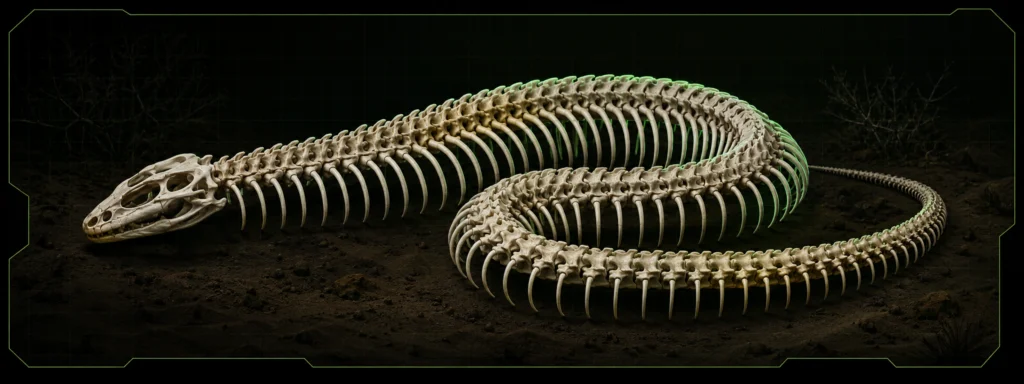
Skeleton of Kenyan Sand Boa
Natural range
Frequently asked questions about the Kenyan sand boa
Where does the Kenyan sand boa come from?
Records extend from Egypt and the Nile region through Sudan, Ethiopia, Eritrea and Somalia to Kenya and Tanzania, with some populations geographically separated.
What is important when keeping a Kenyan sand boa?
The enclosure needs sufficiently deep, burrowable and stable substrate, a predominantly dry setup, protected hides and a thermal gradient. A small suitable humid area can support shedding without keeping the entire substrate permanently wet.
Why does a Kenyan sand boa need burrowable substrate?
The species is predominantly fossorial. Sufficiently deep, burrowable and stable substrate allows it to express this natural behaviour in the enclosure.
Should a Kenyan sand boa enclosure be dry or humid?
The setup is predominantly dry. A small suitable humid area can help with shedding without keeping the entire substrate permanently wet.
Does a Kenyan sand boa still need hides with deep substrate?
Yes. In addition to burrowing, protected hides provide different secure retreat options.
What climate structure is useful?
A thermal gradient with different activity areas allows the animal to choose its preferred conditions.
What should be avoided in the substrate?
Persistently wet, unstable or otherwise unsuitable substrate does not match the species’ predominantly dry, burrowing lifestyle.
Where can I see JZ-Reptiles’ breeding animals of this species?
You can find our breeding animals and species information on the breeding animals page for Kenyan sand boa (Gongylophis colubrinus (syn. Eryx colubrinus)). See our breeding animals.
Do you currently have captive-bred Kenyan sand boa available?
You can see what is currently available on our animals-for-sale page. Availability changes throughout the breeding season and as individual animals develop. See what is available.
More from JZ-Reptiles: Species profile & our breeding animals · FAQ