African Spurred Tortoise – offspring & available animals
Current African Spurred Tortoise offspring and available animals from JZ-Reptiles, clearly organised by clutch. Where parent animals are known, they are linked directly so the background of each clutch stays easy to follow.
No animals are currently available
New offspring will appear here automatically as soon as they are published.
African Spurred Tortoise available - captive-bred animals from JZ-Reptiles
If you are looking for African Spurred Tortoise or want to see our current offspring, you will find the available animals here organised by clutch. Where the parents are known, we show them with the clutch so the origin, line and breeding goal stay easy to follow.
Each available African Spurred Tortoise is listed with the important details such as sex, morph or locality, origin, status and photos. Available and reserved animals can be enquired about directly through the contact form or WhatsApp.
For African Spurred Tortoise (Centrochelys sulcata), we show background on origin, husbandry and breeding, our own breeding animals and, when available, current offspring.
African Spurred Tortoise Centrochelys sulcata
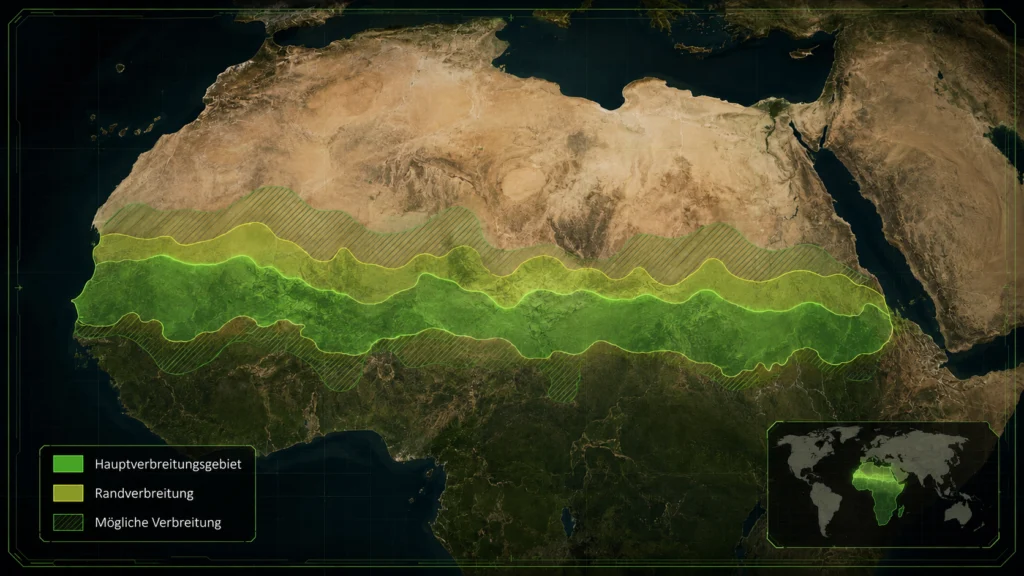
Origin & natural range
Native to a broad belt of the African Sahel south of the Sahara, including areas of Mali, Niger, Chad, Sudan and Ethiopia.
General husbandry
African spurred tortoises need large, sunny and very secure areas, deep dry soil for digging, strong UV and basking zones and a heated shelter for colder periods. Their diet should be high in fibre and based mainly on grasses and suitable herbs.
Key parameters
General guide: a very bright, dry setup with strong UVB, a clearly defined hot basking spot and cooler retreat areas. Feed a high-fibre, grass- and herb-based diet and always provide access to water.
Space & enclosure
Because of their adult size, they need large indoor and outdoor areas with diggable ground, very solid boundaries and a heated shelter. Standard small terrariums are not suitable for adults.
Diet
In the wild: Primarily grasses, herbs and other fibrous, nutrient-poor vegetation.
In human care: Grasses, hay, wild herbs and suitable leafy plants; very high in fibre and low in sugar and protein. Fruit is not a routine food.
Conservation & CITES
Conservation status: CITES Appendix II (Centrochelys sulcata). Proof of origin and any other required conservation documents must be considered for sales and cross-border movement.
Special notes & safety
Not venomous, but very strong and heavy. Fencing, equipment and enclosure furniture must be protected against digging, pushing and being knocked over.
The husbandry information and space recommendations on this page are general guidance. Legal minimum requirements vary between countries and regions and must always be checked locally. Before buying any animal, please take the time to learn about the species in depth – you are welcome to ask us, and we also recommend good specialist literature. Husbandry should always be adapted to the species, locality, age, size and individual animal.
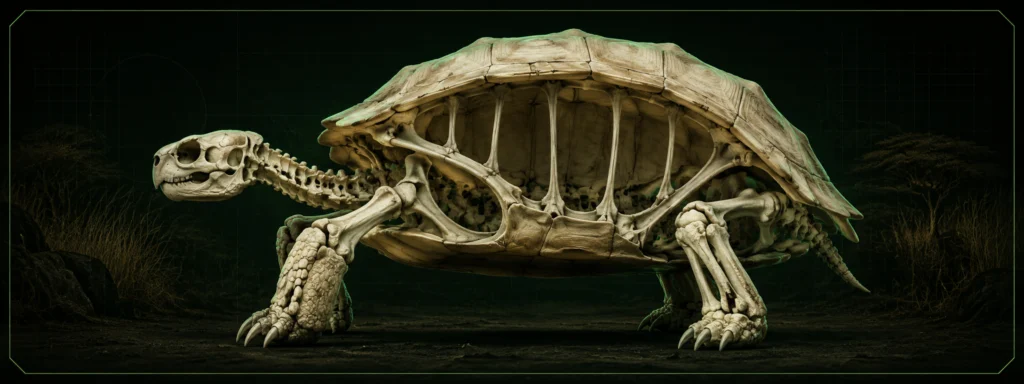
Skeleton of African Spurred Tortoise
Natural range
Frequently asked questions about the African spurred tortoise
Where does the African spurred tortoise come from?
The natural range lies in a broad Sahel belt south of the Sahara, including areas of Mali, Niger, Chad, Sudan and Ethiopia.
What is important when keeping an African spurred tortoise?
Long-term husbandry requires large, sunny and escape-proof areas, deep dry digging opportunities, strong UV and heat zones, and a heated winter area where the climate requires it. The diet is fibre-rich and based on grasses and herbs.
How much space does an African spurred tortoise need?
The species becomes very large and requires extensive, sunny and escape-proof areas in the long term. Space should be planned for adult size even when the animal is still young.
Why are digging opportunities important?
African spurred tortoises use sheltered areas and dig in their natural habitat. Deep, suitable and dry digging opportunities are therefore an important part of enclosure structure.
What role do UV and heat play?
Strong UV and heat zones are central to husbandry, while the animal must still be able to choose between different activity areas.
What does an African spurred tortoise eat?
The diet is fibre-rich and adapted to grasses and herbs. Persistently unsuitable, overly energy-dense feeding does not match the species’ natural diet.
What needs to be considered in winter?
In regions with unsuitable outdoor winter conditions, a sufficiently large, heated and well-lit winter area is required for long-term husbandry.
Where can I see JZ-Reptiles’ breeding animals of this species?
You can find our breeding animals and species information on the breeding animals page for African spurred tortoise (Centrochelys sulcata). See our breeding animals.
Do you currently have captive-bred African spurred tortoise available?
You can see what is currently available on our animals-for-sale page. Availability changes throughout the breeding season and as individual animals develop. See what is available.
More from JZ-Reptiles: Species profile & our breeding animals · FAQ